1 free read left. Create a free account for unlimited reading + AI research.
Create free accountWhitepaper DiGRA
1 free read left. Create a free account for unlimited reading + AI research.
Create free accountWhitepaperDiGRA
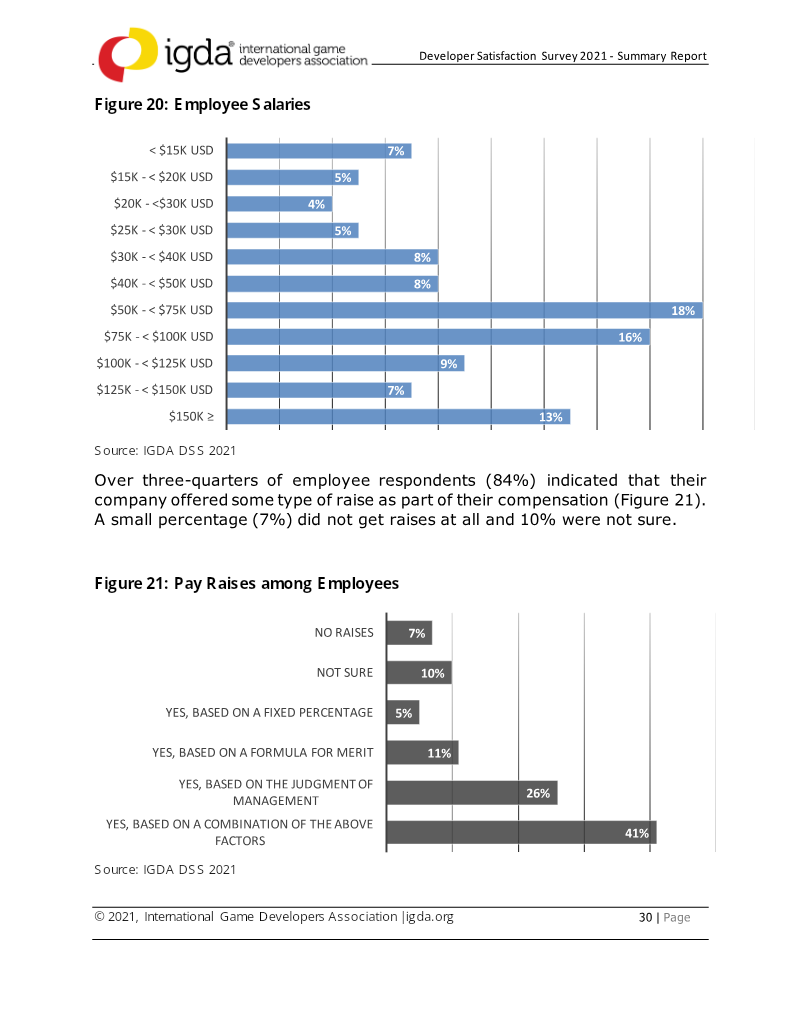
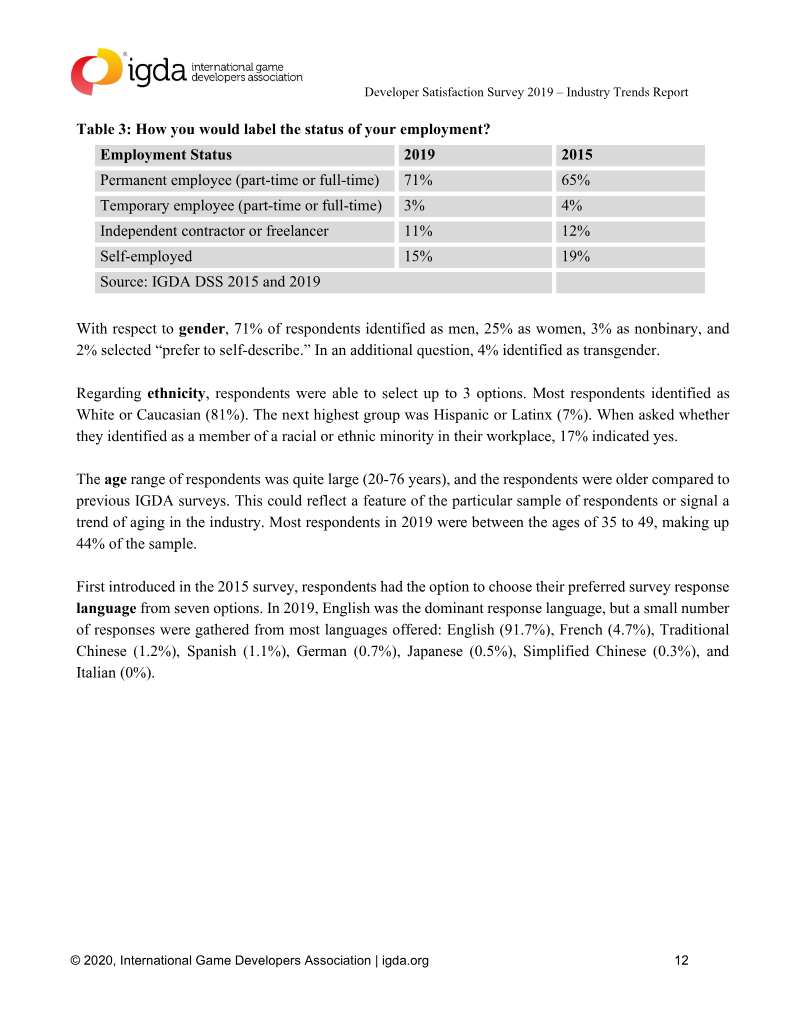
The average studio in the Australian games sector employs only nine people. Many workers are on fixed-term contracts or work as solo developers.
This paper examines the prospects and obstacles for collective organising among gameworkers, using the Australian games industry as a case study for regions outside the large studio systems of North America and Western Europe. Its central argument is that the decentralised, project-based, and often socially entangled nature of local games work poses distinct barriers to traditional unionisation, and that future research and organising strategies must account for these structural differences rather than assuming a large-studio model. The authors situate their analysis within the momentum generated by Game Workers Unite's formation in 2018, which followed longstanding academic documentation of practices such as excessive crunch and uncredited labour.
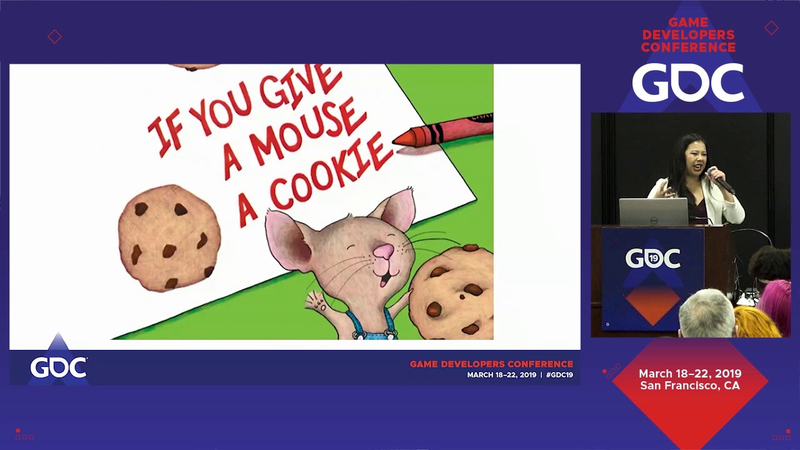
The paper draws on a multi-year study of the Australian games sector, where the average studio employs only nine people and many workers operate on fixed-term contracts or as solo developers. Supporting evidence includes a GDC 2019 State of the Industry survey of roughly 4,000 gameworkers, in which 47 percent expressed a desire to unionise and a further 26 percent said maybe. The authors also report preliminary interview findings from Australian gameworkers, whose attitudes toward unionisation were generally positive, though they voiced reservations about how formal unions would function for solo developers and informal teams.
Beyond formal unions, the paper identifies grassroots forms of collective action as potentially significant, including the sharing of skills and contacts between nominally competing teams, the operation of non-profit co-working spaces, and the use of non-corporate platforms for development and distribution. Drawing on theorists such as Banks, de Peuter, and Gregg, the authors argue that new sites of solidarity can emerge even as work becomes more atomised.
The authors conclude that labour research on games must address the diversity of workforce structures across a "translocal" industry, and that organisers must consider models beyond the traditional shop-floor union to aggregate power among contingently employed workers.

DiGRA · 2026

DiGRA · 2026



DiGRA · 2026



DiGRA · 2026



DiGRA · 2026



DiGRA · 2026



DiGRA · 2026



DiGRA · 2026

DiGRA · 2026



DiGRA · 2026



DiGRA · 2026

DiGRA · 2026
Game Developers Conference · 2023