1 free read left. Create a free account for unlimited reading + AI research.
Create free accountReport DiGRA
1 free read left. Create a free account for unlimited reading + AI research.
Create free accountReportDiGRA
Distilling the key insights…
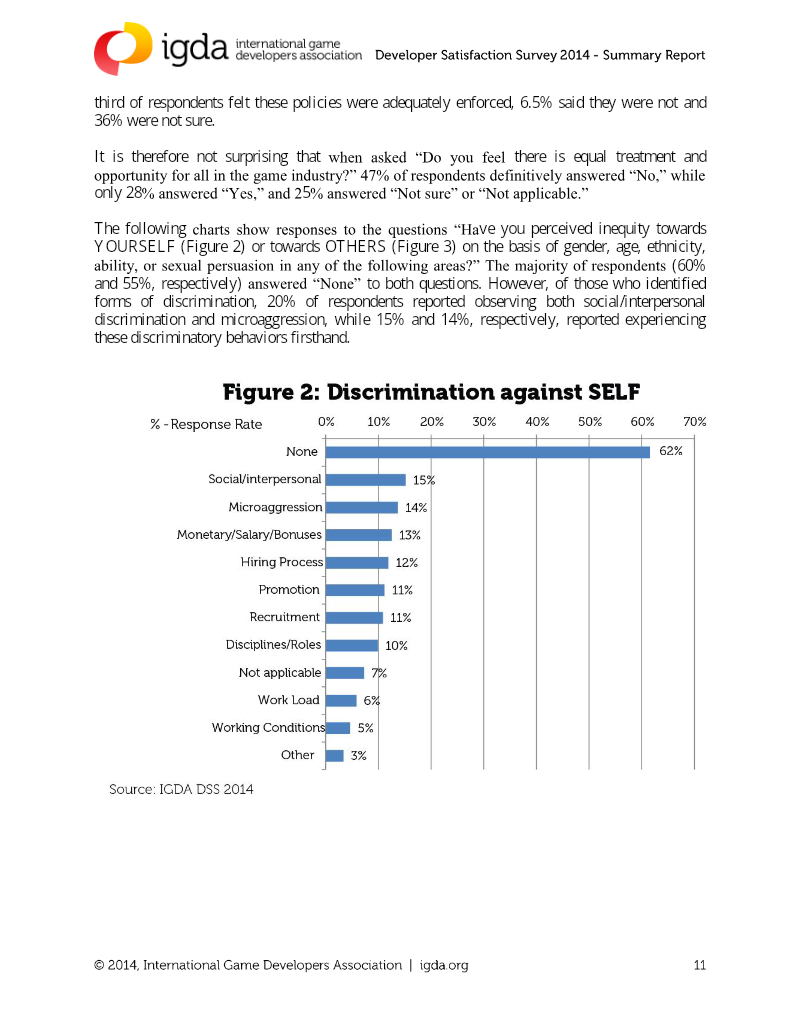
This study examines the participation of women in Mexico's video game industry, focusing on gender discrimination and sexual harassment they experience at work and how these experiences affect job satisfaction and professional self-confidence. The authors situate the research against a backdrop of Mexico's position as Latin America's leading video game market, with estimated 2020 revenues of USD 1.9 billion and 73 million gamers, 43 percent of whom are women. Despite this market strength, women remain underrepresented in the industry, and the authors note that little prior research has addressed the Mexican context, even though international studies consistently link harassment to lower job satisfaction.
The research is framed around three hypotheses: that women in the sector report experiences of gender discrimination and harassment, that these experiences increased during the COVID-19 pandemic, and that they lower job satisfaction and professional self-confidence. The study uses a survey adapted from the Shortened Sexual Experience Questionnaire, along with a single-item measure of overall job satisfaction. Recruitment relied on a snowball technique, yielding 40 survey responses and 10 in-depth interviews with women aged 18 to 45 working full-time, part-time, or freelance in urban centers such as Mexico City, Guadalajara, and Querétaro. Interviews were conducted in Spanish, and participant names were pseudonymized. The authors describe these results as preliminary.
Early findings suggest that women have experienced gender discrimination and, in some cases, sexual harassment, with conditions appearing to worsen during the pandemic and some participants reporting reduced professional self-confidence. Notably, all interviewees came from relatively favorable socioeconomic backgrounds, lived in cities, and did not belong to racial or ethnic minorities, leading the authors to conclude that gender, rather than class or race, is the primary axis of discrimination in this sample. The authors also argue that Mexico's legal framework, including the 2007 General Law on Women's Access to a Life Free of Violence, is inadequate for remote and freelance work, and that industry leaders have been largely absent in promoting respectful workplaces. They conclude that codes of conduct, accountability mechanisms, and coordinated public and private action are needed to address these problems.

DiGRA · 2022

DiGRA · 2022



DiGRA · 2022



DiGRA · 2022

DiGRA · 2022

DiGRA · 2022



DiGRA · 2022

DiGRA · 2022

DiGRA · 2022



DiGRA · 2022



DiGRA · 2022

DiGRA · 2022
Game Developers Conference · 2023