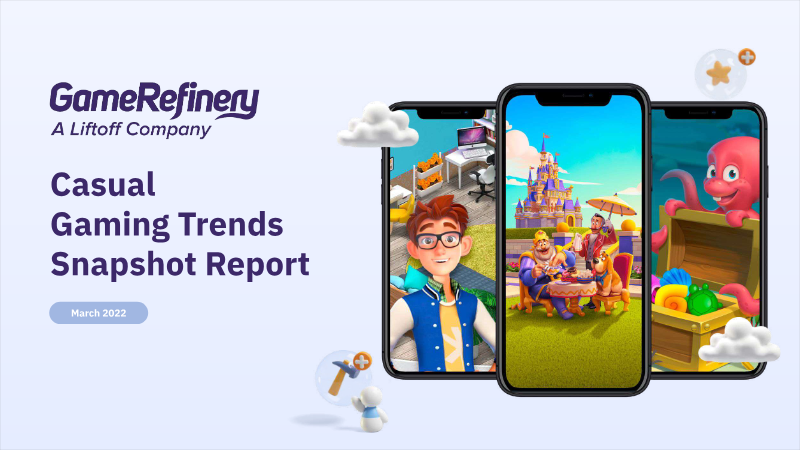
The casual gaming landscape is undergoing a significant transformation driven by the rise of hybrid designs that blend core puzzle mechanics with complex meta-layers. This shift is most evident in the Match3 genre, where 70% of the top-grossing titles now incorporate elements such as renovation, collectibles, or RPG mechanics to enhance long-term engagement and monetization. Data indicates a dramatic pivot in player preferences over the last six years, with construction mechanics in top Match3 games surging from 7% to 49%. Currently, every top-100 casual game released within the past two years utilizes renovation elements, highlighting their role in providing visual progression and psychological satisfaction.
Beyond permanent gameplay features, developers are increasingly leveraging renovation and construction layers within limited-time events across diverse genres, including card games and puzzle RPGs. This strategy allows studios to introduce new monetization sinks and broaden motivational appeal without disrupting core gameplay balance. Furthermore, the industry is moving toward a model of digital togetherness by integrating social and competitive features into traditionally solitary experiences. Features such as guilds, chat functions, and communal hangout areas are becoming standard tools for improving player retention and fostering cooperative environments.
Competitive elements have emerged as a primary differentiator between market leaders and lower-performing titles. Top-tier games like Candy Crush Saga are successfully attracting players motivated by rivalry through the integration of leaderboards and head-to-head challenges. While the highest-grossing titles in the casual segment have aggressively adopted these social and competitive frameworks to distinguish themselves in a saturated market, underperforming titles have been slower to adapt. This evolution reflects a broader industry trend toward multifaceted gaming experiences that prioritize social connectivity and diverse motivational drivers to maintain a dominant market position.
GameRefinery · 2026
GameRefinery · 2026
GameRefinery · 2026
GameRefinery · 2026
GameRefinery · 2026

GameRefinery · 2025
GameRefinery · 2024
Liftoff · 2024
GameRefinery · 2023
GameRefinery · 2023
GameRefinery · 2023
GameRefinery · 2023
AppMagic · 2026
AppMagic · 2025
AppMagic · 2025
Liftoff · 2024
Liftoff · 2023
Apptica · 2022
GameRefinery · 2022
GameRefinery · 2022
Liftoff · 2021
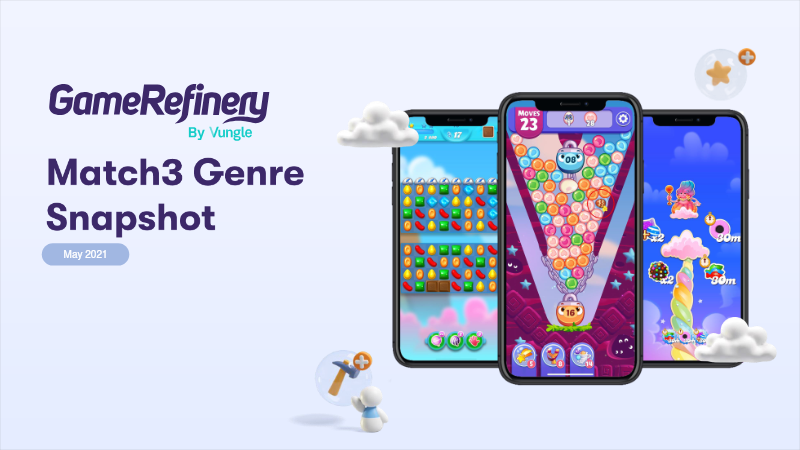
GameRefinery · 2021
IGG · 2014
Gamesforum