1 free read left. Create a free account for unlimited reading + AI research.
Create free account
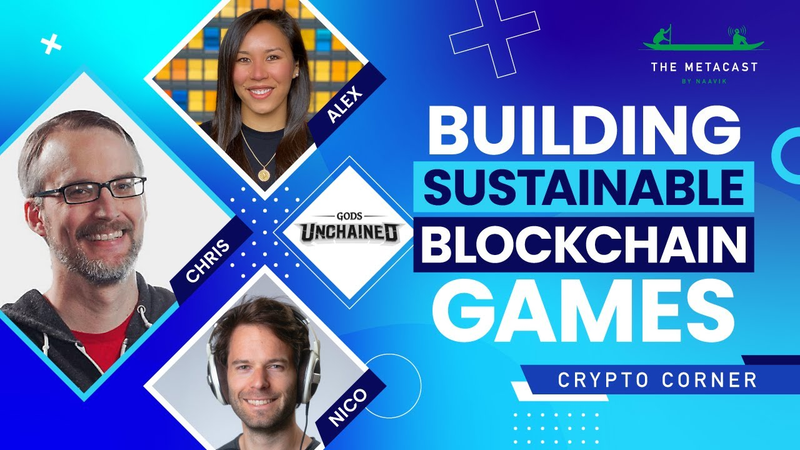
Building a Sustainable Blockchain Game ft Gods Unchained - The Metacast by Naavik
Key insights
6 takeaways- 01Developers must implement real-time meta-balancing tools and card-burning mechanics to manage supply and utility, as blockchain assets cannot be unilaterally altered once owned by players.
- 02Blockchain gaming is shifting from speculative financial models toward sustainable, player-centric ecosystems that prioritize long-term engagement over asset accumulation.
- 03Long-term viability in the sector depends on balancing decentralized asset ownership with the seamless, high-quality user experiences expected by modern gamers.
- 04The industry is moving away from volatile boom-and-bust cycles toward a mature phase focused on intellectual property development and robust economic meta-systems.
- 05Trading card games are uniquely suited for blockchain integration because they naturally align with existing physical collector cultures and player-driven economies.
- 06The inability to control assets post-distribution forces developers to maintain higher gameplay quality standards to ensure competitive balance and player retention.
Ask AI about this video
Transcript
[Music] gm friends and welcome to the metacast cryptocorners brought to you by navic my name is nico as usual i'm hosting you today and i'm joined by chris clay the game director at god's unchained and alex takei and today we're doing a deep dive into gods and chains as a blockchain game comparing it to the other blockchain games out there seeing what we can learn from a game that is more sustainable than what we see most of the time um and so yeah the context is alex wrote a fantastic deep dive which either is out now on the navic website or will be out very soon um and so you can you can dive in there but this is you know us having an open conversation about this uh see what we can learn and having more philosophical discussions about what blockchain brings to games um sustainable games uh et cetera so alex why don't you take the floor give us
brief introduction about yourself tell us about you know what you learned the piece that you wrote why you wrote it and then we can go from there sure um it's great to be here awesome i'm a big fan of the podcast um as nico stated my name is alex um i am currently a stanford mba in between years one and two and i have background in the gaming industry at blizzard entertainment working on titles like overwatch hearthstone and diablo 4 as well as some partnership experience and indie studio experience at a studio called system era softworks um the impetus for sort of writing this piece was that throughout my past semester at stanford i've been working on a macroeconomic project analyzing the transition between web 2 to web 3 economies and in that project i actually ended up playing a lot of gods unchained particularly for me it was appealing because i've been an avid tcg player my whole life i played a lot of yu-gi-oh on the
dueling network as a child growing up rest in peace and a lot of hearthstone and also lor i'm a platinum player in both games um but you know so moderately okay and for gu um i was really surprised and stunned as to the level of depth there was in the actual game itself um i think this is very um counter-intuitive to many of the crypto games that i had been seeing that were more web-based instances um and this compelled me to do the write-up on a gods so took a deep dive into the gameplay some of the innovations versus other web 2 tcgs um as well of its economy and its crypto on-ramp and marketplace so fantastic um can you start us off with where you think the main innovation lies like how does god gods unchained differ from other tcgs um what's the main difference there yeah sure so i think um just to back up
a little bit tcgs usually have um a couple of layers of complexity i would say that gods is basically a mid-core tcg the reason for why i say this is that there's um in games like yu-gi-oh and lor there are effects called chaining which basically means that the turn instance card effects resolve but players are allowed to react so the terms the turns are actually not separated um gods is like hearthstone where you basically play all your cards in the field and you end your turn and then the next player goes this really kind of like separates the actions and basically allows a player to basically only pay attention on their turn um so i think just to establish the fact that gods is kind of like in the simpler level of um tcg card games category um and then comparing that across to something like hearthstone um i would say that god says a you know some of the innovations are the following right um there are um hero power selections um right now gods there are six gods that
you can play um and each god has three hero powers that you can change based on your match up i think found this to be particularly interesting because in a game like hearthstone as a hunter your hero power always does two-face damage whereas in gods you can essentially choose to do one of three i think this helps avoid systematically bad matchups that often happen in tcgs where certain hero powers just do very well against other hero powers um there are also some pretty cool features in terms of the mana wheel which is a little bit more logarithmically based versus linear um so the early game is a bit slower but the late game um the mana wheel you earn in three parts which i think allows for players to basically play really big cards but it also stalls out the late game um obviously chris is on here and he's you know a game designer which i'm not um and he can explain some of the impetuses for that sort of design change
but i found that to be particularly clever um as well as a feature called the sanctum which is basically a set of three cards that are randomized that players can kind of claim based on these points that they pick up throughout the game in my belief it's an attempt to essentially give favor to players who are either losing and can augment their deck in a way that helps them win with cards that weren't initially in their original deck really interesting so for the moment you haven't used the words blockchain or at least not in when you were talking about the game itself chris first of all welcome back you know glad to be here we missed you yeah it's um i had a lot of fun talking to you a lot of insights talking to you um the i checked in with live in in february but it feels like it's it's feels like a year ago yeah that's so yeah so my question to you is um alex just described a bunch of you know gameplay mechanics about the tcg itself
how influenced are gameplay decisions for you knowing that you're building on the blockchain are these completely two separate things or do they influence each other uh they do twine together so some of them not so much so when you talk about like the the mana system and uh some of that was to uh to stall out the later game and you have you know those high mana cost cards be very impactful and in some ways game enders like when you get to nine mono cards we kind of want those to be something that you have to answer they should end the game but we don't want that to happen on turn nine necessarily um so not as big an impact there but the sanctum in particular uh a lot of the like the impetus behind creating it was in terms of balance so uh with gaza unchained having cards beyond the blockchain uh many of them we we ship them we balance them and then
we lock them and once they're locked we can't change them there are some parts of the game that are unlocked basically in perpetuity the welcome set and the core cards we have said hey we're going to use these as balance levers moving forward expect that they can change but what the sanctum allows us to do is have another factor on balance overall so we haven't really had to do it hyper aggressively but at times it's like hey the meta is sick right now we can't necessarily address this just through balancing the cards themselves but we can balance it through the sanctum so if let's say one particular deck becomes toxic uh to the overall health of the meta we can put cards into the sanctum that help fight against that particular meta thus sort of bringing things back into balance to an extent serve some of the same purpose of sideboarding but live rather than you know between matches putting new cards into your deck you can sort of make these decisions along the way you know there's some strategy along it too if sometimes it's actually buying the cards and the sanctum that would be good for your opponent making sure they don't get
them rather than the ones that are uh best for you um yeah and then you know the god power is actually very similar on the balance front it's uh just having that singular god power it's harder to balance uh and uh giving players that meaningful choice at the start of the game being like hey i'm up against you know a particular god i know that my duck needs help i can do that you know through picking a god power that's most suited flip side of it it's also a place for a player to make another mistake uh so you know one of the big challenges with tcgs is the onboarding even with sort of a more mid-core tcg like gods and chained or hearthstone there's a lot to learn and that's sort of the trade-off of it's given us an additional balance point it gives players more control but it is one more decision to make and until you get comfortable with it it adds a little bit more complexity overall so yeah if i understand you correctly chris because you let players own the cards like truly own the cards that they have
in their deck it limits you in balancing those cards because you cannot sell them a card or have them buy a card and then change it afterwards so you need to add extra layers of strategical decision making within the game where you as a game designer can actually you know in like or balance um when the meta gets problematic um but that then as a result has that the onboarding flow and the whole game becomes more complex because it's not just the cards that you own there's also some stuff happening on the side um it's really fascinating and so you mentioned onboarding alex can you talk us through you know you started with god's unchained from scratch um you know in the piece you mentioned that you had already set up walls before um but what was the onboarding flow for you and um how long did it take before you saw the words blockchain and you need to have a wallet um i think to answer that question candidly i think that's kind of tough because i already knew ahead of time that it was blockchain game um so i think at least for witnessing the blockchain knowing
that it had a blockchain component i knew from the get-go even when i initially downloaded the client um however i think that the only reason why i think i discovered that there the only reason why i would have discovered it without knowing it prior um would have been when i said hey i've been watching somebody play this um this aggro light deck how can i get those cards i don't i've never seen these cards before um or i i want to play a regen druid deck where do i get this panther um and i think that's where a player would have discovered that they can basically go and buy these unique cards um and then they would have discovered that they needed to have the wallet onboarding um and and and and basically on ramp currency through a centralized exchange and then bridge it across to immutable x somehow um for me specifically i had already had metamask installation from my axi infinity journey so i was kind of already halfway there
but in terms of actually transferring over a substantial amount of ethereum into immutable x i definitely ran into some challenges i ended up actually going through a third party uh site called tokentrove to eventually trans transfer over all of my ethereum because the immutablex interface actually just wasn't working for an unknown reason and i think chris has some comments on this in terms of how that's actually been a really cool solve that a third party can come in and help some of the mitigate some of the challenges um but i think it probably took me around four or five hours to actually figure out how to send my currency across to um to mutablex and then in terms of actual card purchasing um you know it took me probably about 20 to 30 minutes to buy a full 30 card deck um and transact across in in the actual marketplace itself chris you want to elaborate a bit on the the challenges
yeah and but also the advantages of the crypto there yeah so and like this is where it goes from deep dive into tear down um but yeah i i mean i think alex summarized some of the the challenge of the space in that uh you know in a more traditional sort of web 2 game it's uh you've got those systems that are more embedded and likely when we're onboarding you we're giving you some of the premium currency you know for free so to speak uh or making that onboarding easier with uh you know sort of like a cheap bundle uh to sort of kick start things uh it's much more difficult on the blockchain side of things and that's i think it's one of the key challenges in the space right now and you know though we make strides forward making it easier even those uh can be challenging at times like it used to be that you would have had to the only way to get uh like ethereum uh into mutablex would be to you know buy it on a coin base transfer it out to
your metamask metamask you know transfer into mutablex you know there are things like you can use a credit card and moon pay but even that is challenging with a pretty high amount of like kyc in the process and i've gone through it and had it succeed and then i've gone to use it again and had it fail so still you know not 100 and some of what we need is for players to have these things you'd be highly reliable it's something we're working on um on the other side of it you one of the things like you asked the question earlier of like does blockchain make it easier make it harder and full stop blockchain makes it harder a lot of these systems don't exist a lot of like how you make these economies sustainable like the true learnings are happening now part of why i got into the space though was my deep roots if you go back got almost three decades at this point which is embarrassing is in the modding community and one of the things i've always seen with the blockchain space as a huge opportunity
is the ability for other people to mod on top uh you know particularly in the meta systems and this is a place that we've definitely benefited from in that like token trove as a place to go purchased cards uh geodex sort of associated with token trove like i can go to geodex find a deck i want you know click a buy now button it takes me over to token trove and instead of taking 25 minutes to make the purchase it kind of wraps it up all into one and the fact that you know somebody else in the space can see the need and build it before we've gotten to it i think is fantastic um also a frustration at times when we're like well maybe we should have done it first but uh you know uh it's it's an opportunity that you don't necessarily have like if there's a challenge with uh you're purchasing in like ea sports nobody else is gonna come along and uh provide an alternate path to it so um you're not alone necessarily in the web space uh in a way that you you often are
in web 2. but the flip side of it man some of the hurdles are real hurdles and i think alex's experience here speaks to you're like who are our players in many cases it's people actually i would say like myself who are willing to like beat your head against a brick wall to get through all of these challenges to sort of get to the meat and potatoes of what's going on and once you get through it there's often like this sort of associated sense of accomplishment and for people who thrive in that realm it works and for others you bounce off it so you know when it comes to to like the overall funnel of people getting into a game like ours in web 3 you see more attrition at each of those stages in the funnel because there are more obstacles and it's something that everyone in the space is working to improve so that was a lot it's really good um i i can like subtly hear some of the frustrations
that you've been having over the years and i can now imagine myself chris clay three years ago a generous big head of hair and now you know lost quite quite quite a lot of it yeah i had a lot of white uh in the last couple of years uh for sure um and man there are things that if i could go back to the starry eyed uh young man who started in a blockchain and tell him uh i definitely would what are what are some of these things i'm very curious don't do it or no i would definitely do it like i have absolutely no uh no regrets um and yeah that's a podcast in and of itself but uh i think you know a few of the key loadings for me were are along the lines of like the game matters and i think that's something that particularly in this bear market is going to serve us well um you know even like numbers are always hard to come by but looking at the attrition in uh games in the space that i would sort
of put dangerously close to the the ponzi side of things like much higher attrition than we're seeing uh at the moment um and like a fundamentally good game will stand the test of time and i still think we have things to do to get our ourselves all the way there but i think at its core there's real gameplay there and um yeah if i could echo that even looking at the past data over the past couple of months right when you're looking at your down mouth ratios which i think we do in traditional web 2 gaming is a sign of stickiness right uh the the down my ratios for gods is still around like 20 which is really not that bad for a pvp game is it at the level of maybe like a premier aaa title um pvp title perhaps not but like you know certainly it is definitely not underperforming um and i think that that's probably a testament to the fact that there's actually some substance there there is actually some sort of fun joy that actually the people actually derive from playing playing this game right whether or not that's because gods does away with some of the implosion and randomness that
hearthstone has um you know and it's also you know that's implosionism one of the reasons why artifact failed um you know where it has a little bit more control right but it also isn't as tight as gwent where the number one player like always wins no matter what because it's such a high skill cap game um you know it's in that middle of ground which definitely has an appeal and has a there's an audience for that um and so i think that's a huge part of why this game has survived for so long um even though it may not have the token value that's tantamount to something like you know a sandbox or an axia infinity yeah like i mean and the flip side of that is like obviously your games are kind of my thing i've been doing this for a while and they're important but particularly in this early era of uh web 3 they weren't the most important in fact i think a lot of projects have never shipped anything playable have done far better than us in terms of like token performance nft performance uh and again this is going to be long term did we make the right call
because we've solved some of the other things on the the scaling side and whatnot we are a more accessible game in many ways but you know if i could go back it would be like hey dude you know the gaming stuff yes put it put the effort in there but you got to focus on the web 3 side of things and you know we're behind on some of our meta systems that you know we're putting in the work uh to catch up on but we're playing catch-up uh because a lot of that early focus was on the game and yeah biggest thing would be like i know you're here to learn about web3 but you got to learn faster than you did my friend [Laughter] yes because once you catch up the rest of the field is already you know a few months ahead of you so um things go fast i'm very curious chris you talked about the funnel and there's multiple steps and it's harder to get through do you see some kind of suncoast fallacy where players you know who went through the
funnel and had to do the effort have higher retention rates than you would see within whip two games so yeah that's always tricky like how do you measure stickiness um i think what you would find with a game like god's unchained is d1 d7 d30 we're not as solid as uh some web two games that i've worked on but once people like even like if your d1 is not good and our d1 is not necessarily great that's where we see like some of the biggest fall off like all those others are going to be lower but i think what you see is like after that first initial drop off like if we can get people to day three like there's this crossover point where usually by that point players kind of get it and some of it too is like if we can go get people to participate in their first weekend ranked uh
they get some rewards out of that again stickiness uh goes way up and you know kudos to some of the people in our community who may or may not be listening to this but when it comes to those long-term you know really engaged players uh i think in gu we've got far more of those than i've experienced uh in the past particularly with like the scale of like uh wow and mao that we're looking at uh once people get really in uh they do get really in how much of that is sort of like sunk cost and they're like well i've invested this i can't necessarily uh get out i don't necessarily think it's that uh but i do think some of it is the uh in the web through space the players have more influence on what we're building than they did in web 2. um you have some of the web 2 mentality and look i've had this attitude myself it's like the worst thing a player can do is be like i'm not going to spend any more money on you and like you know devs at times can be like oh oh no
you know goodbye um you know like in in a web through space like it can be like hey i'm uh i've got my collection i'm going to go list it all i can drop nft values i can drop you know token values and i can go influence other people who can do the same i can rally around in a meaningful way that my leaving can have far more of an impact and again like how does that make web 3 more like it makes it more difficult as a developer but you get i think more of a shared commitment to to the product where uh you know one of the things i always say about communities there's a fine line between sort of love and hate and i think that's even more true in the web 3 space where people are really invested and when they're happy they're happy and when they're angry at you they can be more angry at you but again long term i've seen it as more of a sheridan just commitment to the game uh and seen it succeed which i've enjoyed
yeah that is definitely one of the things that i have tried to at least convince some of the um more indian traditional developers that i talk to um on a day-to-day basis about how there is some that kind of alignment right instead of actually having to um you know convince a player once and trap up their value right it's a long-term commitment in the sense that like oh i you know i i do i can only have like 900 stuck in hearthstone maybe more right and i and i can't do anything with that um and i love hearthstone and they've done a great job to me and my community and etc but by gosh sometimes i really wish that like i really want to try this other deck but i do not want to spend another 200 to somehow build up a paladin collection right actually as a matter of fact the um the rogue class is my dump class so basically i i burn down all my rogue cards all the legendaries no matter how good they are tog waggle burned right because i don't i can't afford it right and in this kind of situation right like i could ostensibly try and swap and sell
my cards and so is it always working not maybe not but i think that you have an actual opportunity to do so and you can find somebody on the other side of that trade i think there there can be more sunk cost fallacy in the web 2 space than there is in web 3. uh because you know for you know even myself uh game director like i put some real money into mtga myself uh some of it is you know like we have this commitment to play it for real like we're not gonna give everyone you know tons of gems just to uh like you gotta go feel the economy and then it's like man if i don't keep playing i can't keep up and then i'll have to pay even more so i kind of have to keep going and keep on the treadmill um versus you know in a web three space ultimately if we're not doing what you think we should be doing like you can't exit and it's actually a viable option to recover some of those costs that you've uh put in in both time you know money or otherwise so i think there may be a little bit less stickiness in terms
of some cost in the web3 space if you really look at it that's really interesting it feels like you're saying that both on the technical end if you don't execute to perfection others because the blockchain is open others might do it for you and so you might miss out on a few like a little bit of margin there right if someone else makes a marketplace that's better than yours they're going to grab some of the revenue um and in terms of the game as well you're essentially just making it more competitive for yourself forcing yourself to be better because your community has so much impact on what you do um so you know in its essence if you're sure that you can build the best game this is probably a way to go you're just making things harder but i guess the upside potential is larger i'm ecstatic when we've got people like tokentrov you know out in the space because i'll happily give up you know the percentage in you know fees are taking and the you know what we're sending over in terms of shared uh revenue on packs for referral fees
uh they are making the overall experience better and uh i love that in this environment uh they they can benefit from that uh without me having to go consult you know dozens of lawyers uh and you know corporate headquarters on like hey kind of want to like share with these people because they're doing good stuff uh so yes it does mean in some ways we're competing with other people like directly but i'll take that any day of the week i think it just makes the overall experience better for players it it reminds me of an interview i saw with the ceo of coca-cola it's and it's been it's a while ago and he was asked about pepsi and he said he loves pepsi because because of pepsi and because pepsi exists coca-cola is way better than it would have been without and it feels like this is very similar like this is happening in what three more and more um do you expect over time chris that you know because as a web 3
gaming company all else being equal you just have to be better because if you're not doing the best job you can someone else is gonna you know come and take part of your lunch um that over time we'll see that actually like the best games from a purely gameplay perspective and you know everything around it will happen within web3 what are your thoughts there i mean my take on it in general having seen monetization schemes change dramatically in my lifetime from you know growing up everything was a direct purchase in a physical store to subscriptions to you know now it's mostly digital purchases of uh you know games to you know free to play freemium monetization i i think blockchain is here to stay as one of those options i still think freemium is here to stay as an option i think you know standalone uh is here to stay as an option i do think though that as the blockchain space matures
it will be more brutal uh it will be uh you're pretty clear on the winners and losers i think the general pattern you see in almost any industry in almost any like monetization scheme is you've got the winner you usually have a runner-up who's competing against so that's like your your coke and your pepsi and then you've got somebody who's third and it's pretty a clear third uh like i know it's one of it's i think it's a coke is like like sprite or like no doctor dr pepper or whatever like it's like some like yeah i'll drink that like that's kind of good it's god's following and then you have like like five percent of the remaining market share goes to everybody else and i think because of the nature of blockchain you're going to see the winner is going to win more uh second place is going to be further behind third place even further behind and that remaining chunk i think is going to be smaller i think blockchain another way of saying it more succinctly is amplifies everything has been my experience uh your your
unforced errors are amplified your you know your forced errors are amplified um you know not many web 2 games have had 600 million dollar you know hacks like everything gets amplified at the moment and ideally what we're learning you know in the coming you know months and years is how to better manage that and i think we're also going to see this on the platform side of right now the options on where to build are there's a plethora of them we're going to see that condensed down over time too because again there's just it's it's going to be a highly competitive yeah and i think that what's also interesting about that is that i mean i definitely believe that there will be you know consolidation around chains and also you know in this kind of winter coke and pepsi um dynamic but you know hopefully what's makes some makes a crypto game a winner is not necessarily the fact that it is a speculative vehicle to take yourself from rags to riches um and i think that's one of the fears that i currently have about the
genre is like when we break out how do we break out of the fact that these types of products are constantly being rewarded by the market and the winner designation and titling is basically attributed to the fact of can i make a you know a gargantuan sum of money um and i think that that is not necessarily the correct evaluatory metric that crypto games should be evaluated on but the people that are in the space that are rewarding these products are looking for that and i think that's one of the tough challenges in terms of how we break out winners in that which case as we've seen winners rotate very quickly here right my best way to break make out make it out is axi my next best way is now step in my next thing is zed run um and those things rotate very very fast because once you hit that apex of the ponzi right everything kind of and you have that sell-off or inflation etc then things begin to start crashing down right um and so i think that's also another tough
challenge again not exactly sure how to to solve this conundrum but and a lot of it comes down to the attitude of the people building um you know like like i have said in the past uh i've always built for longevity i've got games that have been running for over 15 years i do expect mtga to run for decades uh and it it there there i tell you what if i could go back in time some of it's like there's a there's that appeal to sort of burn hot but you know that it is short-term versus long-term and long-term isn't always as uh immediately appealing but if you do it properly like uh strong foundations pay off and i think you know what we're talking about here one thing that's really problematic in incentivizing developers game makers is the expectations of the market and how people get rewarded right um and
i've said this as long as people are expecting to make a life-changing amount of money by playing games we're not through this bear market and you know games that actually focus on the long term will not be able to pop out and catch the eye of you know the market and and and people who truly want to play games for fun um so that's something we'll have to to get through yeah i mean the other side of it is it's a huge change in like just psychographics um when i'm playing a single-player game you know offline like the what's going on in my mind is very different from when i'm playing a freemium game it's very different from what i'm playing a blockchain game i think it's really important to recognize that when like ownership and you know the ability to have sort of liquid assets comes into play like it does change uh the motivators and i think this is something that you know we still don't have a firm overall like clear map and understanding of and some of like we kind of assumed like just having
ownership alone would be a pretty strong motivator and like i think overall it's really not um uh you know it's it's part of it but it's much more you know complex and you know somewhat i'm you know like why why why do you engage so deeply with the community why do you send them through surveys why do you you know uh you really dive in it's uh to understand because it adds this other element you know into the matrix um and there's also that side of it with anything along the lines of this uh it's you know when you understand it you know you can you can't take advantage like how do you build for good um and that's still largely where my motivation lies like uh some of it is like like you talk about pipe dreams like one of the things i would love to see is that for the innovation uh in gaming to move more into the blockchain space because i think this is where uh people can benefit from that
innovation uh more like if the next genre mod like mobas comes out of blockchain i think it will benefit those who are creating that innovation far more than if it continues to happen in the web 2 space but yeah that hasn't happened quite yet and some of it is like the foundation of games isn't there yet like the pickings are still pretty slim uh in web3 i think that gets better over the course of this year and into next but uh it's still a pretty narrow community on the whole most are still building and i think one of the unfortunate realities too of where we're at with the bear and just development capacity as a whole is i don't know if there's enough development capacity for games on the planet to build all the games that people are expecting to be built um definitely not at the quality that people want them to be built at maybe that's did i just go too dark uh
pessimistic clay has that's what we do here chris no but i think that that's also i think a lot of the part why um you know when we talk about metaverse tooling right um there isn't enough game development talent or like professional game game development talent out right now to build the universes that people have so far over that they are going to build but if you can outsource some of that development to the community and again then you can compensate them through the fact that the economy is based on the blockchain i think that is actually a really cool opportunity to maybe get some of those worlds and universes built because through mass scaling and crowdsourcing you can actually take and deliver that um i mean this is a notorious problem for aaa studios of popping yourself on a content treadmill um especially in pve games when the entertainment is actually you know swamp monster battler number five right as opposed to in free to play or pvp at
least you can you know make the other players your fun right um and in those instances you need an army of content creators and the content creator economy lends itself perfectly to to blockchain um and so i'm i'm very hopeful about at least especially outside on ugc for for what blockchain can do for incentives there and wherever we can better align incentives uh yeah i think again blockchain does make that easier the one that i'm just racking my brain on at the moment is like alex talking about like that wallet onboarding experience it's like technically somebody else could basically do all of that and make it easier but are we probably properly rewarding them if they do and i don't think we aren't necessarily so then the question is like can we um and i don't know that's what i'm gonna have to take away from this call and think on my belief is and why i'm so excited about blockchain technology as a whole is that it allows as a native layer of value
transaction over the internet a way to very granularly distribute value to everyone that added it and so i think you'll you'll come up with a solution chris um you'll get there or we'll get there as an industry certainly gotta be working on it there you go um another question we talked about incentives um and alex i'd like you to take the floor here where do you see some interesting use cases of you know giving value back to the player and um you know sort of bribing them to do things that you want this is a topic we talked about two weeks ago i think ryan from delphi brought it up where you know what a game like axi did is they're giving back value to the player and they're incentivizing players to get their friends in or get other people in to you know buy their bags essentially and be their exit liquidity what are some more sustainable ways this bribing can happen um what are your thoughts alex or your findings um yeah on the on the cro bribing mechanic that has i think arisen
from incentive or introducing rather um dual motivation systems right you know winning and also getting paid um i think that in terms of i guess getting payback for it i don't necessarily at least in god's i don't see that necessarily happening i don't know like unlike actually infinity where you're it's not like refer a friend now get 20 off um on my uh you know purchase etc but i do see that it plays a big part in in terms of maybe incentivizing a variety of gods and deck play um one of the big problems that has happened in tcgs is once once a certain meta gets stuck you're basically stuck in that meta until the next expansion drops so um you know in the first couple of weeks the dust is sort of settling the developers are tuning and balancing and then you know um control warrior is the best deck and everybody plays that persistently over and over and over
again and so the game gets kind of boring um and so what i've seen in gods is that um and this kind of gets a little bit into the weeds here so let me just back up a little bit but um again as we've as probably some of you know that the game is free to play but you can min nfts by combining a couple of resources usually a duplicate of a card um and uh some amount of god's the token and then some amount of the soft currency that's earnable by play which is called flux and a player can only be awarded flux by running this feature called the gauntlet um and the gauntlet it basically works as the following i can only earn flux by winning with a certain god but only up to three times and then after that i can't earn any more gods so if i you know we'll walk through a very primitive example but if i win for the first time with the death god i get five flux the next time i get 10 and the next time i get 15 and the fourth time i win i get zero and so
what you have to do is rotate to the next god and this basically means that one you have to have a collection that's a little bit larger than maybe what you might typically have in a web 2 tcg where you might play two hero classes and that's just about it because you can't afford anything else um and it also means that at the top level of metaplay if you are interested in crafting nfts and accumulating flux you will actually rotate through gods um now whether or not this is actually really working and it's the strong enough incentive to divert people from winning um i'm not exactly sure maybe you know clay can share more um but i saw that as being particularly persuasive um i think uh one of the examples i bring up in the in the piece that i wrote is you know for cloud gaming we asked ourselves what what kind of different gaming experiences can we have now we can have a 1 000 person battle royale or now we can do twitch plays pokemon for real right what is that forgot for god's for i mean sorry for blockchain um how does
it actually influence game design and gameplay mechanics and player decision making and i think this is one of the examples at least in the tcg space where i see an actual innovation that's solving a problem that web 2 has with the actual blockchain technology yeah and just to yeah i think what we've seen is because you also sort of accelerate your flux earn so if you're playing your sixth god for the day uh and you're on win three you're you're earning the double double the amount of flux for that win that you would on your first god win three so it's like as you sort of go through the the cycle more you're rewarded more for it uh it has definitely impacted player behavior i think what you know the data would uh show at least the last time i looked at it is what you're seeing is people are playing you know maybe three gods uh only a fairly small number are grinding through to the six like that's actually probably too much gameplay um yeah it is always a balance of like some people are like hey why can't i only play 25 games over the
weekend and weekend ranked and i'm like because i really don't want you to burn out it's not because i don't want to give you more rewards uh it literally is like there are only so many times that you can engage with the product before you're just you're done and i you know trying to balance that equation of like people who are hyper-engaged you give them opportunities but also sometimes you just got to be as a designer it's like it's time to step away um i i do think that that's another side of uh you like that that sort of aligned incentives and i don't necessarily think i would call it bribing but uh getting players to do what you want like in the blockchain space it's uh there's a lot of opportunity there um even with like uh upcoming systems uh like daily uh play to earn for us it's you know in the past you know shine fusing for instance it's like yeah i can get shiny cards they look they look better uh they they let me sort of peacock a bit uh but there hasn't
necessarily been utility associated with it uh we do want people to go in and uh you know burn cards out of the system through fusing so it's like hey daily play to earn yes your wins will matter shiny your deck is also going to matter and all of a sudden you know we've got this associated motivation to not just build your deck but i want to continue to upgrade it from there because i think the other part of this grand experiment is you know we do want people trading in the marketplace and some of this i think alex uh experienced it's the challenge of liquidity and you know we want uh you know people out there you know purchasing cards on the marketplace so that people can sell them and you know that's some of how we have to design these systems too to create that sort of cyclical demand um and you know even for systems beyond daily play to earn uh some of it too is as a designer the thing i can guarantee is that not every card in a tcg will have equal utility uh some cards are going to be better than others uh no matter how good a designer you are part of being a
good designer is having some cards that are better than others which means like if you want to have those worst cards economically throw flow through the system you have to have non-utility reasons for it and this is when we start getting into uh economic meta systems where i can then take those cards and then convert them into something else be that gods be that uh you know cosmetics be that you know packs uh getting systems like that set up i think is also important and again this sort of leans back to like game i'm pretty happy with where we're at can still be better but we need to get these other systems online um you're lucky we're the a place now with the immuno black's development being where it's at you know we're we're able to focus there but uh it's very important for our growth over the next six months to a year is getting that system really working because when that market stagnates it's
not good for players it's not good for us so ultimately it's like getting everything moving um it's it does harken back to like having worked on mmo rpg economies it's very much uh some of the same problems you've got you know inputs in you need to have syncs out and you need reasons for people to interact with each other if you go through the marketplaces so some lessons learned in the past definitely carrying forward yeah and i can definitely echo that experience i've definitely you know sung some of the praises of the innovations that i think gods has had but you know one of the frustrations that i do have as a player is that you promised me that i could sell my cards to somebody and that's not true because nobody wants my hunting trap um i have undercut it um on the market like a ton and it will be the first card to sell because there are 200 hunting traps um listed on the the marketplace but you
know unfortunately huntingtrap is not a meta deck card right now the kind of decks that it would be running aren't popular and i can't i can't sell it right and so i think like this idea that oh um we'll have this sort of pseudo interoperability because maybe the assets won't be um exchangeable i won't be able to use my god's card in another blockchain game because you know engine wise that might be difficult etc balancing wise might be difficult but certainly i'll be able to exchange it to a you know fixed token and then i'll be able to swap over and buy into the next games token i can't even i can't really do that because again very similar to the same problem that you had in web 2 nobody wants to buy my stuff so i'm still basically in the same exact spot now it's not true for every card um so it's better than it was before but um it's not it's definitely not perfect and right we talked about some of the the solutions potentially for this is that you know fortunately i think god's has figured
out what to do with dupes right with dupes which is another problem that is plague that plagues tcgs is what do you do when people have eight of the same card well and gods you confuse them together and then you commit an ft and then you can maybe sell that um you know but if i can't sell my nfts what do i do with them maybe i could sell them back to the developer maybe i could dust them down and get some sort of cosmetic reward that you've made for me whether that's a new board or a new music pack etc um these are all kind of solutions that um you know i've been kind of thinking about on the on the back end of you know what would what would feel good to me as a player to receive um given that i can't shift my inventory one of the problems that i think a lot of blockchain and not necessarily only games but in general blockchain projects face today is the fact that from day one well the moment you issue a token you're essentially a publicly listed company and so you have this daunting number this token price that is a constant reminder of the market sentiment around what you're doing and so chris you've worked on web 2 tcgs
you've now worked on web 3 tcgs how did the kpis that you're working towards change and how influential is the price of gods in your decision making and you know in reflecting on how well you're doing like you said one of the things that i think is a little bit beautiful in a web 2 space is uh a lot of the indicators are what i would call liking indicators where it can be like hey we found out things aren't as good as we thought they were maybe we shouldn't have done that thing that made everyone really mad at us uh you know some of it is you you can get this very direct uh very me immediate response um in web3 to like people really being unhappy uh like you you can see youtube prices fluctuate you know shockingly in minutes um based off of you know feedback i think the other thing that makes it really challenging too is you know like in the like the ethical side of things
yeah there has to be a lot more checks and balances in place within the company itself because even as something as simple as balancing cards like you know i have to go in and make sure that i'm auditing you know the the purchasing patterns on the cards that we're balancing because i gotta be checking to be like hey somebody bought 500 of the the haunting trap right before we buffed it who the hell was that oh how did they know oh yeah you're someone's like i mean it hasn't like i want to be clear i haven't come across that yet but it's some of the things i've got to check for uh because and yeah like some of it too is uh even for myself it's like uh gods was down to a quarter um you know i guess it was almost it feels like it was about a month ago who knows might have been two weeks and there was that point in time where it's like hey like i believe in my project i want to go buy it up at a quarter but there are some things coming that i know will influence the price and therefore i can't uh and you know it makes it it it it does it
just makes it you know more complex uh in general but on the flip side of you know on the positive when you're doing things that uh yeah the overall you know player base and market are responding well to you get really clear feedback on that um i think ultimately you know for me if you want to help me uh you know with some of my gray hair it is getting uh clearer you know regulations in place over like how these things work what are we allowed to do what are we not allowed to do i know that we have moved slower on a number of the fronts particularly tokens to try to make sure that we're preparing these correctly for the long term uh but there is still a lot of uncertainty into the in the mix there and you know this is the other thing that i think is uh pretty differentiated across the space is a lot of people aren't necessarily building for the long term so they're taking advantage of you know this sort of uncertain you know
regulatory landscape and there are times when i'm like man we could have done a lot more if we hadn't been so careful but i i i want you know to be here for the long term so i'll take that uh somewhat safer path at times um but yeah it it definitely makes it more complex like i was just on a talk with uh you know the igea here in australia and it's one of the things that i was you're telling other developers in australia it's like hey there's a lot of opportunity in the blockchain space but it will make your job more difficult because i can't tell you the right answer today i can tell you what i think i can tell you what i'm building but there's still a lot of unknowns in the space and ultimately for me i want other you know good actors in the space building with me so that i can learn from them too um [Music] but you know we're not necessarily there yet uh did that answer the question
it it was very interesting so i'll say that what are some games that you're looking up to and trying to learn from basically all of the games in the space i'm trying to learn from i don't think there is any other game in the space right now that i would hold as the ideal i don't think there's any one game that i would point to in being like they're doing it fully right um i don't even know that like we're actually i know that we're not doing it fully right uh at the moment um which is unfortunate like i would love it if it's just like damn they got it solved let's just go let's go pull that um it's hard though right now you know particularly with the the bear market we're in like the one good thing for me with the bear is it is shaking the bad actors out real quick um and you know it's one of the things that i feel you know very blessed to be at immutable it's like we've prepared for this we've
been through bears in the past and you know we're in a good position to continue building through it uh but some of why the beer is interesting to me is i think we're seeing some of that shaker you know already happening every project even those that fail though it's a learning opportunity uh and some of it is there are like there are things that i can opine on uh we just got out of a research group internal where we had studied six six projects uh and not something that i am at liberty to share but like we're definitely doing you know deep dives in um and i do think some of the short-term women winners are not going to be long-term winners um uh and i think most people when they look in their heart of hearts kind of know where that's at uh i'm looking for the uh the aragorns in the space uh the projects that look a
little foul but feel fair uh i like that love it to um we're reaching we're getting up to that hour mark as a final question um if you listen to my other podcasts i like some bold predictions um i'd like to be future looking and um and guess what's gonna happen because that also also always results in some interesting takes alex for me it intuitively feels like the tcg tcg genre is perfectly fit to live on the blockchain or happen on the blockchain just because you know you have these you know if you want to play online you need like you need to well there's this concept of owning your cards and it just you know when you can digitally own your cards it just makes a lot of sense how do you see the dcg genre in the future evolve do you think the majority of it will be blockchain based or do you think it will be like kind of split because blockchain does have some implications for you know game
design and etc yeah i think that's a real that's a really tough one actually um because actually in the beginning of my uh project one of the prompting questions had been what genres lend themselves to blockchain technology i think some of the things that i've kind of come up with in my mind was a tcg makes sense we are make we are basically ascribing the physical ownership to a digital ownership of cards everybody understands this this is logical um i think even games that are really idle um actually that make a lot of sense because the economy game isn't actually being complicated by some sort of underlying complicated mechanics of a game right so any kind of like idol auto battler etc you know where someone has to learn the resource economy but they also don't have to like learn this complicated like skill tree or in-depth mechanic system of league of legends right um and i think those complement one another because the blockchain and the client that you're designing is already complicated enough um when i think about maybe for for tcgs
specifically um i think that there will be a bunch of studios that try to build tcgs that are on the blockchain there are other studios like horizon that are building other blockchain-based tcgs um but i think it does have implications for balance um but on the other hand right like when we look at what's happened in physical cards um that's also been managed to stay alive and be you know still played etc without being able to retroactively update cards etc you can construct rule sets that say oh no longer can you have two monster reborns in your yugioh deck only one and so i think that people will still go forward and work on the tcg genre for for blockchain games i think it will definitely be like a bifurcated community of people who might play tcg blockchain games and people who might stay in the closed gardens of web 2. but i think that there could be some really good products that actually arrive in the tcg genre over time
what do you think chris i mean some of it is like obviously biased i think tcgs are a pretty natural uh like it just makes sense like if you've held a physical card from pokemon magic the gathering you know whatever like the analog there uh is pretty seamless uh yeah i think that blockchain actually solves a lot of the problems that physical tcgs have uh largely on inventory like a platform like immutable x like doesn't matter if you're trading on immutable x marketplace token trove eventually gamestop like all of the back end is shared so you know you don't have the problem of like only this one shop in you know yeah reno nevada has the card that i want japan yeah so like it solves japan has all the cards why is that yeah uh but it solves a lot of the challenges that you can have i think you know some of it like that i've been challenged on is
like hey yeah physical you can only have so many things printed like there are limits there why do we have to do that in the digital space you know maybe web 3 is actually just recomplicating you know what web 2 has solved you know the the the clap back there being like well web 2 has it's scarce and all of that too at least uh yeah we've opened uh things back up again i think for players um i think one of the things that's going to be really interesting in this tcg space is because it makes sense you do see a lot of tcgs coming uh to blockchain and this is where i think it gets the most interesting because uh physically like getting people to trade in their pokemon physical cards to me to come play my physical tcg it's like yes you can do that kind of transitionally through like a card shop but it's actually way easier on the blockchain side of things to do vampire attacks where it's like hey
i see that your game is down because yeah they're having tech issues come over here trade in your cards uh i'll take those nfts and we'll get you started and like there's some there's some interesting things there that you wouldn't necessarily see in traditional web 2 that or would be impossible there um i think that's sort of like a next layer of exploration we just don't have enough right now for it to to make natural sense but some of that market dominance you get in that like that sunk cost system like it can be really hard to get a player who has sunk and maybe at this point years of play time into a game like hearthstone and you know thousands of dollars to move because they can't take any of that with them but in a web 3 space they could and uh again that presents a deeper challenge but also yeah more opportunity so we'll see how that pans out in the end yeah
you said something really interesting there which i think is um you know i think about like some of the um physical card games that have just done really really well they're usually tied to some sort of like very big ip like a pokemon or a yu-gi-oh right and i think that that's what also it lends the value there like your shiny charizard has value because pokemon has value right and so when we're moving forward into like the next generation of tcgs for blockchain right like you know this is why i actually think gods is actually pretty cool or at least on the right path right is that they're actually trying to build out some sort of lore and some sort of fantasy around the gods unchained universe such that they could potentially create a you know a warcraft-esque type ip such that these cards could be valuable just because of the fact that they are god's unchained universe right and i think that that's really important right because if you're going to have longevity if you want that shiny charizard to have value by gosh like pokemon better be valuable um and i think that's why you'd actually want to own these things even if you didn't even play the game at all right um and so i
think that's really something that'll be really interesting it's like what is the generation of web 3 tcg um in terms of uh you know well and the other thing there is like in web 2 you know i think we've clearly seen that you can have franchises where you know they share a launcher um but and like there are sort of interconnections where you know if i do something in hearthstone i purchase something maybe i'm getting like a diablo 3 pet uh or my work i'm getting a a skin in world of warcraft or a mount like we've seen some of these interconnections but you know as a world like or a game like godzilla chain expands like i don't expect it to just be the tcg moving forward like as you bring those additional elements in the opportunity for interconnections that matter between those games is much deeper than in web 2. um you know exactly what those will be you know that's probably a different podcast
you know see you guys in you know a couple months but uh yeah i think there's real opportunity there fantastic what i take away from this conversation is this is that as much as putting tcgs on the blockchain just intuitively makes sense there's still a lot of things to figure out um a lot of mistakes to be made um and a lot of you know new dynamics to get a grasp of and so i think you know if that is already the case for games that just make intuitive sense what does this mean for games that like either don't exist or are way more complex um and so you know i'm happy because i'll have stuff to talk about over the next years you know because there's so much more to learn so uh that's a great thing um yeah alex chris this has been a fantastic conversation i really really enjoyed it and i think our listeners did too so i want to thank you both for taking the time to be here to share your insights your deep research um so alex your piece will come up on the navic website either already or soon i think i
might want to have this go live next week so it might not be on there but it will be it will soon be and i highly recommend you checking it out um chris yeah i would say listeners go play gods unchained and you know you can hear that how passionate he is about the long term how much he thinks about the long term so um yeah i think um it's only upward from here for that uh not the token but the game yeah that would be many thanks to alex for the the teardown uh it is really appreciated there you go we learn yeah of course we break down and we learn from each other right fantastic all right so listener thank you for listening i really hope you enjoyed this if you did feel free to give it a like or thumbs up um if you want to have more insights like the piece that alex has written but will come live um you can subscribe to navic pro with the code metacast you get 10 off um yeah and with that the metacast is out and we look forward to see you in the next episode cheers [Music]
you
Summary
Blockchain gaming represents a fundamental shift in the digital entertainment landscape, moving away from speculative, short-term financial models toward sustainable, player-centric ecosystems. By leveraging blockchain technology, developers can offer true digital asset ownership, which serves as a powerful differentiator against traditional titles. Trading card games, in particular, are uniquely positioned to capitalize on this transition, as they mirror the established collector culture of physical card games while introducing sophisticated, player-driven economies.
The integration of blockchain mechanics introduces significant operational and design challenges, most notably regarding user onboarding friction and the inability to unilaterally alter assets once they are in player hands. To maintain competitive balance, developers must implement dynamic in-game systems like real-time meta-balancing tools and card-burning mechanics to manage supply and utility. These constraints force a higher standard of gameplay quality, as developers can no longer rely on traditional top-down control to manage the game environment. Instead, they must foster long-term engagement by aligning player incentives with durable gameplay behaviors rather than mere asset accumulation.
Ultimately, the industry is transitioning from a volatile boom-and-bust cycle toward a more mature phase focused on intellectual property development and robust economic meta-systems. While the current landscape remains experimental, the potential for cross-game interoperability and the intrinsic value of player-owned assets provide a compelling alternative to web2 gaming models. Success in this space requires navigating complex regulatory environments and technical hurdles, but the long-term viability of these games rests on the ability to balance decentralized asset ownership with the seamless, high-quality experiences that modern players demand.











Comments