The farming games market is characterized by steady growth and high competition, with the global simulation and farming sub-genres contributing to a market projected to reach $268.8 billion by 2025. This specific segment is expected to maintain a compound annual growth rate of 6.3% through 2025. While evergreen titles like Township and Hay Day continue to dominate the landscape, their longevity is attributed to a strategy of continuous evolution, specifically the integration of minigames and diverse gameplay loops to maintain engagement and capture market share.
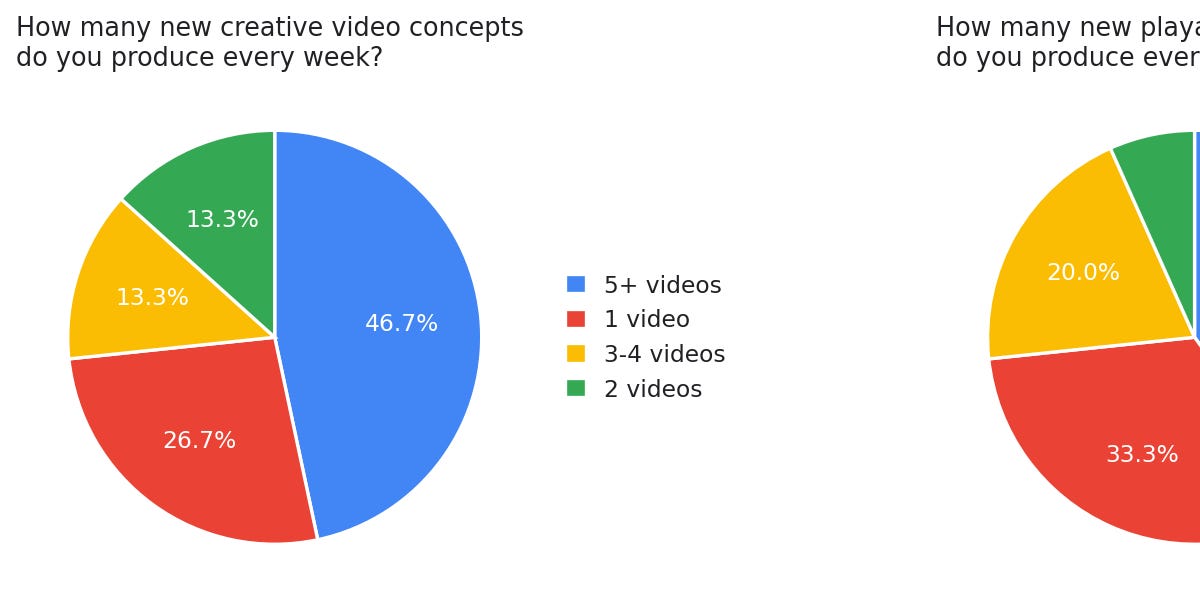
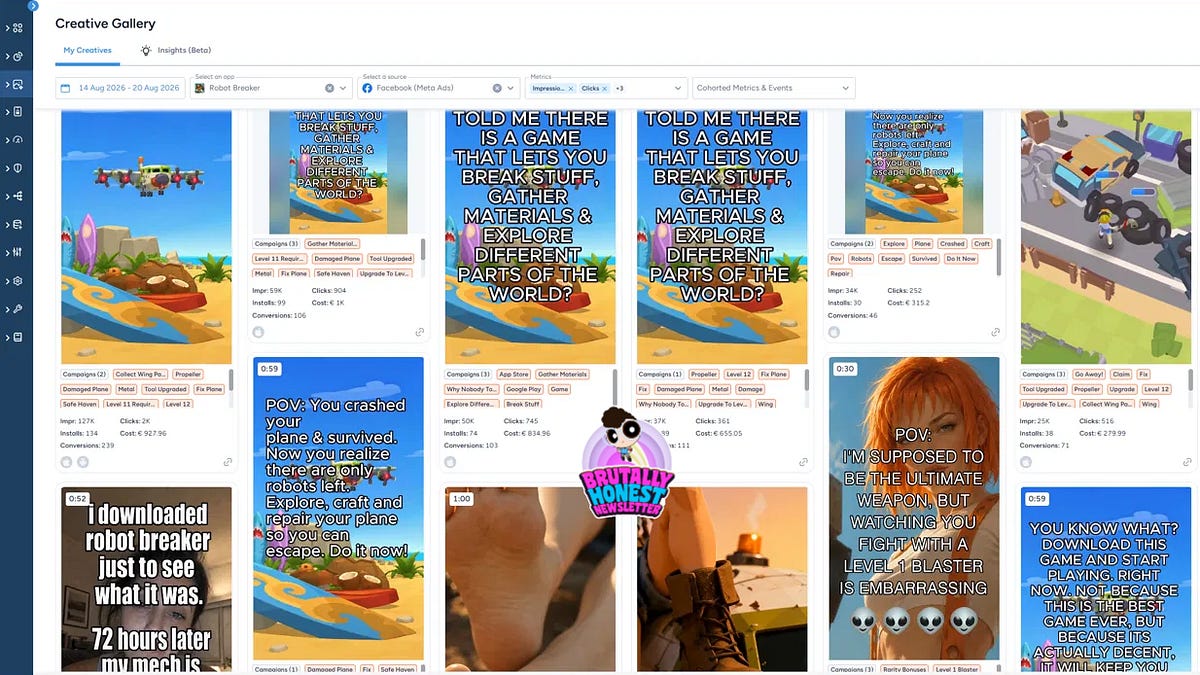
A critical finding is the mandatory shift toward incorporating minigames to support user acquisition (UA) efforts. This trend, largely inspired by the idle games genre, addresses the high expectations of a predominantly female audience aged 35 and older. This demographic values relaxing, nurturing gameplay and demonstrates strong loyalty. Successful monetization in this space typically follows a 70/30 split between in-app purchases and advertising revenue. Developers are increasingly utilizing interactive "playable" ads and aggressive creative refresh cycles to improve return on ad spend and reach these high-value players.
To succeed in this mature market, new entrants must focus on niche sub-demographics, such as those interested in mental wellness, and leverage data-driven UA strategies that prioritize long-term retention indicators. The implementation of social and multiplayer features is also highlighted as a vital component for increasing player lifetime value. Ultimately, the analysis concludes that survival in the current farming games market depends on matching the feature sets of industry leaders while innovating through creative advertising and integrated minigame mechanics.