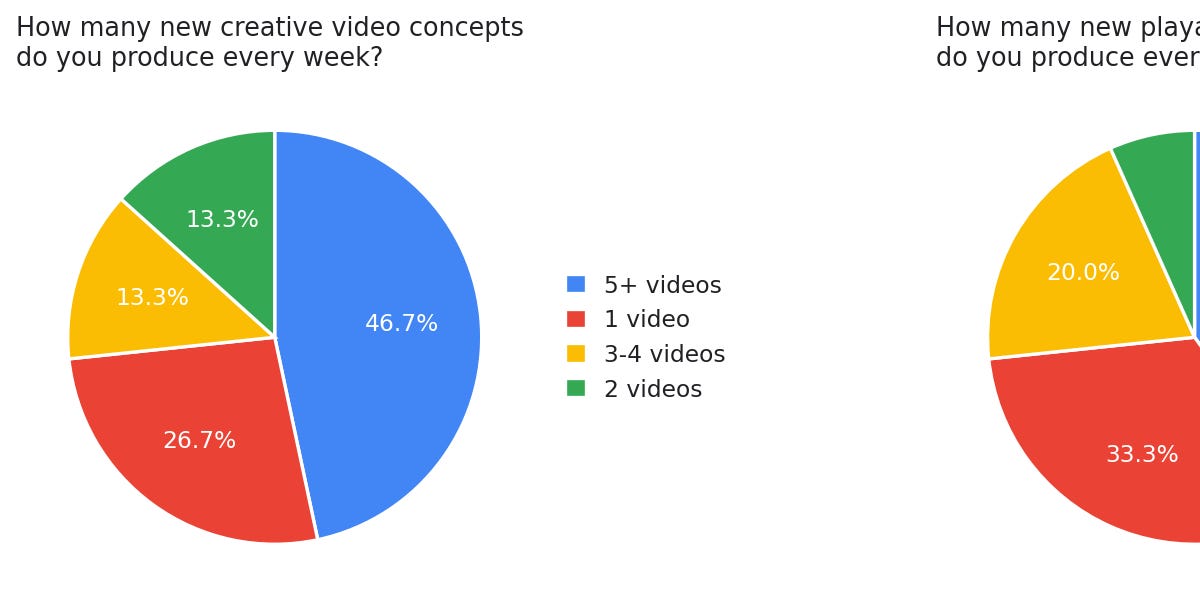
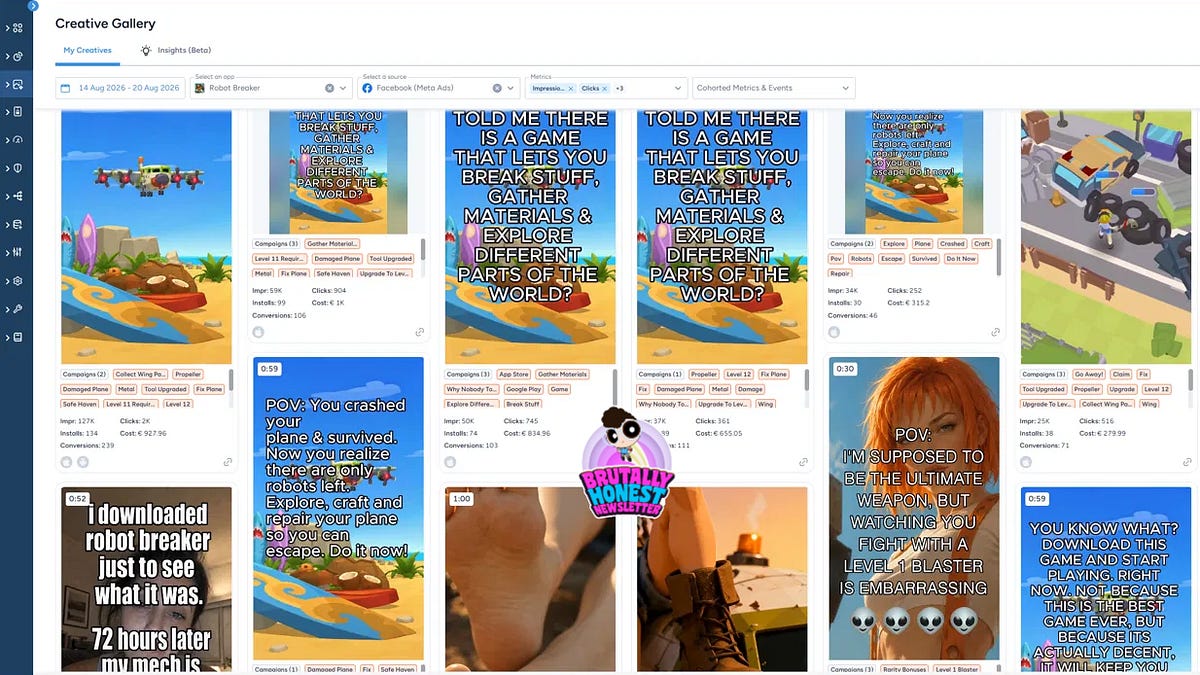
The mobile gaming landscape in a post-IDFA environment requires a shift toward creative-centric user acquisition and UA-driven game design. Success in the current market depends on identifying and scaling high-performing creative concepts, such as the resurgence of ASMR-themed advertisements. While ASMR slicing games previously peaked in US download rankings, the trend remains a potent tool for engagement across various sub-genres, offering diverse variations that developers can adapt to fit specific game mechanics.
Analysis of market leaders like Habby reveals a sophisticated metagame framework that bridges the gap between hypercasual and mid-core experiences. By comparing titles such as SSSnaker and Survivor.io, it is evident that hybrid-casual strategies—combining accessible gameplay with deep monetization and retention mechanics—are outperforming traditional action category standards. This evolution suggests that the industry is moving away from pure hypercasual models toward more sustainable, casual-leaning frameworks that rely heavily on aggressive, often provocative, creative testing to maintain scale.
Industry sentiment also highlights growing friction between developers and player bases regarding monetization and product lifecycles. The controversial sunsetting of titles like Ark: Survival Evolved in favor of paid upgrades serves as a cautionary example of the risks associated with aggressive live-ops transitions. Ultimately, the modern mobile ecosystem demands a holistic approach where game design is heavily influenced by user acquisition data, ensuring that products are built to resonate with current creative trends and algorithmic preferences from the earliest stages of development.