1 free read left. Create a free account for unlimited reading + AI research.
Create free accountArticle Game Production Alchemist
1 free read left. Create a free account for unlimited reading + AI research.
Create free accountArticleGame Production Alchemist
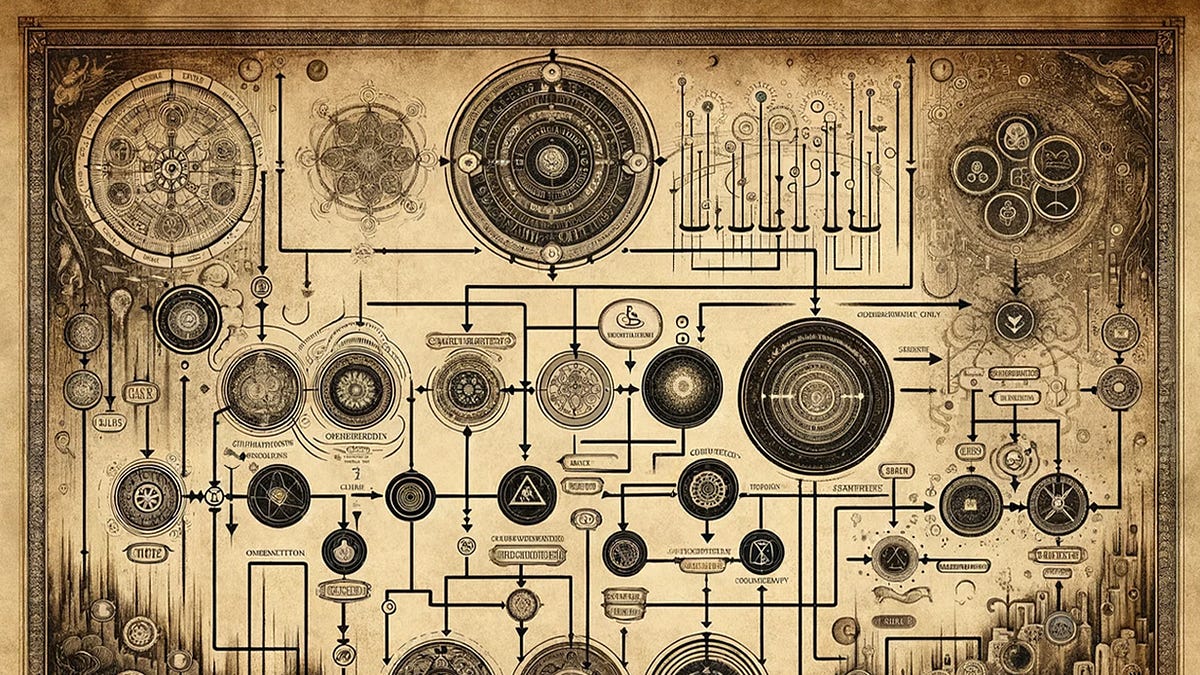
Studios frequently overlook their impact.
Think of it like trying to steer a large ship; the currents below the surface can be more powerful than the wind…
Overlooked Factors. Cultural inertia and informal social networks are frequently overlooked, yet they act as powerful, often invisible, barriers or catalysts that can undermine or support formal change management initiatives.
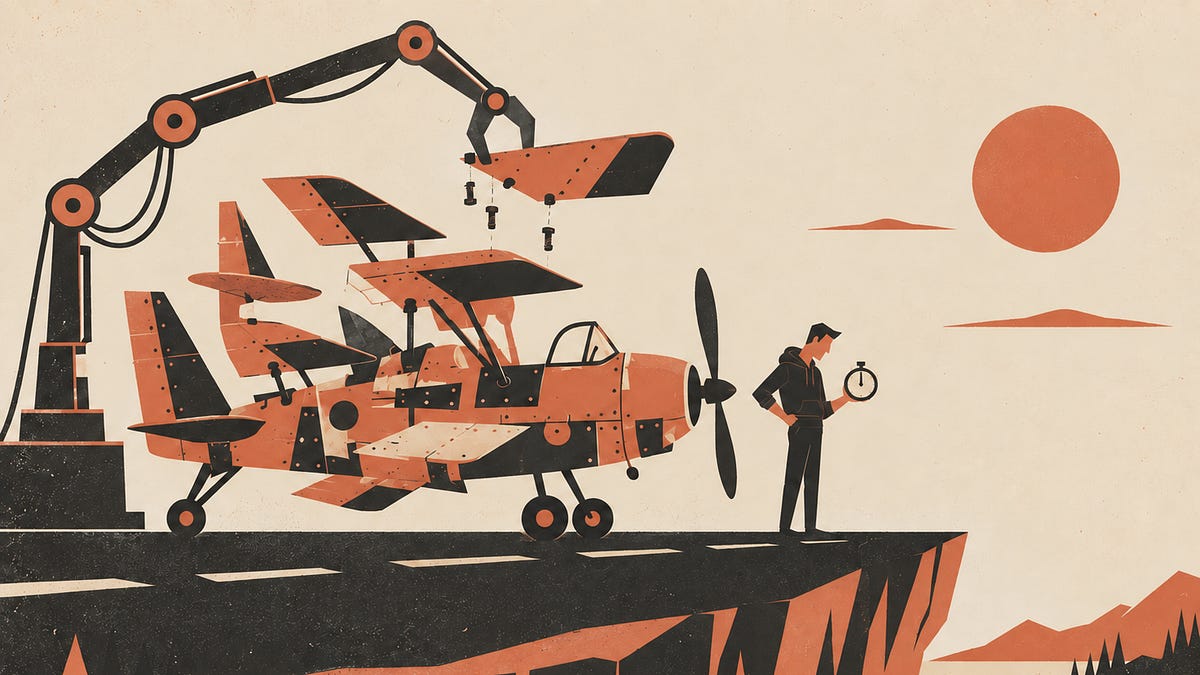
The primary objective is to provide a strategic framework for managing organizational change within game studios, specifically addressing the complexities of implementing new methodologies like Agile. The central thesis posits that successful institutional transformation requires moving beyond process-focused mandates toward an empathetic, structured approach that accounts for individual psychological responses and varying levels of organizational readiness.
The analysis highlights two core frameworks: the Change Curve and the Transformation Adoption Model. The Change Curve illustrates the emotional trajectory of employees—moving from shock and denial through anger and depression to eventual acceptance and integration—emphasizing that performance dips are a natural byproduct of transition. Complementing this, the Transformation Adoption Model categorizes staff into five segments: innovators, early adopters, early majority, late majority, and laggards. A critical finding is the existence of a "chasm" between early adopters and the early majority, where many change initiatives fail due to a lack of tailored support for more risk-averse groups.
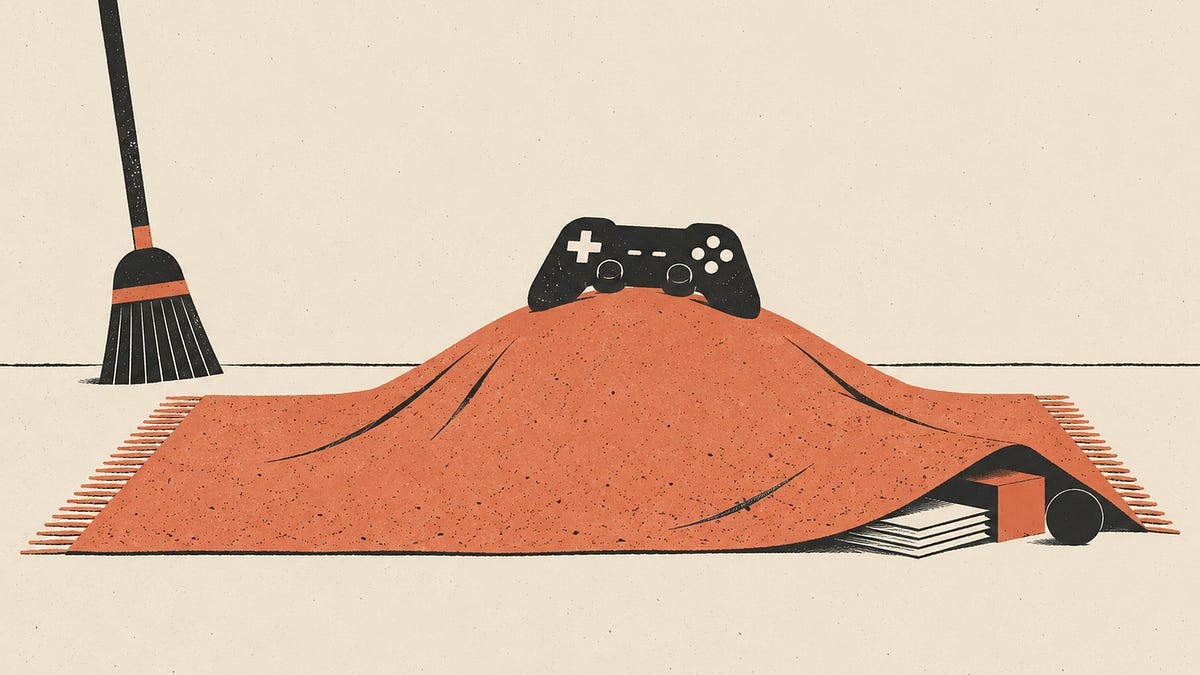
The scope of this analysis is focused on the professional game development industry, drawing on three decades of production experience. It argues that studios often overlook cultural inertia, the influence of informal social networks, and the paradox of balancing creative freedom with operational stability. Effective change management requires leadership to utilize emotional intelligence and storytelling to align organizational goals with employee values. By segmenting the workforce and providing targeted resources for each group, studios can mitigate resistance, improve resource allocation, and foster a more resilient, agile culture capable of sustained innovation.

Game Production Alchemist · 2026
Game Production Alchemist · 2026

Game Production Alchemist · 2026
Game Production Alchemist · 2026

Game Production Alchemist · 2026
Game Production Alchemist · 2026

Game Production Alchemist · 2026

Game Production Alchemist · 2026

Game Production Alchemist · 2026

Game Production Alchemist · 2026

Game Production Alchemist · 2026

Game Production Alchemist · 2026

Thomas Brush · 2026









Comments