1 free read left. Create a free account for unlimited reading + AI research.
Create free accountArticle Game Production Alchemist
1 free read left. Create a free account for unlimited reading + AI research.
Create free accountArticleGame Production Alchemist
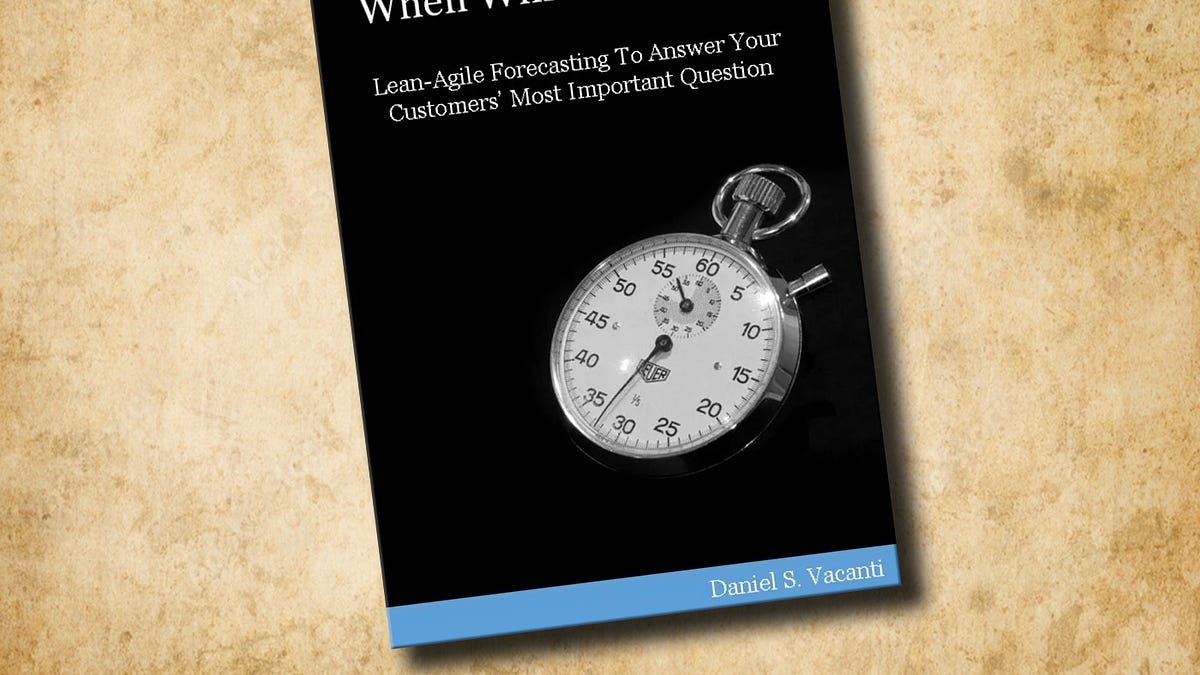
They reduce process predictability in modern project management.
Key Issue. Standard Agile practices like 'Story Points' are based on outdated methodologies that reduce predictability.
The book When Will It Be Done? by Daniel Vacanti serves as a critical guide for modernizing project management and software development through a scientific, data-driven approach to Agile forecasting. The primary thesis posits that traditional, deterministic estimation methods are outdated and ineffective, necessitating a shift toward probabilistic modeling to improve predictability and project outcomes. By moving away from subjective metrics like story points, teams can achieve greater accuracy and transparency in their delivery timelines.
The methodology centers on three foundational principles: thinking probabilistically to account for multiple potential outcomes, prioritizing short-term predictions to minimize uncertainty, and continuously reforecasting as new data becomes available. This dynamic framework is designed to replace rigid, 20th-century management practices with flow-based analytics. The content builds upon the author’s previous work regarding flow metrics, specifically aiming to bridge the gap between theoretical analytics and actionable, real-world application for developers, project managers, and executives.
Ultimately, the work advocates for a paradigm shift in how organizations perceive and implement Agile forecasting. By embracing these scientific principles, teams can move beyond vague estimations, foster better accountability, and enhance overall project predictability. The approach is presented as an essential resource for professionals across the software development industry who seek to align their delivery promises with empirical data, thereby ensuring higher levels of client satisfaction and operational efficiency.

Game Production Alchemist · 2026

Game Production Alchemist · 2026

Game Production Alchemist · 2026
Game Production Alchemist · 2026

Game Production Alchemist · 2026

Game Production Alchemist · 2026

Game Production Alchemist · 2026

Game Production Alchemist · 2026

Game Production Alchemist · 2026

Game Production Alchemist · 2026

Game Production Alchemist · 2026
Game Production Alchemist · 2026

Thomas Brush · 2026







Comments