
ArticlePush to Talk
Behind the Three-Letter Tweet That Pissed Off the Entire Games Industry
8 Aug 20251 pages~16 min full read
The emergence of AI-generated content in the gaming industry has sparked significant debate regarding the authenticity and feasibility of digital art. The central focus is a viral, five-second video clip generated via Midjourney that initially misled many viewers into believing it was a playable game. The creator of this clip, a software engineer operating under the handle "Desimulate," leveraged the intense online reaction to the post to launch a new game studio, despite the fact that the original viral imagery was entirely synthetic.
The industry response to the clip was polarized, with observers debating whether the visual style was derivative, impossible to replicate, or a new aesthetic frontier. The creator’s subsequent decision to form a studio to build a game based on the concept—while explicitly committing to a development workflow that excludes AI tools—highlights a unique approach to market validation. By using AI to generate high-engagement visual concepts, the developer effectively crowdsourced interest and demand before beginning actual production.
The methodology behind the viral clip involved extensive A/B testing of over 15,000 prompts and the mining of 5,000 custom style reference (SREF) codes within Midjourney. While the creator acknowledges that current AI tools lack the technical performance required for complex 3D game development, the project serves as a case study in using synthetic media as a marketing engine. The developer’s transition from an AI enthusiast to a traditional game developer underscores a growing trend where creators leverage viral social media traction to secure community interest and build momentum for independent projects.

Push to Talk · 2026
Push to Talk · 2026
Push to Talk · 2026

Push to Talk · 2025
Push to Talk · 2025
Push to Talk · 2025

Push to Talk · 2025
Push to Talk · 2025
Push to Talk · 2025

Push to Talk · 2025

Push to Talk · 2025

Push to Talk · 2025
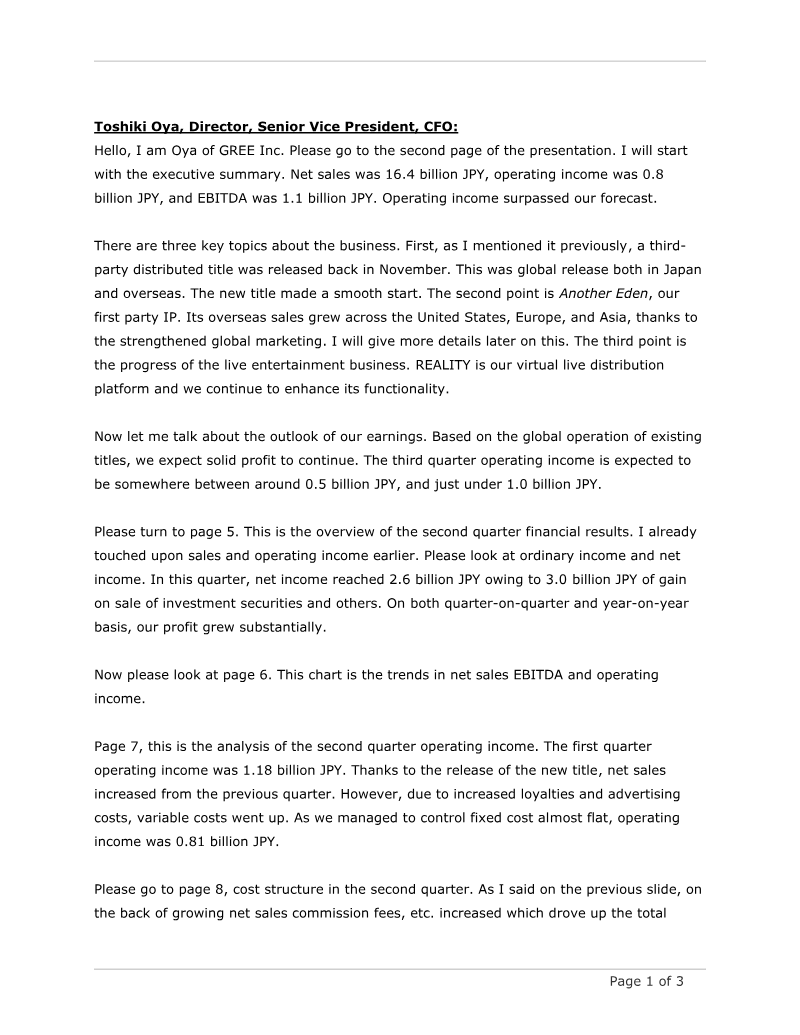
GREE

Koei Tecmo
IGN Entertainment · 2026

Almedia · 2026
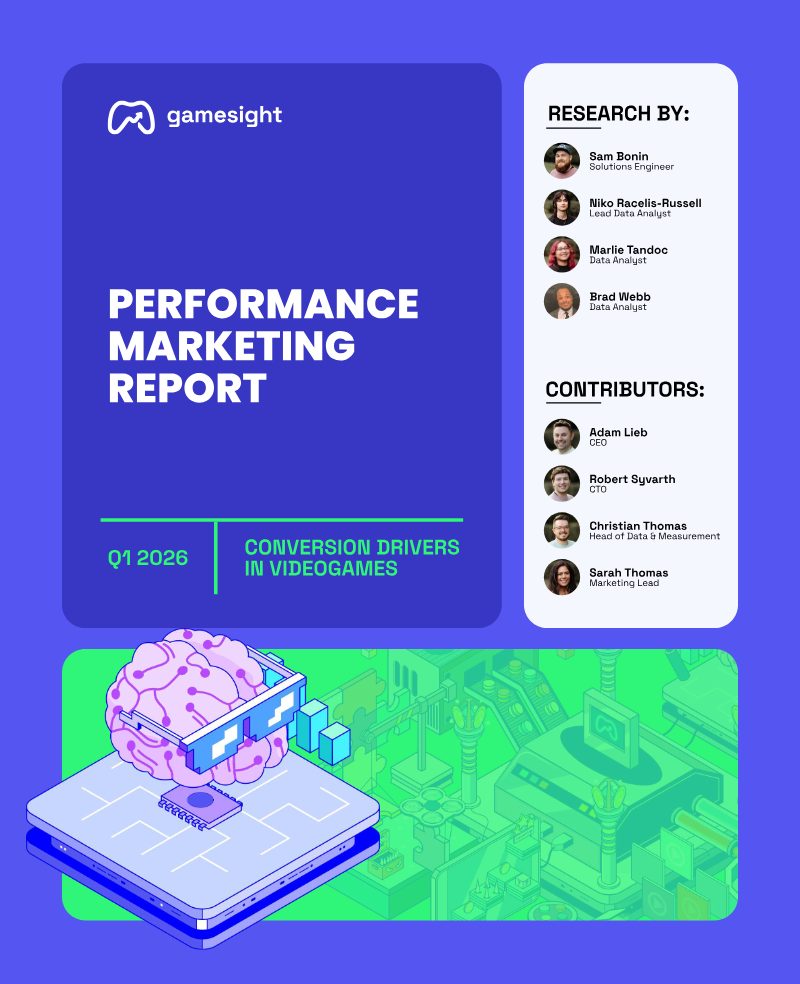
Gamesight · 2026
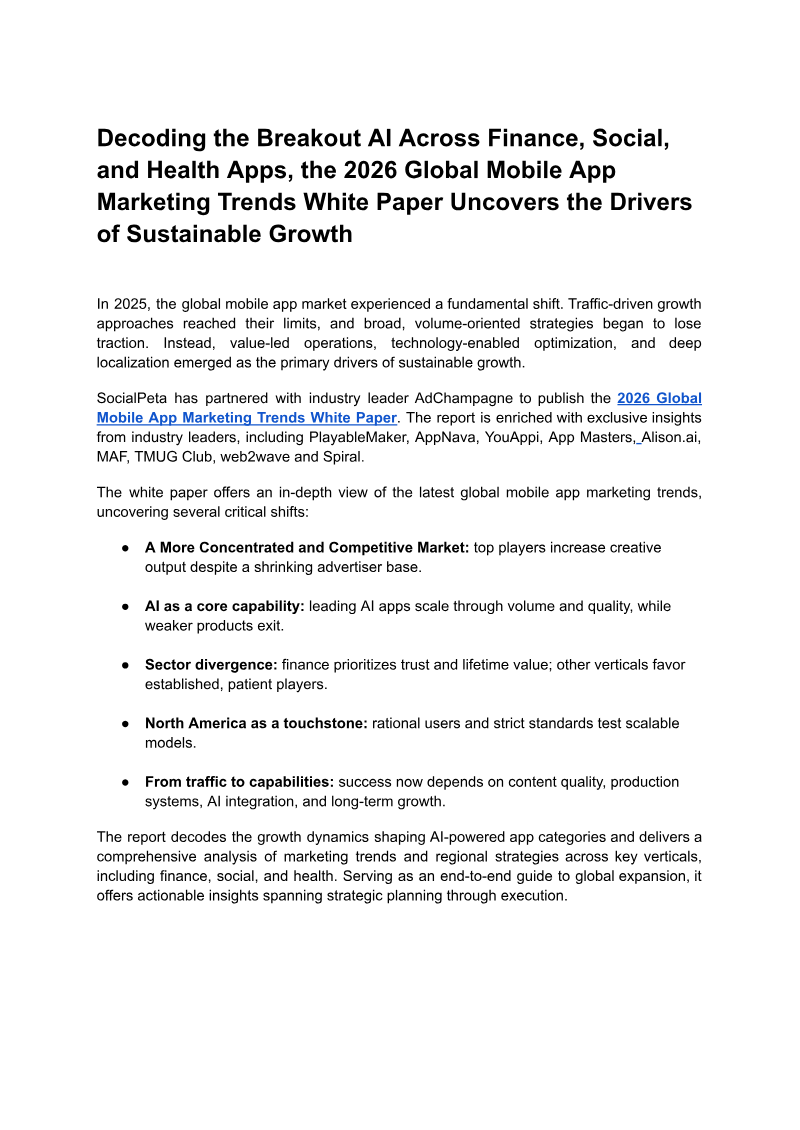
SocialPeta · 2026

SocialPeta · 2026
Anzu · 2026
Everplay Group · 2026

Raptive · 2026
Capcom · 2026
Square Enix · 2026