Key insights
5 slides
Core mechanic
Balatro withholds score previews to preserve slot-machine suspense.
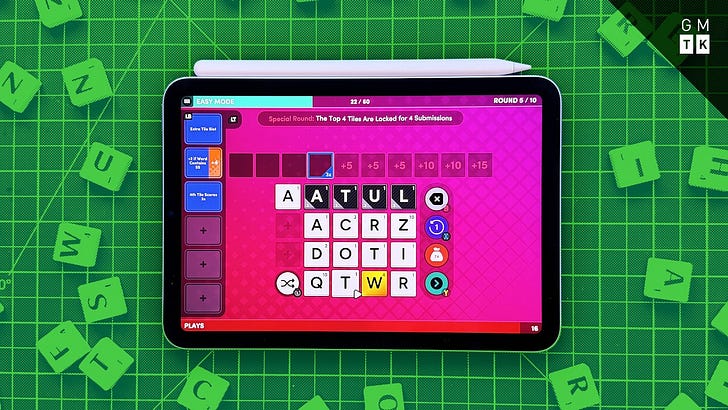
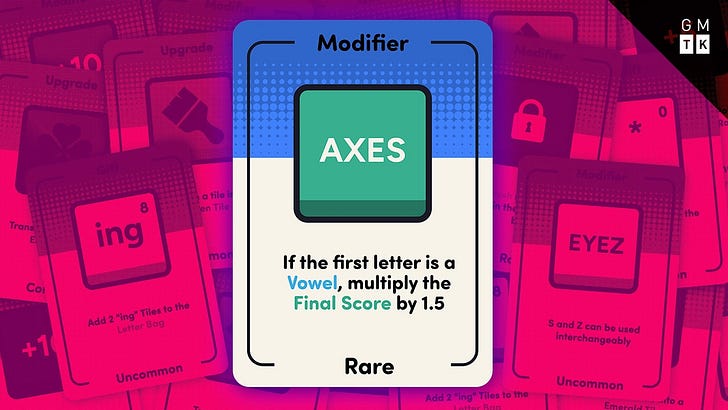
The game builds complex scoring engines through poker hands and modifiers. It deliberately withholds a score preview before a player commits to a hand.
Intended vibe. Balatro withholds score previews to maintain a slot-machine-like atmosphere.
The workaround
Dedicated players use external calculators to bypass the intended experience.
They use calculators or spreadsheets to determine outcomes.
Similar case
The Binding of Isaac shows a similar reliance on external wikis.
Players frequently rely on external wikis to decipher cryptic item mechanics. The lack of transparency forces a segment of the audience to engage in tedious busywork.
Developer hesitation
Developers fear transparency will dilute the game's core appeal.
The developer remains hesitant to implement an official score preview. The fear is that transparency will dilute the game's core appeal for casual players.
Reconciliation options
Optional previews or late-game unlocks could reconcile conflicting playstyles.
Potential solutions include offering the score preview as a late-game unlock. Developers could also implement it as an optional feature with clear disclaimers or embrace community-driven modifications.
Balance. Developers can balance intended vibe with the practical needs of invested players.
1 / 5
Ask AI about this report