Games and companies in this document
Connections
Each row is a game or company this document names, each column a document, oldest first. A mark means that document names it. Select a row to see those documents.
More from New York University
View allArticle
Piecing it Together: Creative Trends Shaping Puzzle Games in 2025
Sensor Tower · 2025
Financial report
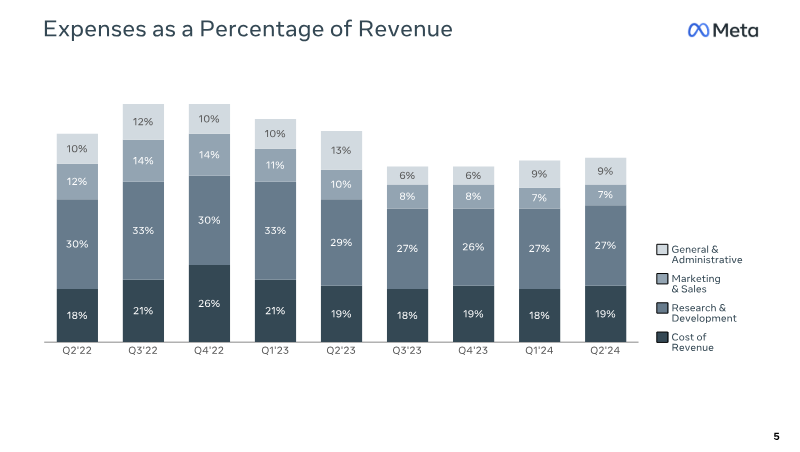
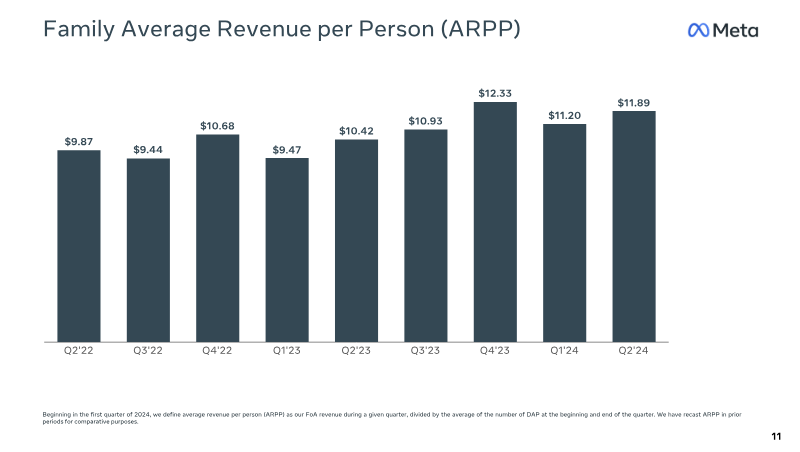
Meta Q2 2024 Earnings Presentation
Meta · 2024
Whitepaper
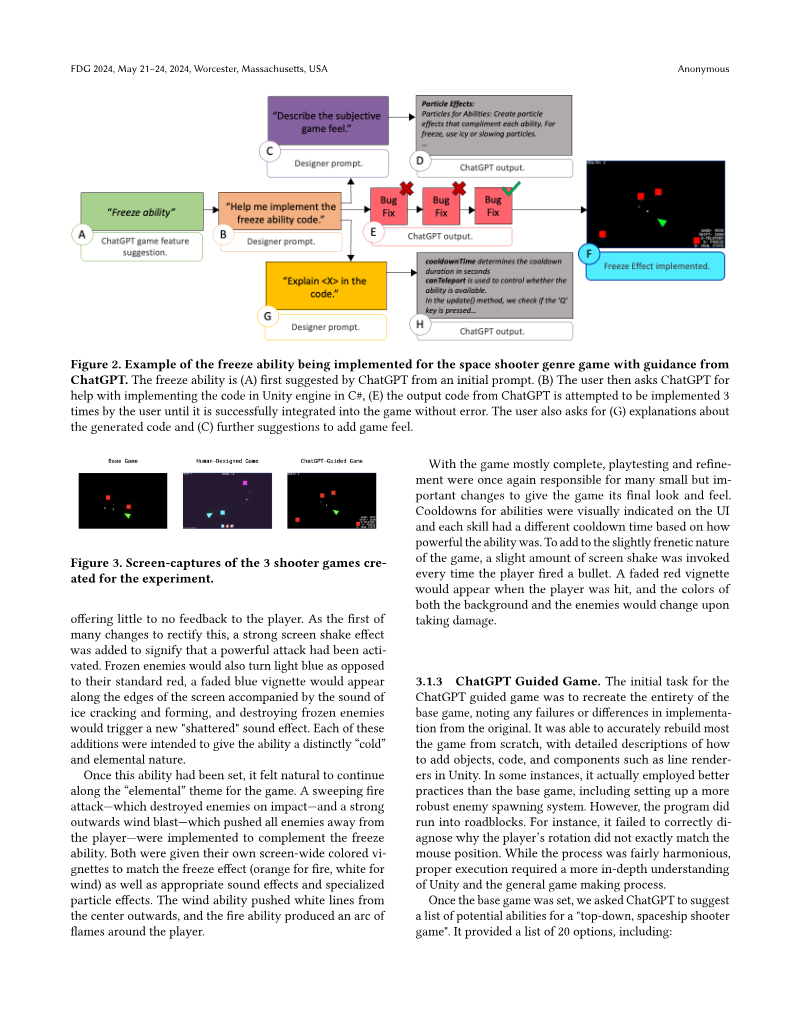
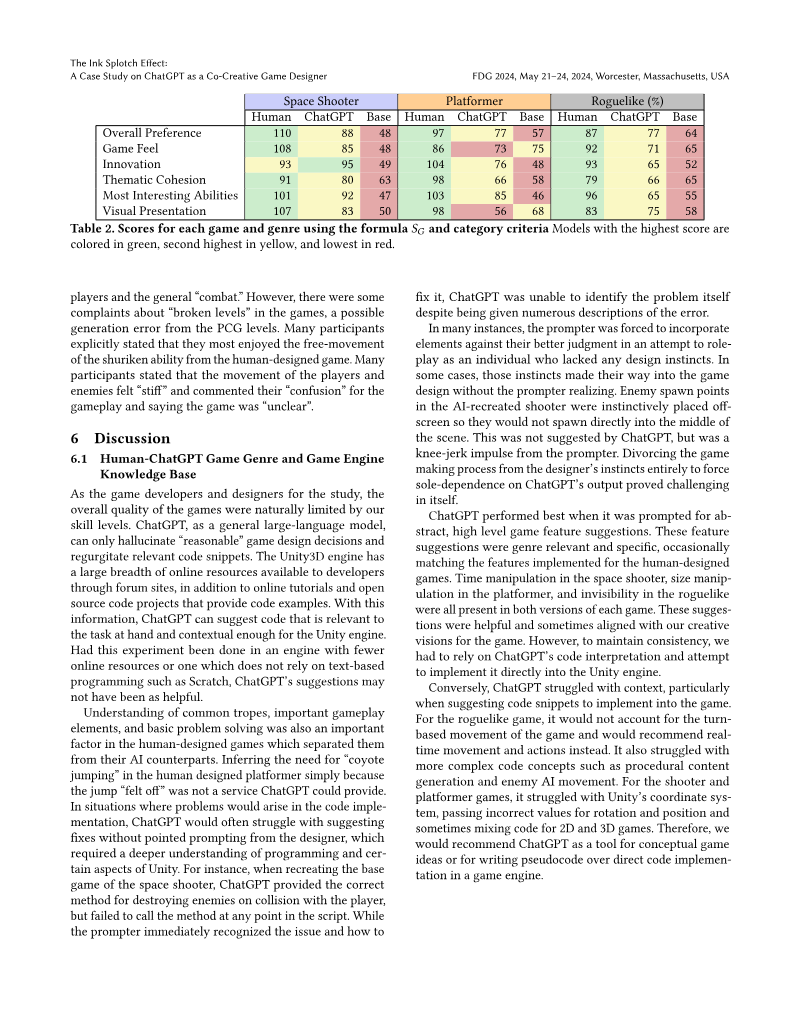
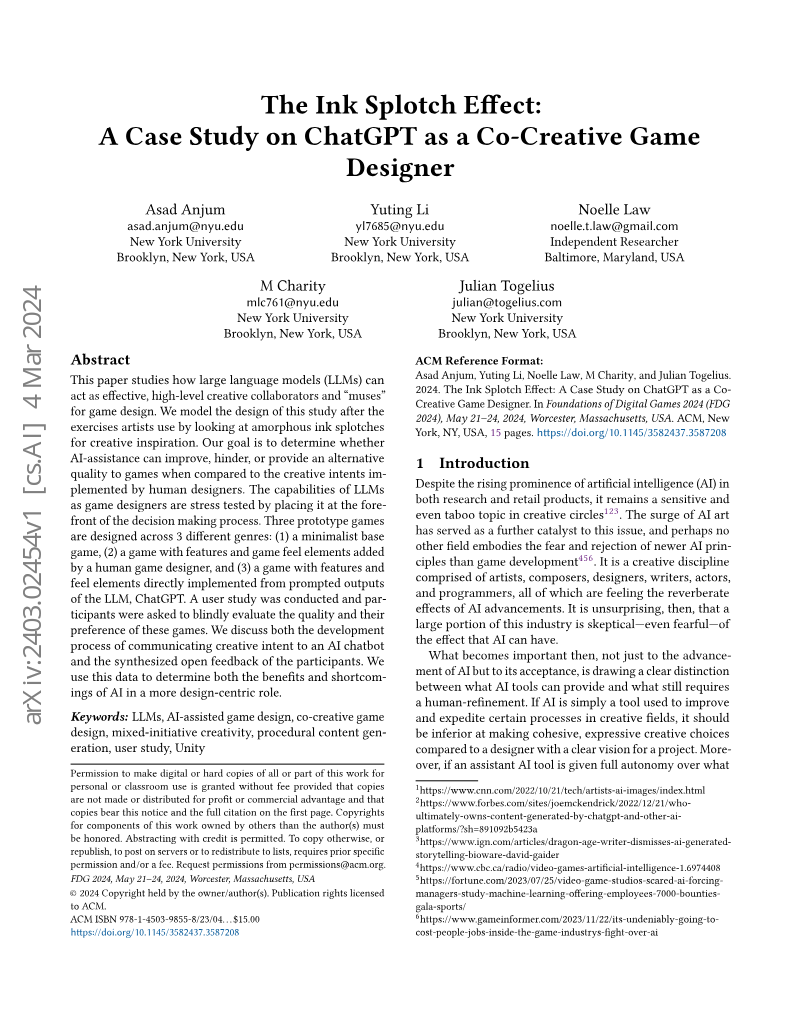
The Ink Splotch Effect: A Case Study on ChatGPT as a Co-Creative Game Designer
New York University · 2024
Whitepaper
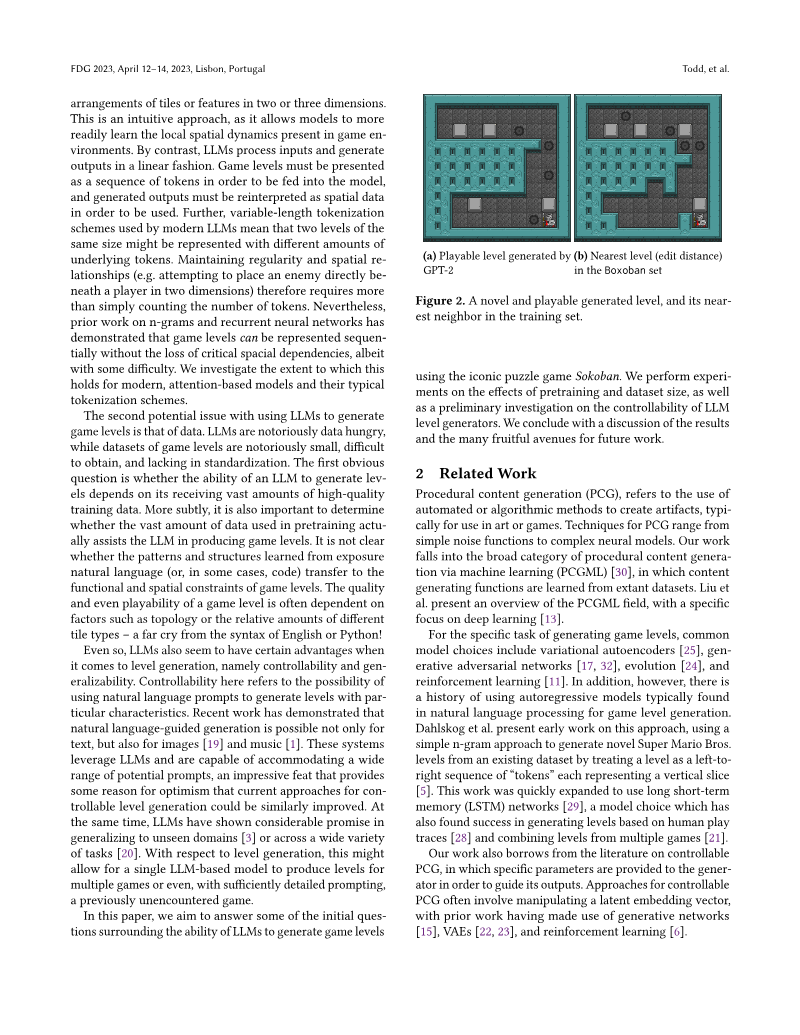
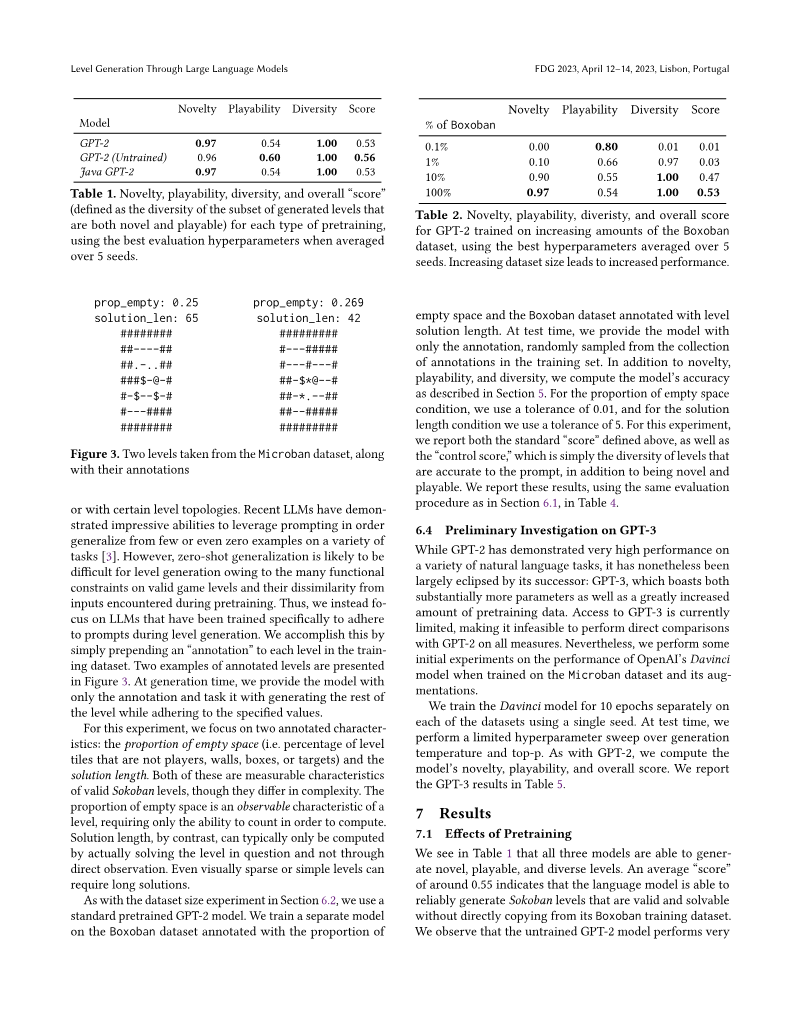
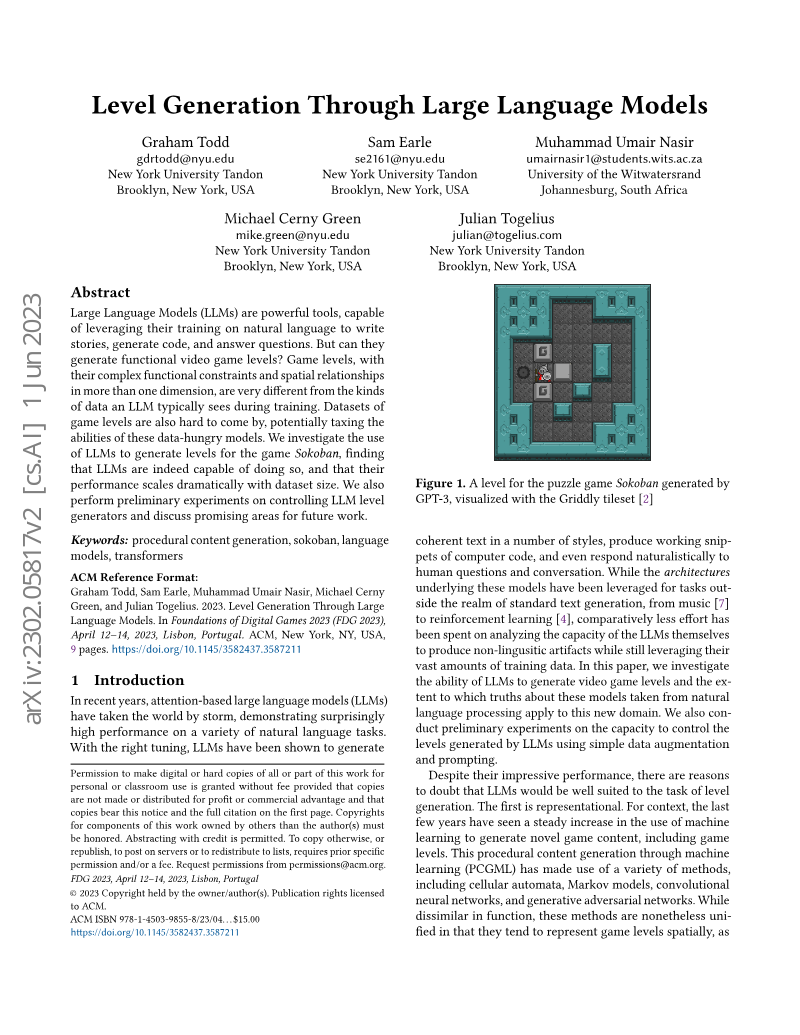
Level Generation Through Large Language Models
New York University · 2023

Whitepaper
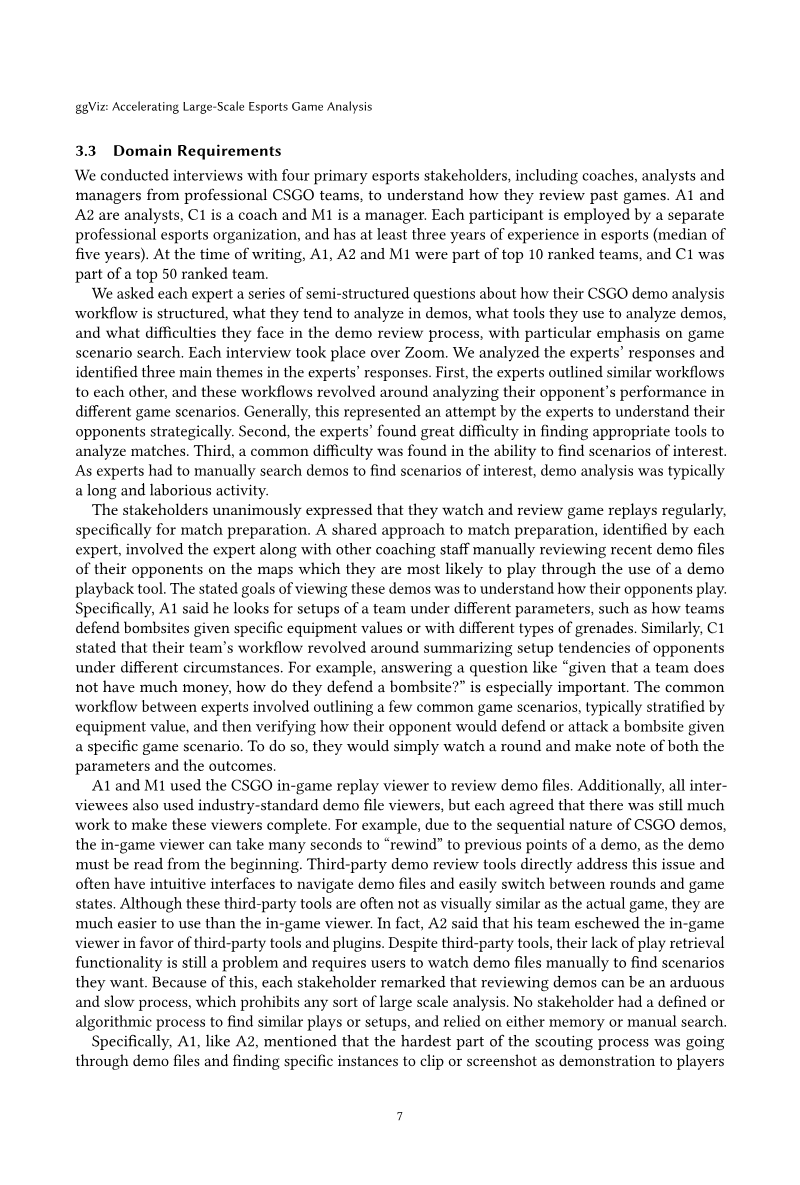
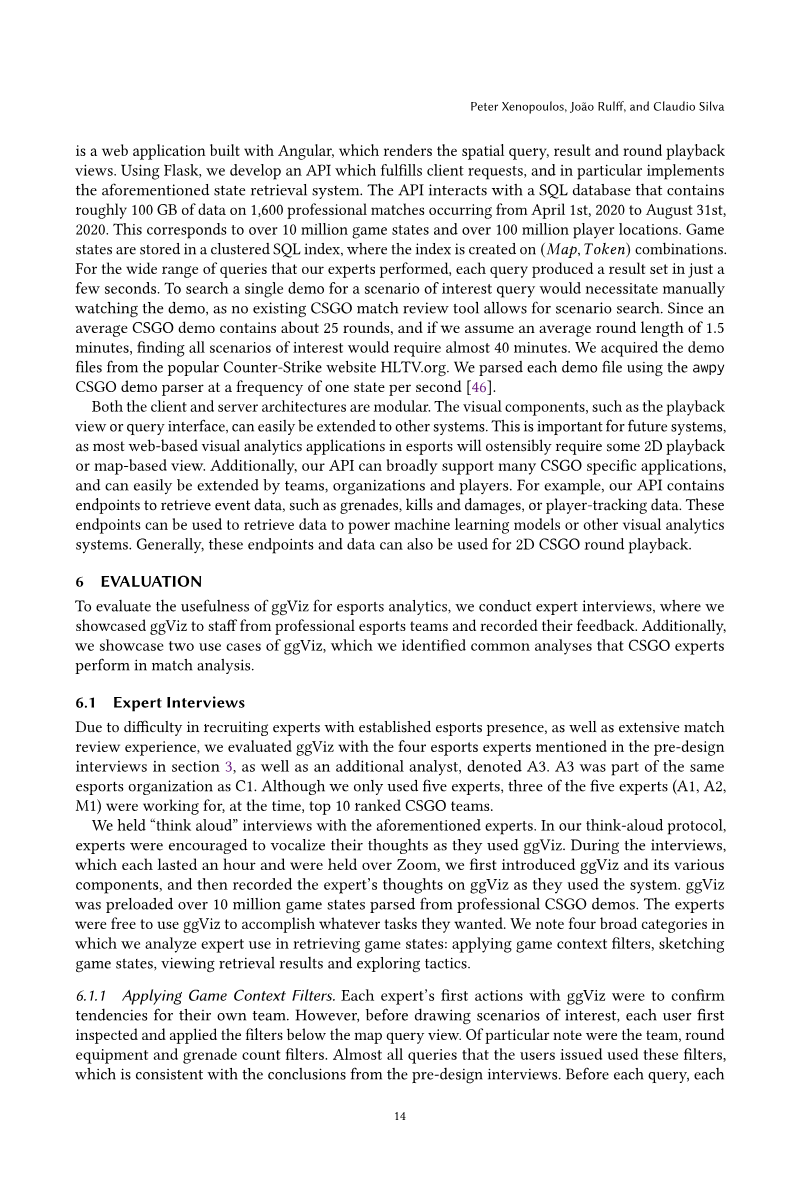
ggViz: Accelerating Large-Scale Esports Game Analysis
New York University · 2022
Financial report
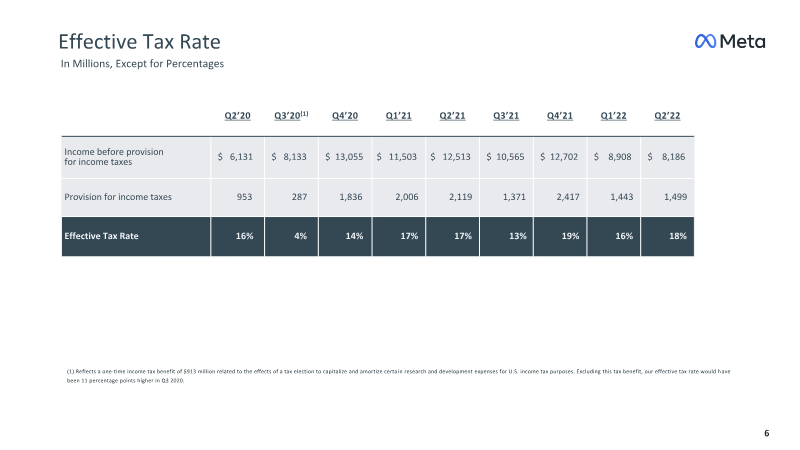
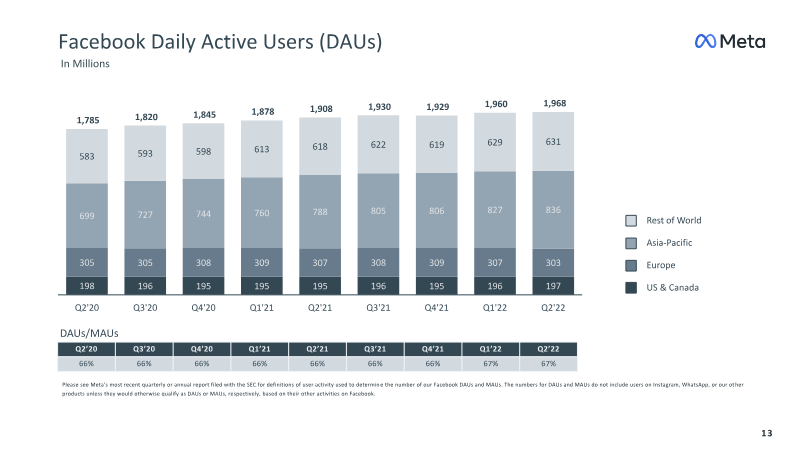
Meta Earnings Presentation: Q2 2022
Meta · 2022
Financial report
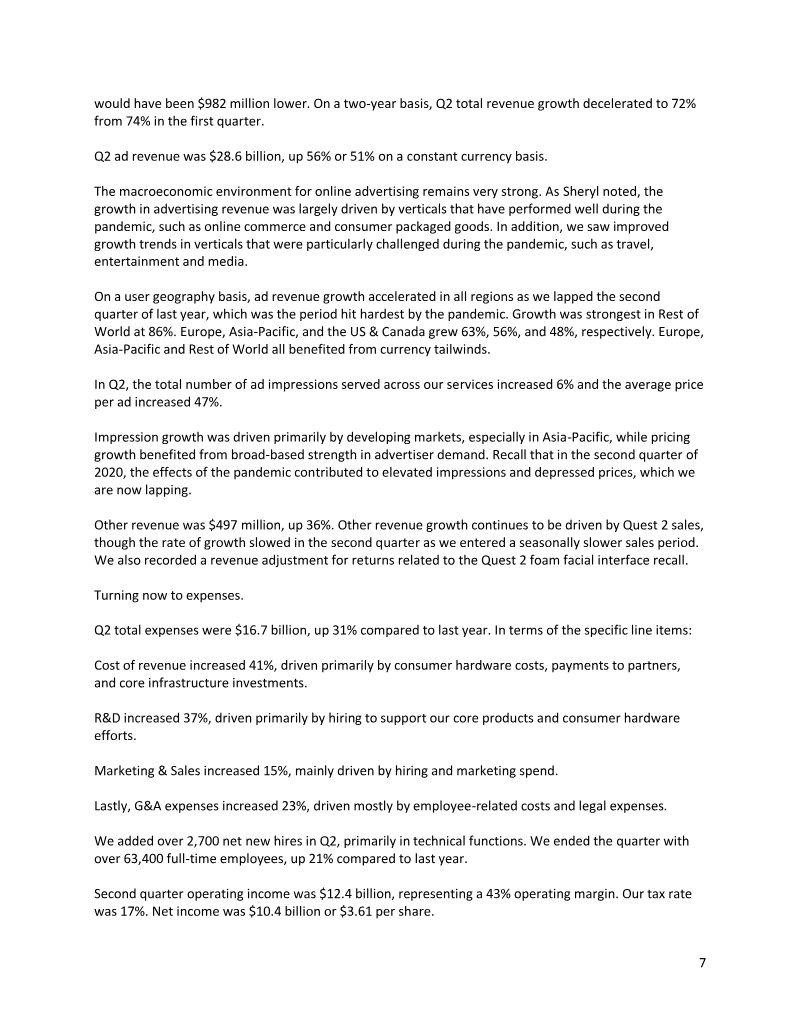
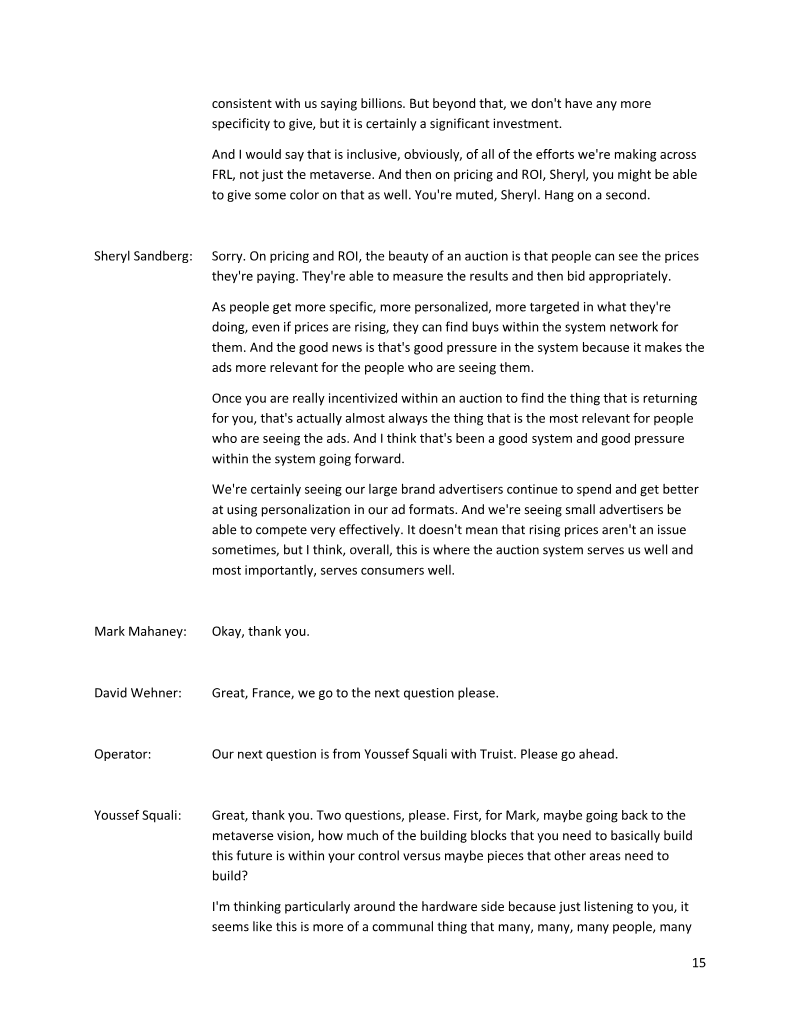
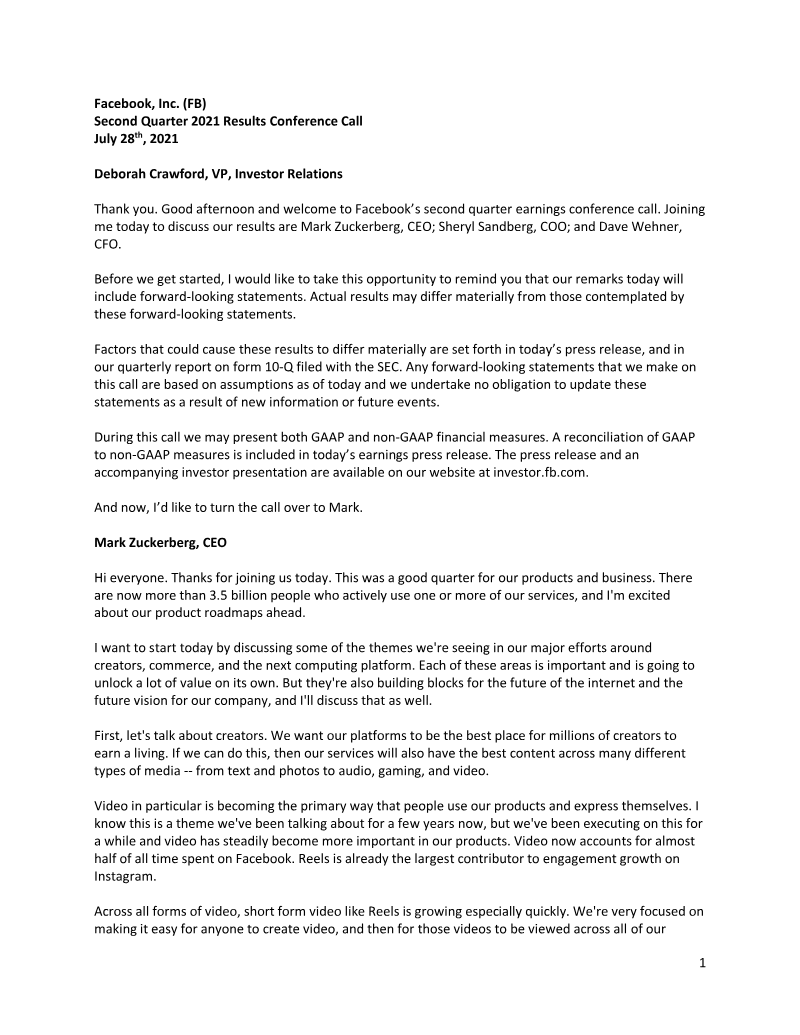
Facebook Q2 2021 Results Conference Call
Meta · 2022
Financial report
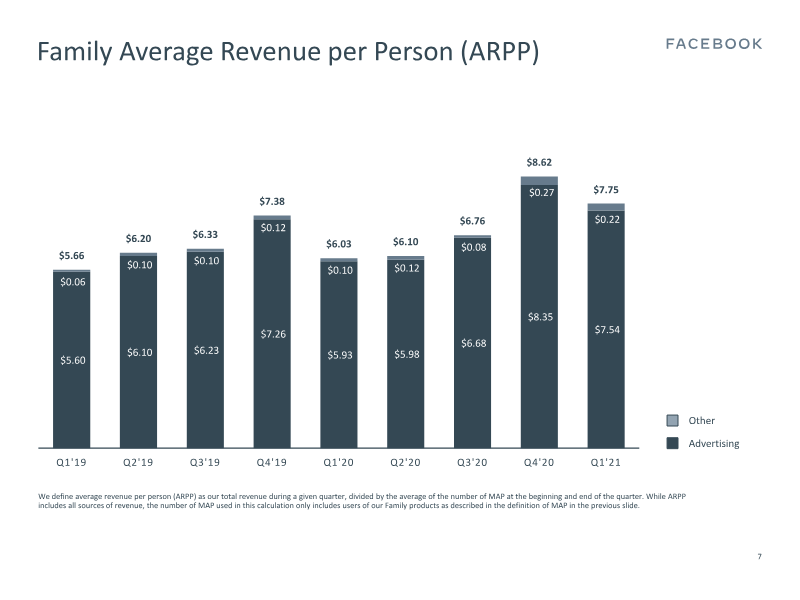
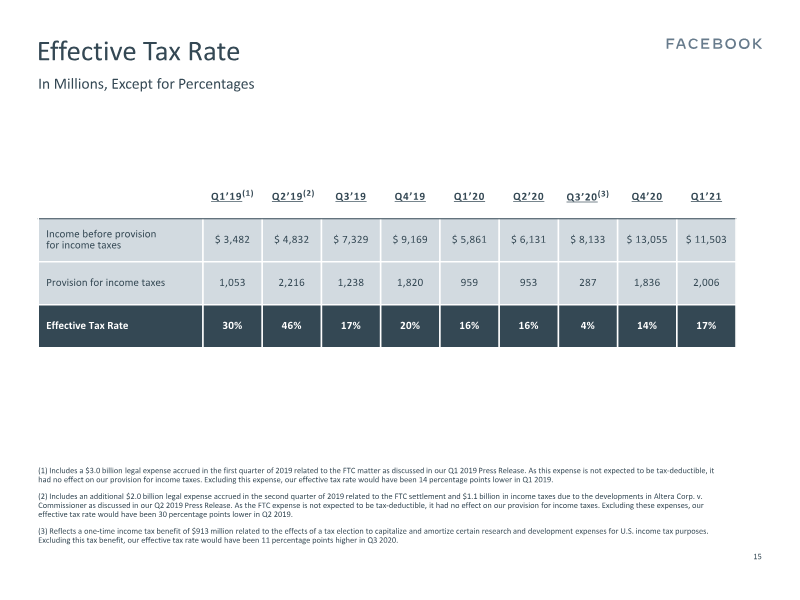
Facebook Earnings Presentation: Q1 2021
Meta · 2021
Report
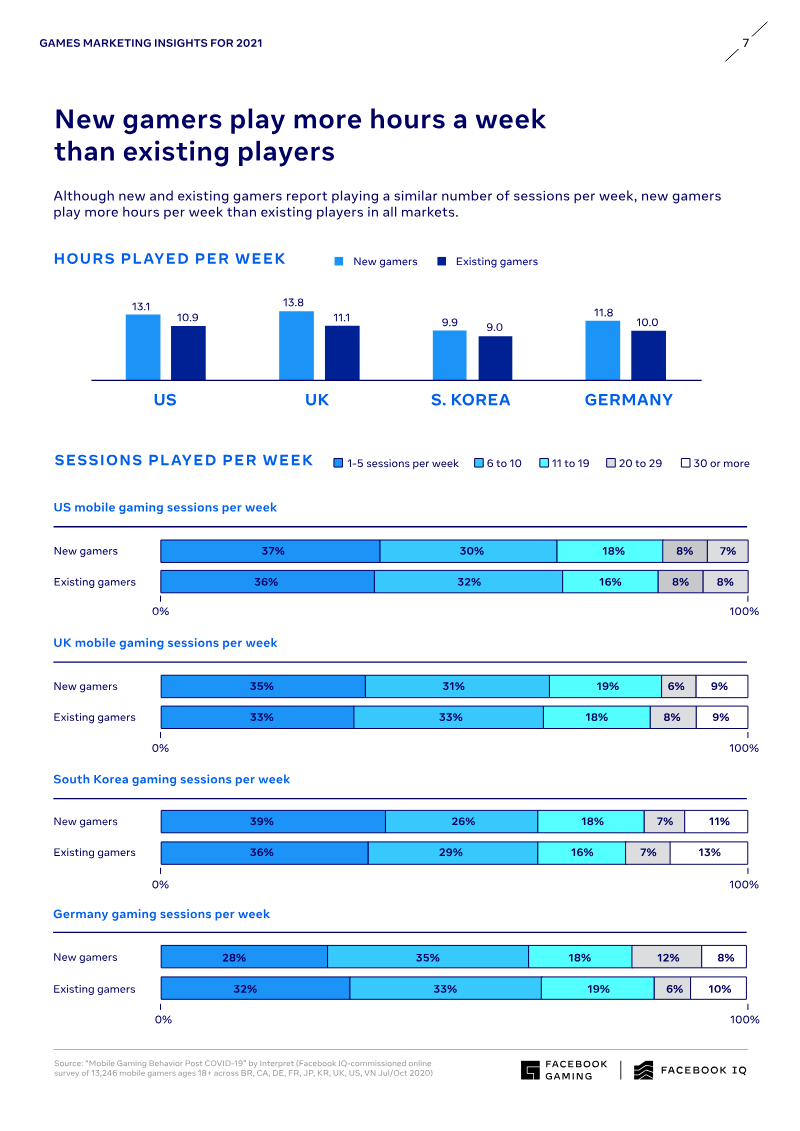
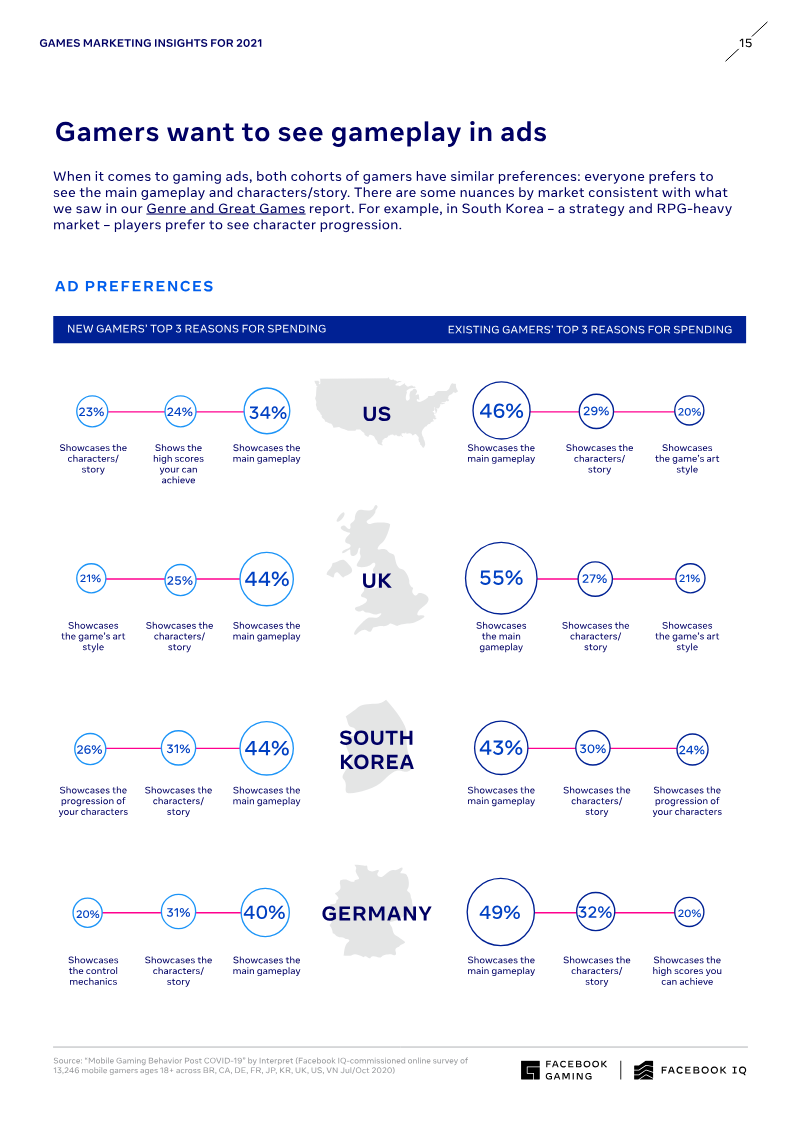
Games Marketing Insights 2021
Meta · 2021
Article
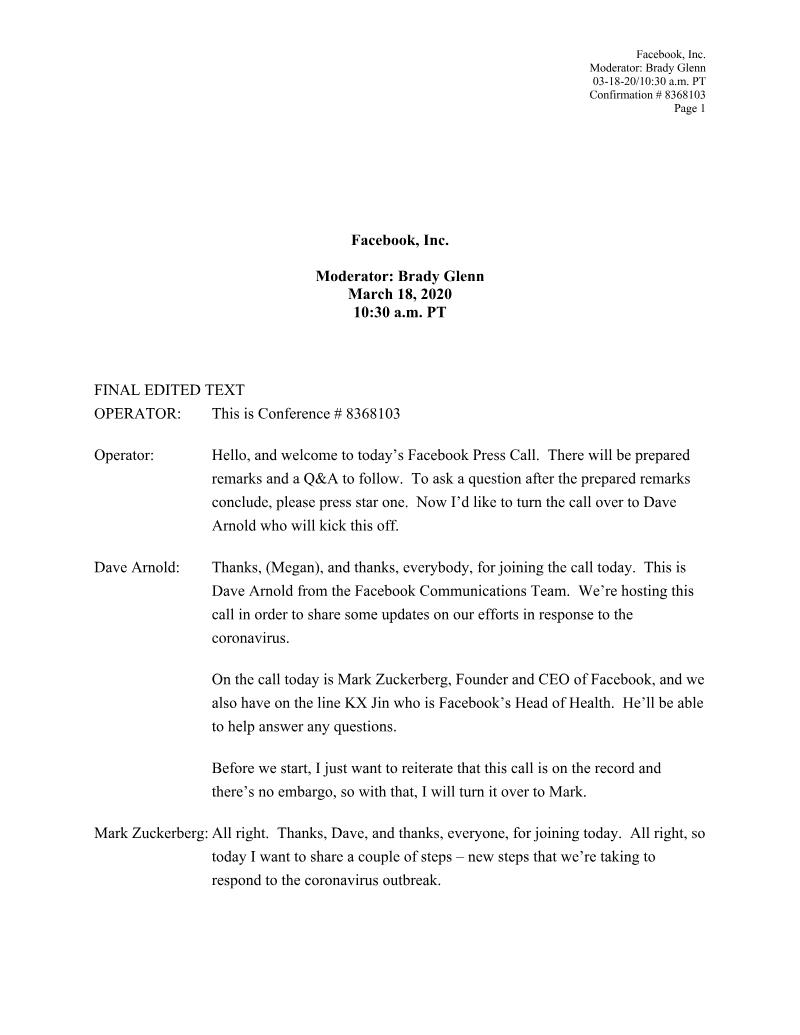
Facebook Press Call: March 18, 2020
Meta · 2020
Article
Global Trends in the Video Games Market
Meta · 2019
Financial report
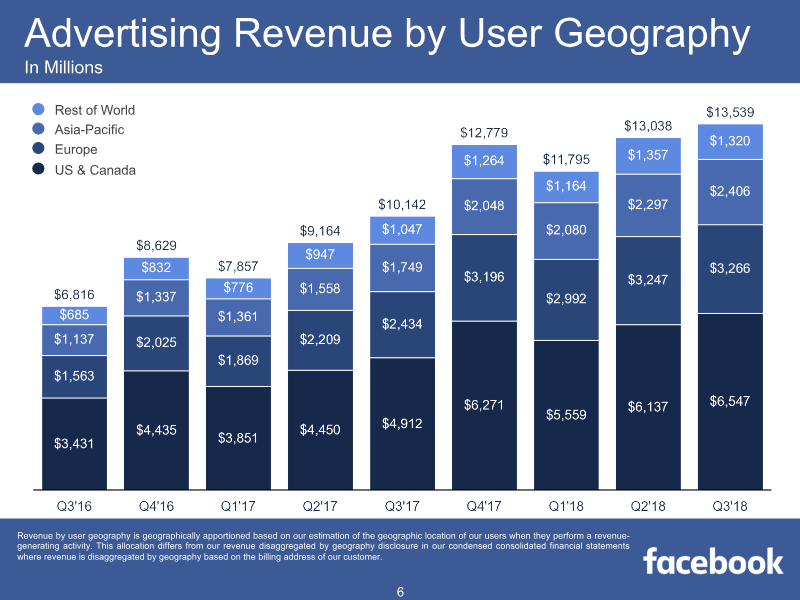
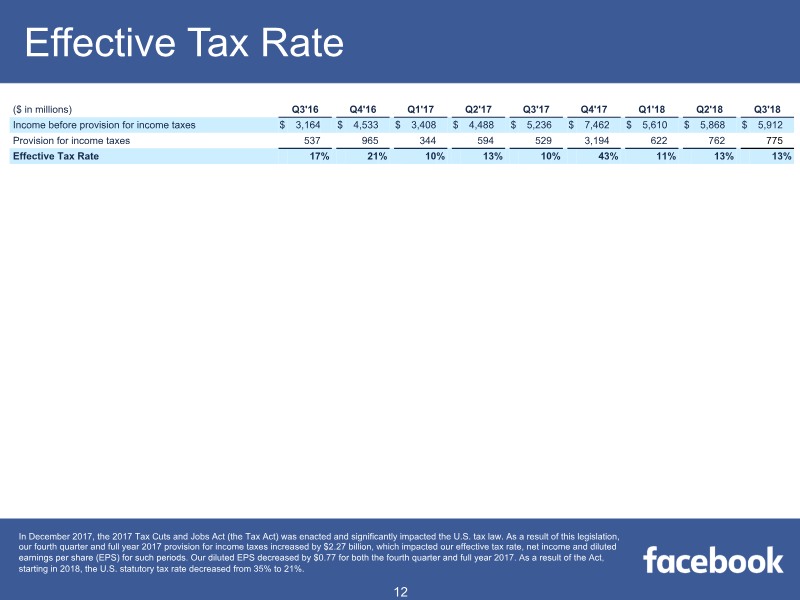
Facebook Q3 2018 Results
Meta · 2019