1 free read left. Create a free account for unlimited reading + AI research.
Create free accountWhitepaper DiGRA
1 free read left. Create a free account for unlimited reading + AI research.
Create free accountWhitepaperDiGRA
The paper challenges the view that moral engagement in single-player games depends on genuinely resolvable, equally weighted choices. Fallout 3's 'Oasis' quest is cited as the prevailing ideal.
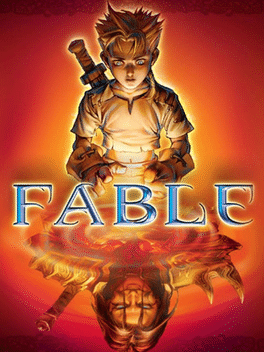
Deslongchamps-Gagnon's paper challenges a prevailing assumption in game studies: that moral engagement in single-player games depends on "true" moral dilemmas, scenarios with genuinely resolvable and equally weighted choices. This view, which treats dilemmas such as Fallout 3's "Oasis" quest as the ideal, is contrasted with the criticism of Fable-style reward-driven morality as trivializing ethics, and with BioShock's Little Sisters, which critics have labeled a "moral temptation" rather than a real dilemma. The central tension the paper addresses is that games like Papers, Please and The Walking Dead use false, biased, or irresolvable dilemmas yet are still widely praised for their moral engagement.
The author argues that the requirement for true dilemmas is mistaken. Drawing on The Walking Dead, with its irresolvable choices, and Papers, Please, where instrumental stakes and emotional concern drive engagement, the paper contends that virtue ethics better explains these games' effectiveness. Virtue ethics emphasizes cultivating character and emotional dispositions under difficult circumstances, and on this account, moral growth arises from players being personally invested in situations with real instrumental consequences rather than from detached, hypothetical puzzles.
The concluding section extends this premise by holding that a player's emotional response is as central to moral development as intellectual reasoning, since emotionally charged scenarios engage the player's sense of self and ethical character. From this, the paper concludes that false moral dilemmas, which feel ethically weighty yet lack clear right answers or fully realized consequences, are particularly suited to game design. The work is grounded in moral philosophy, virtue ethics, emotion theory, and game studies, and it offers a theoretical rather than empirical argument, presenting no original data in support of its claims.
DiGRA · 2026
gamevironments · 2022