Key insights
6 slides
Key number
Legacy games absorb 61% of total playtime.
Consumer attention is increasingly dominated by legacy titles. New releases have little room to gain traction.
Legacy share. 61% of total playtime in 2024 is dedicated to games released more than six years ago.
The remaining slice
Most new releases compete for 4.5% of gaming hours.
Excluding annualized franchises and top-tier megahits, all other new releases compete for only 4.5% of total gaming hours. This includes the 14,000+ games launched on Steam in 2023.
Commercial reality
Acclaimed indies struggle to achieve commercial viability.
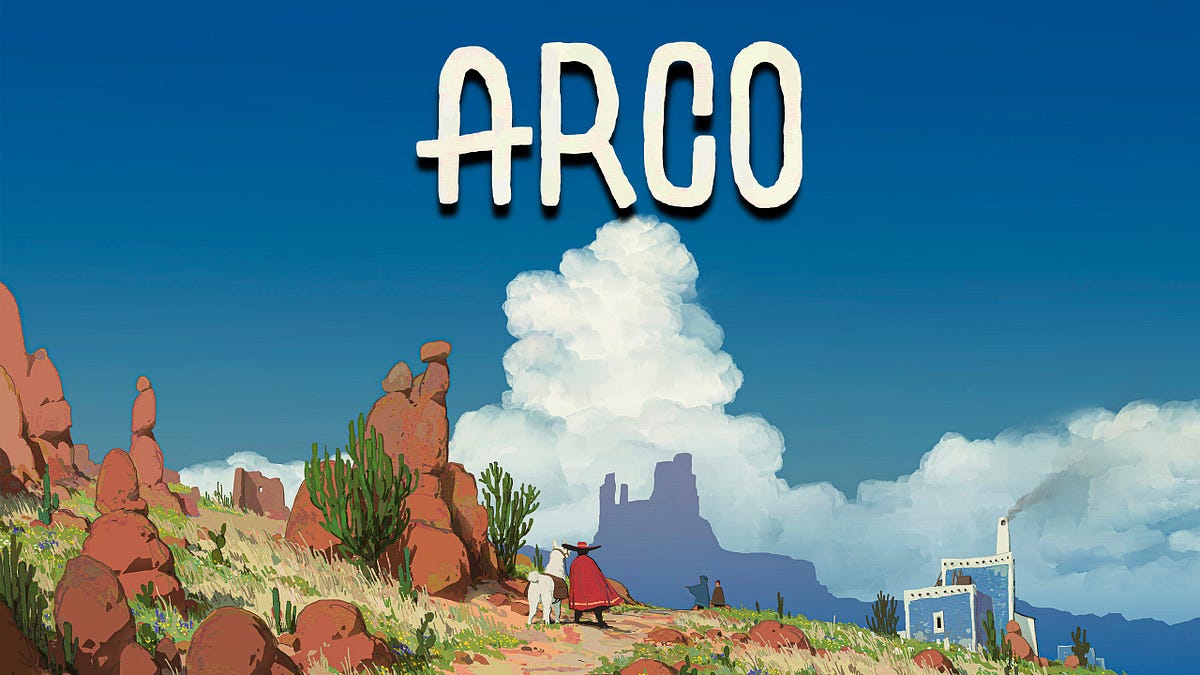
Even critically acclaimed indie projects, such as the tactics RPG Arco, struggle to achieve commercial viability despite high user ratings.
Indie challenge. Even critically acclaimed indie projects face significant commercial viability challenges in the current landscape, regardless of high user ratings or publisher support.
Market concentration
Attention is skewed toward established IP and live services.
The gaming market is increasingly concentrated, with consumer attention heavily skewed toward established intellectual property and long-running live-service games. The market currently favors established intellectual property and long-running live-service games.
Distribution friction
Content saturation makes visibility difficult for new projects.
Lower barriers to entry and a lack of centralized media outlets have led to content saturation and audience fragmentation. Traditional marketing and distribution strategies are becoming less effective.
The transition
The industry is in a period of transition.
Traditional marketing and distribution strategies are becoming less effective. The market is currently favoring established intellectual property and long-running live-service games, creating a challenging landscape for new, original, or independent creative works.
1 / 6
Ask AI about this report