1 free read left. Create a free account for unlimited reading + AI research.
Create free accountArticle Thompson River University
1 free read left. Create a free account for unlimited reading + AI research.
Create free accountArticleThompson River University
The paper says the mukokuseki framework overemphasizes commercial considerations and treats Western cultural tropes as neutral and unmarked.
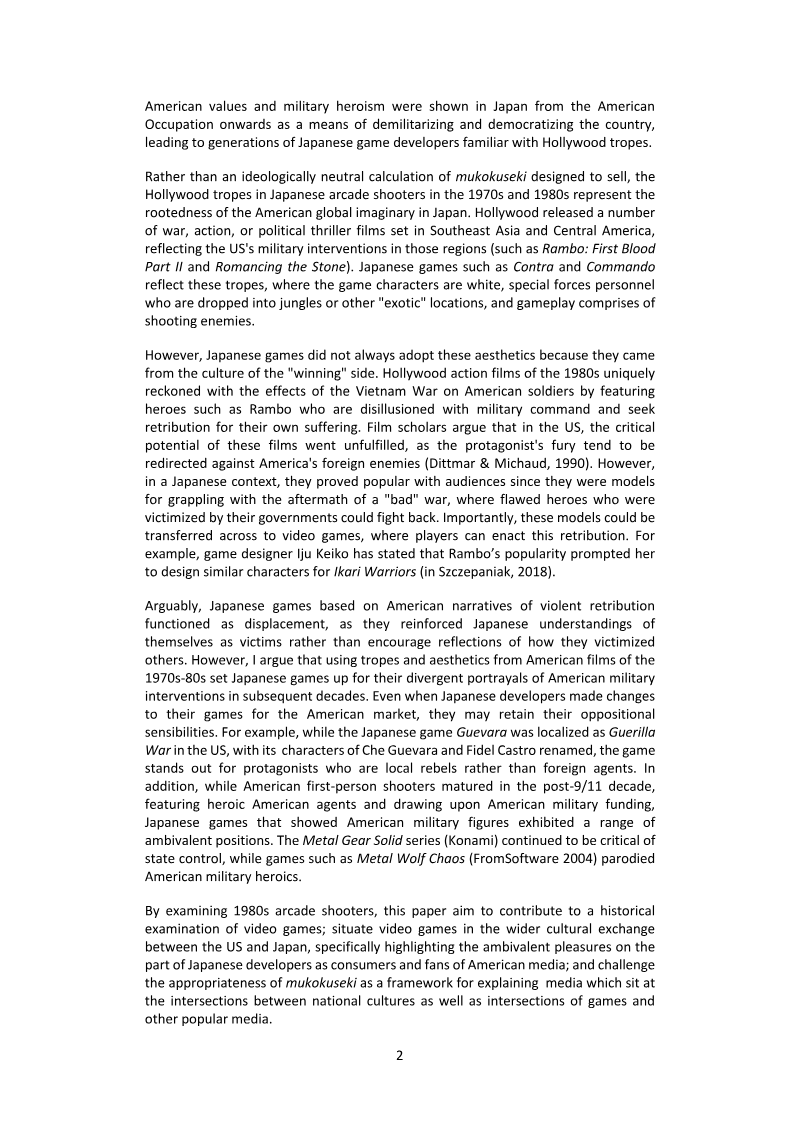
This analysis argues that early Japanese arcade shooters from the 1970s and 1980s, featuring human protagonists and settings like jungles, engaged in a dialogue with American Cold War-era social imaginaries and Hollywood militarism, rather than solely reflecting financial motivations for international market appeal (mukokuseki). The paper examines games such as Front Line (Taito 1982), Commando (Capcom 1985), Ikari Warriors (SNK 1986), Contra (Konami 1987), and Metal Gear (Konami 1987), alongside marketing materials, developer interviews, and online fandoms.
Japanese developers, familiar with Hollywood tropes due to the post-WWII American Occupation, incorporated aesthetics from films like Rambo: First Blood Part II. These games often depicted white, special forces personnel in "exotic" locations. However, the adoption of these aesthetics was not merely an embrace of the "winning" side's culture. Hollywood action films of the 1980s, particularly those featuring disillusioned heroes like Rambo, resonated with Japanese audiences as models for grappling with the aftermath of a "bad" war, allowing players to enact retribution against flawed governments.
This engagement with American narratives of violent retribution, while potentially reinforcing a Japanese self-perception as victims, also laid the groundwork for divergent portrayals of American military interventions in later Japanese games. For instance, Guerilla War (SNK 1987) featured local rebels as protagonists, and subsequent series like Metal Gear Solid (Konami) maintained a critical stance on state control, while Metal Wolf Chaos (FromSoftware 2004) parodied American military heroics. The analysis contributes to understanding video games within the broader US-Japan cultural exchange, highlighting the ambivalent reception of American media by Japanese developers and challenging the limitations of the mukokuseki framework.
 CapcomCompany · Japan · founded 1979 · 286 documents
 SNK CorporationCompany · Japan · founded 1978 · 30 documents
 KonamiCompany · Japan · founded 1969 · 138 documents
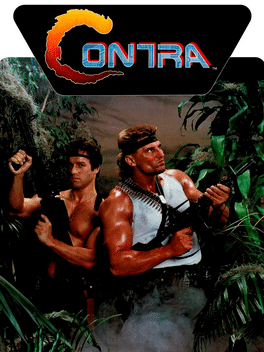 ContraGame · Konami · 1987 · 3 documents
 Metal GearGame · Konami · 1987 · 63 documents
 FromSoftwareCompany · Japan · founded 1986 · 83 documents
 Metal Gear SolidGame · Konami Computer Entertainment Japan · 1998 · 56 documents
Each row is a game or company this document names, each column a document, oldest first. A mark means that document names it. Select a row to see those documents.
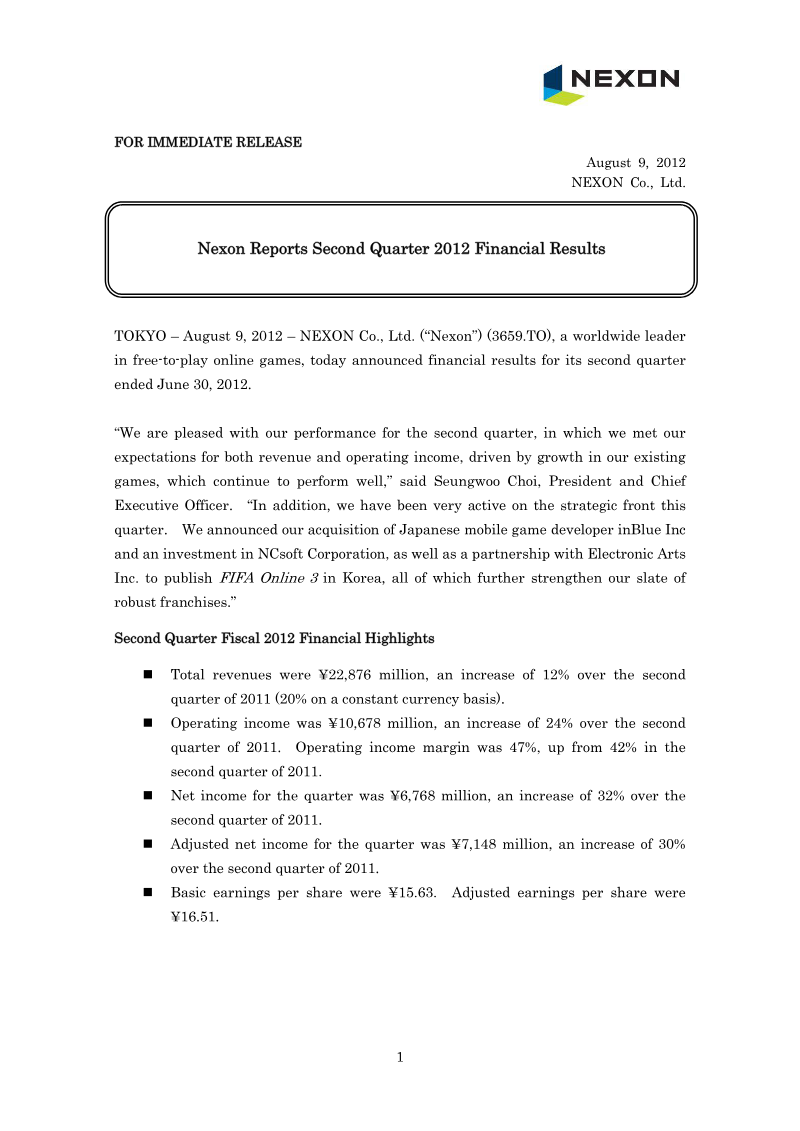
NEXON Co. · 2012