Key insights
7 slides
The dilemma
UK games industry avoids public opposition to AI copyright proposals.
The industry remains silent on government plans allowing AI models to scrape copyrighted content under an opt-out framework.
The campaign
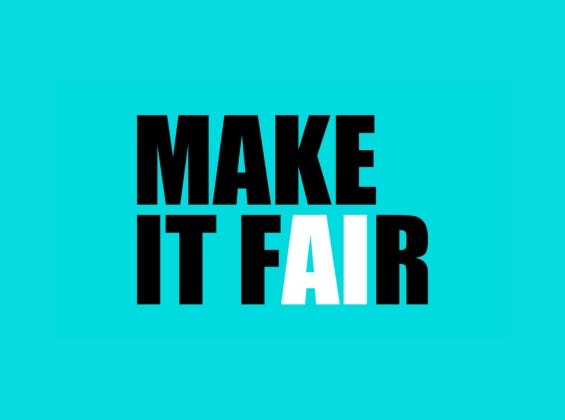
The games industry is absent from the 'Make It Fair' campaign.
The broader creative sector has launched the 'Make It Fair' campaign to oppose government plans.
The burden
Proposed opt-out framework places an unreasonable burden on developers.
Government proposals favor an opt-out framework for AI data scraping. Industry experts argue this creates an unreasonable burden on developers to protect their intellectual property.
The skepticism
Developers are skeptical of generative AI's current utility in production.
Many within the games sector are skeptical of the current utility of generative AI. It often fails to integrate effectively into production pipelines and lacks the precision required for high-quality game development.
The strategy
Industry can influence policy through private lobbying and technical expertise.
Rather than public advocacy, the industry is positioned to influence policy through private lobbying. It can provide technical evidence on the limitations of current generative AI models to policymakers.
The goal
Sector aims to steer policy toward an opt-in framework.
The sector aims to steer government policy toward an 'opt-in' framework. It intends to do this by demonstrating the viability of private, copyright-respecting AI models to policymakers.
The tension
Industry must navigate tension between creative role and tech entanglement.
The industry must navigate the tension between its role as a creative powerhouse and its entanglement with global tech giants.
1 / 7
Ask AI about this report