1 free read left. Create a free account for unlimited reading + AI research.
Create free accountArticle DiGRA
1 free read left. Create a free account for unlimited reading + AI research.
Create free accountArticleDiGRA
The paper traces the Affinity Mechanism, a numerical relationship system, from Japanese dating sims into emotionally interactive AI products.
The document analyzes the historical development and migration of the Affinity Mechanism from video games to emotionally interactive AI products, concluding that its application in AI is largely invalid due to fundamental shifts in design goals and technological capabilities. The study employs Game Mechanism Archaeology to trace the mechanism's evolution through three stages: the Nascent Period (1983-1987), originating in Japanese adult games like Love Adventure and Yellow Lemon; the Formative Period (1987-1995), solidified in dating simulations such as Tokimeki Memorial; and the Generalization Period (1995-present), where it expanded across various game genres, exemplified by Final Fantasy VII.
Initially, the Affinity System served three primary design objectives in games: providing quantifiable progress criteria beyond text, transforming narrative aesthetics into numerical gameplay objectives to enhance "gameplay," and acting as a simplified model for character relationships due to technological constraints. However, in emotionally interactive AI products like Awen from EVE and Ani from Grok, the concept of a "game clearance" ending is absent, rendering traditional progression obsolete. Furthermore, the AI context prioritizes natural emotional experiences, which conflicts with the strategic gameplay inherent in the Affinity Mechanism. The original technological limitations that necessitated the simplified relationship model have also been overcome by advancements in AI, particularly Large Language Models.
Consequently, the direct transfer of the Affinity Mechanism to emotionally interactive AI products is deemed ineffective. The analysis suggests that AI product design should instead be grounded in the functional boundaries of LLMs and actual user needs, advocating for a critical evaluation of mechanism migration to foster solutions with greater humanistic care. The research was conducted by Song Han of Hubei Kuanglingling Network Technology Co., Ltd.
Each row is a game or company this document names, each column a document, oldest first. A mark means that document names it. Select a row to see those documents.
DiGRA · 2026

PocketGamer.biz · 2026
DiGRA · 2026
DiGRA · 2026

Naavik · 2024
DiGRA · 2024
DiGRA · 2024
PocketGamer.biz · 2023
Naavik · 2023
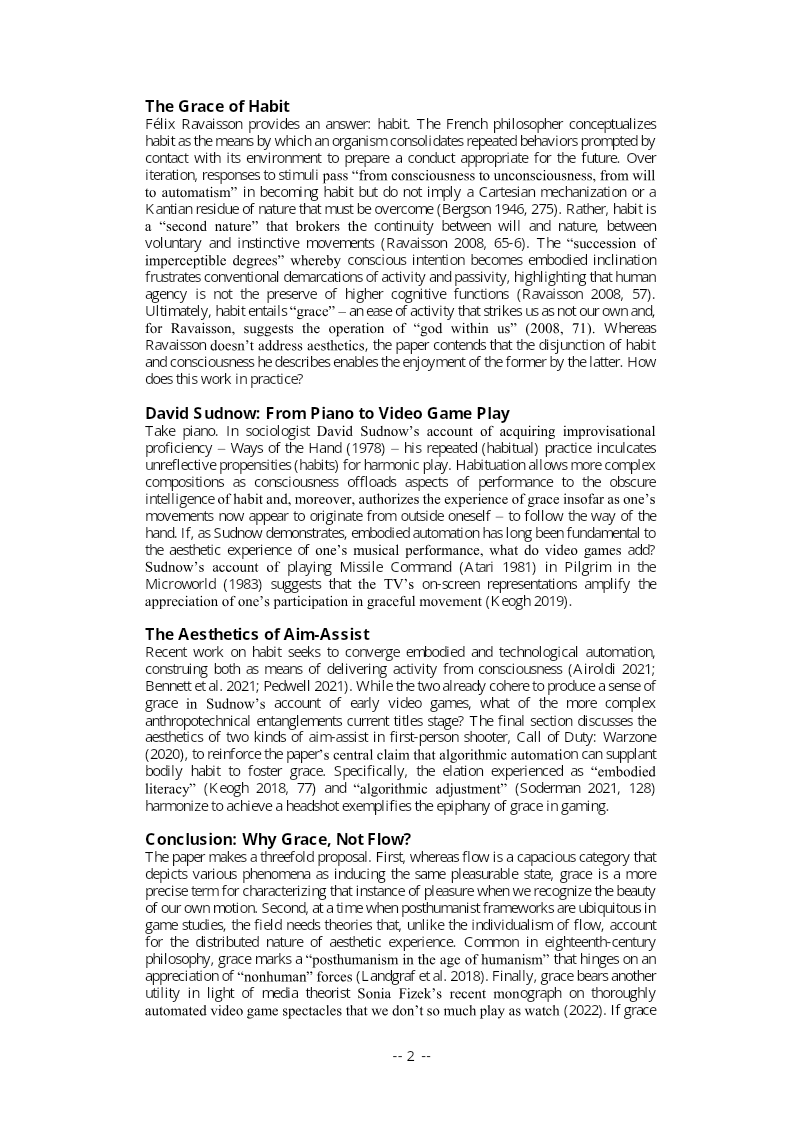
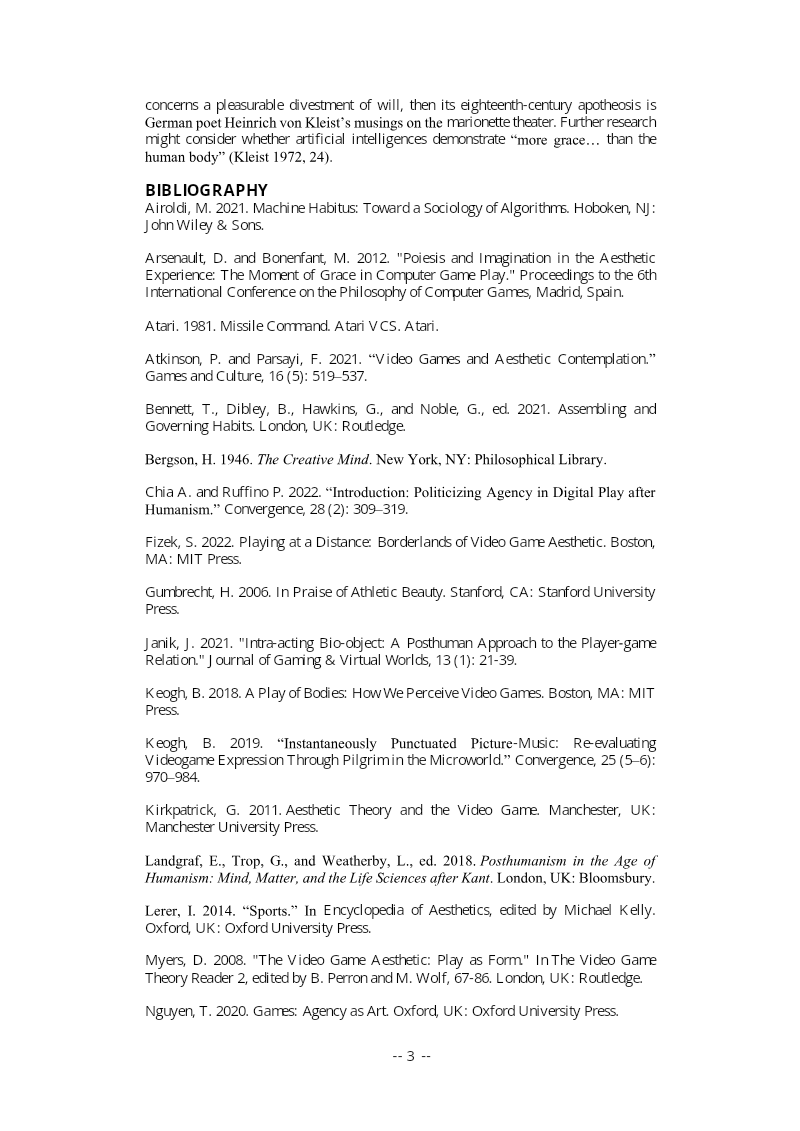
DiGRA · 2023
PocketGamer.biz · 2023
Inworld AI · 2023

Game Developers Conference · 2022