Key insights
5 slides
The setting
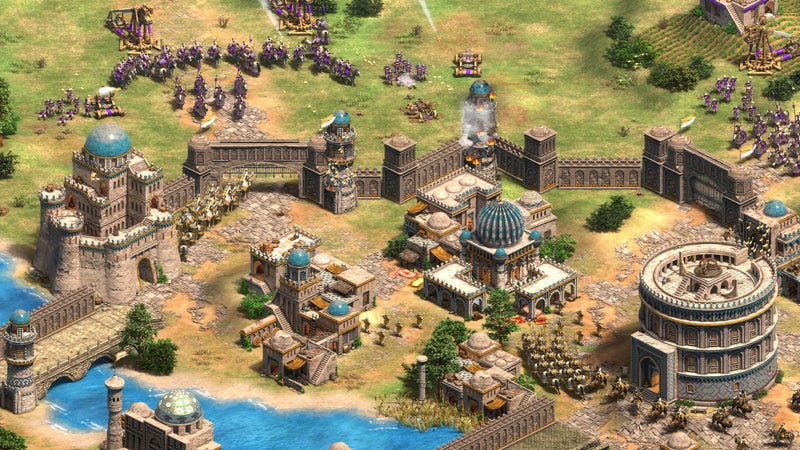
Age of Empires II remains competitive 25 years after release.
The game maintains a robust and growing competitive presence. Microsoft's strategic support and a committed player base drive this longevity.
The backdrop
The gaming industry faced an 86% drop in U.S. investment.
In 2023, the broader gaming industry experienced significant economic headwinds. These included an 86% drop in U.S. investment funding and widespread workforce reductions.
Key number
Competitive participation and engagement increased by 10% to 20%.
The competitive scene grew by 10% to 20% in the preceding year.
Scene growth. Age of Empires II competitive participation and engagement increased by 10% to 20% over the past year.
Proof point
Nili's Apartment Cup V drew over 30,000 concurrent viewers.
The tournament in Berlin drew participants from over ten countries. It attracted more than 30,000 concurrent viewers on Twitch and offered a prize pool exceeding $60,000.
The takeaway
Microsoft consolidated fragmented fan platforms into an official ecosystem.
Microsoft united fragmented, fan-supported platforms into a cohesive, official ecosystem.
1 / 5
Ask AI about this report







Comments