1 free read left. Create a free account for unlimited reading + AI research.
Create free accountWhitepaper DiGRA
1 free read left. Create a free account for unlimited reading + AI research.
Create free accountWhitepaperDiGRA
Distilling the key insights…
Videogames occupy a unique position within narrative media by fostering a distinct sense of player responsibility rooted in hybrid engagement. Unlike passive storytelling, where audiences observe events, gaming requires a negotiated agency that binds the player to the outcomes of their choices. This dynamic creates a powerful feedback loop where affective investment—the emotional connection to the game world—is reinforced by the player’s role as the primary agent of action. When a game maintains structural coherence, players experience a personal weight and future-oriented focus that transforms fictional events into experiences of genuine accountability.
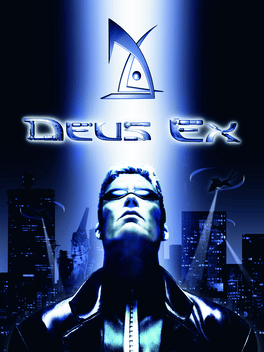
This sense of responsibility is highly sensitive to the underlying design of the game world. When titles like Gone Home, Deus Ex, or Portal 2 provide consistent internal logic, players often feel authentic guilt or remorse for their decisions, even when those outcomes exist outside the explicit narrative path. Conversely, technical glitches or design inconsistencies that shift the burden of failure away from the player disrupt this immersion, breaking the affective bond. Consequently, the player’s mode of engagement is not merely a mechanical interaction but a structural component that dictates the depth of the narrative experience.
Analyzing these modes of engagement provides a critical framework for understanding how fiction is perceived across various media. By focusing on the intersection of affect and agency, it becomes clear that the storytelling power of videogames is derived from the player’s active participation in the narrative’s unfolding. This approach serves as a vital tool for evaluating how structural design shapes human perception, offering insights that extend beyond gaming to inform a broader understanding of how audiences interact with and internalize fictional worlds.
Each row is a game or company this document names, each column a document, oldest first. A mark means that document names it. Select a row to see those documents.

DiGRA · 2026

DiGRA · 2026



DiGRA · 2026
Kinephanos · 2026