1 free read left. Create a free account for unlimited reading + AI research.
Create free accountWhitepaper DiGRA
1 free read left. Create a free account for unlimited reading + AI research.
Create free accountWhitepaperDiGRA
Distilling the key insights…
This academic paper, presented at the 2009 DiGRA conference, examines fan fiction written about three games representing different genres: the puzzle game Tetris, the real-time strategy game StarCraft, and the adventure game Dreamfall: The Longest Journey. Its central aim is to advance understanding of how players experience and interpret game environments, and to open a line of research into game-based fan fiction as a form of participatory culture. The authors frame the work as an initial exploratory study, motivated by the puzzle of why people write narrative fiction about games that have little or no storyline, and by what such writing reveals about the relationship between gameplay and storytelling.
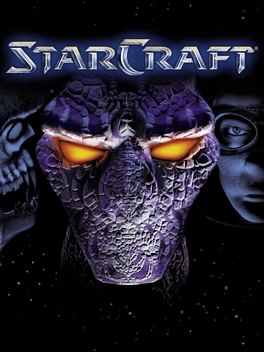
The analysis draws on stories posted to fanfiction.net, selected across the three game genres, and interprets them through narratological lenses. Key findings suggest that Tetris fan fiction tends to personify the falling blocks, turning gameplay into allegory for human life, frustration, or addiction, and often uses dialogue or humor to dramatize the game's repetitive, plotless nature. StarCraft stories are generally longer and more plot-driven, adopting science fiction conventions, battle scenes, and stereotyped characters that readers of the genre would recognize. Dreamfall stories are largely driven by dissatisfaction with the game's cliffhanger ending, with writers attempting to repair perceived flaws in character development and continuity, sometimes even inserting the author as a fictional figure interacting with game characters.
The authors acknowledge the limitations of their small, qualitative sample and make no attempt to analyze writers' motivations, since the stories were treated as public texts. They conclude that fan fiction about games does not differ fundamentally from fan fiction based on other media, and that such writing is best understood as a creative response to unmet narrative desires. They propose further research into the literacy required to join game fan communities, the use of spatial-temporal elements from games in fiction, and the influence of social networking and player forums on how these stories are written.
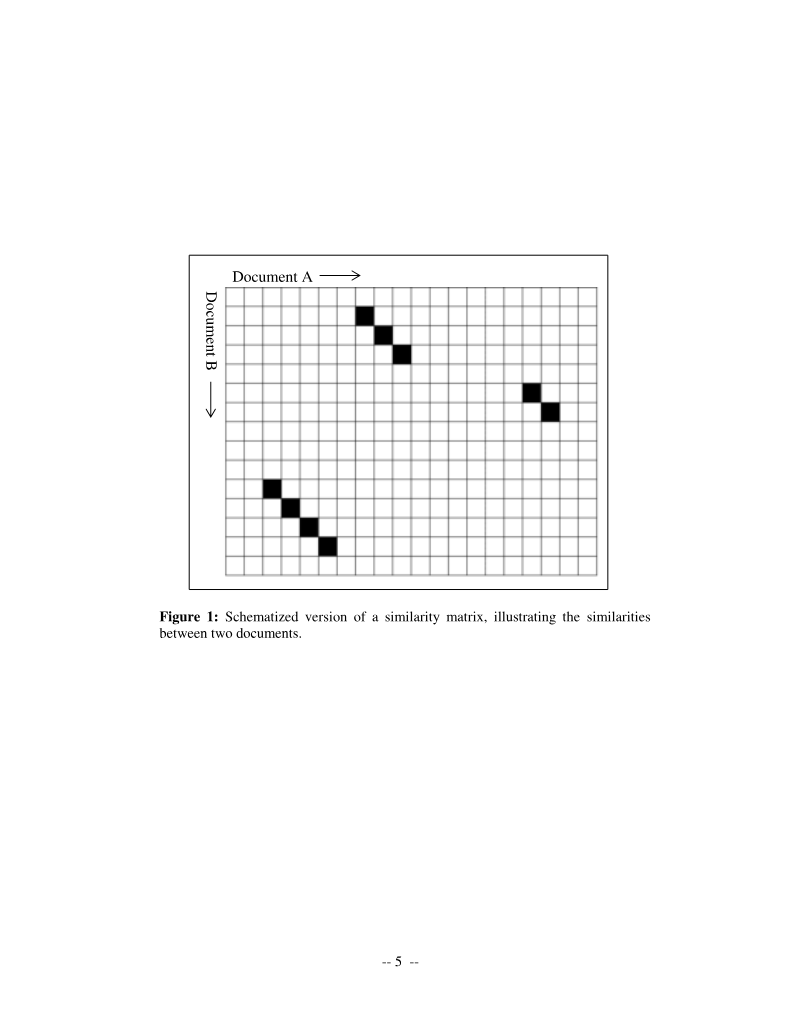
Each row is a game or company this document names, each column a document, oldest first. A mark means that document names it. Select a row to see those documents.



DiGRA · 2016



DiGRA · 2016



DiGRA · 2016



DiGRA · 2016



DiGRA · 2016



DiGRA · 2016

DiGRA · 2015



DiGRA · 2015



DiGRA · 2015



DiGRA · 2015
DiGRA · 2015
DiGRA · 2015
Game Developers Conference · 2017