1 free read left. Create a free account for unlimited reading + AI research.
Create free accountWhitepaperElsevier
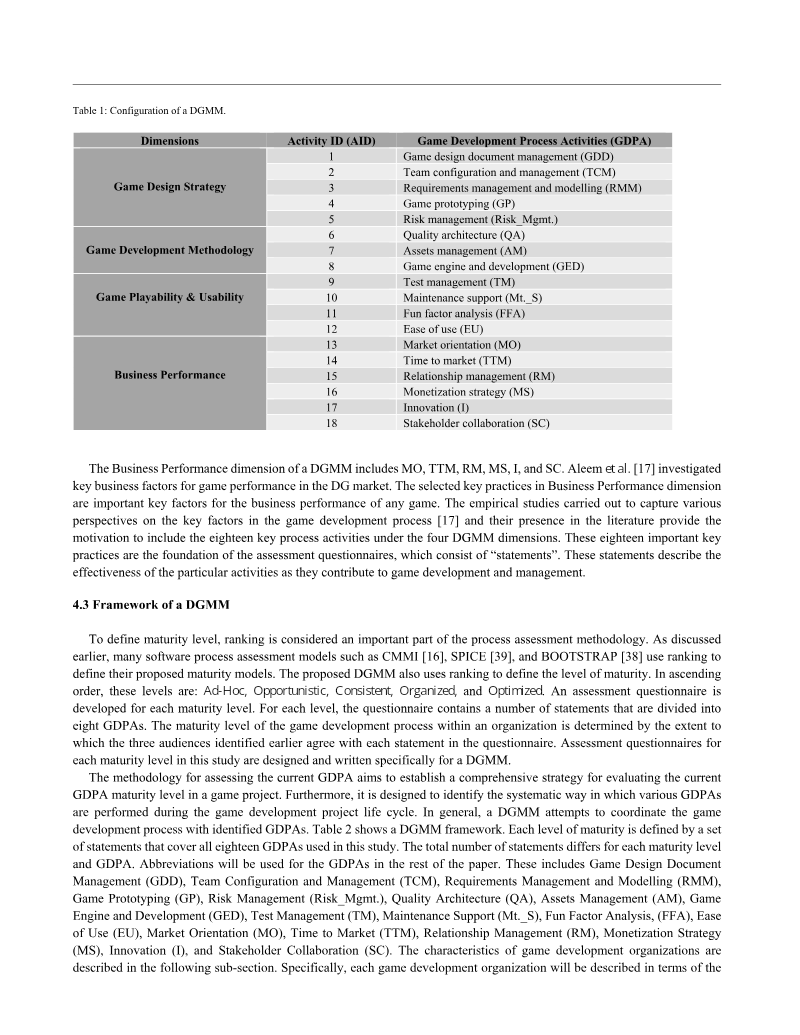
The Digital Game Maturity Model establishes a specialized framework for evaluating the multidisciplinary processes inherent in game production, addressing a critical gap where traditional software engineering models fail to account for the industry’s unique creative and technical demands. By synthesizing developer, business, and consumer perspectives, the model provides a systematic approach to identifying process bottlenecks and enhancing product quality. It categorizes organizational maturity into five distinct levels—ranging from Ad-Hoc to Optimized—across four core dimensions: game design strategy, development methodology, playability, and business performance.
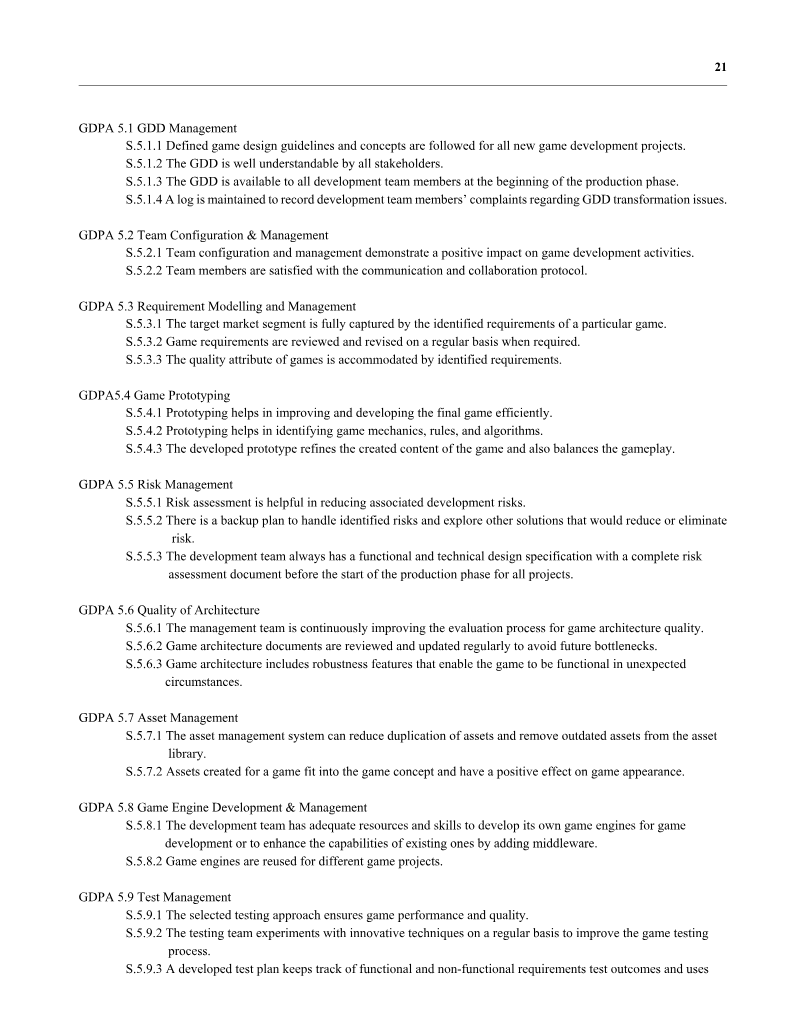
The framework utilizes eighteen key process activities to measure organizational maturity, employing a quantitative rating system adapted from the BOOTSTRAP methodology. To achieve a specific maturity level, organizations must meet an 80% threshold of applicable process statements. The model’s practical utility has been validated through case studies of two development organizations, which successfully reached the Consistent and Opportunistic levels, respectively. These assessments demonstrate that the model effectively identifies organizational strengths and weaknesses through structured self-assessment questionnaires and high inter-rater agreement.
While the model offers a robust diagnostic tool for benchmarking, it currently functions primarily as an assessment instrument rather than a prescriptive guide. The transition from foundational levels to higher maturity states requires a shift toward proactive risk management, the implementation of quantifiable performance metrics, and the integration of business objectives with development workflows. Future research is expected to address the current lack of explicit process improvement guidelines, further refining the model’s ability to guide organizations toward the Optimized state, where development processes are fully aligned with long-term strategic goals and continuous improvement cycles.
Elsevier · 2025
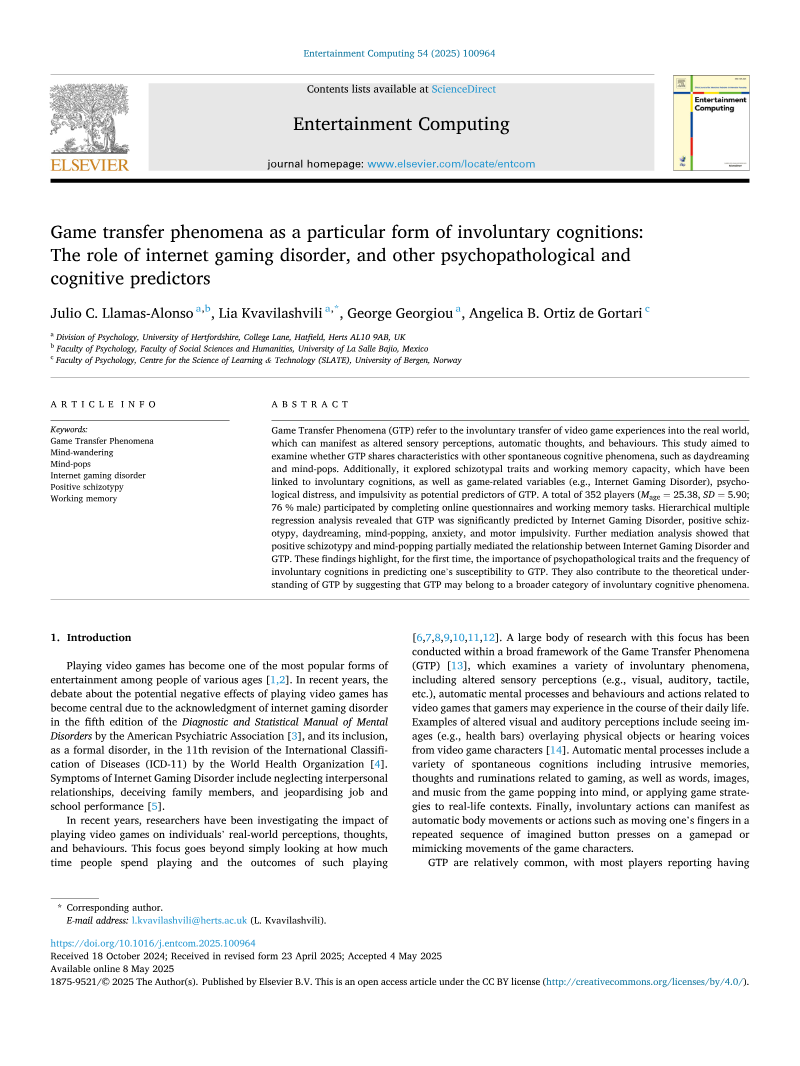
Elsevier · 2025
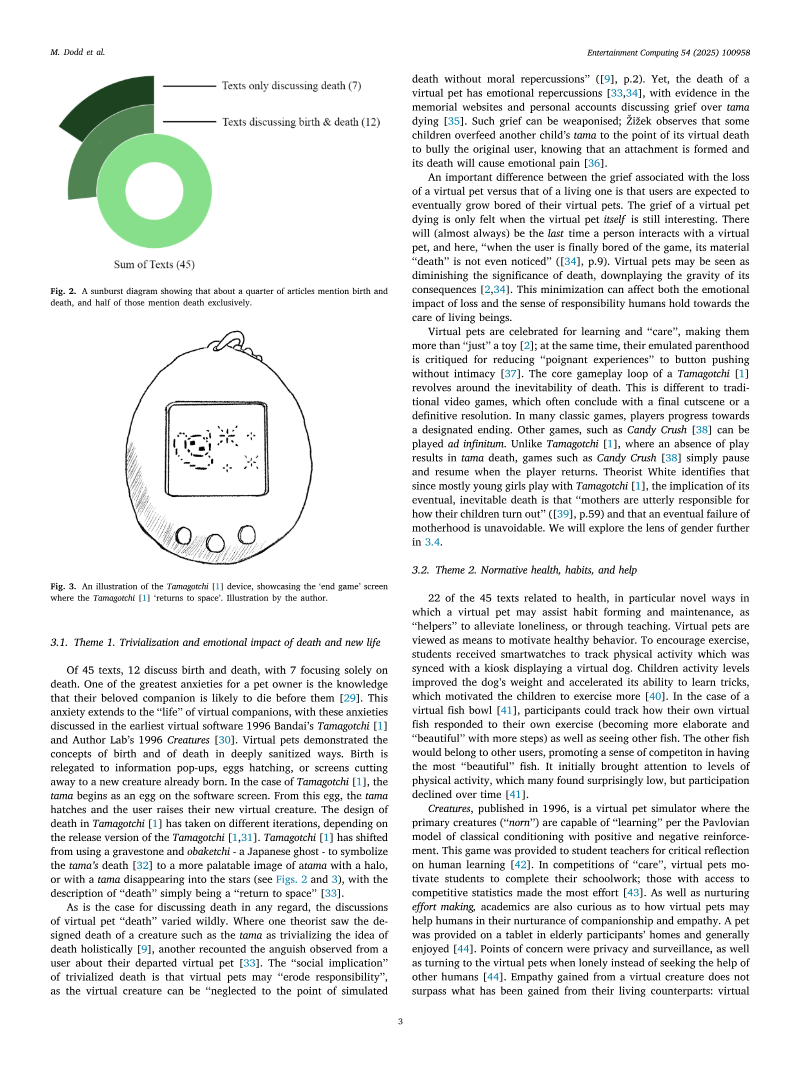
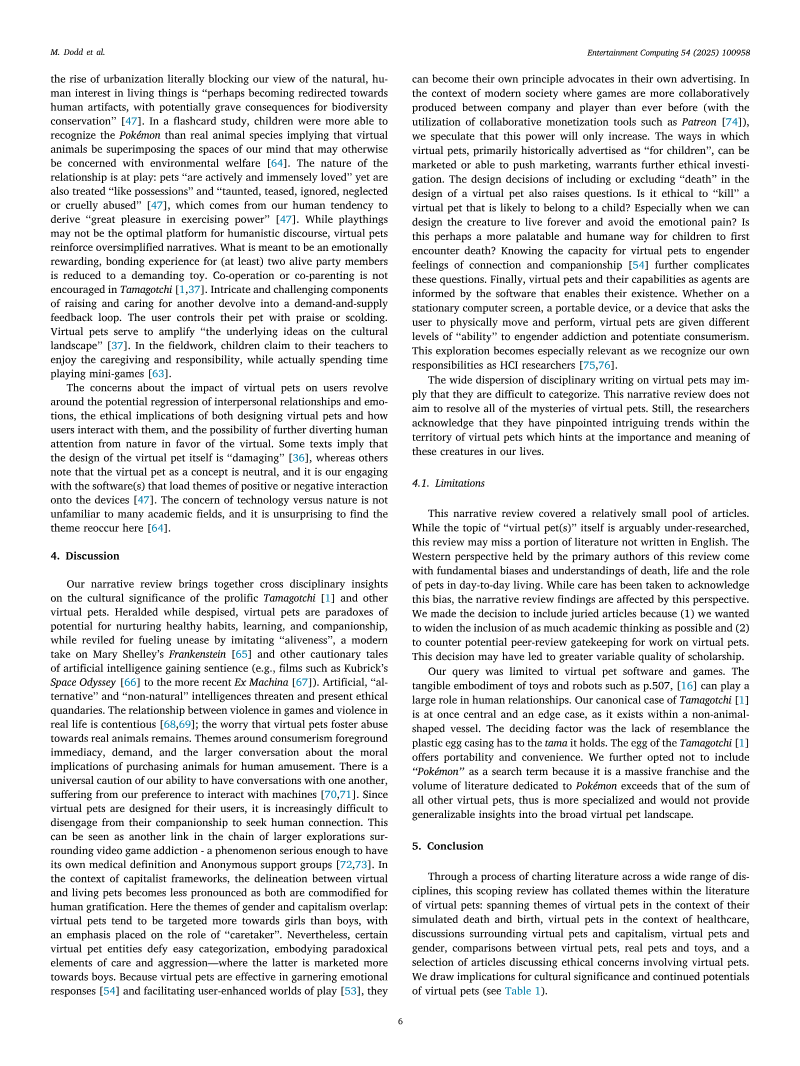
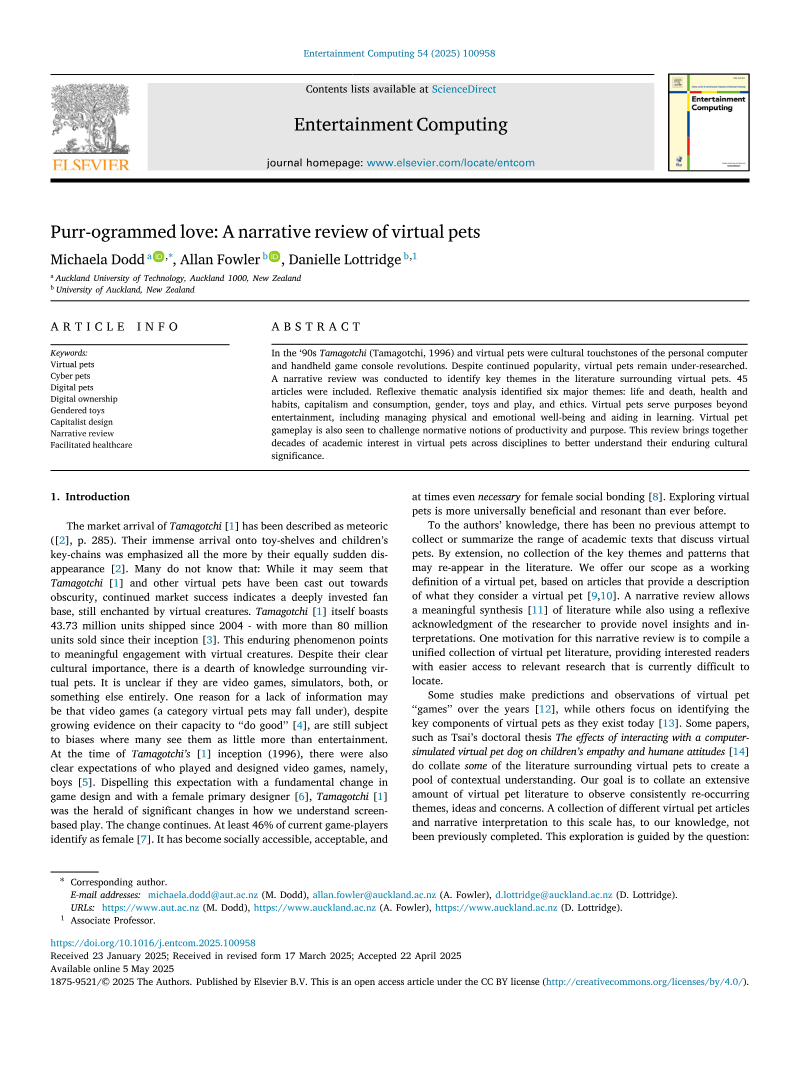
Elsevier · 2025
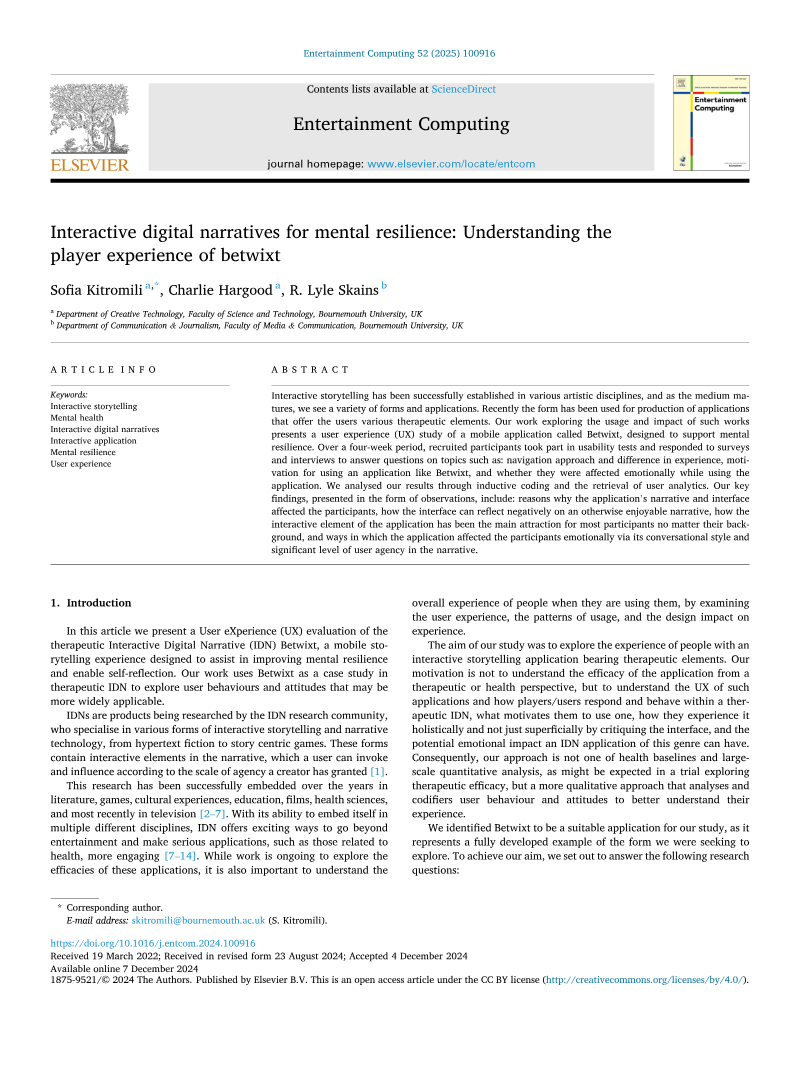
Entertainment Computing · 2024
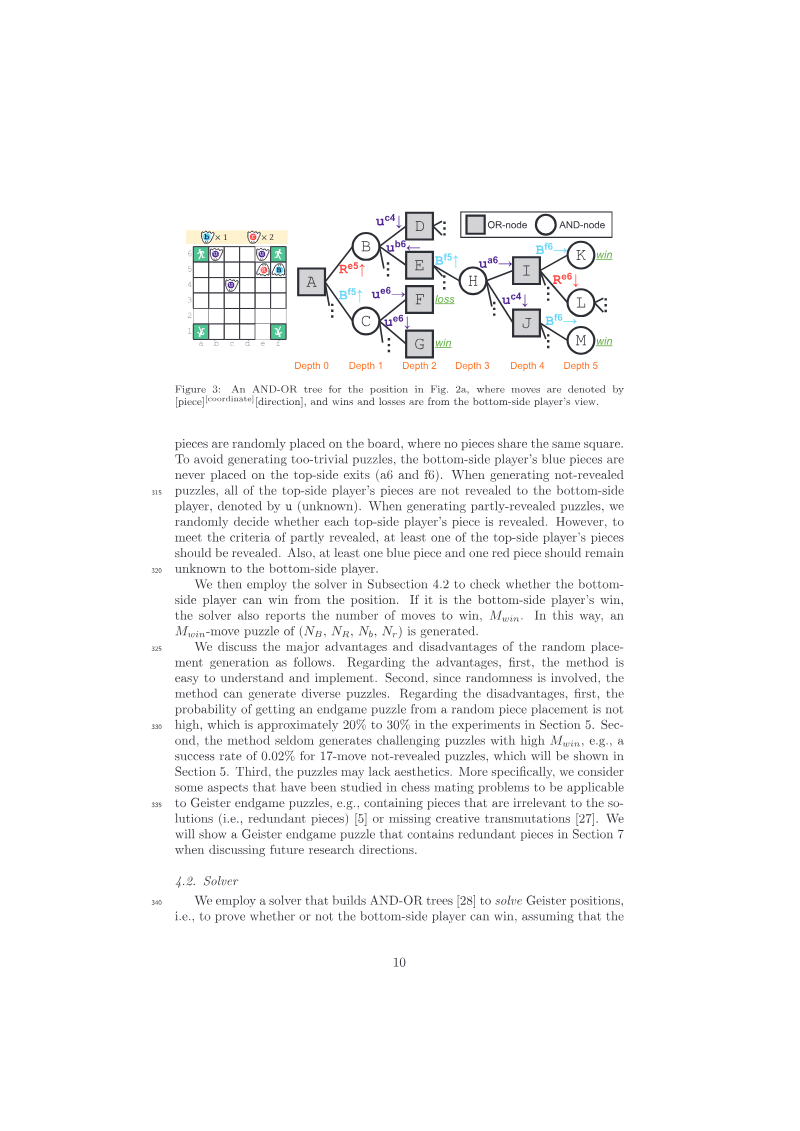
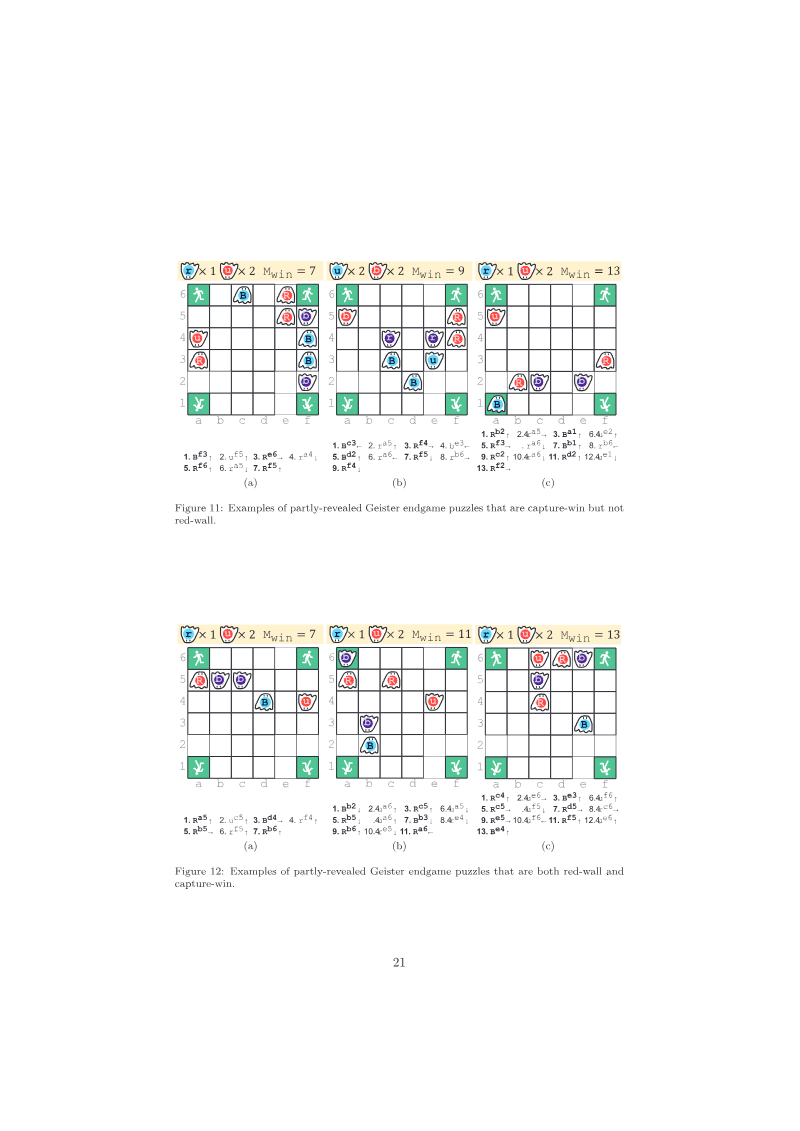
Elsevier · 2024
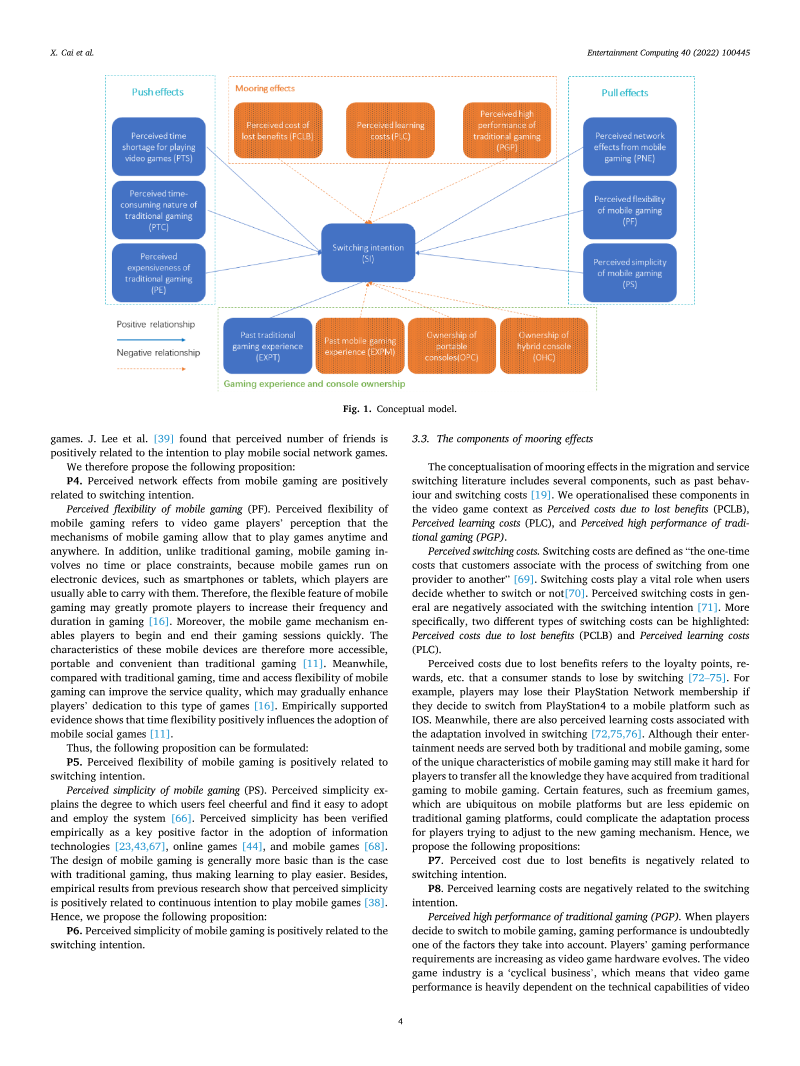
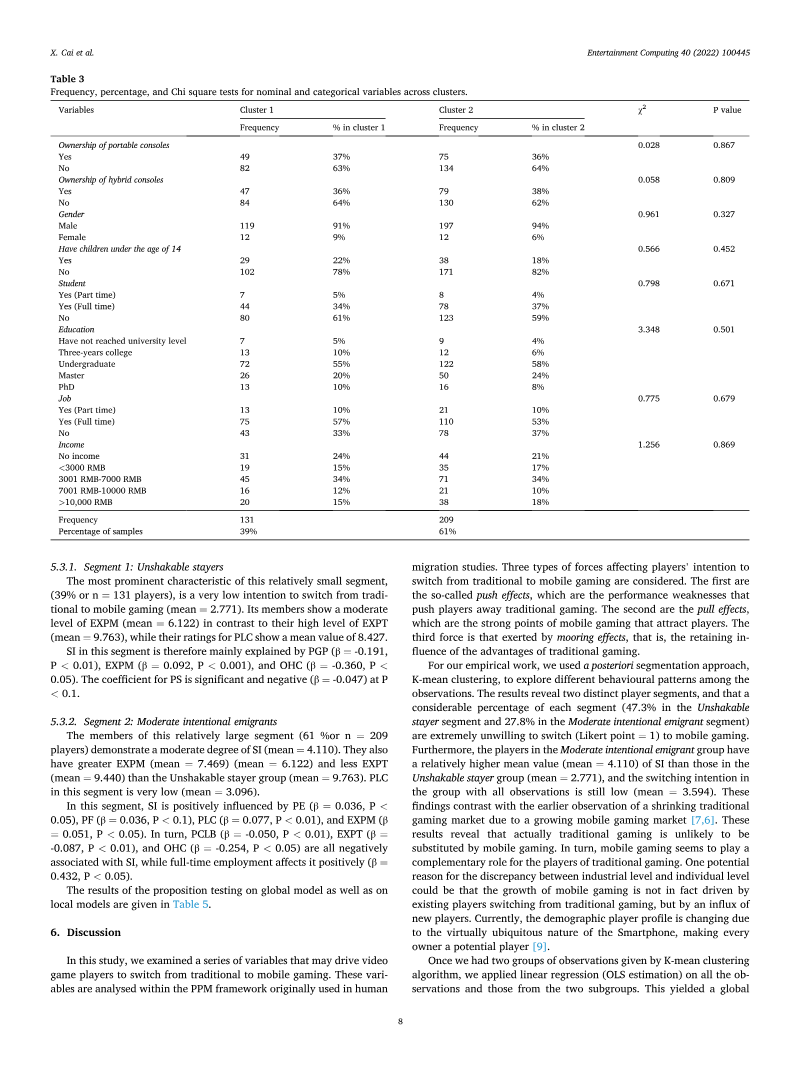
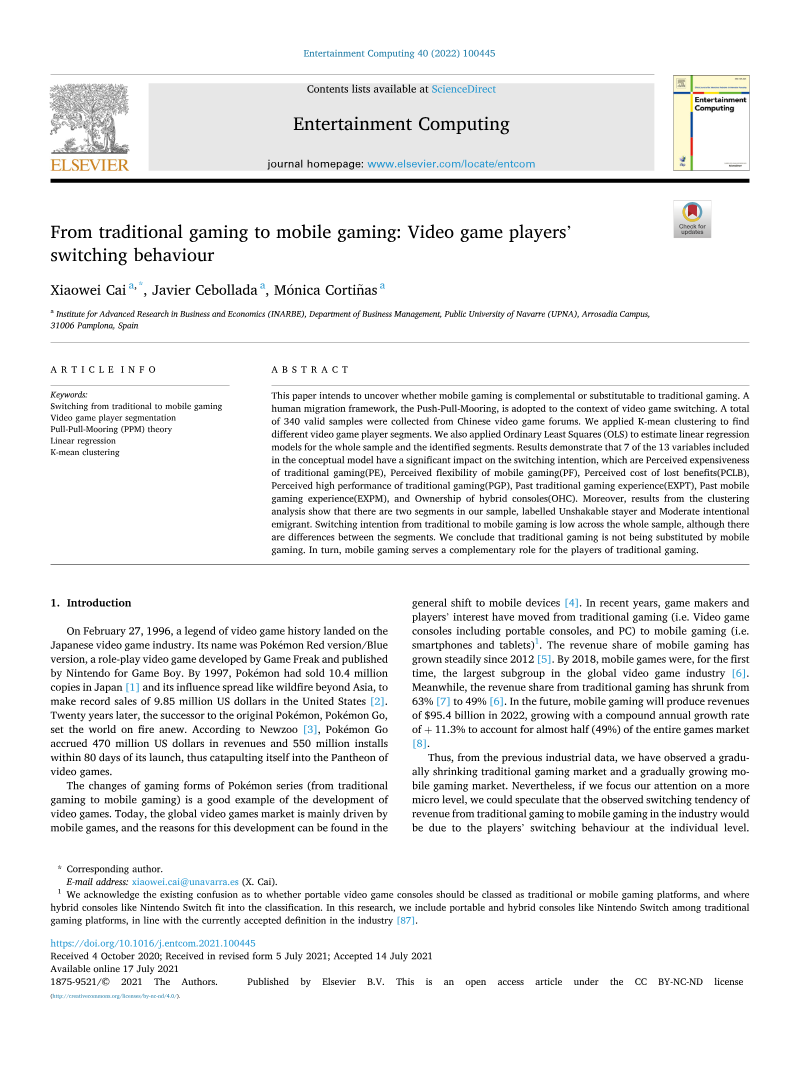
Elsevier · 2021
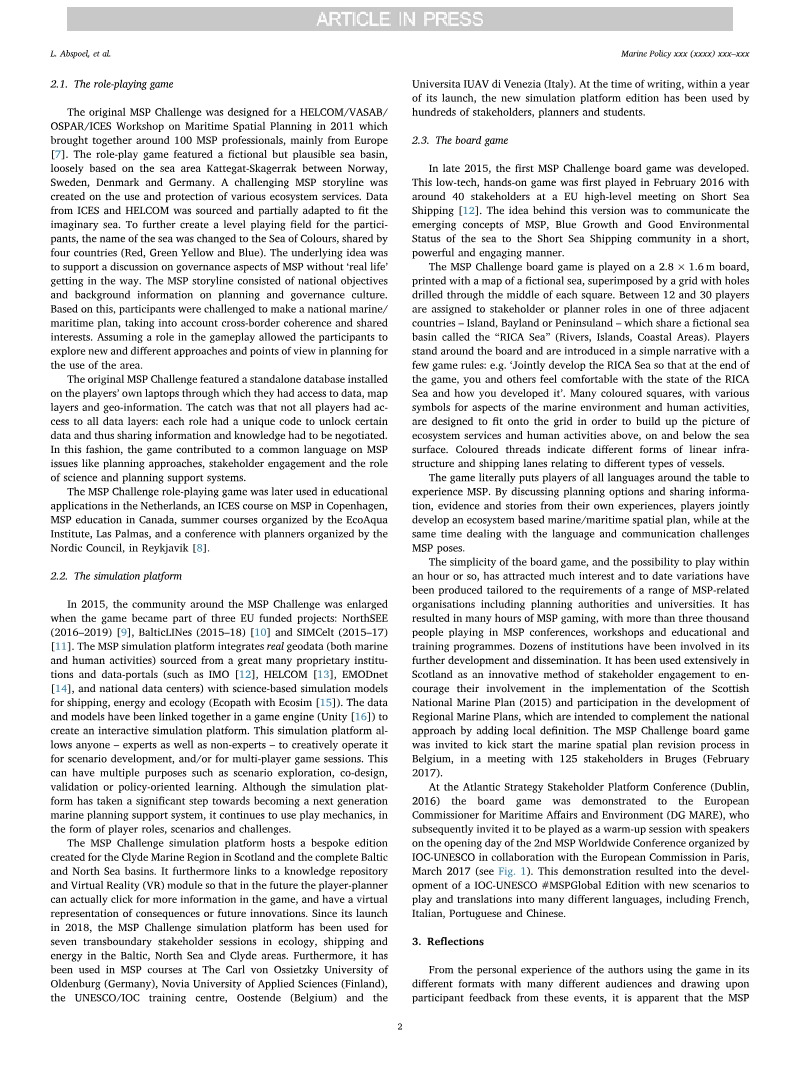
Elsevier · 2021
Entertainment Computing · 2019
Elsevier · 2019
Elsevier · 2016
Entertainment Computing · 2015

Jason Schreier · 2026
















Comments