More from Elsevier
View all
Whitepaper
Gamifying Museum Exploration: A Virtual Reality Approach to Enhancing Visitor Engagement
Elsevier · 2025
Whitepaper
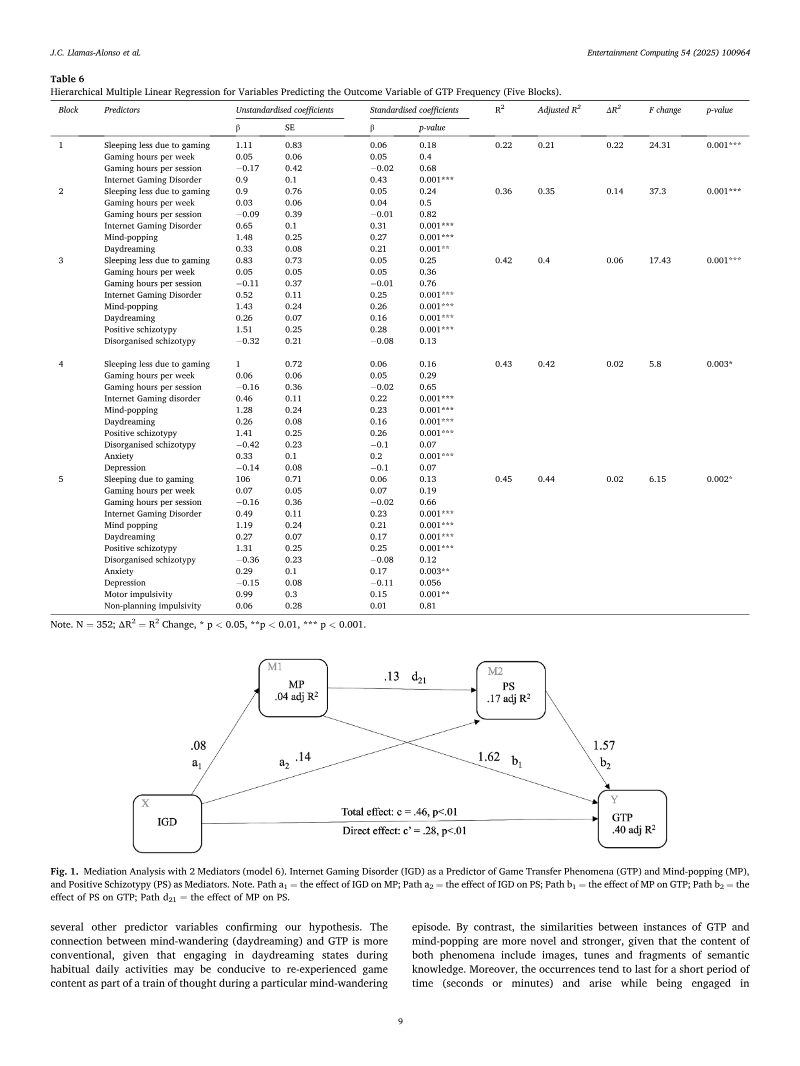
Game Transfer Phenomena as a Particular Form of Involuntary Cognitions: The Role of Internet Gaming Disorder and Other Predictors
Elsevier · 2025
Whitepaper
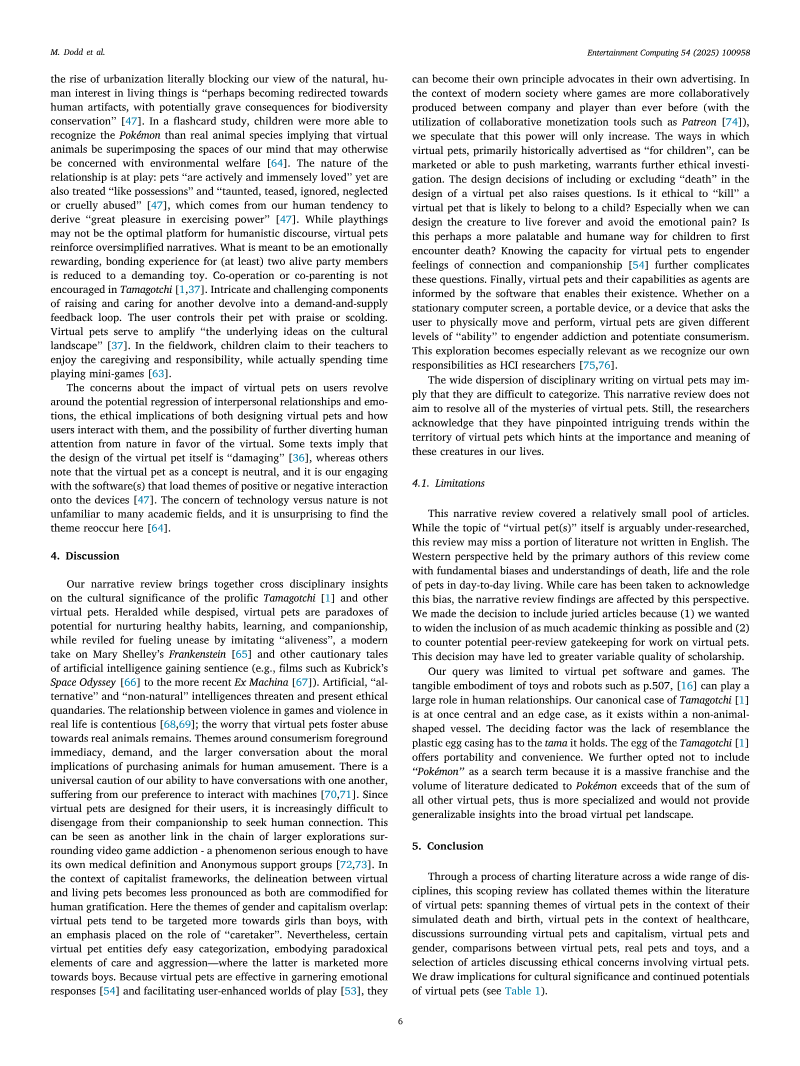
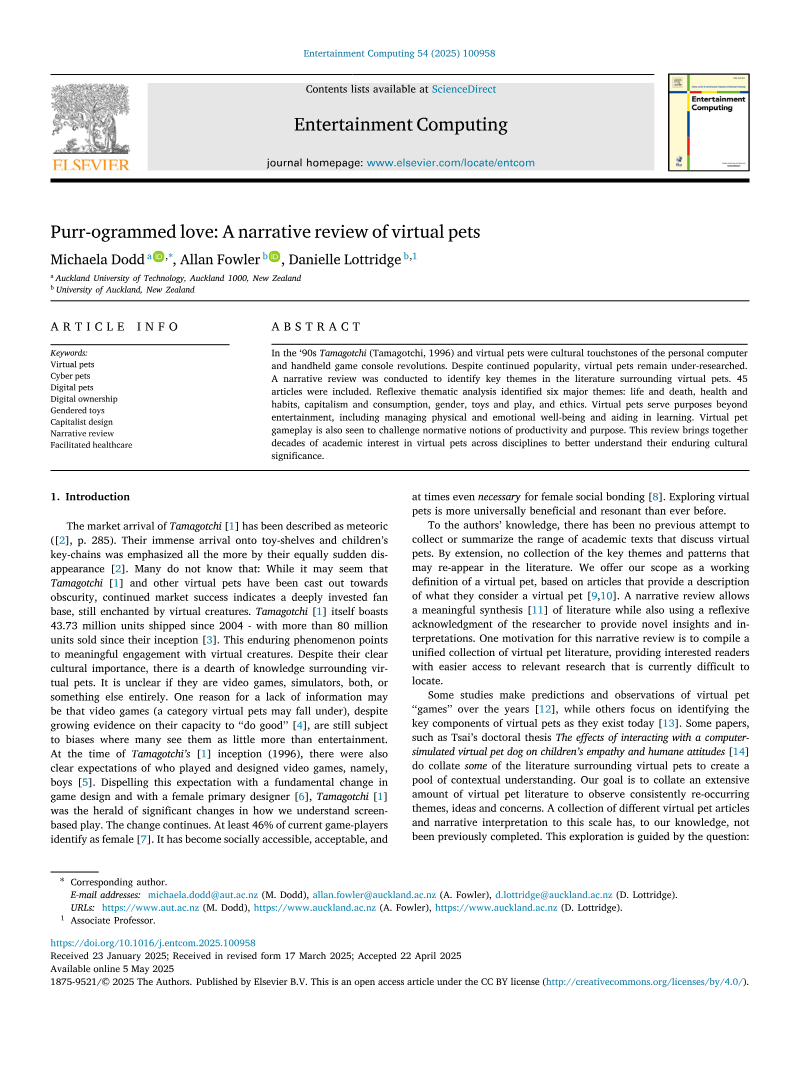
Purr-ogrammed Love: A Narrative Review of Virtual Pets
Elsevier · 2025
Article
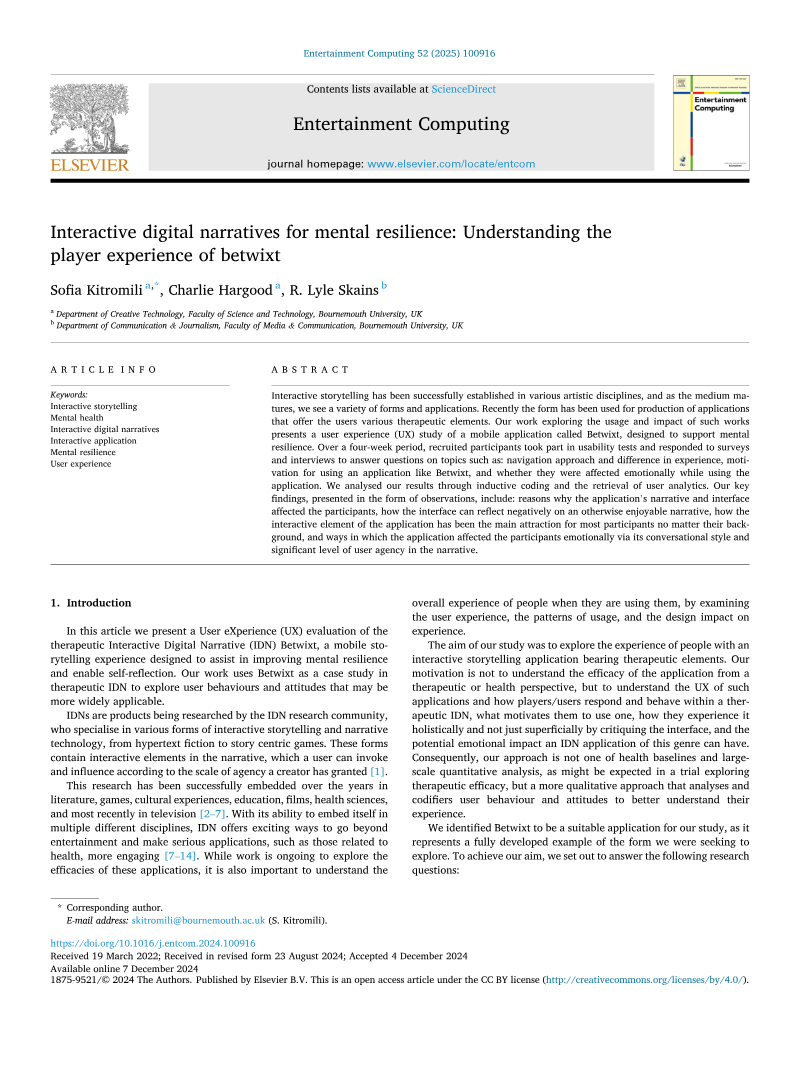
Interactive Digital Narratives for Mental Resilience: Understanding the Player Experience of Betwixt
Entertainment Computing · 2024
Whitepaper
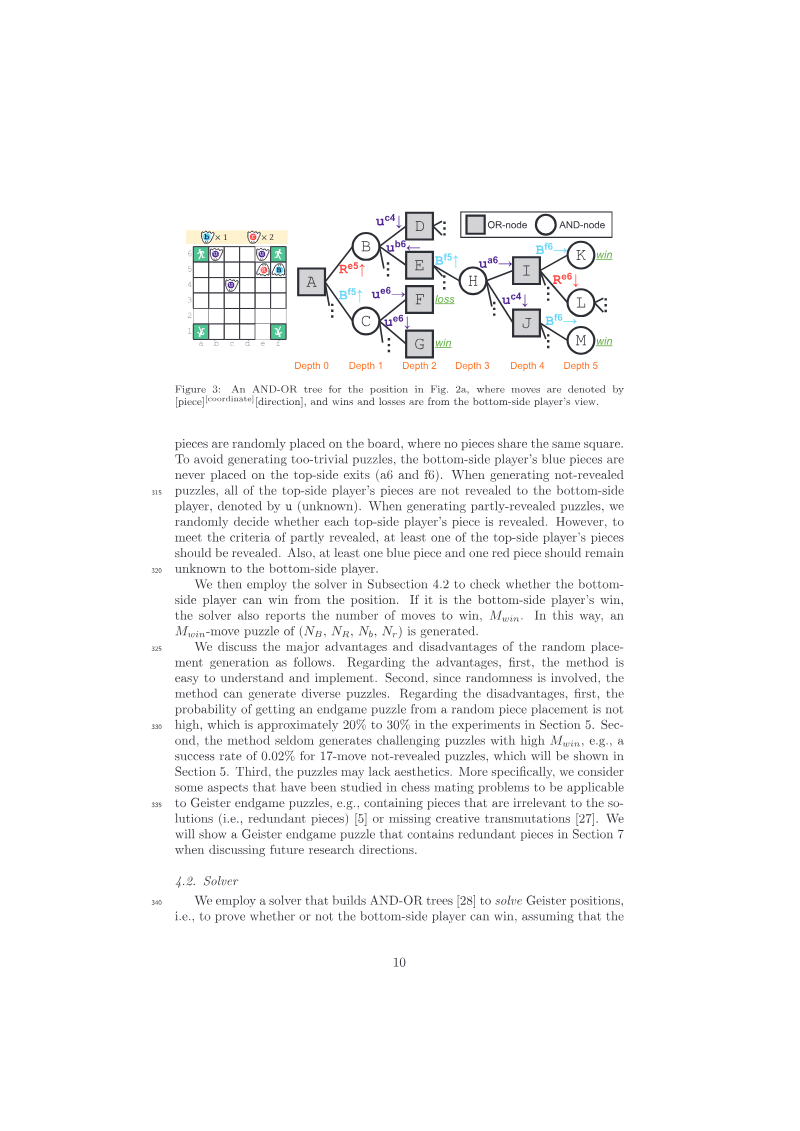
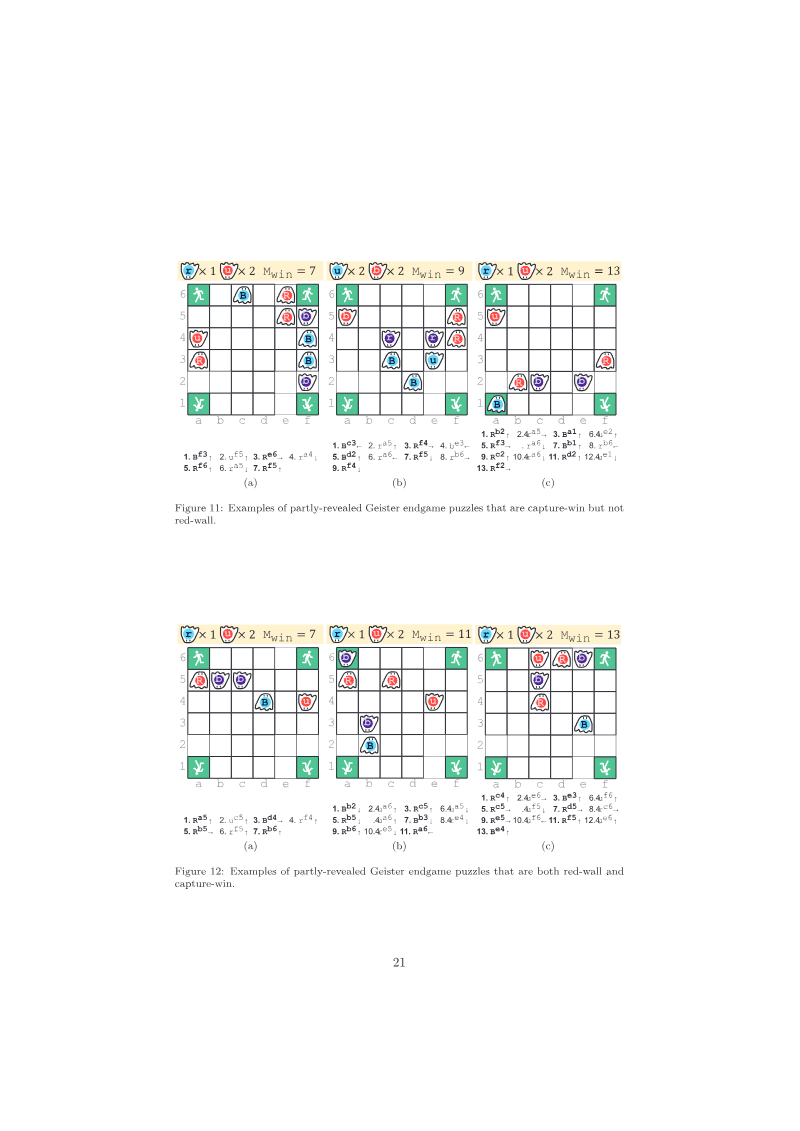
Proposal and Generation of Endgame Puzzles for an Imperfect Information Game Geister
Elsevier · 2024
Whitepaper
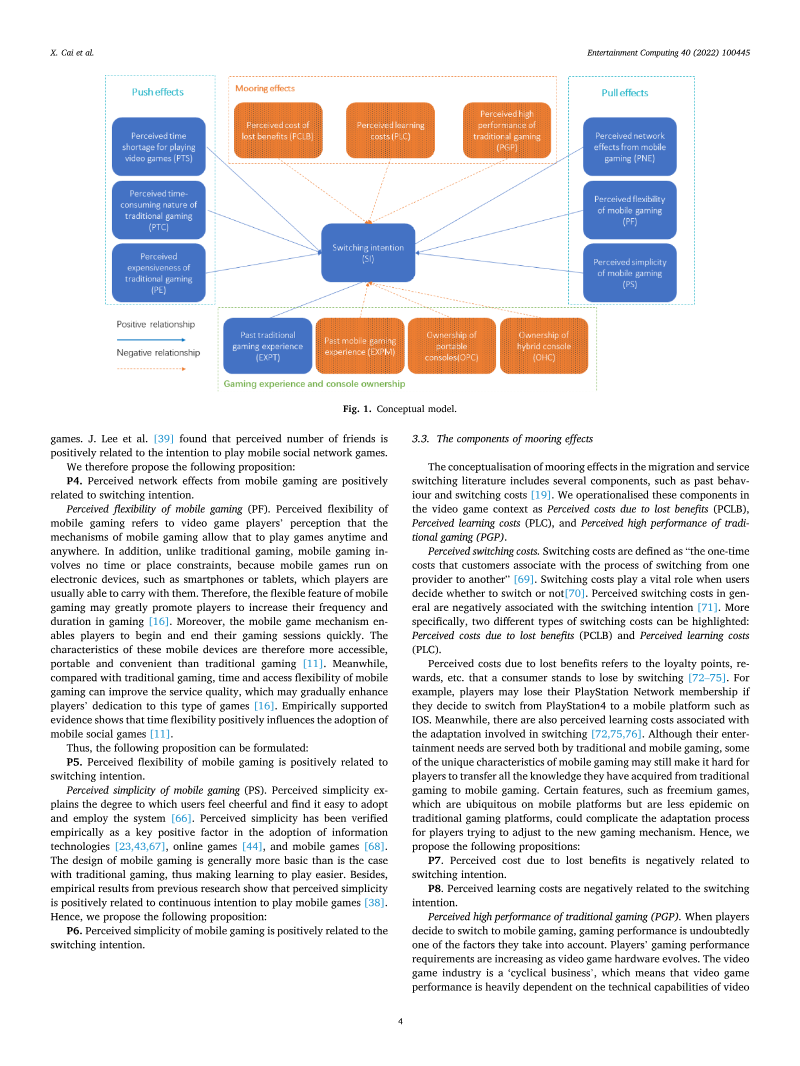
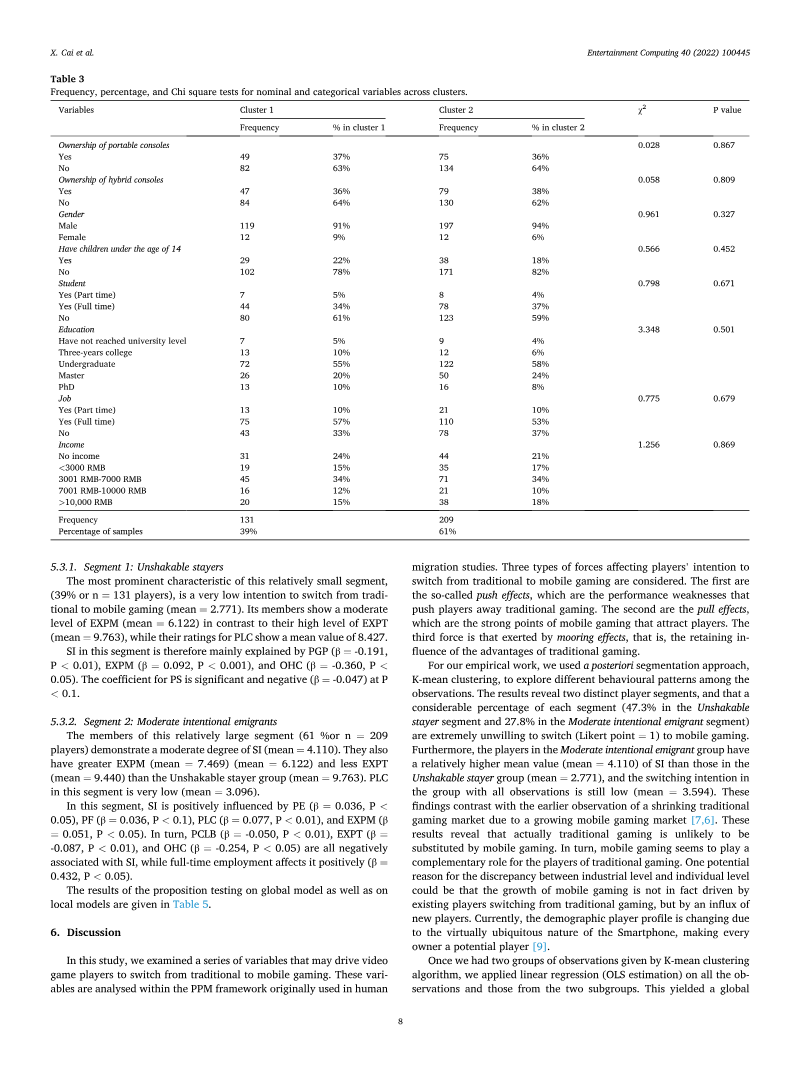
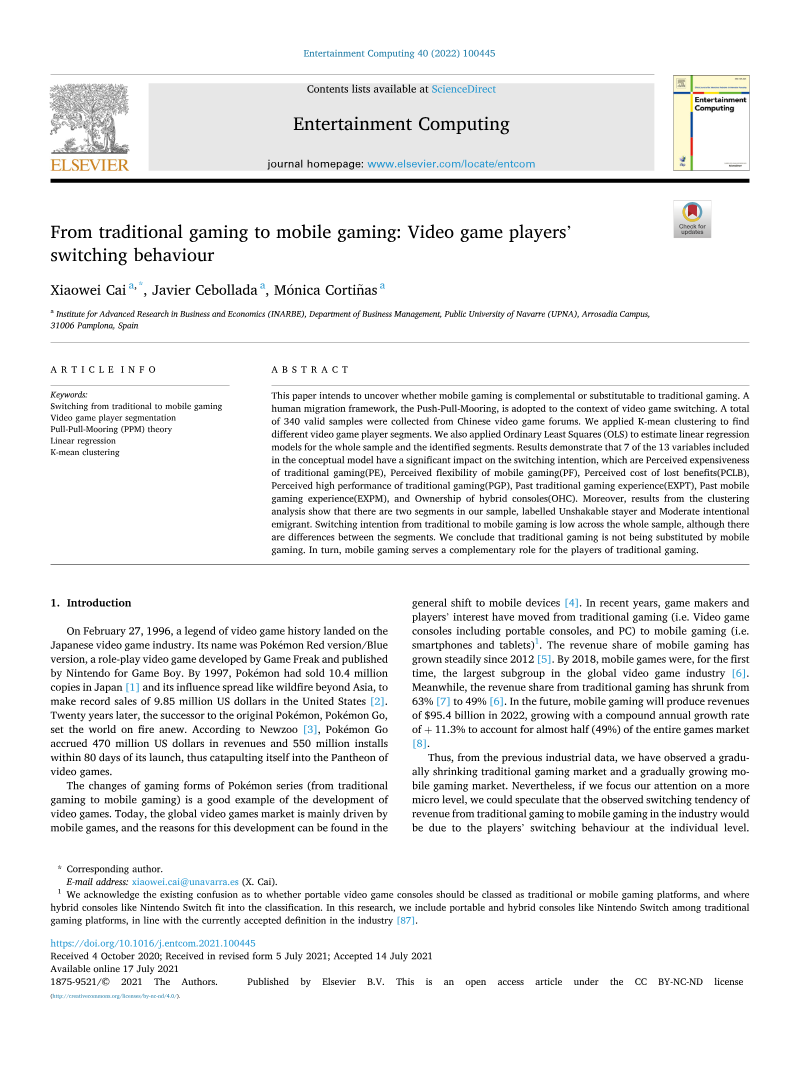
From Traditional Gaming to Mobile Gaming: Video Game Players' Switching Behaviour
Elsevier · 2021
Whitepaper
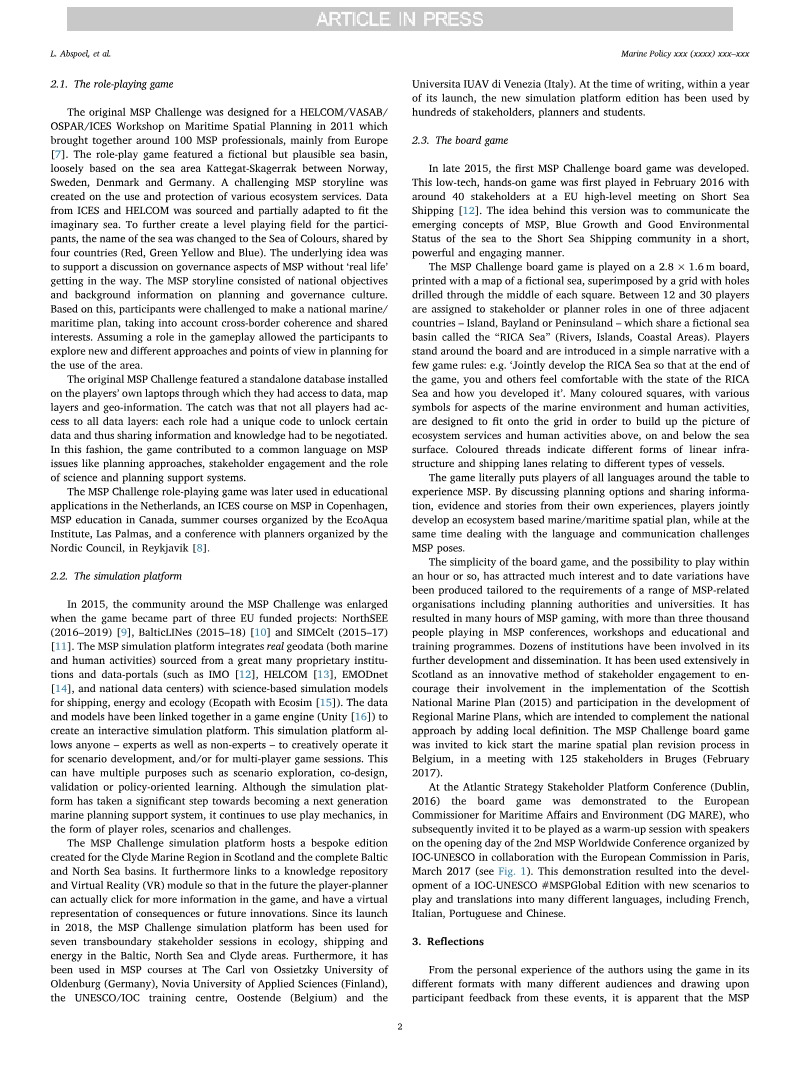
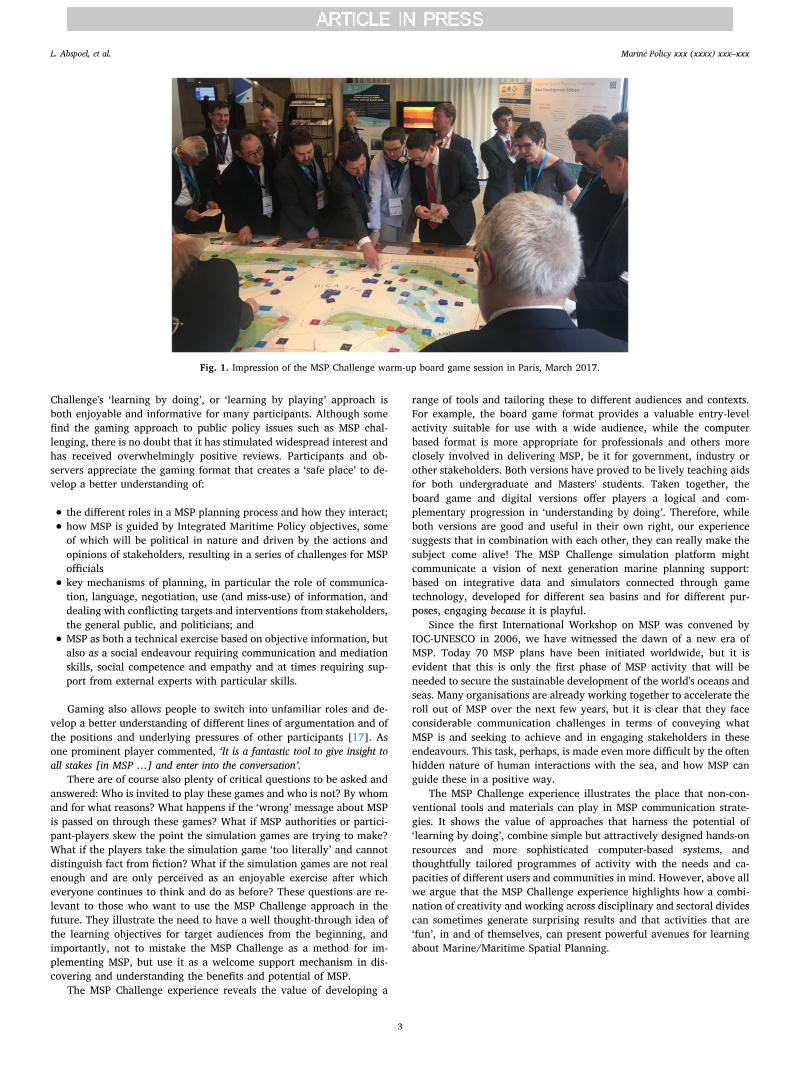
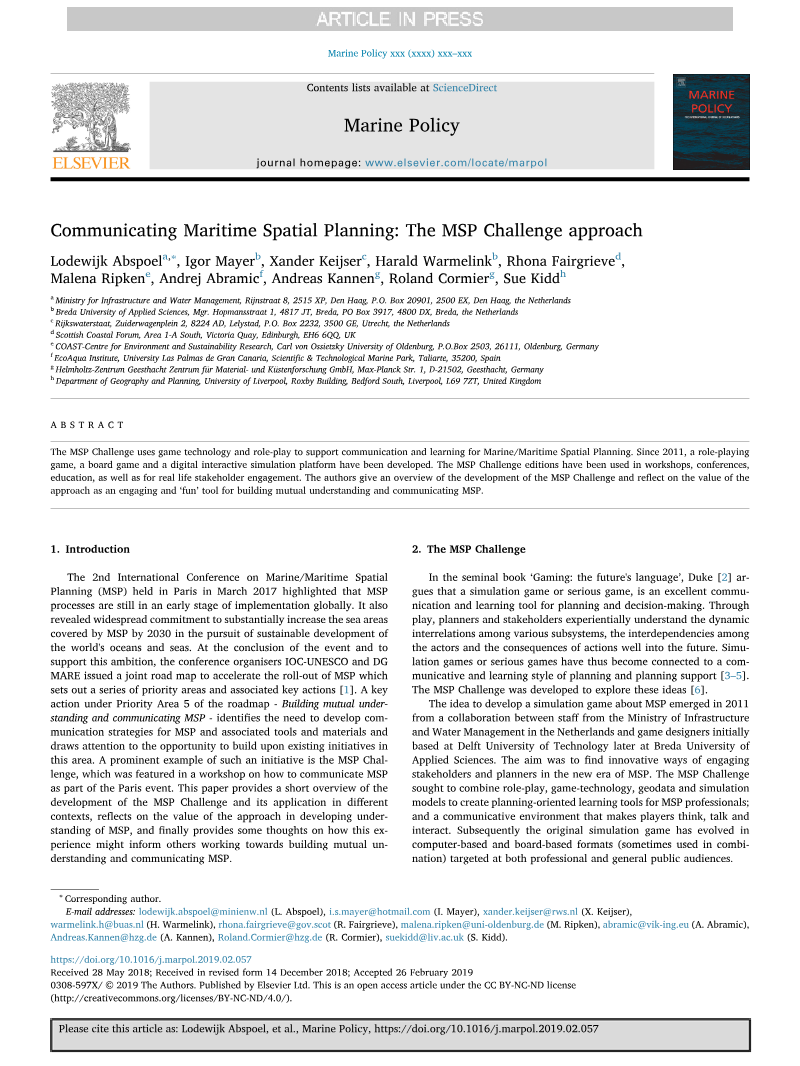
Communicating Maritime Spatial Planning: The MSP Challenge Approach
Elsevier · 2021
Whitepaper
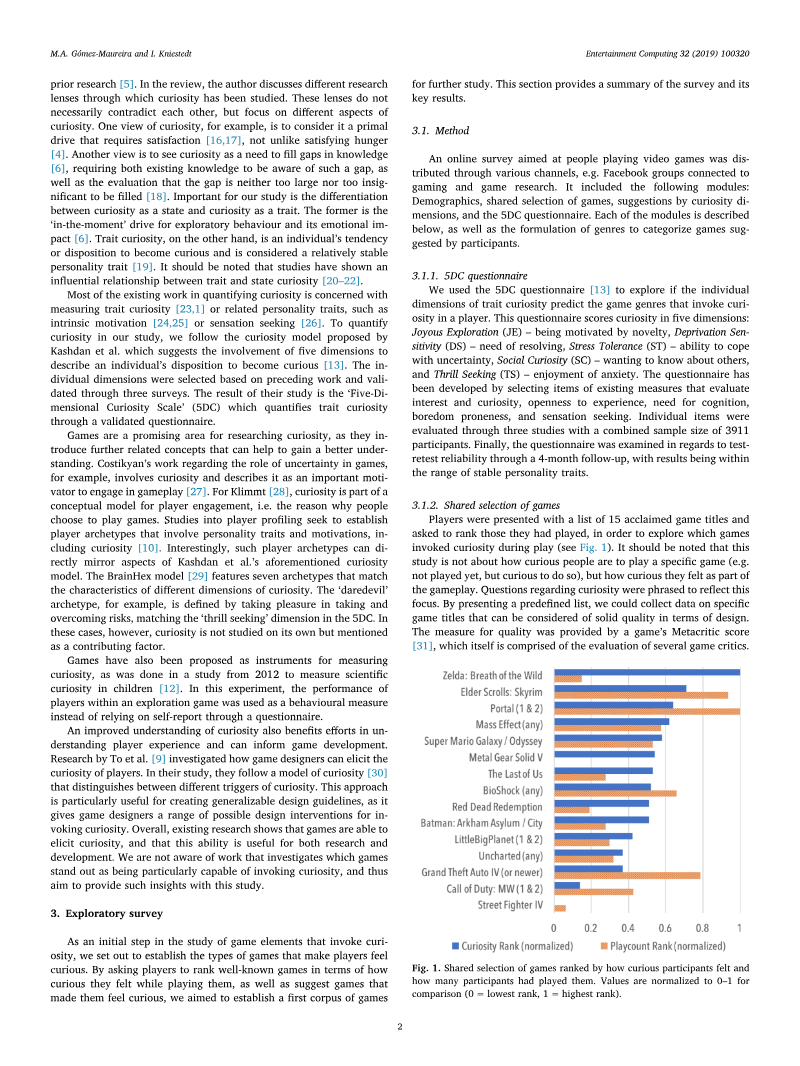
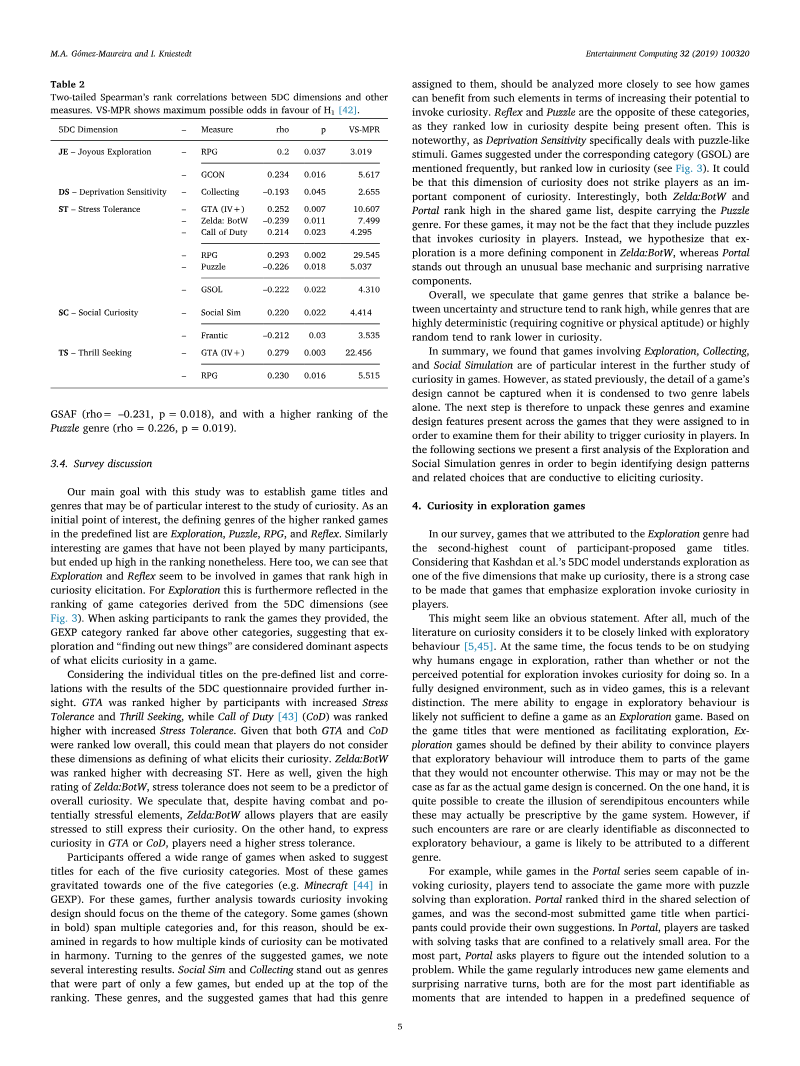
Exploring Video Games That Invoke Curiosity
Entertainment Computing · 2019
Whitepaper
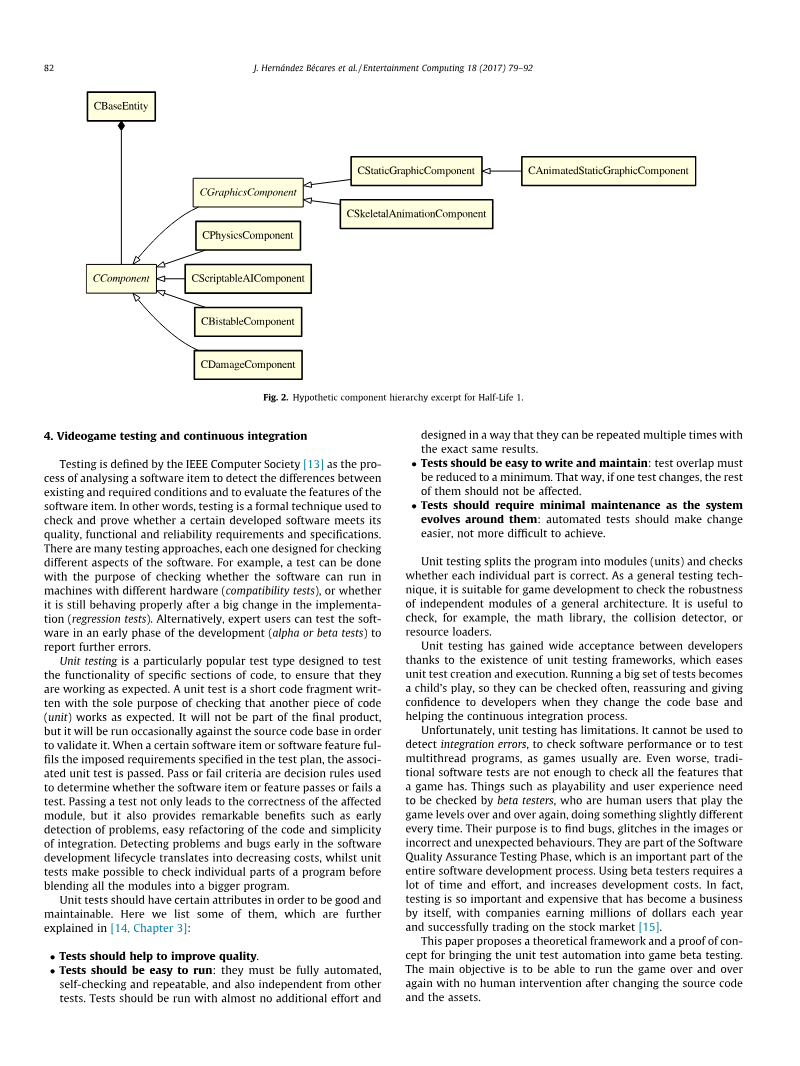
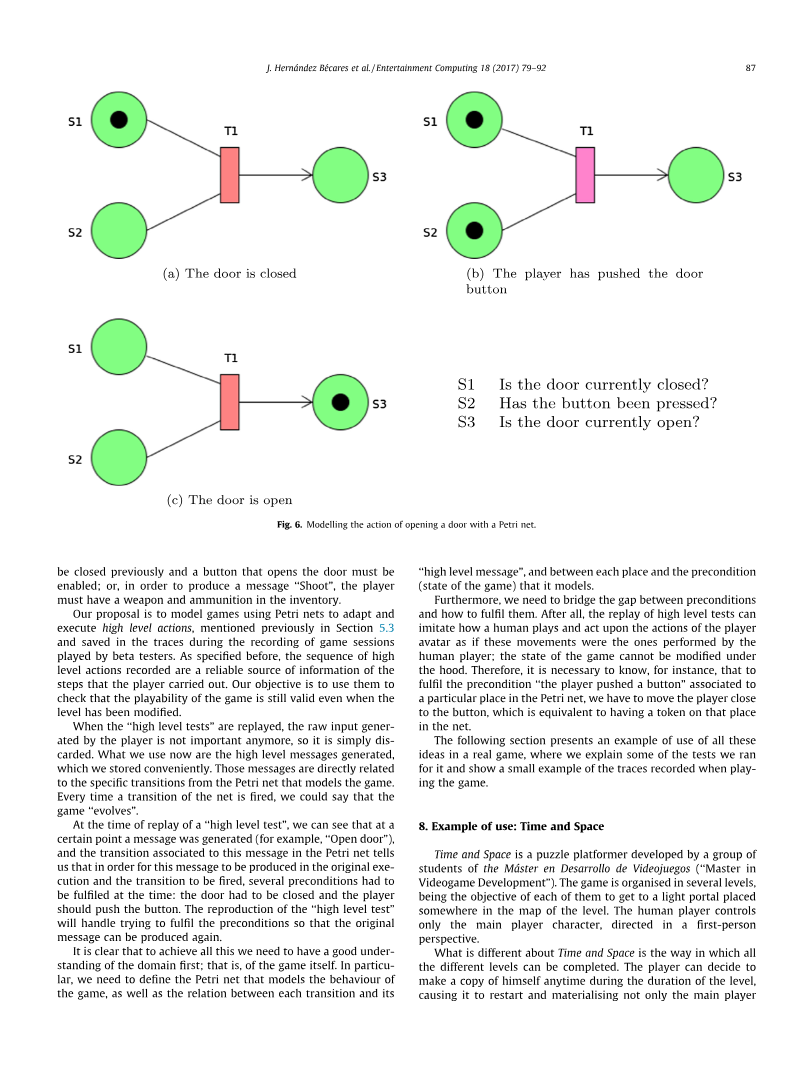
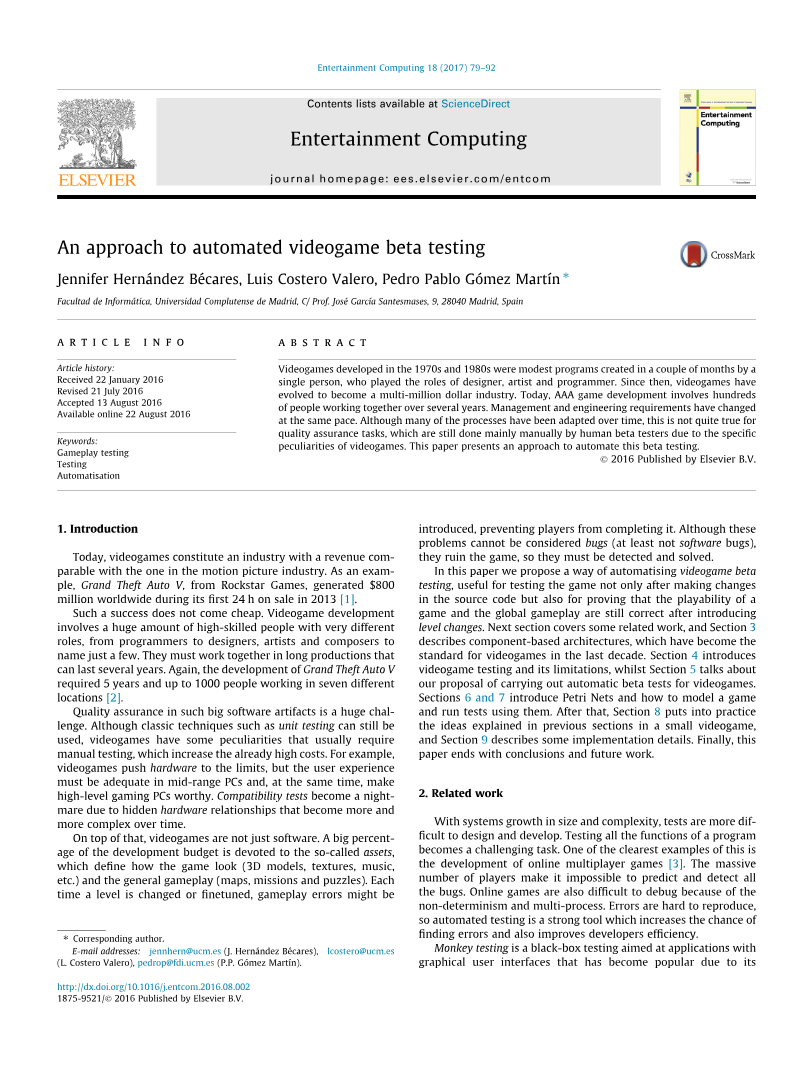
An Approach to Automated Videogame Beta Testing
Elsevier · 2016
Whitepaper
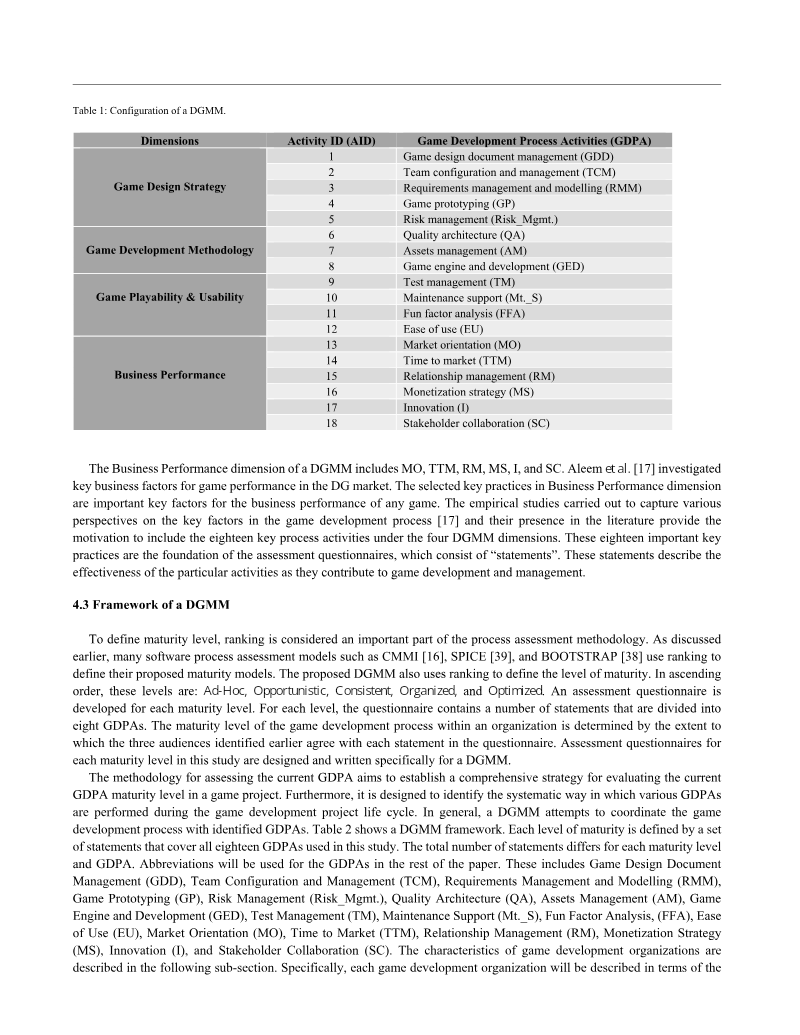
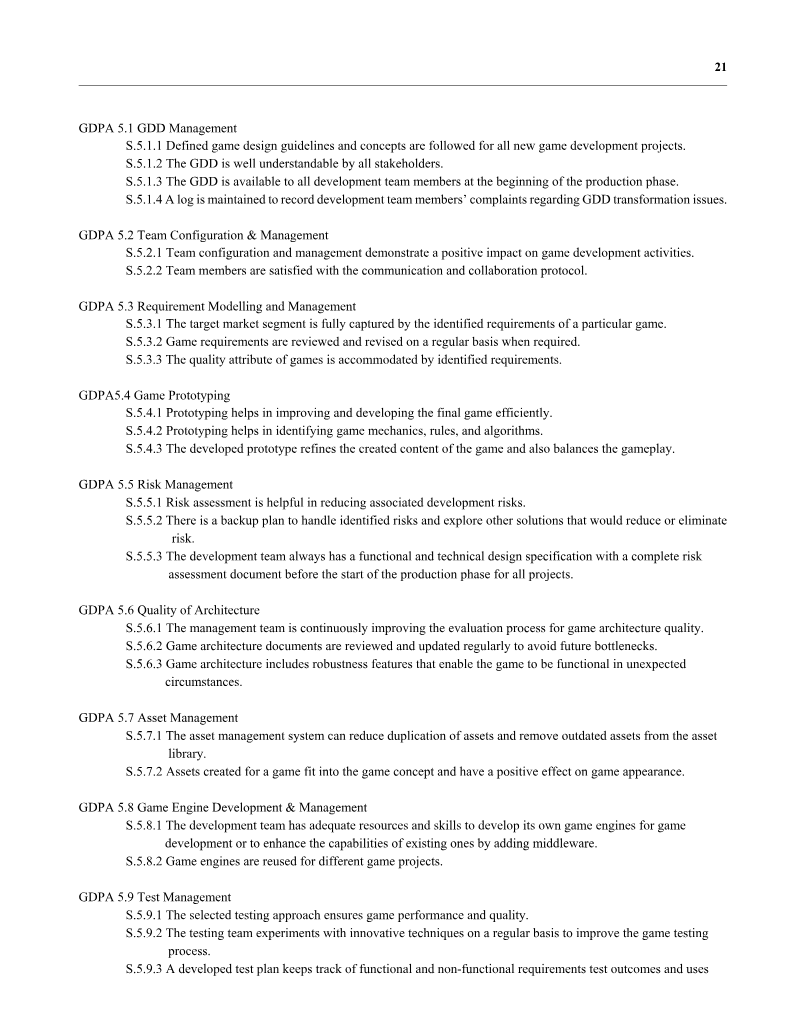
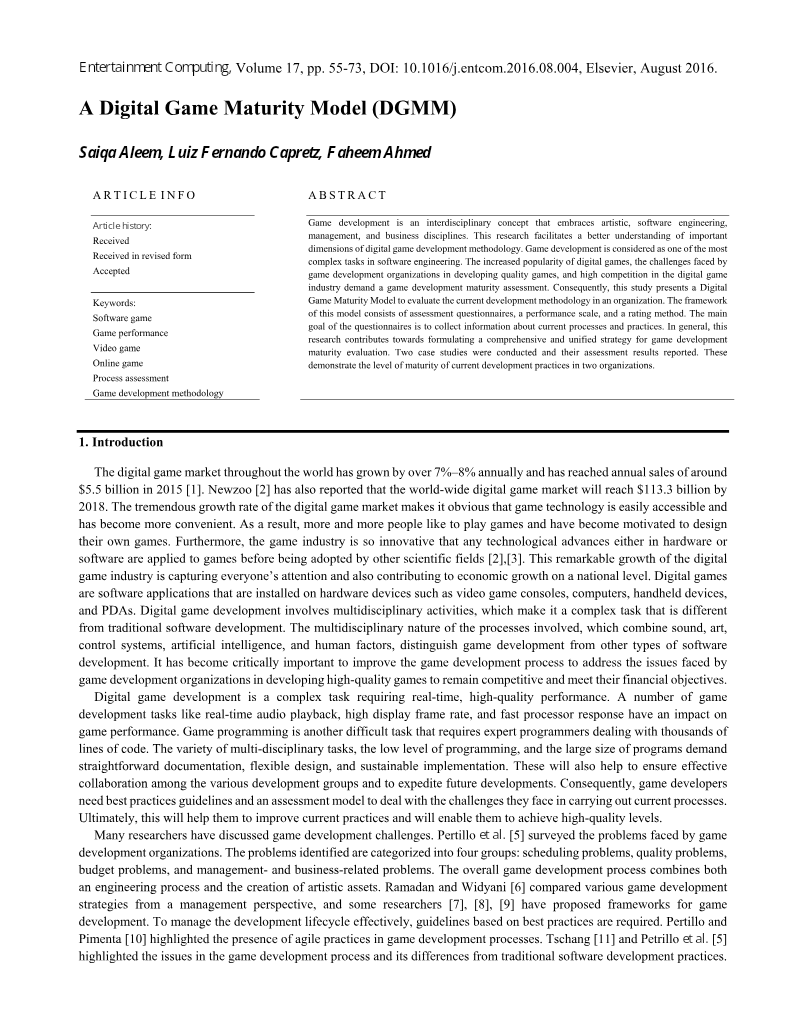
A Digital Game Maturity Model (DGMM)
Elsevier · 2016


Whitepaper
Transposing Freemium Business Model from Casual Games to Serious Games
Entertainment Computing · 2015