1 free read left. Create a free account for unlimited reading + AI research.
Create free accountArticle Hit Points
1 free read left. Create a free account for unlimited reading + AI research.
Create free accountArticleHit Points
The studio said the game will remain playable in a static state. Significant layoffs are expected as Bungie shifts focus toward new projects.
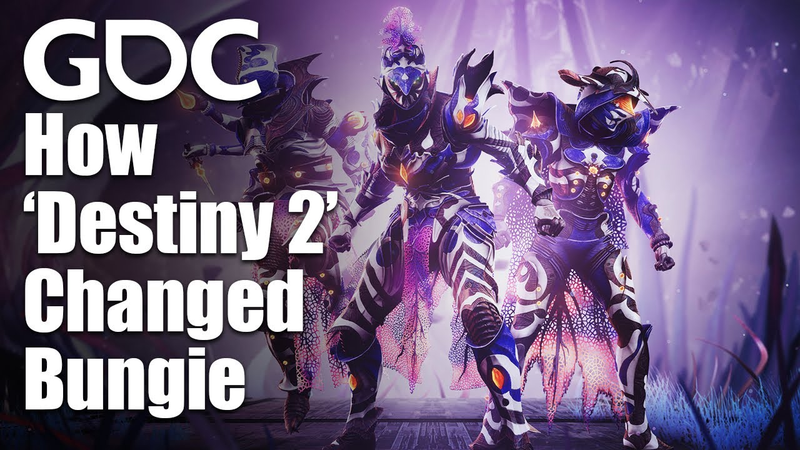
The conclusion of live-service development for Destiny 2 marks the end of a decade-long era for Bungie. Following the announcement that the final update for the title will arrive on June 9, 2026, the studio is expected to undergo significant layoffs as it shifts focus toward incubating new projects. While the game will remain playable in a static state, the cessation of active development signals a definitive close to the franchise’s live-service lifecycle, which began with the original Destiny in 2014 and continued through the 2017 launch of its sequel.
The decline of the franchise is attributed to a combination of strategic missteps, including the prioritization of internal expansion, corporate diversification into film and television, and a failure to align with player expectations until the game’s final stages. The 2024 release of The Final Shape expansion provided a natural conclusion to the core narrative, after which the game entered a period of managed decline characterized by dwindling player engagement, increased matchmaking times, and a structure that became increasingly inaccessible to new users.
This transition highlights the inherent volatility of the live-service model, where the necessity of constant content updates often leads to a cycle of player churn and eventual obsolescence. The end of Destiny 2 serves as a case study in the challenges of maintaining long-term engagement in a competitive market, reflecting broader industry trends where even high-profile titles face inevitable downturns once they pass their peak. The shift leaves the community with a static, legacy version of the game, effectively closing a chapter for both the developer and its long-term player base.
Hit Points · 2026
Hit Points · 2026

Hit Points · 2026
Hit Points · 2026
Hit Points · 2026
Hit Points · 2026

Hit Points · 2026
Hit Points · 2026
Hit Points · 2026
Hit Points · 2026
Hit Points · 2026
Hit Points · 2026
Deconstructor of Fun · 2025