Key insights
7 slides
Key numbers
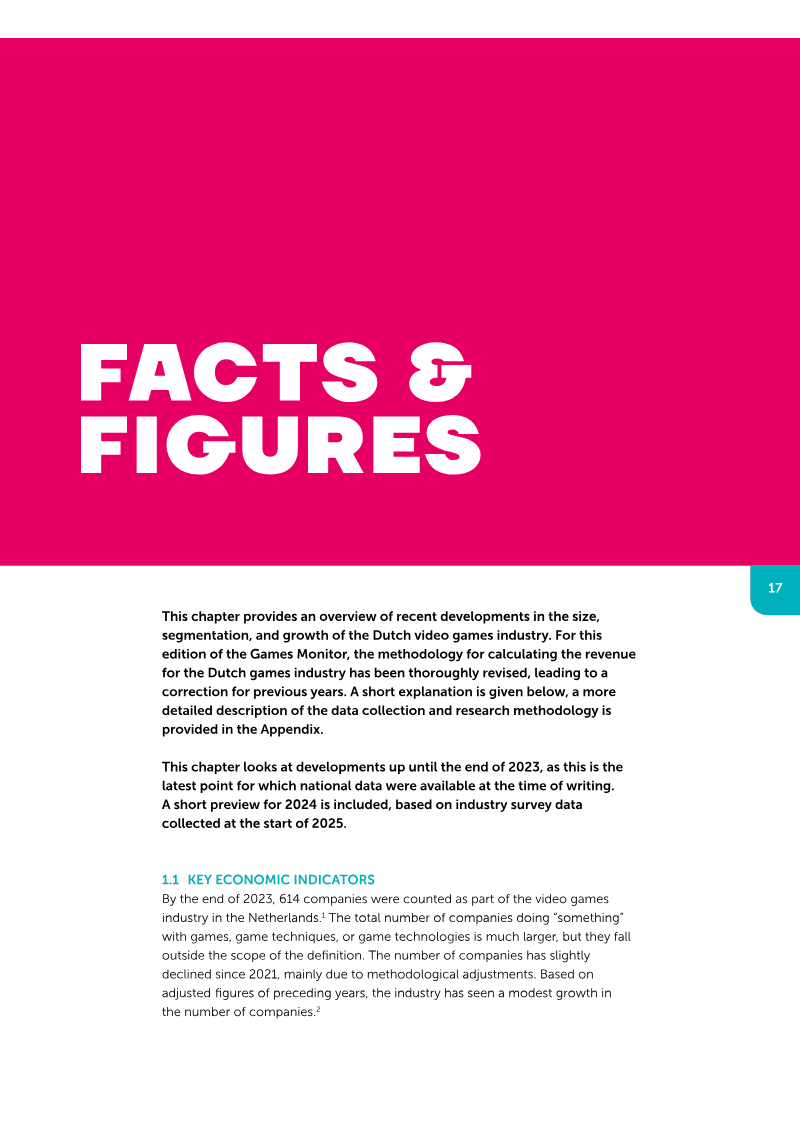
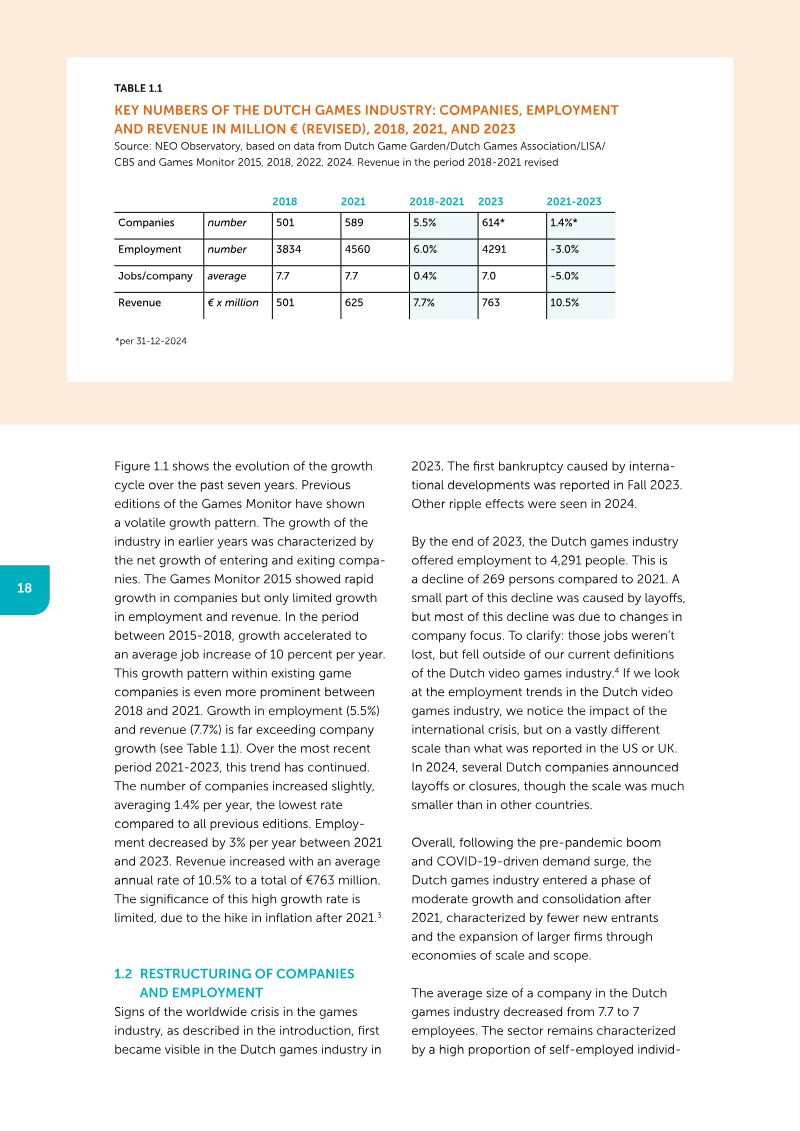
The Dutch games industry generated €763 million in total revenue in 2023.
The sector is composed of 614 companies.
Workforce shift
Employment in the Dutch games sector has contracted to 4,291 jobs.
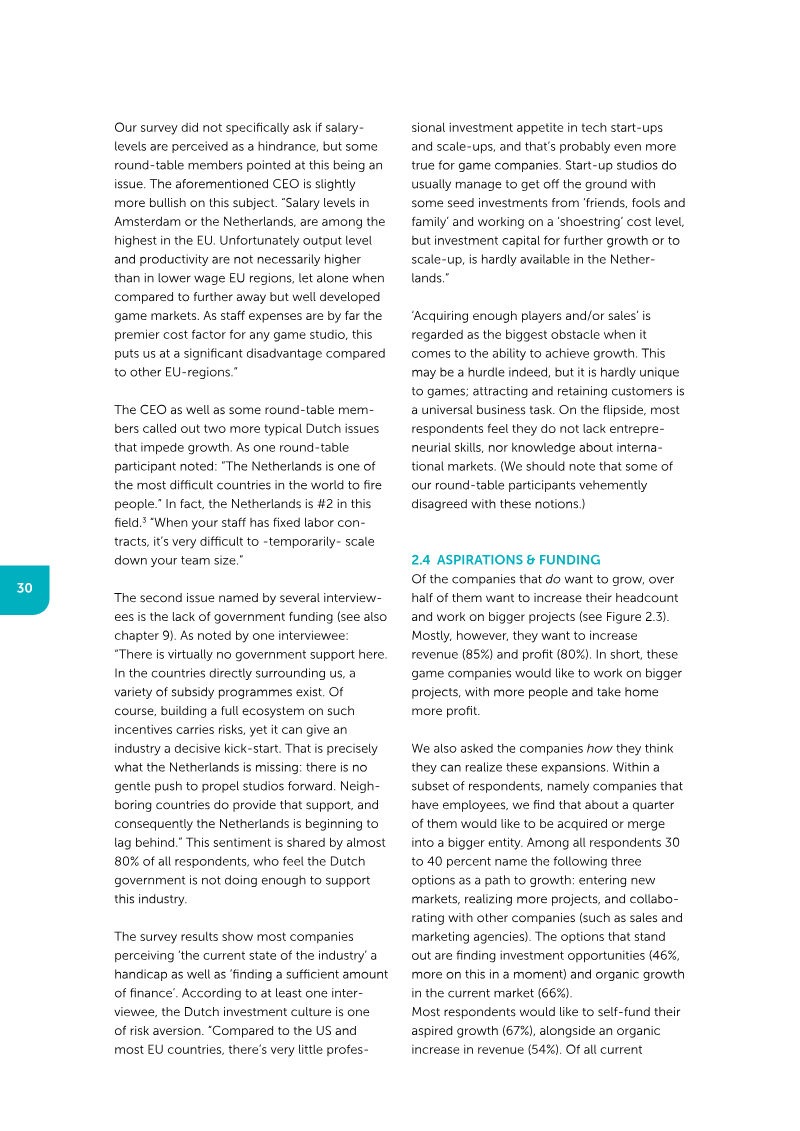
Companies are moving away from rapid scaling. They are shifting towards organic, self-funded development models.
Systemic hurdles
The industry faces systemic challenges including a talent gap and high labor costs.
There is also a lack of competitive government support structures. This is compared to neighboring European countries.
Sector strength
The applied games sector remains the industry's most robust pillar.
This sector leads in both growth projections and the adoption of generative AI tools.
AI adoption
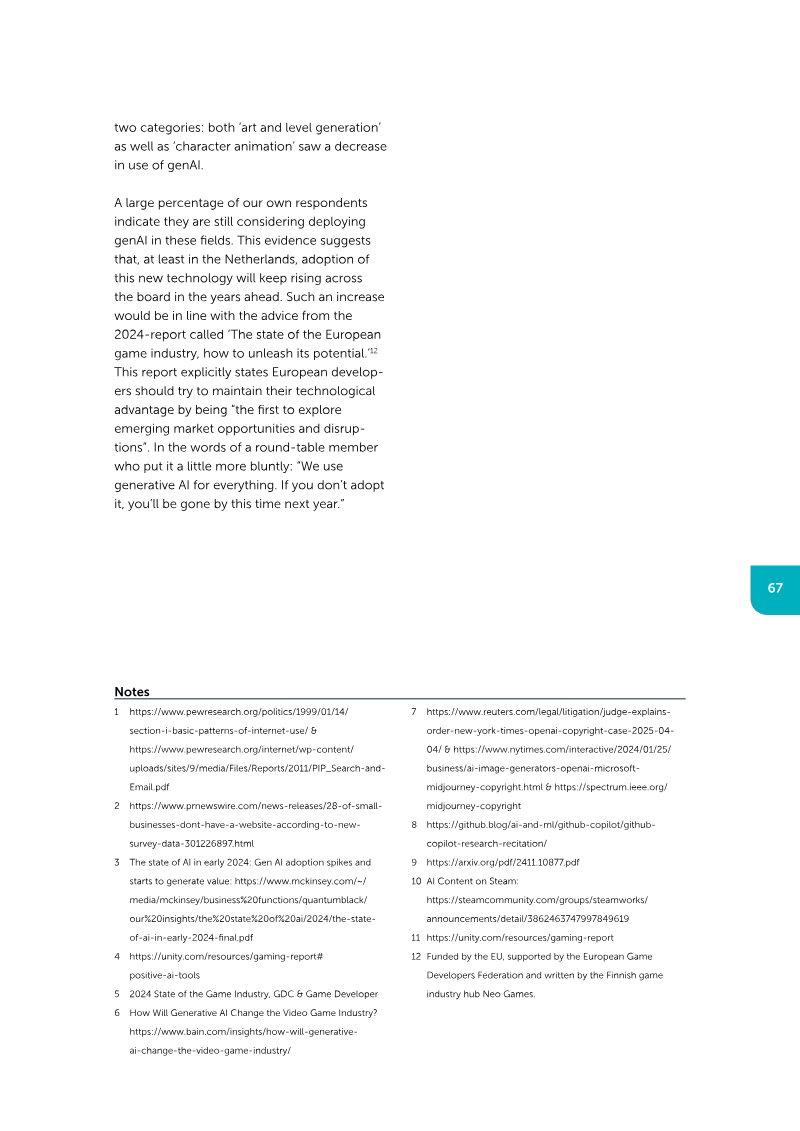
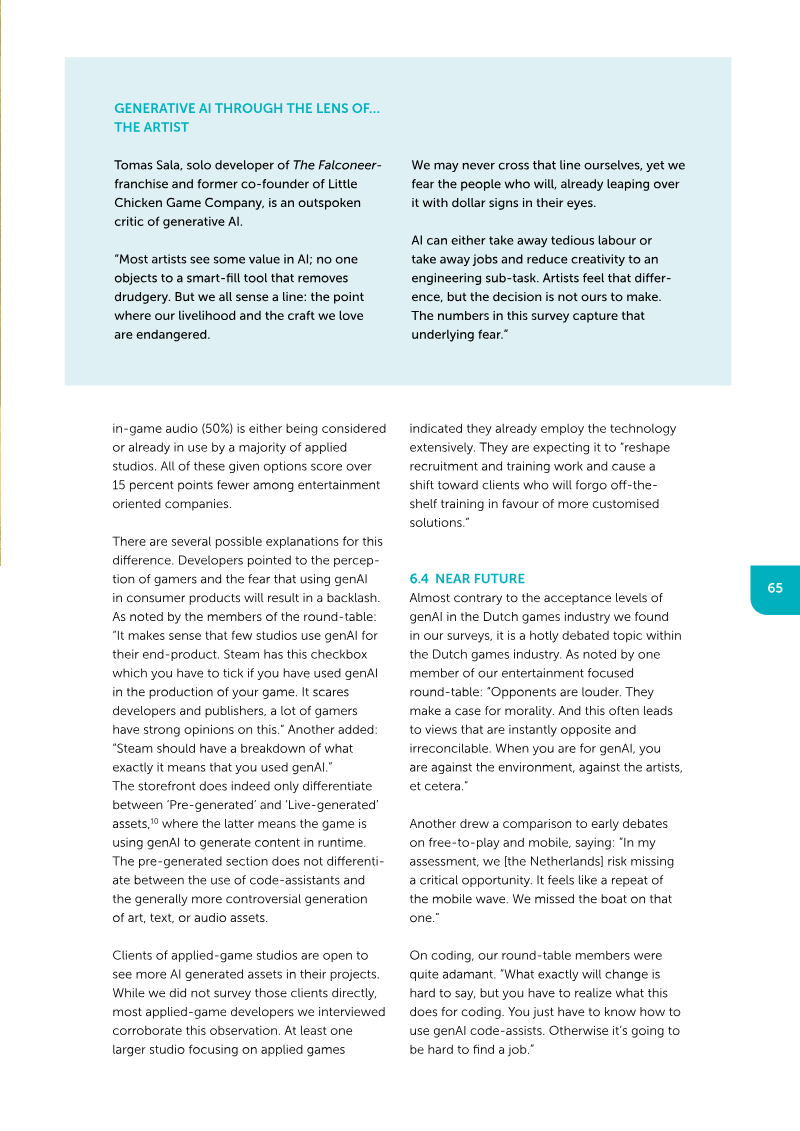
Generative AI is widely used for pre-production and coding in game development.
Developers are avoiding its use for final assets. This is due to ongoing ethical and copyright concerns.
Education pipeline
The educational pipeline for game development is experiencing a decline in enrollment.
Graduates are increasingly moving into game-adjacent sectors. These sectors value technical expertise and game-design thinking.
Environmental goals
Sustainability initiatives have stalled across the industry.
Firms are prioritizing financial stability over environmental goals.
1 / 7
Ask AI about this report