Key insights
6 takeaways · ~2 min read- 01Form 10-K provides a comprehensive annual overview of a company's business operations, risk factors, and audited financial statements, while Form 10-Q serves as an abbreviated quarterly update.
- 02Item 7, the Management’s Discussion and Analysis (MD&A), is a critical section where executives provide context on financial results, liquidity, emerging trends, and risk management strategies.
- 03Item 1A in the 10-K explicitly lists significant business risks, prioritized by their potential impact on the company.
- 04Item 8 contains the core financial data—including income statements, balance sheets, and cash flow statements—alongside mandatory auditor reports and GAAP compliance notes.
- 05All 10-K and 10-Q filings are submitted to the SEC and are publicly accessible through the EDGAR database or corporate investor relations websites.
- 06Public companies are required to certify the accuracy of their filings, though the SEC reviews these documents for compliance rather than guaranteeing the correctness of the information.
Summary
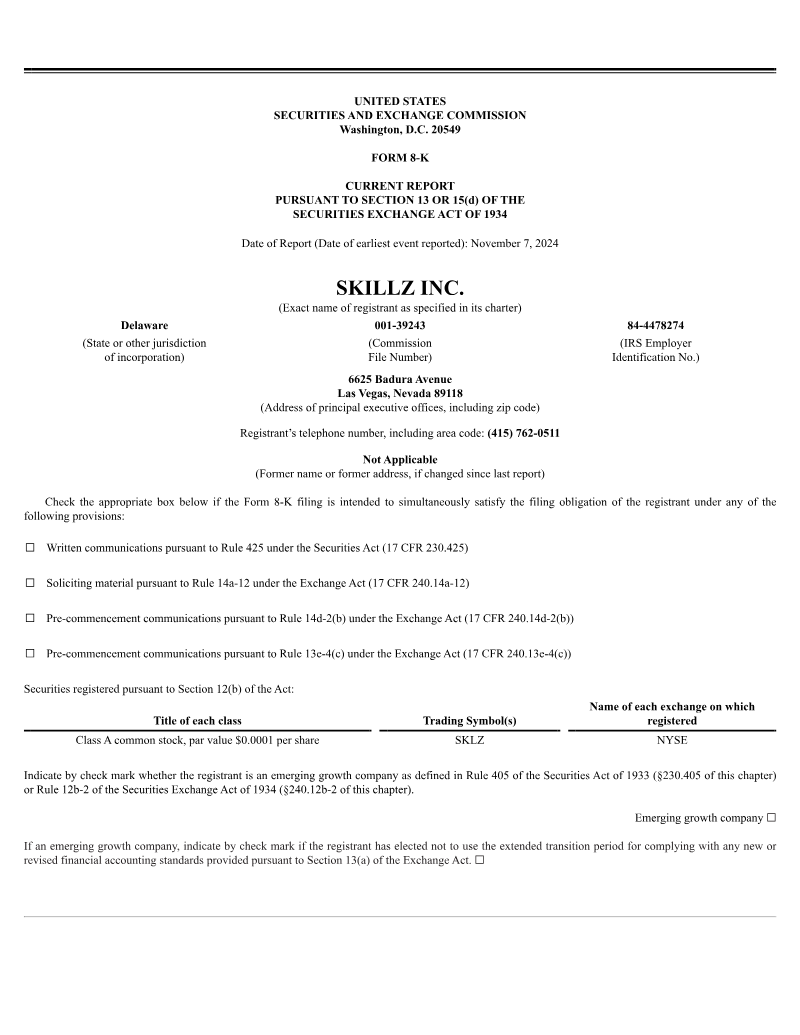
The guide explains how U.S. public companies disclose detailed business, risk, and financial information through Form 10‑K annual reports and Form 10‑Q quarterly filings. Companies prepare these documents, certify their accuracy, and file them with the SEC; the SEC reviews compliance but does not guarantee correctness. All filings are publicly available via EDGAR and often posted on corporate websites.
Key sections of the 10‑K include Item 1 “Business,” which outlines products, subsidiaries, markets, and operational factors; Item 1A “Risk Factors,” listing significant risks by importance; and Item 7 “Management’s Discussion and Analysis (MD&A),” where executives explain results, liquidity, trends, accounting judgments, and risk management. Financial statements (income statement, balance sheet, cash flow) appear in Item 8, accompanied by auditor reports and GAAP compliance notes. Items 9–14 cover accounting changes, internal controls, governance, executive compensation, ownership, related transactions, and accountant fees. Item 15 lists exhibits such as bylaws and contracts.
The 10‑Q mirrors the 10‑K but is abbreviated, focusing on financial statements, MD&A, market risk disclosures, controls, legal proceedings, and risk factors for the quarter. The document also notes that some companies use their 10‑K as the annual shareholder report, though it may be more detailed than a glossy presentation.
Overall, the guide serves investors by outlining the structure, content, and regulatory context of 10‑K and 10‑Q filings, emphasizing the importance of certifications, auditor opinions, and non‑GAAP measures for informed analysis.
Cite this report
Citation
Generating citation…