1 free read left. Create a free account for unlimited reading + AI research.
Create free accountArticle Hit Points
1 free read left. Create a free account for unlimited reading + AI research.
Create free accountArticleHit Points
Unity reduced its headcount by approximately 200 employees. This followed a 70% decline in its share price year-to-date and multiple missed financial forecasts.
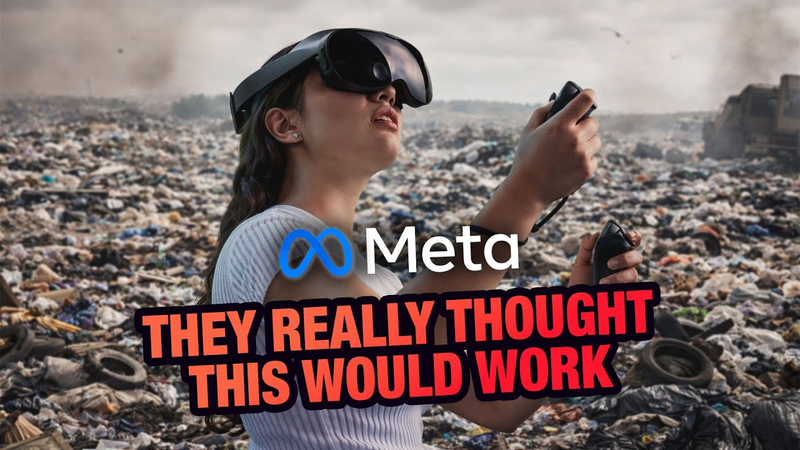
The gaming industry’s recent pivot toward the metaverse is characterized by a lack of substantive definition and a reliance on corporate buzzwords. Rather than fostering innovation, the metaverse trend has served as a catalyst for significant workforce reductions, highlighting a disconnect between executive strategy and the stability of frontline employees. This trend reflects a broader pattern of corporate mismanagement where leadership avoids accountability for poor financial performance by offloading the consequences onto staff through layoffs.
Key industry developments from mid-2022 illustrate this volatility. Unity, facing a share price decline of over 70% year-to-date and a history of consistent financial losses, reduced its workforce by approximately 200 employees, or 4% of its staff. Simultaneously, Niantic cut 85 to 90 positions, representing 8% of its workforce. While Unity’s actions are framed as a response to immediate financial underperformance, Niantic’s layoffs are positioned as a preemptive measure against future economic instability. However, the analysis suggests that Niantic’s struggles stem from an inability to replicate the success of its flagship title, Pokémon Go, through repeated attempts to reskin the same gameplay mechanics across various intellectual properties.
These events underscore a recurring cycle of boom-and-bust hiring practices within the technology sector. While executives utilize the promise of the metaverse to justify strategic pivots and secure investor confidence, the human cost is borne by employees. The analysis concludes that these layoffs are often the result of internal strategic miscalculations rather than unavoidable market forces, yet they are consistently presented as necessary adjustments to navigate external economic storms.
Hit Points · 2026
Hit Points · 2026

Hit Points · 2026

Hit Points · 2026

Hit Points · 2026

Hit Points · 2026

Hit Points · 2026
Hit Points · 2026
Hit Points · 2026

Hit Points · 2026

Hit Points · 2026

Hit Points · 2026