1 free read left. Create a free account for unlimited reading + AI research.
Create free account
10 must-know business tips for games industry freelancers
Key insights
6 takeaways- 01Treat freelance work as a formal business entity rather than a creative hobby to ensure long-term financial stability and professional standards.
- 02Maintain a curated portfolio that exclusively showcases the specific type of work you intend to attract to align your output with target market demand.
- 03Exercise selectivity when accepting projects by evaluating them against a structured rubric of financial compensation, creative inspiration, and client compatibility.
- 04Mandate detailed contracts for every project to explicitly define payment terms, intellectual property rights, and specific limits on revision requests.
- 05Practice financial literacy by maintaining a separate workspace and rigorously tracking business expenses to maximize tax deductions.
- 06Utilize dedicated software for accounting, invoicing, and task management to automate administrative burdens and maintain professional operations.
Ask AI about this video
Transcript
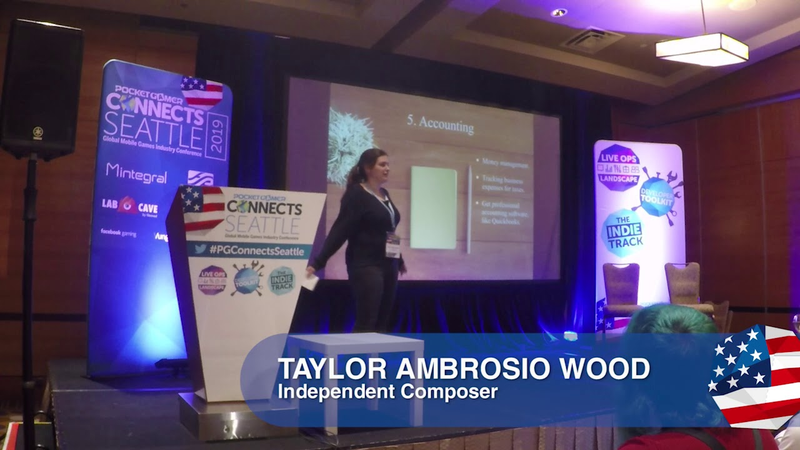
so hello everyone good afternoon my name is Taylor and brazilwood and I'm a freelance composer here in Seattle and I'm here to talk to you about 10 business tips for game industry freelancers so I've been a freelancer for about the last two years after I finished my master's and scouring for video games film and TV and these are some things that I've learned over the last couple years that I felt were omitted from my program and a lot of schools that are very important so why is freelancing relevant well most people in the game industry will be a freelancer at one point in their career either starting out switching between full-time game industry jobs or maybe doing a little freelancing on the side and as you can see in the current state of our industry with triple-a companies laying off people by the hundreds it's always good to have your freelance stuff all set up so you can protect yourself and you're ready to go all right let's
try there we go okay so our goals of freelancing is to build your career build your business get paid doing what you love get better and better projects and remain organized and happy and have it all work out the first tip is to think of yourself as a business the sooner you do this the better off you'll be so your professionalism will attract quality clients so you're now your own business the owner the manager and your only employee usually to start and it's more similar to a startup company or an entrepreneur so I know if you're like a freelance artist or level designer we tend to think oh we're an artist which is great but you also need to like put your own business hat on so that's the first thing the second thing is assembling a great portfolio again this is great even if you have a full-time job in the game industry just in case so when assembling portfolio you want to think about what's most representative of your work and when deciding on what to add to your portfolio whether it's level designs or music in my case or art is if somebody just looked at that one
piece would that would you be okay with that and would that be representative of your work because again in modern times people don't have time to look through your whole portfolio so they might click on one thing see one image so just be very careful about each thing that you post and add to your portfolio don't make yourself look like a student not that's bad to be a student and even while you are a student like when I was getting started I got a lot of gay from my school projects but I retitled them or called them something else or say they're from like a unfinished game you were working on or something as opposed to like student exercise number one so again you want to make yourself look like a professional business another thing to think about when assembling your portfolio is what kind of business do you want to be do you want to have a very specific style people come to you because you write the style music or you do this style of art or do you want to be more broad and like you can imitate other styles so it's what kind of business do you want to be is an important thing to think about another part of this is having your online presence if you're an artist being on Instagram and whatever social
media is relevant to your field having a nice professional website I suggest WordPress because there's tons of resources for it looking at other websites in your profession to kind of see what they do and see what you like or don't like is great and I suggest marketing yourself as a master instead of a jack of all trades master of none because although you can be hired to do a bunch of different things in your freelance career it's good to show what you want to be asked to do so same with your portfolio like if I don't like trail riding trailer music which I don't I don't really show any of it because I don't want people to ask me to do that you know so think about what do you want people to ask you to hire you to do again with social media every post you have is now a professional one even your private friend Facebook because anyone can screenshot anything and everybody knows everyone as you know so you want to make sure you know not to drag clients on your private Facebook and things like that and yeah it's a very small circle so just being aware that
you can still post fun stuffs and memes but that you're also a business now so step three is attracting quality clients you want to not only network with potential clients like game developers who could hire you to write music or do art but also your colleagues like I've gotten a lot of gigs because a friend had too many and he suggested me or needed orchestration or additional music for his so sometimes we forget about like hanging out and kind of networking with our own colleagues you also want to scope out potential clients do you think they're actually going to finish their project how long is it going to take and valuing going to in-person things like this event or GDC as well as your online presence like if you live really far out I used to live in Portland and I would take the train to Seattle events like go to go to events and stuff so kind of using in-person meetups to support your online presence is really helpful and you can be when we have when we start out freelancing we have a tendency to just take any gig that comes our way but you can be a little bit
selective so you kind of want to judge potential gigs on these three aspects so money are they gonna pay you a lot a little what kind of project it is are you inspired by it it's the client are they nice than going to be a nightmare to work with so if they're not gonna pay you the project's not very good and they're a nightmare probably don't take it right so kind of using that rubric to judge what you're going to participate in and if you don't have if you've got your portfolio and everything's great and you don't have any clients start making your own projects again create things that you want people ask you to do if you want to do horror sound designs start making a bunch of examples of that so you don't need to just like sit on your hands like start creating stuff that you want people to hire you to do okay so step four is you want to have contracts no matter how small the project is no gentlemen's agreements no oh it sounds good because game projects as you guys know usually take a really long time so you might not even remember what you agreed to two years ago if the projects taking a long time so there's no detail too small to include how many revisions the
terms of payment how you're going to be credited are you going to keep the rights to your work and music that's a very important thing and you can find a contract template in your field like if you're a visual artist like again that's another great reason to network with your colleagues to be like what did you guys use what should I put in it or some people that have been freelancing longer than you you know you can ask so if a potential client doesn't want to sign a contract or doesn't want to negotiate that's a bit of a red flag if they're like oh don't worry about it yeah I'll pay you be careful of that okay so you want the contract not only keeps it professional but it also helps remember what it was so that the client feels protected they you know what all your responsibilities are and then you have in it okay you're going to pay me after 14 days after invoice you and etc so don't be afraid to negotiate with contracts take a long time sorting it out again you're showing professionalism and you want to attract professional clients and keep everybody happy so it's very important to have contracts okay who
likes money raise your hand if you want money and you like it okay come on guys yes okay we all like money we like food we like eating we like money so all businesses have their own accountants so because you're your own business you also need to be your own accountant so that you can make money it's not glamorous but it does need to be done so money managing your money how much you're spending what you're taking in keeping track of business expenses as a freelancer any of you guys who've already paid freelancer taxes you know it's kind of a nightmare and it's a lot of money because you don't have a company paying your taxes for you so keeping track of business expenses software you buy a new tablet for like your art you know coming to this event those kind of things if you keep record of them you can deduct them on your taxes which is fantastic so I suggest getting an accounting software I use QuickBooks it's like 20 dollars a month and you can like sync it with your bank account and tag every single expense so
you can see what's a business expense what's personal or whatever and the end of the year you can just look at it all at once and you know keeping track of your receipts and stuff like that again not glamorous but now your business and this really will help I didn't do this the first time and it was not great so I would suggest that you think about being your own accountant the other aspect of this is if I can press the button I'm pressing the wrong one there we go okay so we all are familiar with this meme if you've been a freelancer you want the payment but there's just a couple more changes so again that's something to put in your contract like how many revisions are you gonna do and using like I got paid so much faster and more when I started using professional invoices as opposed to like just having our word of agreement or like a cruddy invoice I made myself so having a due date a reminder date using the accounting software for invoicing is super helpful because that makes the accounting software can now be the bad guy because like the email comes from QuickBooks like your invoice is due in three days as opposed to you having to like text your client or something then you
can be the creative and be like the fun one and then the software will do the bad guy job for you of getting your payments and reminding them and such which eventually you know an agent or a manager would do but if you don't have that it's good to have the software so it removes yourself from the equation don't be afraid to add late fees detailed item descriptions of everything that it took you to do whatever the project is rush fees again that's something I didn't think about if you have a pre-approved timeline and they suddenly want you to do something really quick that's also things you can work into your contract so again like a business we have a tendency as artists to be like oh I'll just you know whatever you say but it's good to have it all in writing it just makes everybody's life easier here's some examples of like the QuickBooks invoice you can choose the color and everything you can have like the due date the pay by date the you know subtotal if you include like tax you know all the different items if you did a bunch of things for them or so that your client can see all the work that went into it as well yeah and then yeah it sends an
email and you can create a template for it and it's like really nice and professional and I got paid so much faster when I started doing this okay so software in gear management this is number six is you want to again your business so you want to have inventory of your stuff so always be backing up your computer if your project if your computer dies tomorrow what was even on it again technology as we know always dies right when you're in the middle of something important that's just like how it happens so you want to be backing up your computer and have a list of like all the software like at me as a musician have tons of like sample libraries and lease programs and plugins I'm sure you guys do too with your various fields so having a list of all of that I like Backblaze which just backs up in the background of your computer and if you log in you can't on their site you can see everything that's being backed up and then you can just download specific files like I had an external
hard drive totally crash and then I just downloaded some select files from there or you can have them mail you a hard drive with everything that was on it so it's a really quick way to get back up in business and it can also backup external hard drives you have connected to your computer which is cool carbon-copy cloner is also great it creates a bootable hard drive copy of your computer's hard drive so if your hard drive dies you can boot up your computer from this external drive which is great if you're like again in the middle of a project and you don't have time to like go get a new computer really quick yeah so having a backup plan in place yeah I've write a lot of salt like a lot of hard drives so this is really important again sometimes you just spill water on something or something you know so it's good to have everything backed up oh and renters insurance yeah depending on where you live maybe you want to do that in case somebody I've had a lot of friends get laptop stolen out of their cars and all that kind of stuff or people break in and take their equipment because as you know we all have like fancy expensive equipment now okay so number seven is
task management so you want to you don't want to rely on your clients to create the schedule for you because sometimes it might be their first game sometimes they just might be too busy so we all know where we like make an agreement and the client just kind of like falls off the face of the earth or get too busy so you can be in charge of creating that professional timeline so scheduling meetings this is when we're going to meet up checking in regularly with your client like using cask management software again using software to be the bad guy so you can be the fun creative so having like asana is good Wunderlist or even just the google drive a spreadsheet of like this item is due by then if we were doing like I know a lot of freelance artists and like composers in my case do task management through this kind of program because again there aren't really sometimes in some fields aren't really many in-house positions so you got to be freelancer or you're doing gigs on the side and it's nice to keep
it all organized you want to make your life easier okay so number eight your freelancer you got your stuff set up but you don't really got any gigs but you also have rent so what do you do finding a side gig most freelancers have a side gig there's no shame in that and they just don't talk about it so it's totally great to have a side gig you need maybe you have like student loans or medical bills or something like that and your freelance projects aren't enough somebody's delayed or something like that so finding a side gig that will allow you enough time to also freelance and is also like kind of relaxing or it doesn't need to necessarily be related to your field but something that you enjoy that's not like a time suck and like exhausting do you know what I mean so that's really important to do something that's flexible so you can also continue freelancing is also really important so finding a side gig like for example I teach music less music private lessons because I live like around
Amazon and Facebook and Microsoft's all here so all of those programmers have disposable income and want to take music lessons and there I go so it's great to find a side gig okay so number nine is you want to have a workspace that's separate from your home living space even if you work from home so like don't work from in your bed have a desk space set up and or you could go to a co-working space like one here is Seattle Indies has one that's like you can rent a desk and you go there and you're like with everybody else so that's kind of nice if you like can't get work done by yourself because again as a freelancer you're your own business so you might not be socializing that much or getting out that much and you also want so working near people can be really helpful you also want to create your own schedule so it can be very tempting again to like wake up at noon work on some projects watch YouTube work until 2:00 a.m. it's not very healthy to do over multiple
days and like you want to have a consistent schedule right so like do you work on weekends its kind of defining like I try to keep like a normal business hours 9:00 to 5:00 sort of situation so do you work on weekends like D will you take client phone calls or texts on weekends kind of deciding that for yourself because it can be very easy to be working constantly as a freelancer because you don't have set hours where you go to like a business okay so our last tip is that who are you taking advice and critique from and to think about that and come up with your own opinions so one of the traps I fell into early on is I finish school young and naive and I was like everything everybody says is always right because I know nothing but that's not always true so again sometimes there if everyone has their own business their business model might not work for you you might get some advice from like someone who's a great industry professional and you're like oh my god they must be right but maybe it doesn't
apply to you maybe you're trying to be more specific in the in the product you're selling and your art you want to do this type of style and their suggestions don't really apply so it's important to like even everything I've said today and the speakers you'll hear today is be like what do I agree with what do I disagree with what is actually applicable to me what is not so a good rubric is like don't take critique from someone you wouldn't seek advice from so again sometimes your your friends even might be coming from a good place but maybe again the advice is not a hundred percent applicable to you so always be critically thinking you're looking out for your business as well and think and really be critical of who you're taking advice from and whether or not you agree so that's a very important thing to keep in mind we're building your business so that is the 10 tips that's what I got so now I can take questions thank you yeah I'll just kill you I'm doing a lot of
things wrong as a freelancer anyone any questions I have some let me just yeah get a marker to you I was wondering what some of your experiences might be with freelancing taxes because in tabletop freelancing in my own experience I found out that here in Seattle you need to actually be set up as a sole proprietor as a writer in order to get paid for that kind of thing and I actually already had a business about prior to that and so I didn't need to worry about it but I was wondering you could tell us what some of those taxes that you might have encountered so that can be avoided in the future yeah there's a lot of things to think about taxes like I pay an accountant to do that because I it's so complicated but yeah if you're a sole proprietor is usually how you'd file your taxes as a freelancer the tax laws have changed and like the last year but basically you can add the duck since that will that will then change your total gross amount because you pay taxes
now on the amount that your business makes so if you lose so much money and then like by using business expenses and make so much money they'll take taxes off that on the top of the B so then there's the other options like an LLC is that what you said you were or it yeah so an LLC is great which it which forming that will help you if you think you might get into legal situations because that that will be on the line your business like if someone tries to sue you as opposed to your own personal assets if you're a sole proprietorship and somebody has a legal beef with you your house your car and everything could be on the line so like if you have a family that might be good to do and then an S corp I believe you have to give yourself a salary so that's also a different thing and again it also depends if you're a growing business and you start having employees that's another thing to think about so yes I'm not and I'm not a lawyer or accountant but those are things to research is
which one would fit best for you I hope that answers it and you K basically it's so toots that of a limited company in the UK they it's so cheap to set up a liberty company that basically everyone's advice to do so okay and the tax benefits are so much better yeah obviously you've got different issues legally on that yeah it depends on your country too in your state like Washington doesn't have income tax but it's a different state might any other questions I'm gonna ask one anyway because oh it's more of a comment so one things I found was very useful is having a lead client so I spent first sort of five and half years of being what we're she probably seven years as being independent as an evangelist for the company so I was in the badges for unity for five and a half years for example and it was great because it put you in put me in a fantastic position where I was getting paid but I was also getting in front of everybody and and so but you've gotta be very careful because it's a bit of a honey trap because you kept very used to having the money and
you find it very difficult to spend the time actually working on the projects you really should be too actually do your your skills have you seen that kind of can I be experienced yourself or is that is that it's like usual or different like do you mean having a you said a couple really client oh yeah that can be really like I have a composer friend who like has a client that just pays them monthly no matter what to keep them on on reserves like yeah to keep them down so that can be really treating again if you're not actually doing work for them to is kind of odd because then you can that's what I mean by like what the portfolio always be creating something so it's good to have multiple clients and yeah you can find the same trap with one primary client or even a full-time position is that you get so comfortable with that and if they that's great I mean good for you if you've got that but again a lot of times something happens or they fall through and then you might be left that's not with nothing so even if you have a primary client not to get too caught up that still be networking still be poke you
know adding to your portfolio and things like that yeah yeah I know I I think I spend about a third if not off my time actually doing business development for myself yeah it's so hard to remember to do it for yourself yeah yeah a lot of freelance time is spent on like your website and your portfolio and your taxes and all that stuff and it's really not glamorous and kind of sucks but it it will make your life easier and you'll be able to last longer and setting it up properly to begin with will really help you in the future yeah I know I'm not No thank you very much thank you [Applause]
Summary
This presentation outlines ten essential business strategies for freelancers in the games industry, emphasizing the necessity of treating creative work as a professional business entity. The core thesis is that by adopting an entrepreneurial mindset, freelancers can better protect their financial interests, maintain professional standards, and ensure long-term career sustainability amidst the industry's inherent volatility.
Key recommendations include treating oneself as a business owner rather than just a creative, which involves maintaining a curated, professional portfolio that reflects the specific type of work one wishes to attract. The speaker highlights the importance of establishing a robust online presence and using professional tools—such as accounting software for invoicing and task management platforms—to handle administrative burdens. These tools serve as a buffer, allowing the freelancer to remain the creative lead while the software manages payment reminders and scheduling.
Contractual rigor is identified as a critical safeguard. The speaker advises against informal agreements, advocating for detailed contracts that cover payment terms, revision limits, and intellectual property rights. Furthermore, the presentation stresses the importance of financial literacy, including tracking business expenses for tax deductions and maintaining a consistent, separate workspace.
The scope of this advice covers the independent game development sector, drawing on the speaker’s experience as a freelance composer. The methodology relies on professional best practices and personal experience gained in the Seattle game development scene. The speaker concludes by advising freelancers to be selective with projects based on a rubric of pay, inspiration, and client compatibility, while also maintaining a critical perspective on the advice they receive from others to ensure it aligns with their specific business goals.














Comments