Mobile Games
The mobile market by genre, from hypercasual and puzzle to midcore and idle.
403 documents

Newzoo
PresentationThe Global Games Market: Trends, Market Data and Opportunities
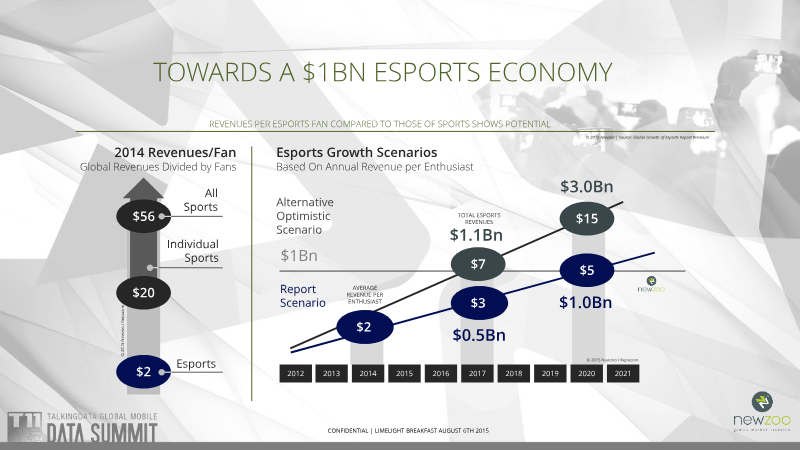
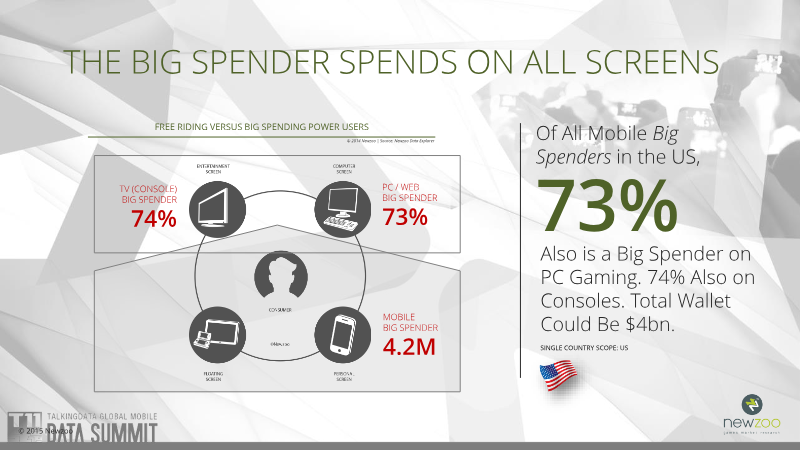
The global games industry is currently undergoing a fundamental transformation characterized by the rapid ascent of mobile gaming and the professionalization of competitive esports. As the market matures, the esports sector is projected to reach a $1 billion valuation by 2019, fueled by an increasing convergence between traditional sports and digital competitive play. This growth is underpinned by a shift toward data-centric business models, where advanced analytics and big data integration serve as the primary drivers for monetization, user retention, and strategic decision-making. Mobile gaming remains the dominant force in this landscape, with China, Japan, and the United States serving as the primary engines of revenue. In the United States, the most valuable consumer segment consists of employed, family-oriented males aged 21 to 35 who demonstrate high engagement across multiple platforms. Conversely, the Chinese market presents a more complex environment defined by Apple’s hardware dominance and a highly fragmented Android ecosystem. Navigating these regional nuances requires granular insights, such as genre-specific payment rates and session behavior, to effectively optimize user experiences. Success in this evolving market increasingly depends on the application of sophisticated metrics to refine product development and marketing strategies. Implementing data-driven interventions, such as post-purchase tutorials, has proven effective in increasing repeat order rates and overall lifetime value. By leveraging comprehensive mobile game metrics and behavioral analytics, stakeholders can better navigate the complexities of international markets and capitalize on the shifting preferences of a global player base. This analytical approach is essential for maintaining a competitive edge as the industry continues to integrate deeper technological and behavioral insights into its core operations.

Newzoo
ReportRolling into the Southeast Asian Games Market: Sizing Opportunities in the World's Fastest Growing Region
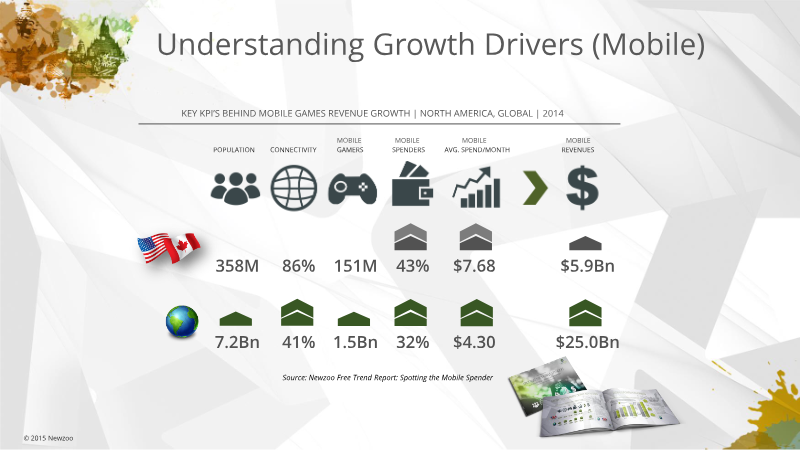
The Southeast Asian games market is currently experiencing a period of rapid expansion, positioning the region as one of the fastest-growing sectors in the global gaming industry. The primary purpose of this analysis is to quantify the market’s growth potential, identify key revenue drivers, and provide a comparative overview of the gaming landscapes in Indonesia, Malaysia, the Philippines, Singapore, Thailand, and Vietnam. By examining demographic data, connectivity trends, and spending habits, the research highlights a significant shift toward mobile gaming as the primary catalyst for regional revenue growth. The data indicates that the total Southeast Asian games market is projected to double in value between 2014 and 2017, rising from $1.1 billion to $2.2 billion. Mobile gaming is the primary driver of this trend, with mobile-specific revenues expected to triple during the same period. This growth is supported by a massive increase in mobile connectivity and a rising number of active gamers across the region. Indonesia and the Philippines are identified as the fastest-growing markets, with compound annual growth rates of 37.3% and 36.5%, respectively. While Singapore maintains the highest average annual spend per gamer, the broader region shows significant potential for monetization as online populations continue to expand. Methodologically, the findings are derived from a comprehensive 75-page industry report that synthesizes market sizing, consumer behavior, and revenue projections. The analysis utilizes a combination of proprietary data, regional demographic statistics, and comparative KPIs to contrast Southeast Asian performance against global and North American benchmarks. By focusing on the "Big 6" nations, the research provides a granular view of a diverse market where varying levels of GDP per capita and digital infrastructure create distinct opportunities for stakeholders in the mobile and PC gaming sectors.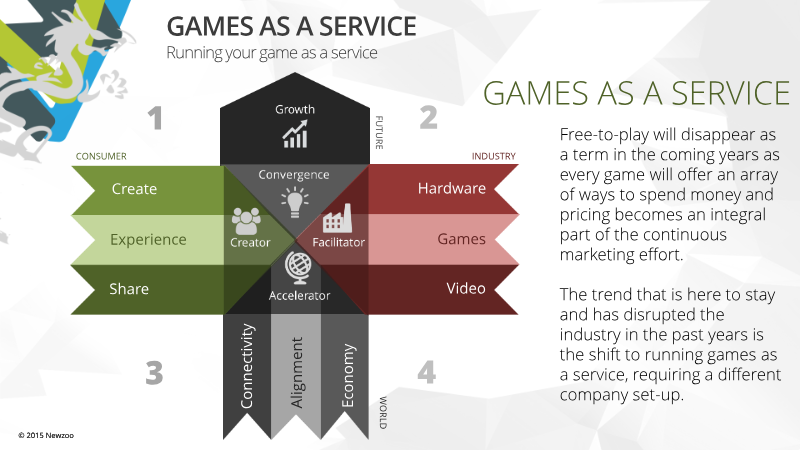

Newzoo
ReportChina's & Southeast Asia's Mobile Games Market: Every Piece of the Puzzle
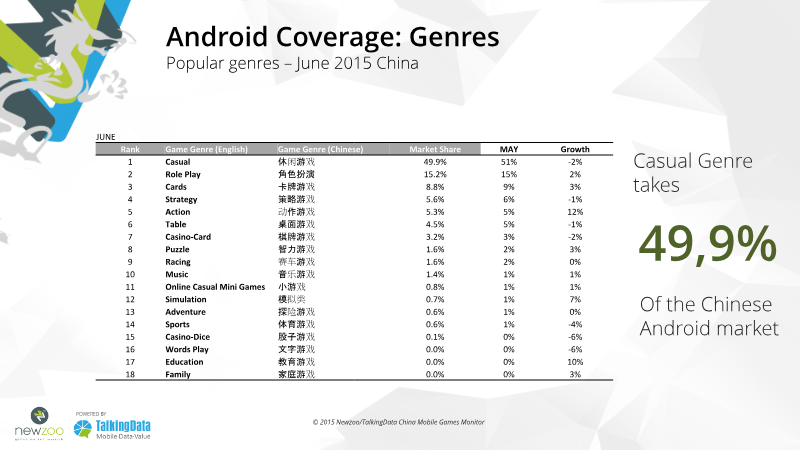
This analysis examines the mobile gaming landscape in China and Southeast Asia as of mid-2015, highlighting the region’s pivotal role in the global games market. With the global games industry projected to reach $91.5 billion in 2015 and exceed $113 billion by 2018, mobile gaming has emerged as the fastest-growing segment. The research emphasizes a fundamental shift toward "games as a service," where free-to-play models and continuous digital content updates drive long-term revenue, exemplified by Electronic Arts’ billion-dollar digital content strategy. China stands as the world’s largest mobile games market, with 2015 revenues reaching $6.5 billion. The market is characterized by a high volume of casual and role-playing games, with a fierce competitive landscape between iOS and Android platforms. In contrast, Southeast Asia is identified as the fastest-growing region, with a projected 2014–2018 compound annual growth rate of 30.2%. Unlike the more insular Chinese market, Southeast Asia demonstrates a high receptivity to Western titles, which account for approximately half of the top-grossing games in the region. This openness is partially attributed to the prevalence of English as a language of business and culture in countries like Singapore, the Philippines, and Malaysia. The methodology relies on predictive analytics, consumer insights, and market data modeling, incorporating proprietary research and third-party sources such as TalkingData. Key demographic findings reveal distinct differences between the two regions; for instance, Southeast Asian "big spenders" are more likely to live in family households (74%) compared to their Chinese counterparts (31%). Furthermore, the analysis identifies a growing trend of consumer-generated content, where players increasingly expect to create, share, and influence game experiences. Successful market entry strategies for these regions require a nuanced approach that accounts for these demographic variances, language accessibility, and the necessity of integrating global roll-out strategies from the initial development phase.


Newzoo
PresentationThe eSports Industry to Date: The Drivers Behind Current and Future Growth
The global esports industry is undergoing a rapid transformation from a niche gaming subculture into a significant, multi-billion dollar economic force. Driven by high levels of player engagement and massive viewership on platforms like Twitch, the sector is successfully transitioning toward mainstream adoption. This evolution is underpinned by increasing professionalization, strategic investments from major media and hardware corporations, and the emergence of diverse, direct revenue streams that capitalize on a highly valuable, digitally savvy demographic. Financial data from 2015 underscores this momentum, with industry revenues reaching $252 million and establishing a clear trajectory toward a $1 billion economy by 2019. This growth is fueled by a complex interplay of evolving game genres, supportive regulatory frameworks, and the convergence of traditional and digital media. Notable indicators of this expansion include record-breaking crowdfunded prize pools, such as the $18 million generated for The International, and substantial venture capital injections, exemplified by the $26 million investment in Super Evil Megacorp. The industry’s current high-growth phase is characterized by enthusiasts who actively participate in betting, fantasy leagues, and multi-screen consumption. As the market matures beyond the volatility seen in previous decades, the focus has shifted toward sustaining this expansion through 2017 and beyond. Ongoing success depends on the continued tracking of audience trends and revenue metrics, ensuring that stakeholders can effectively navigate the sector's rapid development and capitalize on the deepening integration of consumer-generated content and professionalized streaming ecosystems.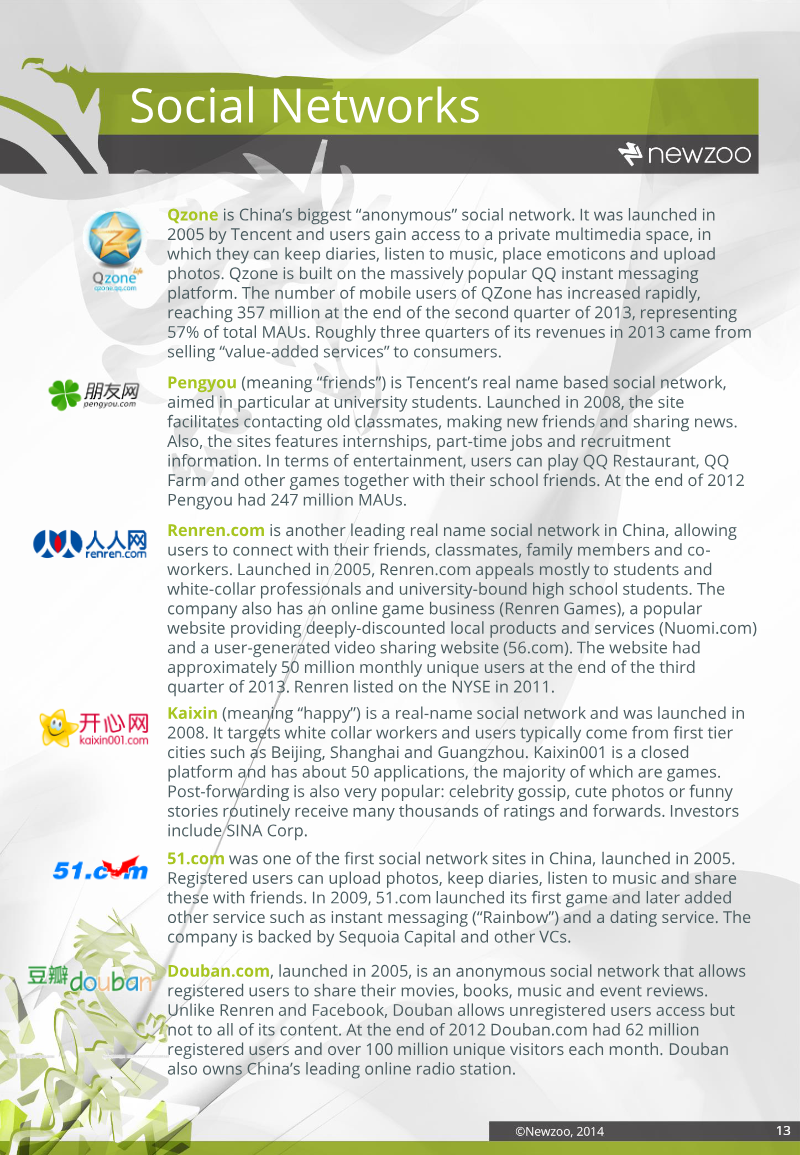

Newzoo
ReportIntroduction to the Chinese Games Market: Opportunities in This Expanding Market
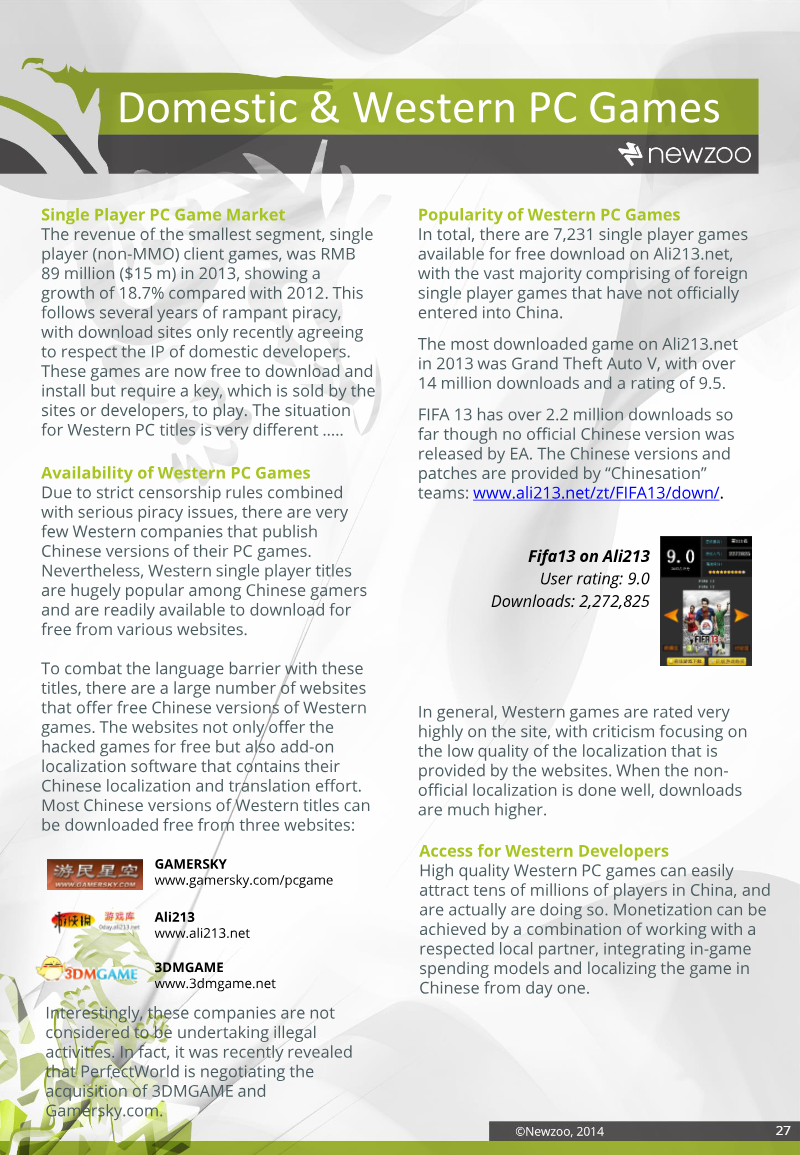
The Chinese gaming market stands as the world’s largest and most dynamic digital ecosystem, characterized by a massive user base of 490 million gamers and a rapidly evolving technological landscape. As of 2013, the industry generated RMB 83.2 billion in revenue, reflecting a 38% year-on-year increase. While traditional online client games continue to command the majority of revenue, the sector is undergoing a profound structural shift toward mobile platforms. This transition is fueled by widespread smartphone adoption, with mobile gaming experiencing a staggering 248.5% growth in users and a 246.9% surge in revenue during the observed period. Success within this environment requires a nuanced understanding of a fragmented distribution network dominated by domestic giants like Tencent and NetEase. Unlike Western markets, China’s digital infrastructure is deeply integrated into local social platforms and diverse app stores, necessitating strategic partnerships for foreign entities seeking to capitalize on the high demand for Western intellectual property. Although the market remains complex due to strict content-vetting requirements and hardware manufacturing regulations, the recent relaxation of the long-standing console ban and the high propensity for monetization among the 65% of players who pay for content present significant opportunities for international expansion. Ultimately, the Chinese market is defined by a mobile-first trajectory and a unique cultural preference for social, casual, and massively multiplayer online games. While piracy and censorship remain persistent challenges for Western developers, the sheer scale of the audience and the maturity of domestic platforms provide a compelling landscape for growth. Navigating this space effectively demands a departure from traditional Western business models in favor of localized strategies that leverage domestic search engines, handset manufacturers, and established local publishing ecosystems to reach the country’s vast and highly engaged gaming population.
Newzoo
ReportUnderstanding the iPhone: Current Usage and Trends
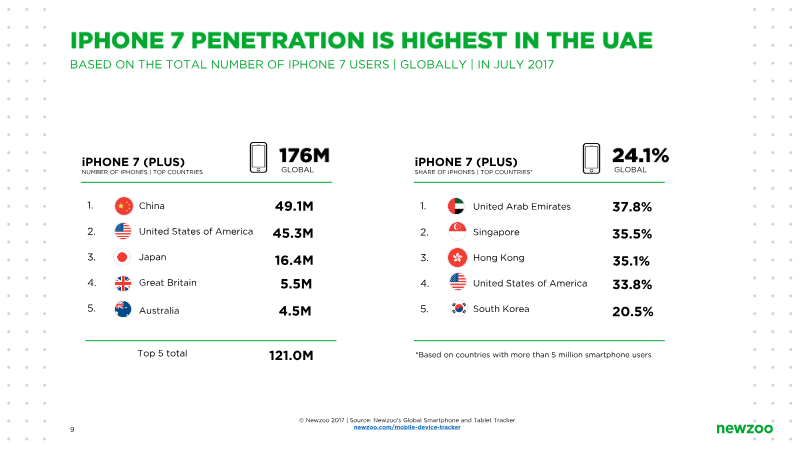
As of July 2017, the global landscape of iPhone usage reflects a decade of significant market penetration, with 730 million active devices worldwide. This figure represents approximately one-tenth of the global population. Over the ten-year period following the product's 2007 launch, Apple maintained a consistent sales velocity, averaging 323,000 units sold daily. Data indicates that 61% of all iPhones ever sold remain in active use, with a strong concentration of newer hardware; 82% of currently active devices were released in 2014 or later, underscoring a rapid upgrade cycle among the user base. Geographically, China leads the world in iPhone adoption with 243 million active users. The United States follows as a major market, while the United Arab Emirates, Singapore, and Hong Kong exhibit the highest penetration rates for the iPhone 7 series. Market trends reveal a clear consumer preference for larger screen sizes, as evidenced by the iPhone 7 Plus surpassing the iPhone 6 Plus in total active units by mid-2017. Furthermore, the ecosystem demonstrates high software engagement, with 88% of all active iOS devices running iOS 10 by July 2017. These insights are derived from the Global Smartphone and Tablet Tracker, a proprietary intelligence platform that monitors device usage, brand performance, and operating system adoption across 100 countries. By analyzing monthly device activity, the findings highlight the shifting dynamics of mobile hardware, specifically the transition toward newer, larger-screen models and the sustained loyalty of the global Apple user base. This analysis serves to quantify the scale of Apple’s influence on the mobile market and provides a benchmark for understanding consumer behavior in the smartphone sector.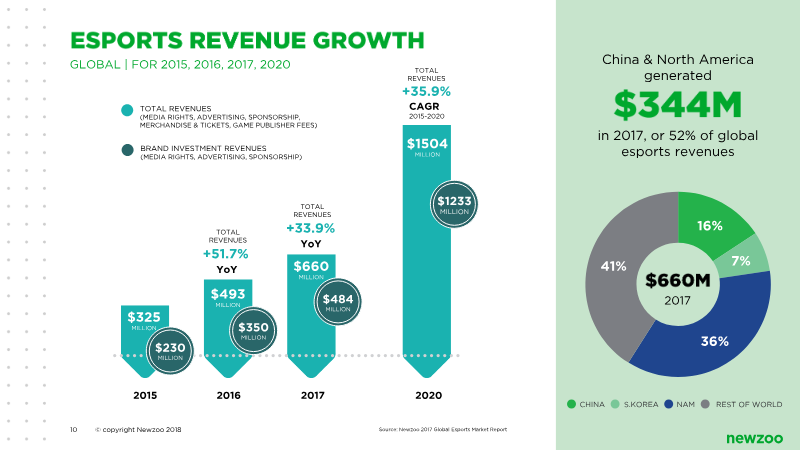
Newzoo
ReportThe Role of Mobile in Esports: The State and Future of Mobile Esports in Asia and the West
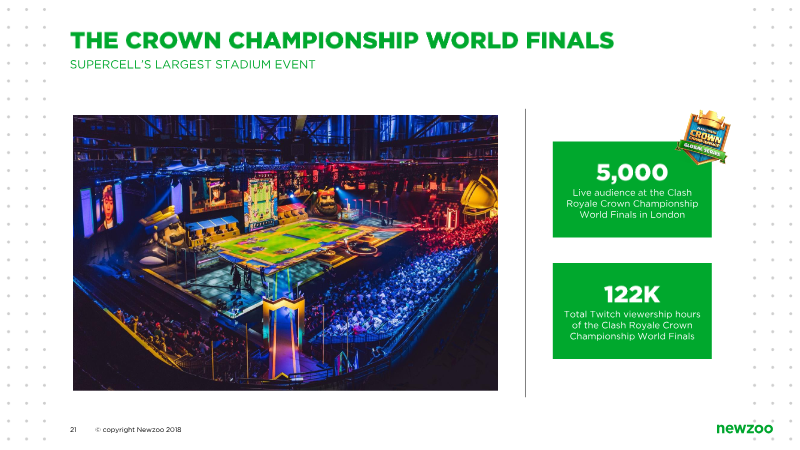
Mobile esports is undergoing a period of rapid global expansion, establishing itself as a distinct and influential pillar within the broader gaming ecosystem. The industry is currently defined by a stark regional dichotomy: Asia, driven by a mobile-first culture, has successfully mirrored the professional PC esports model through large-scale stadium events and structured leagues. Conversely, the Western market remains anchored in PC and console gaming, positioning mobile competition primarily as a grassroots and amateur-focused endeavor. Despite these structural differences, both regions utilize free-to-play monetization and community-driven engagement to foster long-term player retention. The strategic scaling of mobile titles, exemplified by the success of games like Battle of Balls and Streetball, highlights the importance of regional partnerships and localized content in maintaining market dominance. China currently serves as the primary engine for this growth, though the landscape is shifting as emerging markets gain prominence. India, in particular, is projected to become the world’s fourth-largest mobile gaming market by 2020, signaling a significant geographic expansion of the competitive mobile scene. As the industry matures, 2018 stands as a pivotal year for mobile esports to solidify its unique identity. While the West continues to prioritize competitive strategy and MOBA titles within a more fragmented landscape, the overall trajectory points toward continued integration of mobile platforms into the professional esports hierarchy. The future of the sector rests on the ability of developers to capitalize on the massive accessibility of mobile devices while adapting to the varying cultural expectations of global audiences.

Newzoo
ReportBetting on Billions: Unlocking the Power of Mobile Gamers
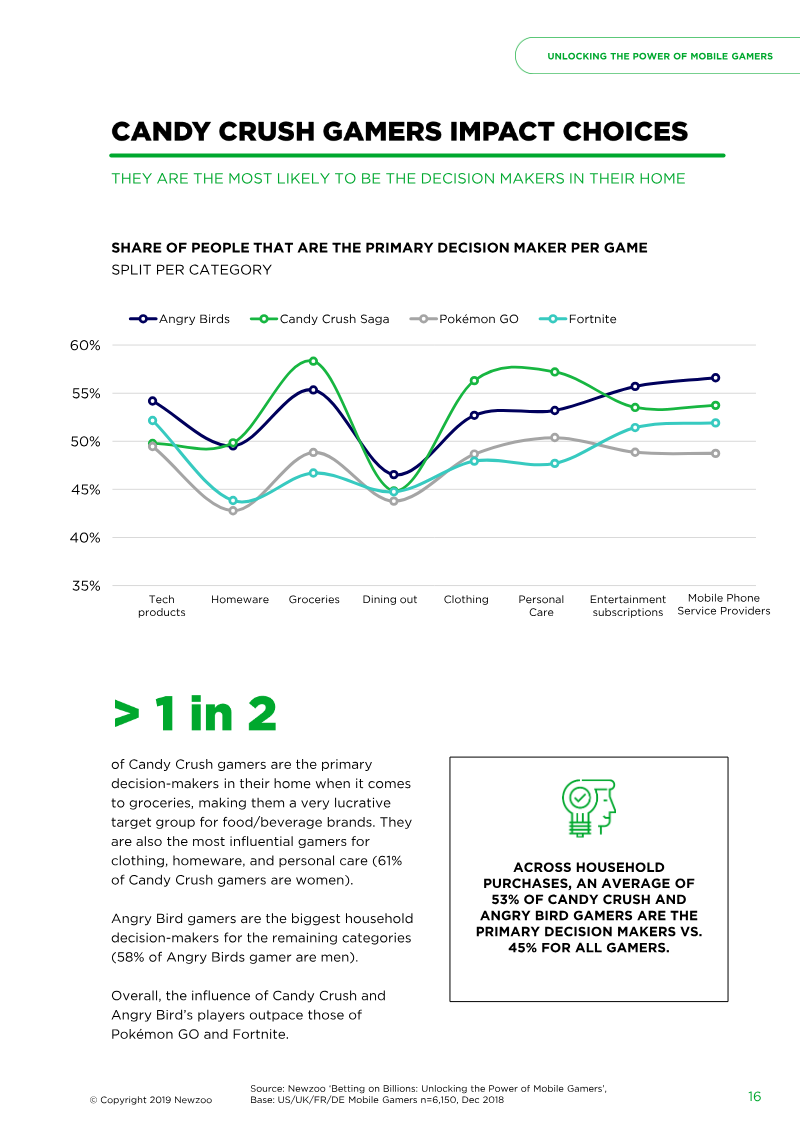
Mobile gaming represents a significant, underutilized opportunity for brands to engage a vast and influential consumer base. The primary thesis is that mobile gamers are not only a massive demographic but also possess higher purchasing influence and greater receptivity to advertising than non-gamers. By leveraging the diverse gaming landscape, brands can move beyond outdated stereotypes to reach a highly engaged audience that mirrors the broader population in terms of gender and age, while offering specific targeting potential through varied game genres. The research, conducted in late 2018, surveyed 12,327 mobile app users across the U.S., U.K., Germany, and France. Findings indicate that gaming is the third-most-popular app category, with 50% of users engaging with games weekly. Notably, mobile gamers are 23% more likely than non-gamers to influence the purchasing decisions of friends, family, and colleagues. This influence is highly segmented: female gamers often drive decisions regarding groceries and clothing, while male gamers exert more influence over technology and automotive purchases. Furthermore, gamers demonstrate a higher propensity for "splurging" and show a stronger preference for premium brands compared to non-gamers. The data also highlights that mobile gamers are more receptive to advertising, with 53% agreeing that ads help them stay informed about products and services. Because gaming apps see peak usage in the evenings, they provide a prime environment for contextual marketing. The report concludes that brands should adopt a strategic approach by aligning their messaging with specific game genres—such as puzzle games for older, female-skewing demographics or action titles for younger males—and emphasizing corporate values, which resonate strongly with this audience. By integrating these insights, brands can effectively capture the attention of a diverse, high-value consumer segment.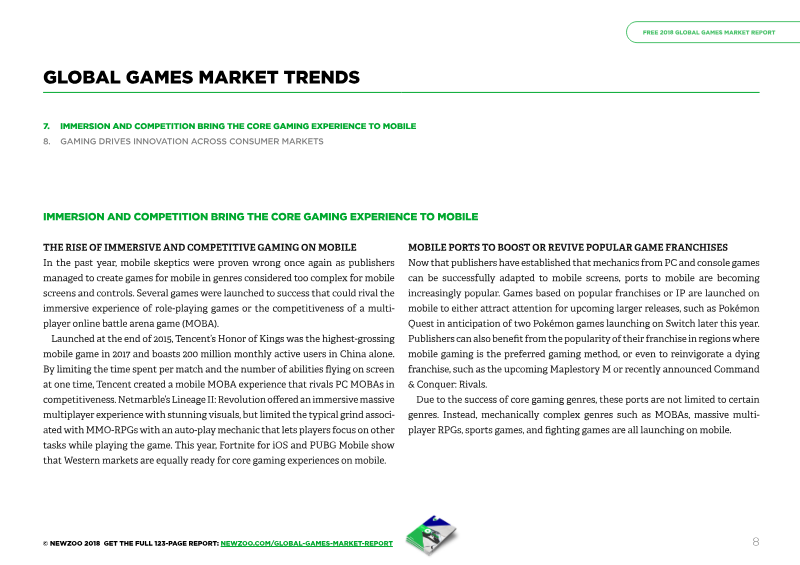

Newzoo
Report2018 Global Games Market Report: Trends, Insights, and Projections Toward 2021
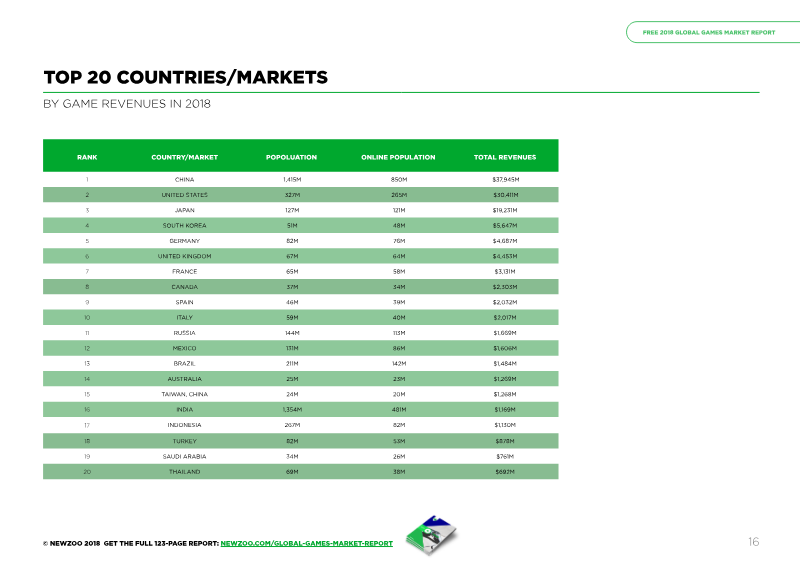
The 2018 Global Games Market Report provides a comprehensive analysis of the gaming industry’s rapid expansion, projecting total global revenues to reach $137.9 billion in 2018. The primary thesis posits that the industry has entered a new phase of accelerated growth driven by mobile accessibility, the normalization of Games-as-a-Service (GaaS) models, and the increasing power of consumer communities. The report highlights a fundamental shift in how the industry operates, moving away from traditional product-based sales toward long-term engagement strategies that encompass playing, viewing, and owning gaming content. Key findings indicate that mobile gaming has become the dominant segment, accounting for 51% of global revenues, or $70.3 billion. While the Asia-Pacific region remains the largest market, contributing 52% of total global revenue, significant growth is observed in emerging markets where in-app advertising is increasingly vital. The report also identifies the rise of subscription-based services and cross-platform play as critical trends that are disrupting traditional distribution models and challenging the dominance of established platforms like Steam. Furthermore, the emergence of "instant gaming" on social networks is noted as a key driver for reaching casual audiences without the friction of downloads. The scope of the analysis is global, covering 28 countries and markets with data projections extending through 2021. The methodology relies on extensive research into consumer behavior, segmenting the global audience into 64 distinct types of "game enthusiasts" based on their engagement across playing, viewing, and owning dimensions. By analyzing these trends, the report concludes that the games industry is increasingly influencing broader entertainment sectors, with competitive gaming and streaming becoming central to the modern gaming experience.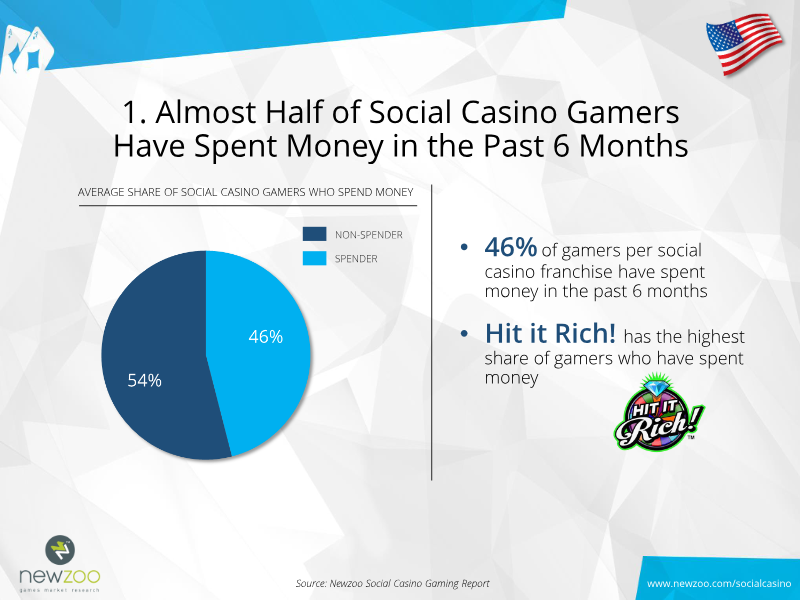

Newzoo
ReportCasino Gaming Report & Data: US Social Casino Market
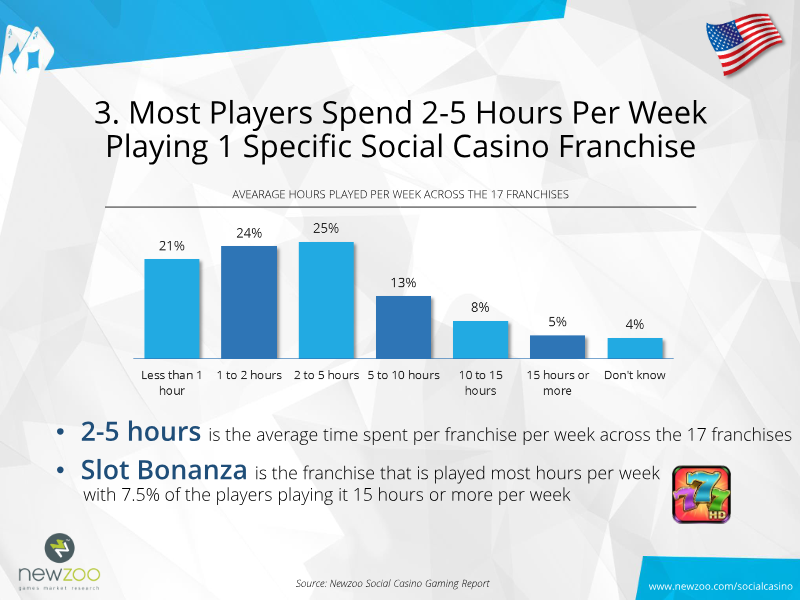
The social casino market in the United States exhibits high levels of engagement and monetization, characterized by a diverse player base that frequently interacts with multiple franchises. This analysis, based on data from 17 distinct casino franchises and a sample of 5,495 devices, examines consumer demographics, spending habits, and cross-platform behavior to provide a comprehensive view of the industry landscape. The research highlights the competitive nature of the sector, where the average user engages with 5.6 different titles, positioning major franchises in a constant struggle for player retention and market share. Monetization remains a core pillar of the industry, with 46% of social casino gamers reporting expenditures within the previous six-month period. Demographic trends reveal that men aged 21 to 35 represent the largest segment of these paying users, accounting for one-third of all spenders. Conversely, female players aged 10 to 20 constitute the smallest demographic group. Engagement levels are relatively consistent across the board, with the typical player dedicating two to five hours per week to a single franchise, though specific titles like Slot Bonanza see higher intensity, with a subset of users playing for more than 15 hours weekly. Strategic competition is heavily influenced by cross-franchise play, where Big Fish Casino emerges as the most prevalent secondary title, serving as a significant competitor for the majority of other franchises. Player sentiment regarding game difficulty also varies significantly; for instance, DoubleU Casino is frequently perceived as too challenging by its user base, whereas Big Fish Casino players generally find the difficulty level appropriate. These findings underscore the importance of balancing accessibility with engagement to maintain a competitive edge in the crowded US social casino market.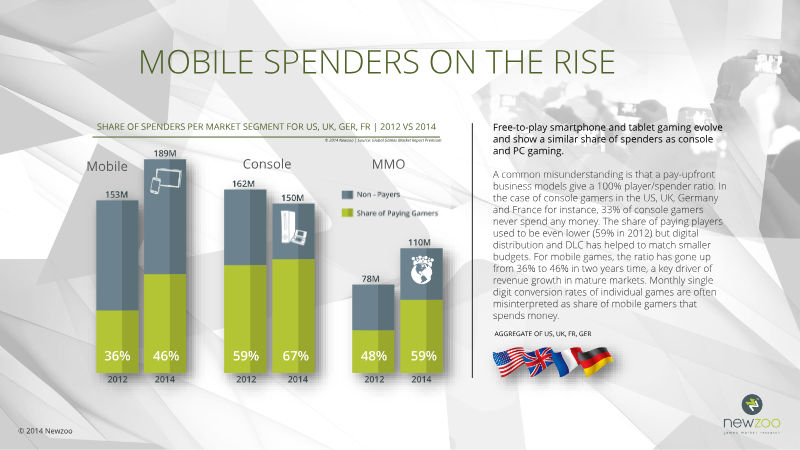
Newzoo
ReportSpotting the Mobile Spenders: An Analysis of Paying Smartphone and Tablet Gamers
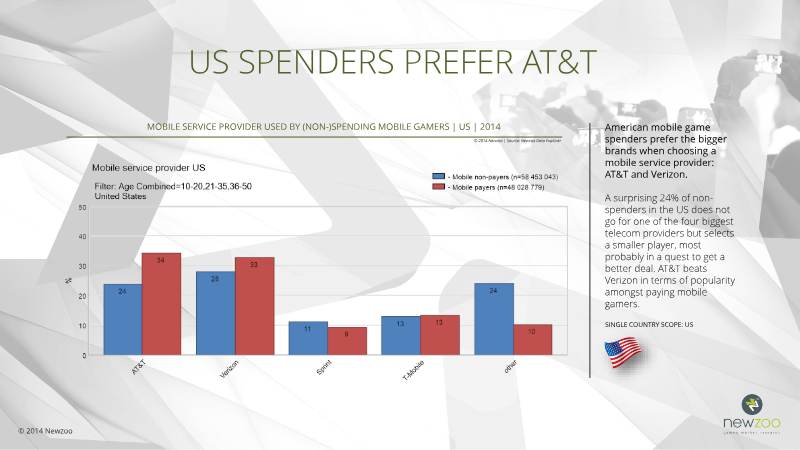
The mobile gaming industry is experiencing significant expansion, with global revenues projected to reach $25 billion in 2014. This growth is driven by a rising share of paying users, which has increased from 36% to 46% in Western Europe and the United States over the past two years. Contrary to the perception that mobile markets are saturated, the industry continues to see strong year-over-year growth, particularly in mature regions where increased conversion rates and higher average monthly spending per user are fueling revenue gains. Data indicates that mobile gaming is increasingly comparable to console and PC gaming in terms of monetization. While the free-to-play model dominates, the demographic profile of mobile spenders is distinct: they are predominantly male, often hold full-time employment, and frequently have children. These users exhibit higher engagement levels, not only within games but also across social media and retail platforms, suggesting that mobile spenders represent a high-value consumer segment beyond their gaming habits. The analysis highlights the Amazon Appstore as an undervalued channel, noting that its users are the most likely to spend money compared to those on Google Play or Apple platforms. Furthermore, tablet users—specifically those on iPad, Windows Surface, and Amazon Fire devices—tend to have higher incomes and a greater propensity for spending. While recommendations from friends and family remain the primary driver for game discovery, big spenders are uniquely motivated by competitive advantages, whereas minor spenders prioritize entertainment value. As mobile gaming continues to capture a larger share of the global entertainment market, it is projected to account for up to 50% of total game revenues by 2017, supported by a combination of primary consumer research, transactional data, and financial market analysis across 25 countries.

Adjust
Whitepaper