Marketing & User Acquisition
Campaigns, ad creatives, app store optimization and the cost of a player.
271 documents

Sensor Tower · 2025
ReportDigital Market Index: Q2 2025
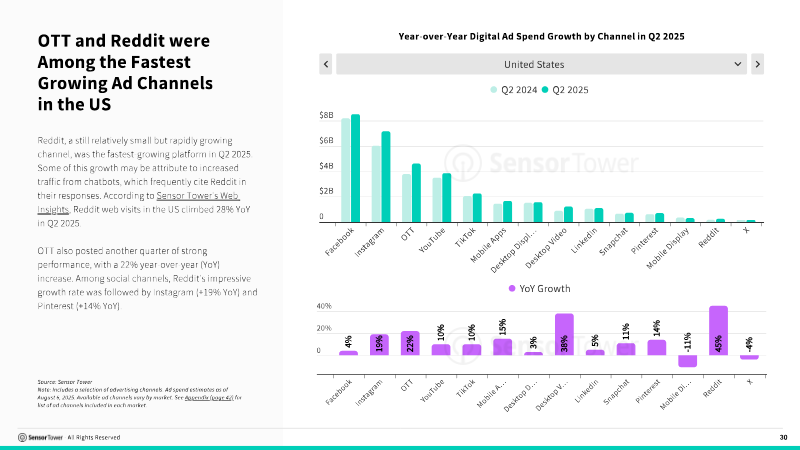
The global digital landscape reached a significant milestone in the second quarter of 2025, as in-app purchase revenue hit a record $40 billion. This period marked a historic structural shift in the mobile economy, with non-gaming applications accounting for 52% of total consumer spending, surpassing mobile games for the first time. While total downloads stabilized at 37 billion, the market displayed clear signs of maturation; gaming downloads contracted by 6.8% year-over-year, while AI-driven productivity tools and short-drama streaming platforms emerged as the primary engines of growth. The United States maintained its position as the premier revenue market at $15 billion, though emerging regions such as Brazil and various African nations are increasingly vital for download volume and monetization expansion. Within the gaming sector, Strategy titles overtook RPGs as the highest-grossing category, achieving a 23% year-over-year increase. However, the most significant individual performance came from ChatGPT, which became the fastest application to reach one billion downloads and secured a position among the top five global revenue earners. This surge in AI utility was mirrored in the advertising sector, where U.S. digital ad spend rose 12% to $34 billion. Major technology firms including Microsoft, Google, and Adobe significantly increased their marketing budgets to promote AI integrations like Copilot, contributing to a landscape where social media maintains a 72.5% share of total ad spend. Retail media has solidified its role as a critical advertising channel, with U.S. impressions rising 29% to 65 billion across various retailers. Despite this broad growth, Amazon remains the undisputed leader in the space, generating nearly 80 billion impressions and outperforming all other tracked retailers combined. These findings are supported by expanded tracking capabilities across key Asian markets and diverse digital channels, though the data specifically excludes certain year-over-year Amazon metrics due to recent tracking implementation. Overall, the quarter reflects a pivot toward high-utility AI applications and a diversifying advertising ecosystem dominated by social and retail platforms.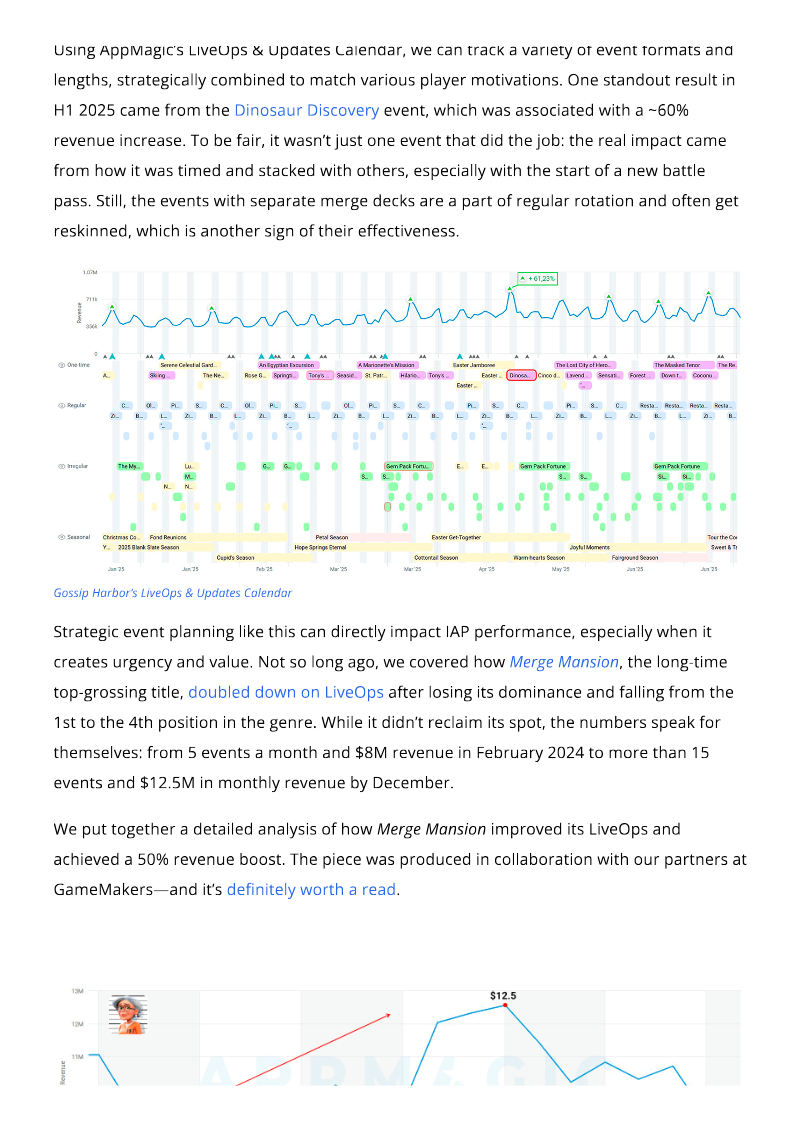
AppMagic · 2025
ReportCasual Games Report H1 2025: Three Genres Generating 80% of Revenue
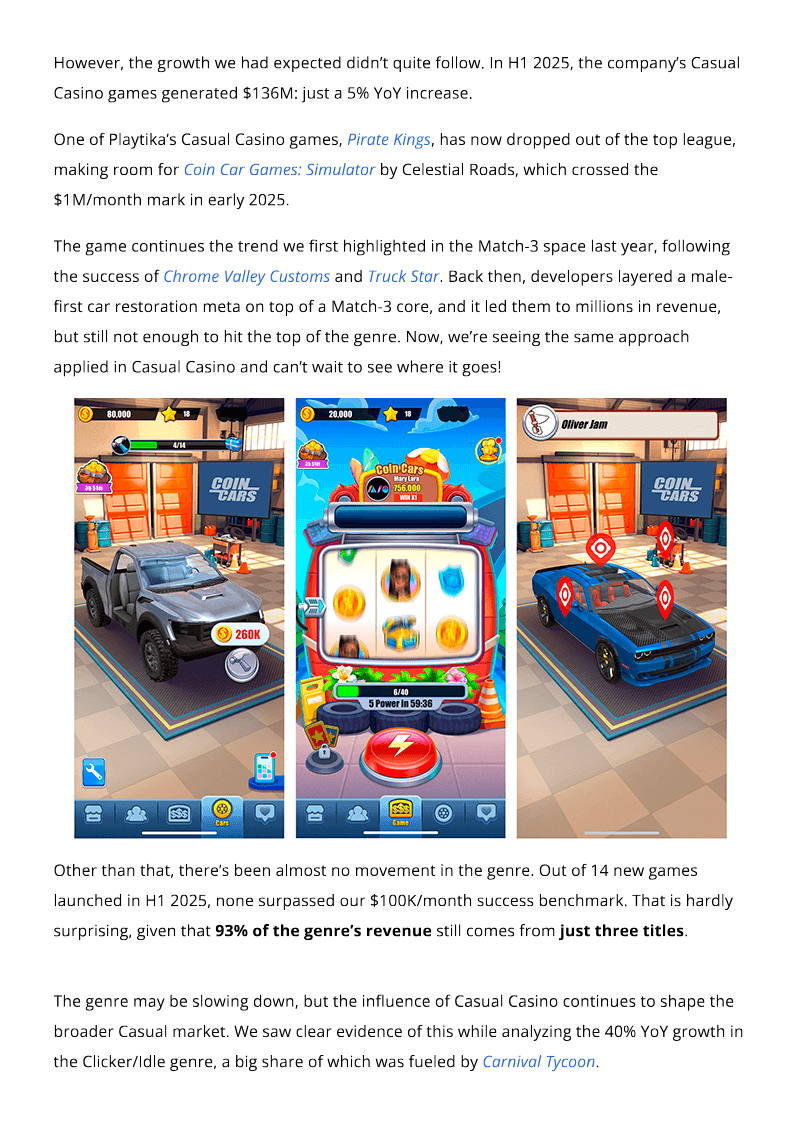
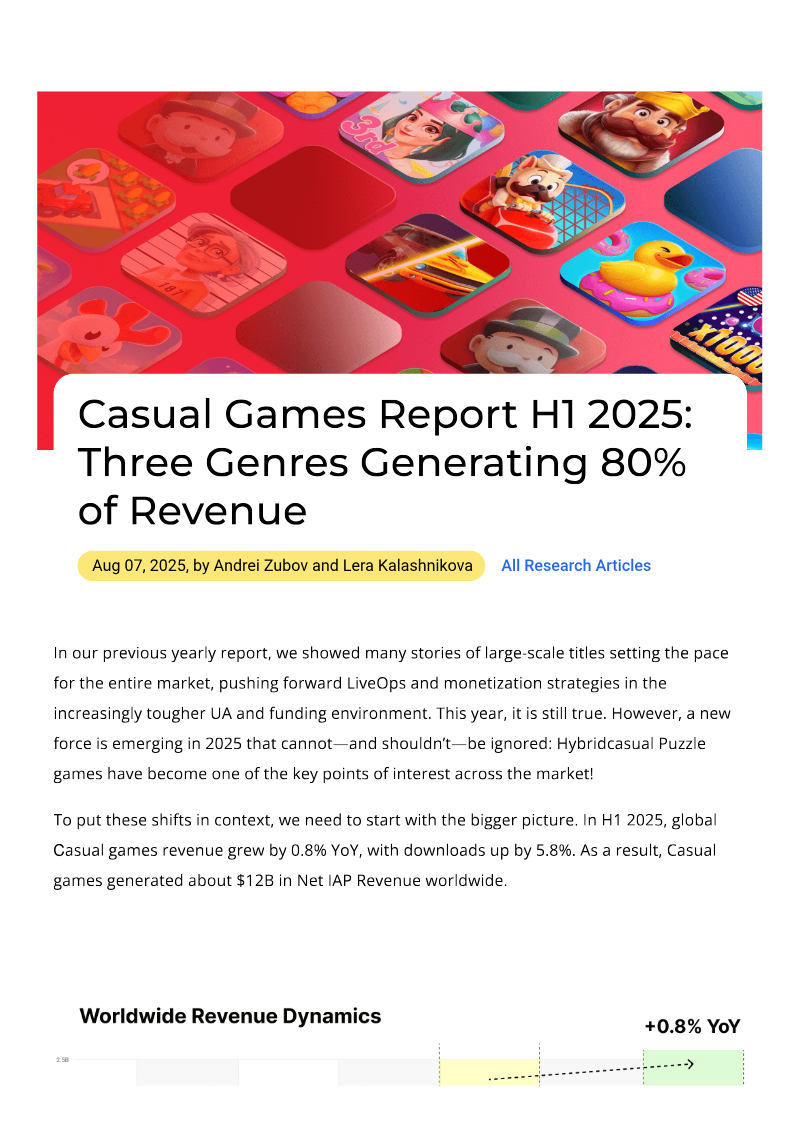
The casual games market generated $12 billion in net in-app purchase revenue during the first half of 2025, with 80% of this total concentrated within the Puzzle, Casino, and Simulation genres. While established titles continue to dominate the landscape through sophisticated LiveOps and large-scale user acquisition campaigns, the market is undergoing a significant structural evolution. Growth is increasingly driven by the hybridization of genres, where developers integrate complex meta-progression layers into accessible core gameplay to improve long-term retention and monetization. Puzzle games remain the primary engine of industry expansion, bolstered by a 13% year-over-year revenue increase. Within this category, the Merge-2 with Complex Meta subgenre has seen explosive growth of 94%, while Hybridcasual titles—specifically those utilizing block, screw, and sort mechanics—are rapidly gaining market share. Conversely, the Casual Casino sector experienced a 33% revenue contraction, largely attributed to the scaling back of major titles like Monopoly GO!. Despite this decline, the influence of Casino mechanics remains pervasive, as developers across all segments adopt similar engagement strategies to sustain player interest. Emerging niches such as Plinko have demonstrated massive short-term growth, though these titles currently struggle with long-term retention and remain heavily reliant on ad-based monetization. In contrast, mature segments like Farming simulations continue to provide stability by incorporating cross-genre elements, such as Match-3 events, to refresh gameplay loops. Ultimately, the industry has become increasingly difficult for new entrants to penetrate. Success in the current climate requires significant financial resilience and the ability to execute complex, multi-layered development strategies that blend diverse mechanics to maintain a competitive edge in a saturated global market.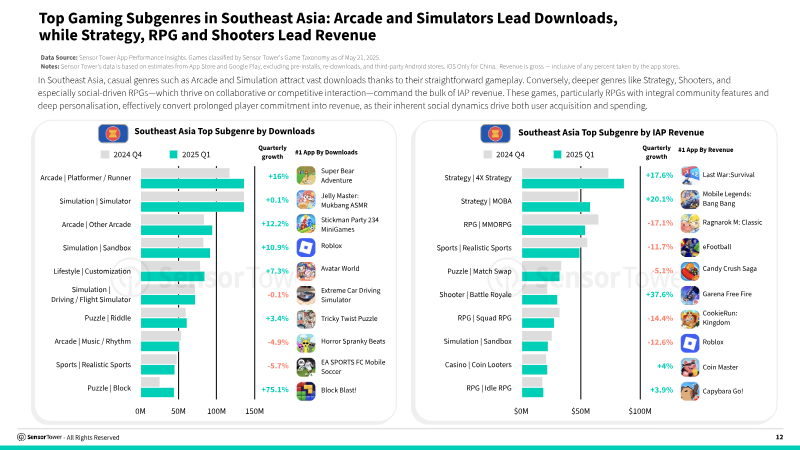

Sensor Tower · 2025
ReportSoutheast Asia: Mobile Game Market Insights 2025
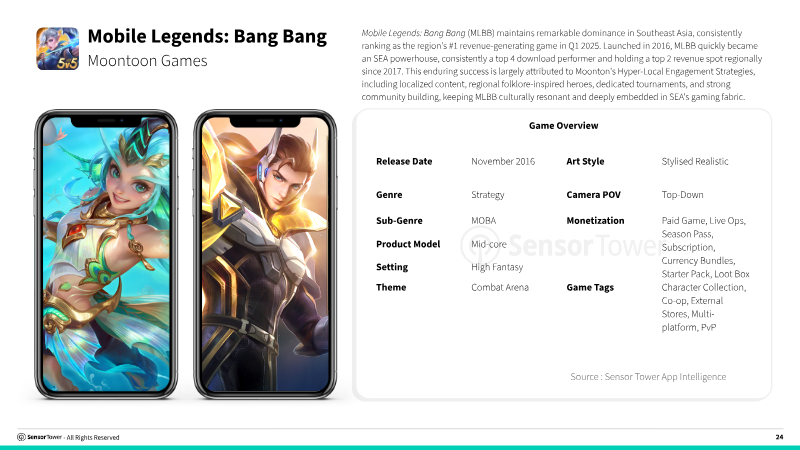
Southeast Asia solidified its position as the world’s second-largest mobile gaming market by downloads in early 2025, reaching 1.93 billion installs. While the region currently ranks seventh globally in revenue at $625 million, it demonstrates significant monetization potential fueled by expanding digital payment infrastructure and rising smartphone penetration. Indonesia serves as the primary volume driver with 870 million installs, while Thailand leads the region in consumer spending, generating $162 million. This growth is increasingly supported by publishers based in Singapore and Vietnam, who have emerged as a dominant global force, contributing over 5.8 billion installs to the international market through a mix of hypercasual hits and competitive titles. Market dynamics reveal a shift toward high-engagement genres and localized content strategies. Although casual arcade and simulation games drive the highest download volumes, monetization is concentrated in Strategy, MOBA, and RPG segments. Mobile Legends: Bang Bang remains the regional revenue leader, sustained by hyper-local live operations and community engagement. Simultaneously, the 4X Strategy genre is experiencing rapid expansion, highlighted by a 77.7% revenue surge for titles like Last War: Survival. Conversely, traditional MMORPGs have seen a decline of nearly 20%, making way for Open World Adventure RPGs and sophisticated strategy games that leverage deep social and competitive mechanics. The regional landscape is characterized by distinct national preferences and the global expansion of local firms. Vietnam has become a powerhouse for survival-themed hypercasual games, while Thailand shows a unique affinity for realistic sports simulations. Established titles like Garena Free Fire continue to dominate global charts by blending cultural relevance with nostalgic collaborations. Ultimately, the region’s trajectory is defined by a transition from high-volume downloads to sophisticated monetization, driven by a combination of community-led activations and the strategic global influence of Southeast Asian publishers.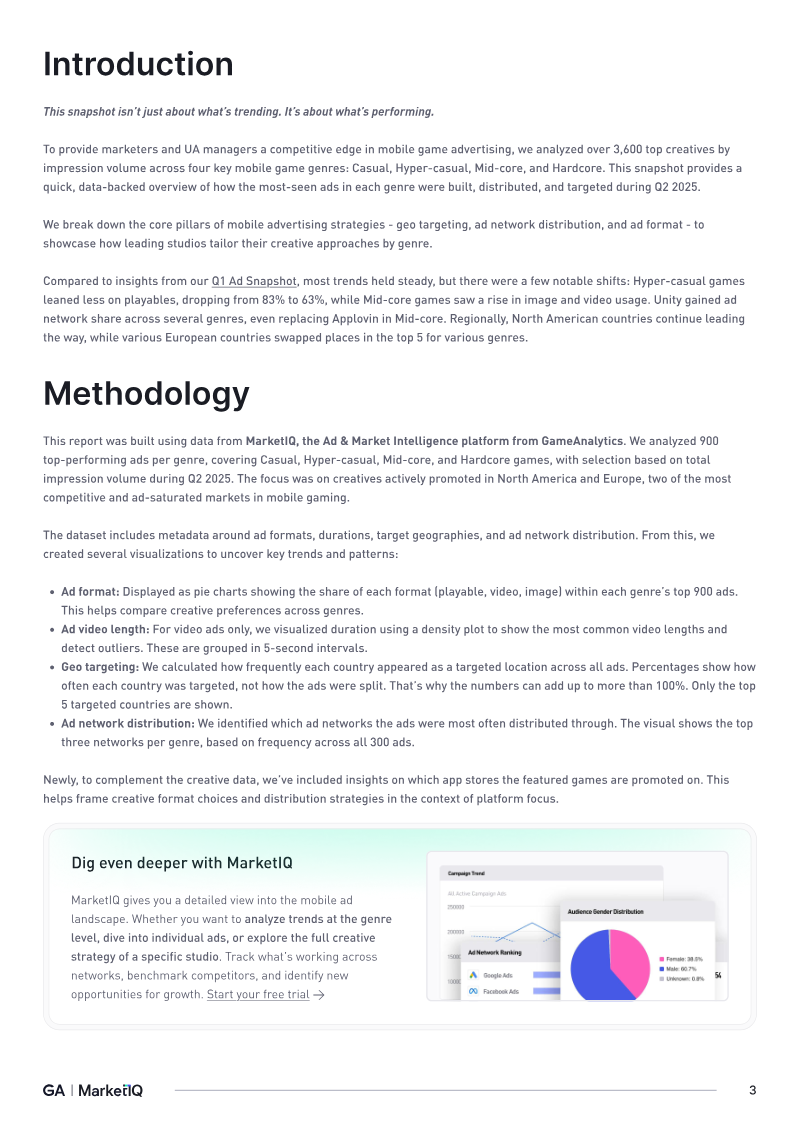
MarketIQ · 2025
ReportQ2 2025 Gaming Ad Snapshot
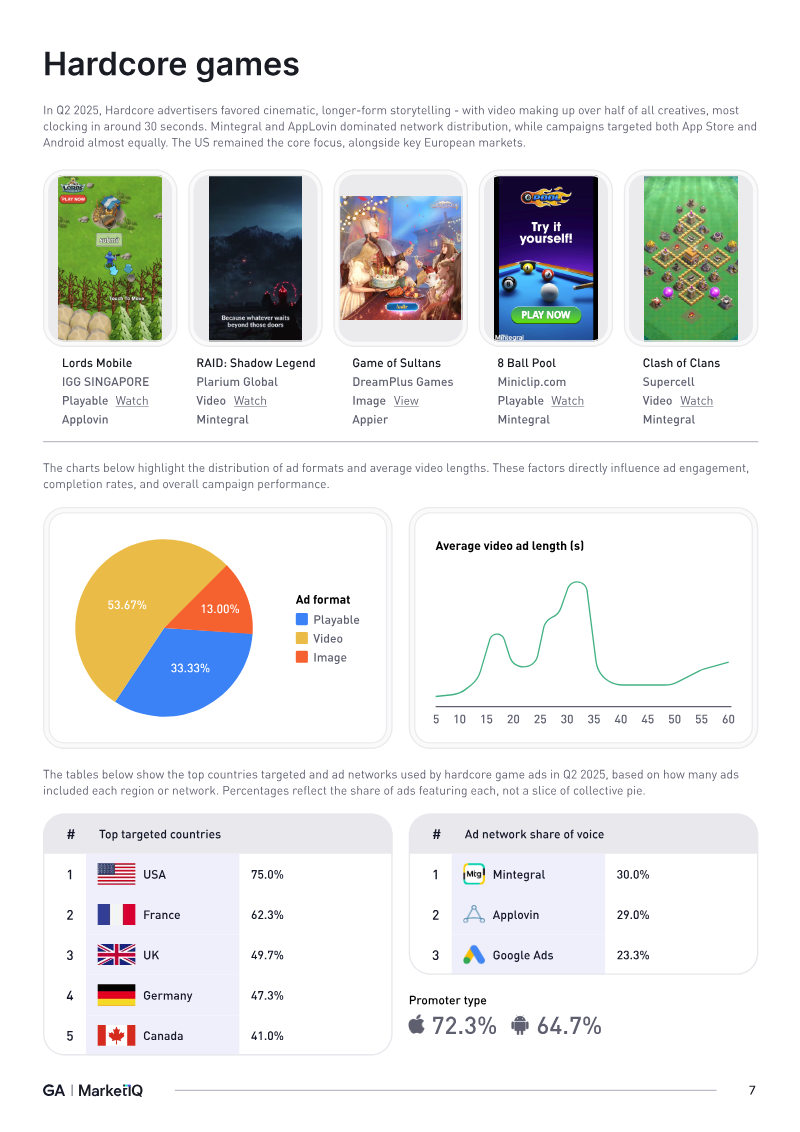
The snapshot presents a mid‑year overview of mobile gaming advertising activity, emphasizing the scale of creative assets, audience composition, and platform performance in the second quarter of 2025. Leveraging MarketIQ’s ad‑intelligence engine, which indexes more than three billion ads, the analysis groups campaigns by image, video, and playable formats to surface benchmark performance and creative inspiration for marketers. A core finding is the gender split of the active audience, with males accounting for roughly 61 % and females 38.5 %, while an insignificant 0.8 % remain unclassified. Google Ads dominates the network landscape, followed by Facebook Ads, reflecting the primary channels through which gaming promotions are delivered. Creative trends highlighted include senior‑focused Mahjong titles, free‑to‑play shooters, and swipe‑based games, illustrating a diversification of themes and monetisation cues such as “No Wifi Needed” and “Get Free Robux.” Campaign metrics reveal a typical lifecycle of 13 million impressions expanding to 47 million, underscoring the rapid scaling potential of high‑performing assets. The data set draws from approximately 250 000 active campaign ads, providing a robust sample for benchmarking. Overall, the snapshot underscores the importance of data‑driven creative optimisation in mobile gaming, recommending that advertisers exploit MarketIQ’s extensive repository to identify top‑performing formats, refine copy, and align with the prevailing gender distribution and platform preferences observed in Q2 2025.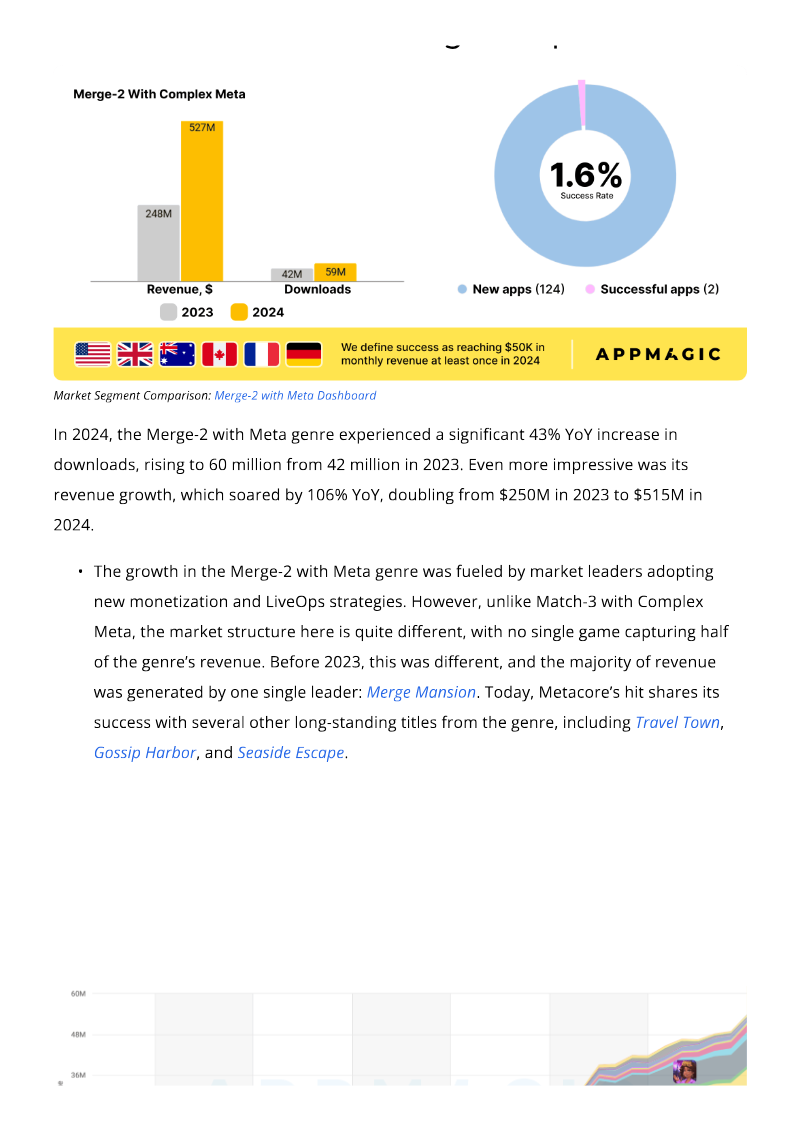
AppMagic · 2025
ReportCasual Games Report 2024: Following the 5 Routes to Success
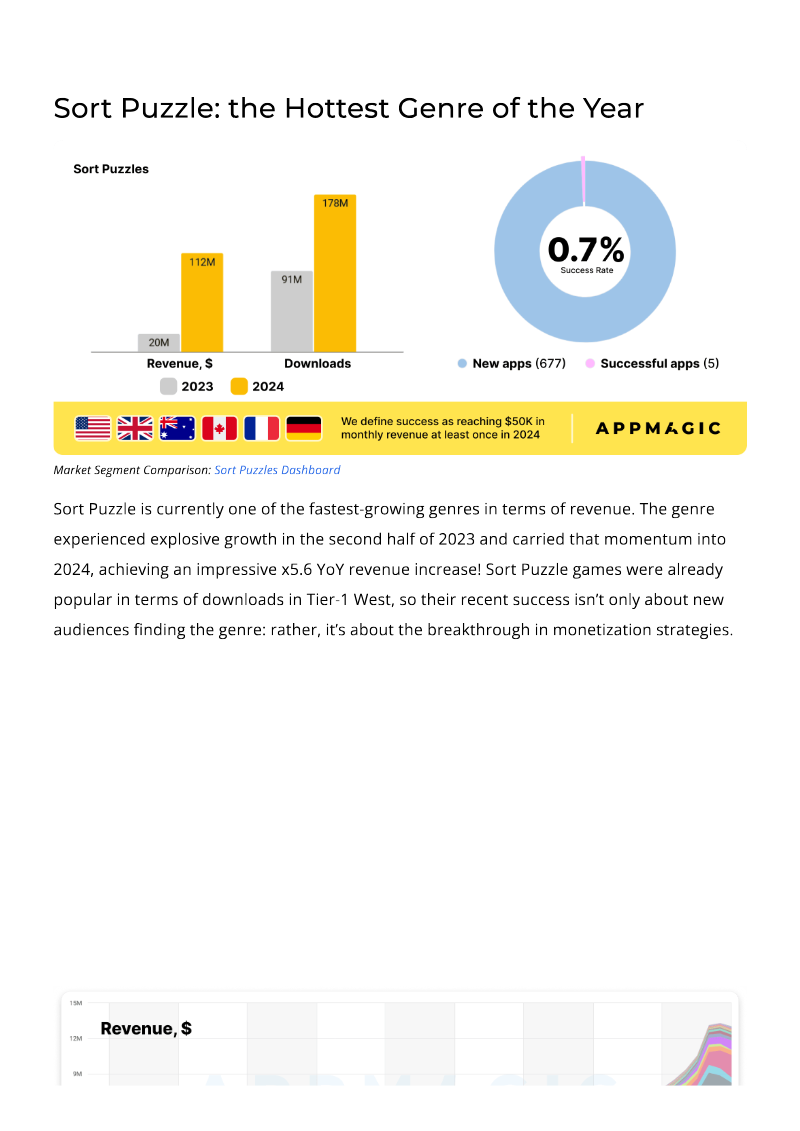
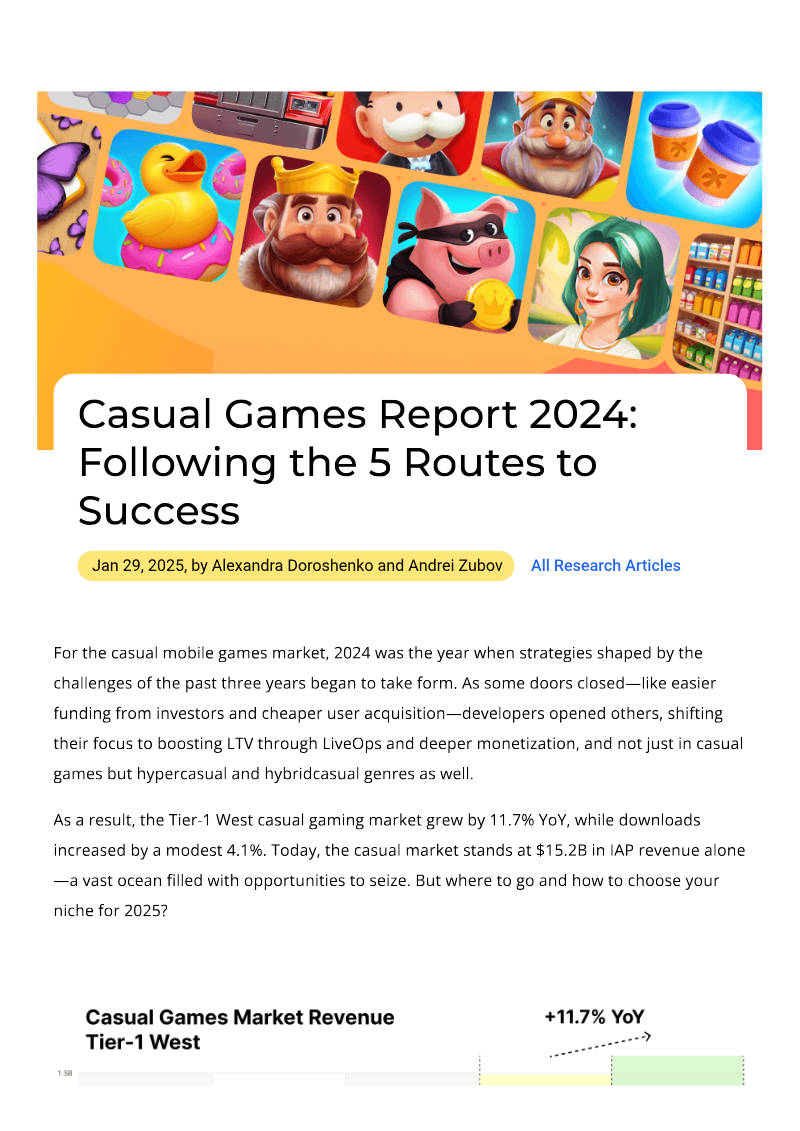
The 2024 casual mobile gaming market across Tier-1 Western nations is defined by a transition toward maturity, characterized by an 11.7% revenue increase despite escalating user acquisition costs. Success in this environment is no longer driven by simple mechanics but by the integration of sophisticated, data-driven LiveOps and complex meta-layers. Developers are increasingly blending hypercasual core loops with intricate social features, decoration systems, and time-pressure constraints to bolster long-term retention and monetization. This strategic pivot is essential to offset the rising expenses of market entry and to maintain relevance in an increasingly saturated landscape. Market dynamics vary significantly by genre, with distinct performance trends emerging across key segments. While the Match-3 category remains anchored by established industry leaders, the Merge-2 with Meta segment has experienced explosive growth, surging 106% as competition intensifies among top-tier titles. Conversely, the Casual Casino sector exhibits extreme consolidation, with three dominant titles capturing roughly 80% of total revenue. High barriers to entry in this space have stifled new releases, forcing major publishers to rely heavily on mergers and acquisitions to sustain their market share. Ultimately, the current industry landscape demands a departure from traditional development models. The low success rate for new entrants underscores the necessity of cross-genre innovation and heavy investment in post-launch engagement strategies. As the market matures, long-term viability depends on the ability to balance accessible core gameplay with deep, evolving meta-features that can withstand the pressures of a highly competitive and resource-intensive ecosystem.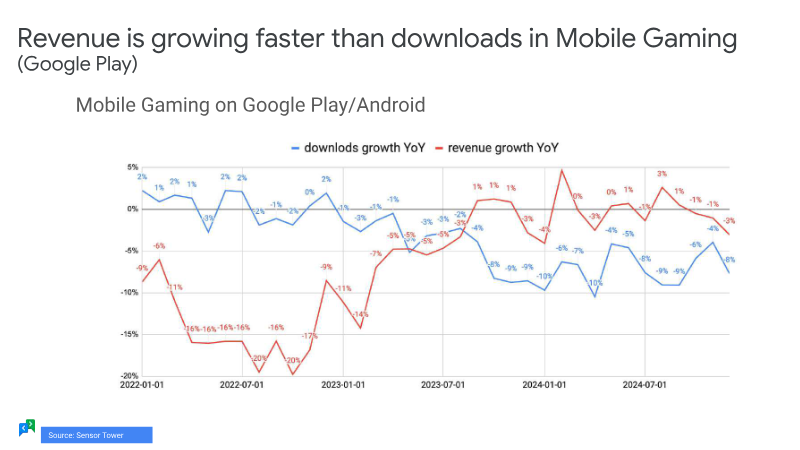
Mariusz Gasiewski (Google) · 2025
ReportMobile Gaming 2022-2024
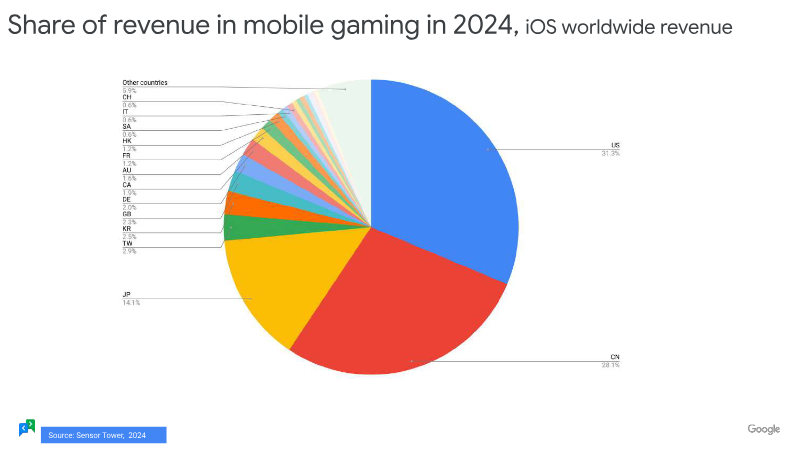
The analysis tracks mobile‑gaming dynamics from 2022 through 2024, arguing that the sector’s financial expansion now exceeds its ability to attract new users. Revenue on Google Play rose roughly 10 % year‑on‑year in 2023‑24 while download volumes stagnated or slipped slightly, and iOS revenue grew about 12 % against an 8 % rise in downloads. Despite this divergence, the concentration of earnings among the top ten publishers has held steady, indicating that market power remains entrenched even as overall spend accelerates. Consumer‑device preferences reveal a near‑universal reliance on smartphones, with 97 % of Brazilian gamers using mobile phones in 2024 and personal PCs ranking as the only other significant platform; console usage is negligible. Across the United States and Brazil, the primary incentives for trying a new title are free‑to‑play pricing, recognizable brands or characters, and easy access through subscription services. Gender nuances appear modest: men place greater value on non‑pay‑to‑win structures and strong single‑player experiences, whereas women are drawn to customizable avatars and peer recommendations. Behavioral data show a pronounced tendency toward deep engagement with a single game. Approximately half of respondents in Brazil, Germany, Japan and the United States report completing one title before moving to the next, suggesting that the market favors sustained, title‑centric play rather than rapid turnover. The findings collectively underscore a maturing mobile‑gaming ecosystem where revenue growth is driven by monetisation depth and brand loyalty rather than sheer user acquisition.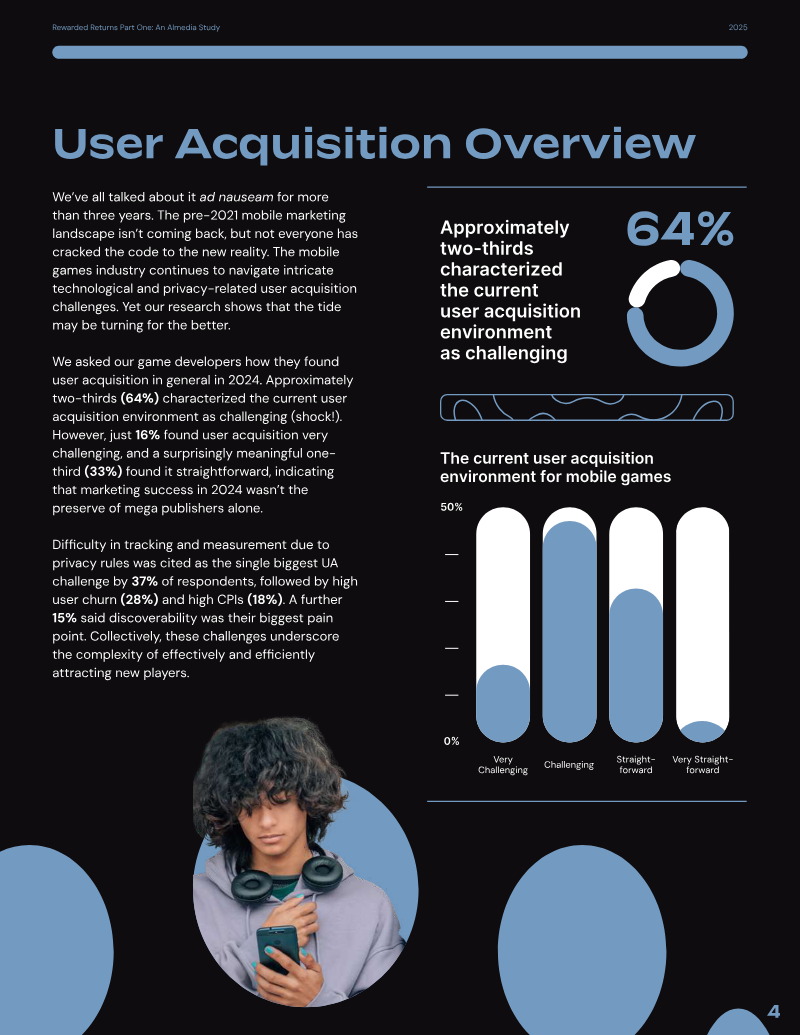

Almedia · 2025
ReportRewarded Returns
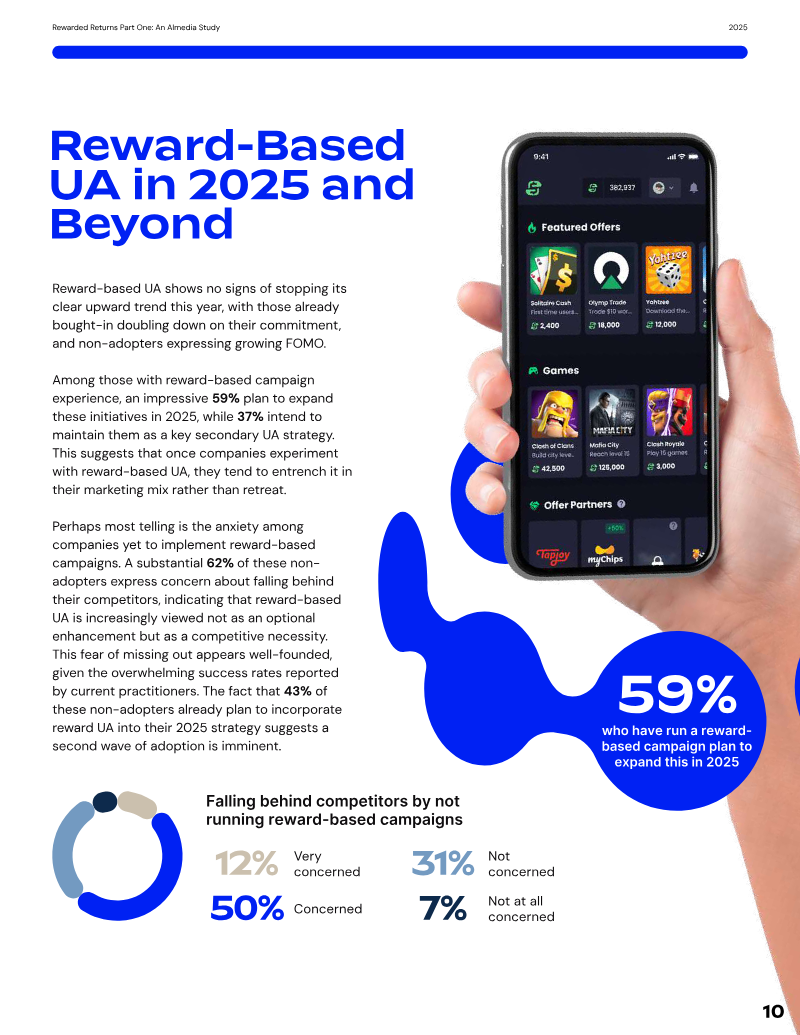
Rewarded Returns explores the evolution of reward-based user acquisition (UA) from its origins as a controversial incentivized traffic tactic to a sophisticated, data-driven pillar of modern mobile game marketing. The primary thesis is that technological advancements and deeper reward structures have effectively addressed legacy concerns regarding fraud and user quality, positioning rewarded UA as a high-performance alternative to traditional channels in an increasingly challenging privacy-centric landscape. The findings are based on a late 2024 survey of 502 mobile game developers in the United States and United Kingdom, primarily representing mid-sized companies with 50 to 100 employees. While 64% of respondents characterize the current UA environment as challenging due to privacy rules and high costs, 77% have already integrated reward-based campaigns into their strategies. Among these adopters, 82% report that rewarded campaigns outperform traditional UA, and 95% believe these strategies provide a distinct competitive advantage. Furthermore, 79% of developers observe stronger long-term retention from rewarded users compared to non-rewarded sources. The study identifies a significant shift in perception, noting that fraud concerns for rewarded UA (47%) are now nearly identical to those for traditional channels (46%). Despite these lingering concerns, 59% of current users plan to expand their rewarded UA budgets in 2025. Among non-adopters, 62% express concern about falling behind competitors, and 43% intend to adopt the strategy in the coming year. Looking ahead, the scope of the industry is expected to expand, with 90% of experienced developers predicting that reward-based mechanisms will move beyond mobile and web into console gaming. The conclusion emphasizes that as the industry moves toward 2025, real-world rewards—particularly cash and gift cards—are becoming a fundamental discovery and engagement mechanism rather than a mere experimental tactic.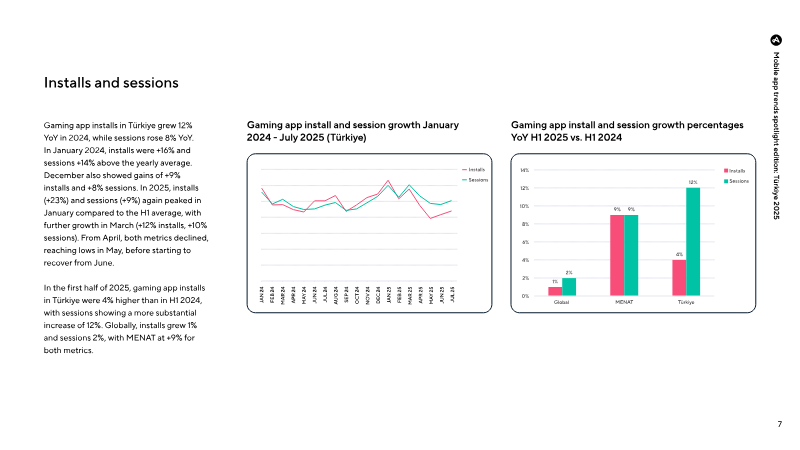

Adjust · 2025
ReportMobile App Trends: Türkiye 2025
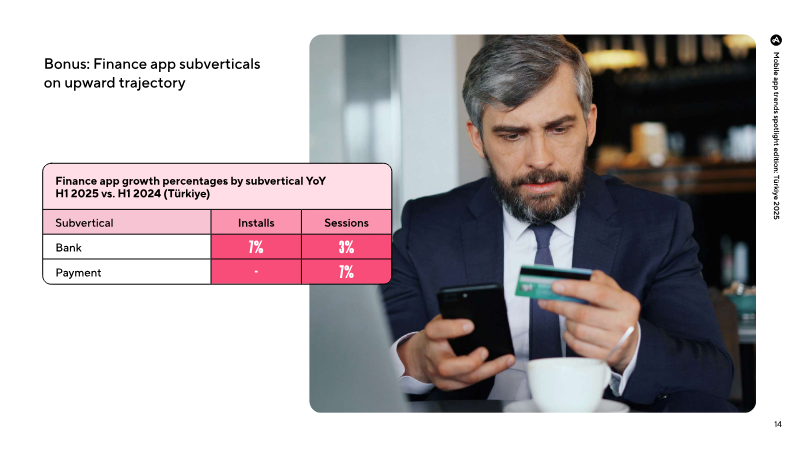
The mobile app economy in Türkiye is experiencing a high-growth phase, characterized by a young, tech-savvy population and robust digital infrastructure. With 80.7 million active mobile connections and internet penetration reaching 87%, the market is maturing into a global competitor. The sector is supported by government incentives and a thriving startup ecosystem, with total revenue projected to reach $1.65 billion by 2029. This analysis, covering the period from January 2023 through July 2025, utilizes data from a mix of 5,000 top-performing apps and the broader dataset tracked by Adjust to benchmark performance across gaming, finance, and e-commerce verticals. The gaming sector remains a primary driver of growth, with Türkiye’s studios achieving significant international success. In the first half of 2025, gaming installs in Türkiye grew 4% year-over-year, while sessions increased by 12%, significantly outpacing global and regional benchmarks. Average session lengths reached 32.8 minutes, reflecting high user engagement. While day-1 retention in Türkiye stands at 19%, the market shows shorter user lifecycles compared to global averages, suggesting a need for refined engagement strategies. Finance and e-commerce apps are also evolving rapidly. Finance app installs surged 30% in the first half of 2025 compared to the same period in 2024, despite a slight decline in session lengths, which may indicate improved efficiency in user transaction flows. E-commerce apps demonstrated resilience, with a 4% increase in sessions during the first half of 2025, outperforming both global and MENAT regional trends. Retention rates in both sectors remain competitive, with Türkiye consistently exceeding regional and global medians. A notable trend is the rapid expansion of AI-powered applications, which saw a 142.5% year-over-year increase in downloads in 2024. This growth is fueled by a shift of talent from hypercasual gaming to AI-first development and the creation of proprietary Turkish-language large language models. As the market matures, the integration of AI-driven personalization and streamlined, friction-free user experiences remains critical for developers aiming to capture and retain high-value audiences in this increasingly competitive landscape.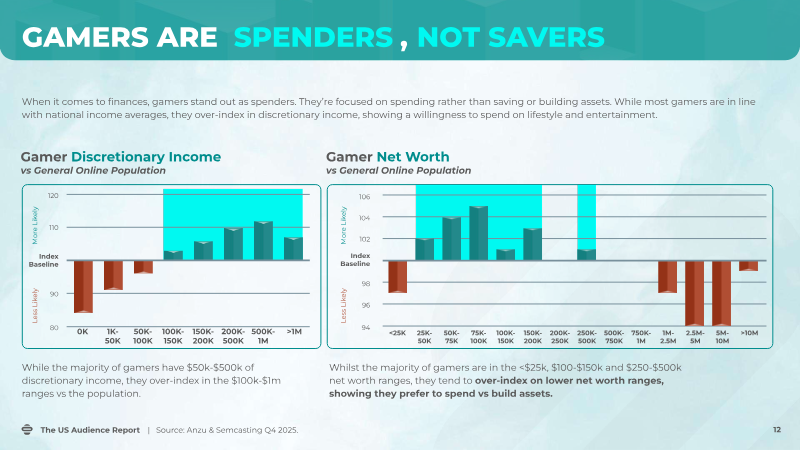

Anzu · 2025
ReportFrom Data to Personas: The 2025 Guide to US Gaming Audiences
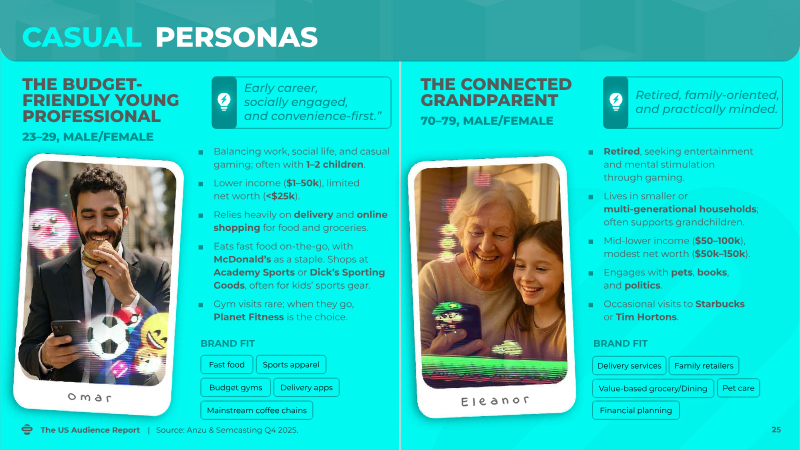
The modern gaming landscape in the United States has evolved into a diverse, cross-generational ecosystem that fundamentally challenges outdated stereotypes of the solitary, young male player. Current data indicates that today’s gaming population is characterized by middle-to-high-income individuals who prioritize quality, convenience, and social connectivity. Far from being sedentary, these consumers frequently integrate digital play with active, outdoor lifestyles, sports participation, and family-oriented activities. This shift reflects a broader demographic reality where gaming serves as a primary form of entertainment across all age groups and socioeconomic backgrounds. Consumer behavior within this segment extends well beyond the digital realm, as gamers demonstrate significant purchasing power and a strong affinity for premium brands, casual dining, and higher education. Analysis reveals a consistent tendency for these audiences to over-index on online shopping and delivery services, favoring mainstream, value-oriented brands across the retail and fitness sectors. These habits suggest that gaming is not an isolated hobby but a central component of a lifestyle defined by convenience and digital-physical integration. Segmentation reveals distinct behavioral patterns that allow for more nuanced marketing strategies. For instance, sports-oriented gamers gravitate toward fast-food and convenience-driven brands, whereas those who favor board, puzzle, and trivia games tend to be older, more education-focused, and financially prudent. By moving past monolithic industry tropes, advertisers can leverage these granular insights to execute more precise, data-driven campaigns. Ultimately, the gaming audience represents a highly active, diverse, and economically influential consumer base that requires sophisticated engagement strategies tailored to specific lifestyle personas rather than generalized assumptions.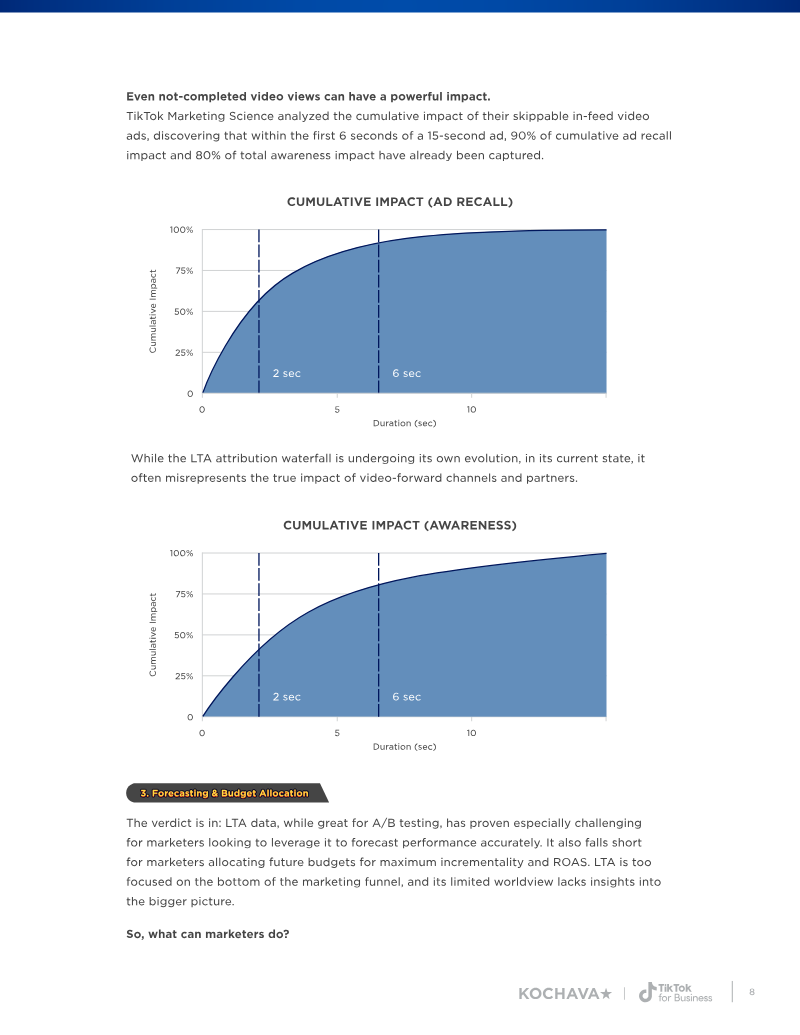

Kochava · 2025
WhitepaperMaximize Your ROAS: Cutting-Edge Attribution Strategies in Mobile Gaming
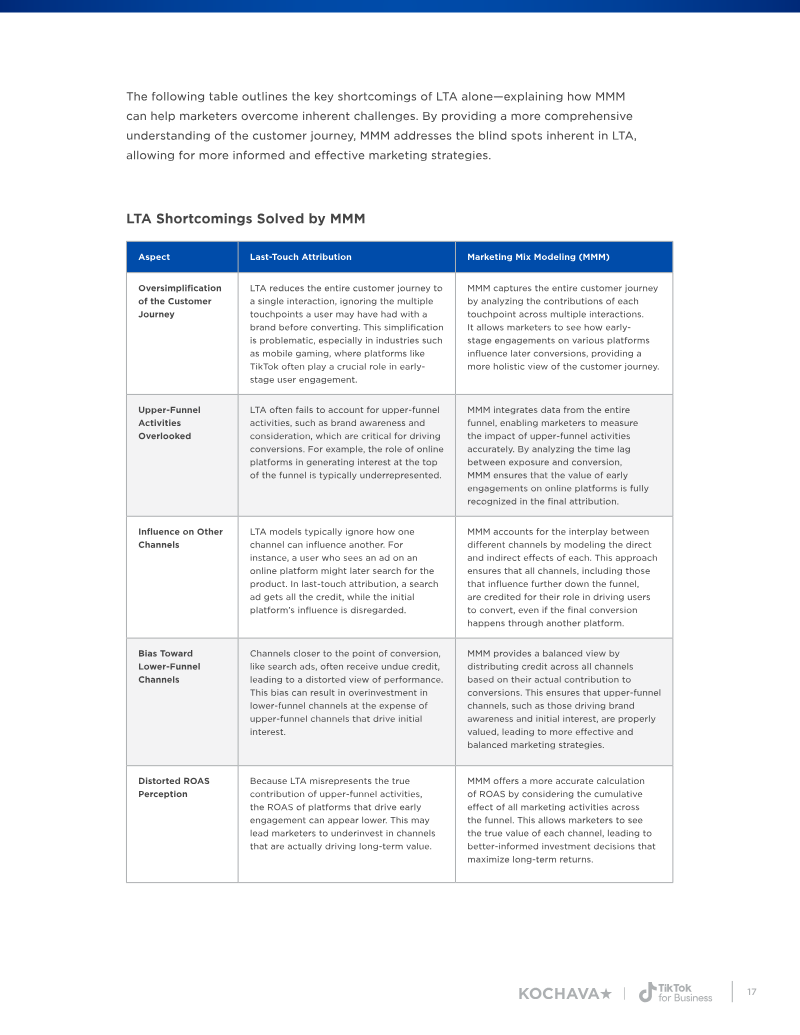
Mobile gaming marketers currently face a critical measurement crisis driven by tightening privacy regulations, increased media fragmentation, and the inherent inaccuracies of traditional Last-Touch Attribution. These factors have rendered legacy models insufficient for capturing the true impact of marketing spend, as they frequently over-index on bottom-of-funnel touchpoints while ignoring the incremental value generated by upper-funnel awareness campaigns. To maintain competitive advantage and optimize Return on Ad Spend, the industry is transitioning toward sophisticated Marketing Mix Modeling, which leverages aggregated, privacy-compliant data to provide a more comprehensive view of channel performance. The most effective strategy for modern publishers involves a dual-measurement framework that integrates tactical, real-time insights from Last-Touch Attribution with the strategic, long-term perspective offered by Marketing Mix Modeling. This hybrid approach is particularly vital for organizations managing substantial monthly budgets across diverse media channels, provided they possess at least one year of historical data to ensure model accuracy. By identifying the true incrementality of various platforms, developers can move beyond attribution blind spots and allocate resources with greater precision. This analytical shift is essential for navigating the complexities of the global mobile gaming landscape. Platforms such as Kochava’s Always-On Incremental Measurement, often utilized in tandem with partners like TikTok for Business, represent the current standard for advertisers seeking to reconcile privacy-first data requirements with the need for actionable growth insights. Adopting these advanced modeling techniques allows publishers to move past fragmented measurement silos, ensuring that marketing investments are directed toward the channels that provide the most significant, measurable impact on long-term user acquisition and revenue growth.


Sensor Tower · 2025
ReportThe State of AAA Game Advertising: 2023 Review
The 2023 AAA game advertising landscape underwent a strategic pivot toward launch-focused campaigns, with new releases accounting for half of all top-tier spending. This shift reflects a broader industry trend of prioritizing high-impact, multi-channel visibility to capture immediate market share. While YouTube remains the dominant advertising medium for PC and console titles, publishers have increasingly diversified their media mix by integrating Facebook, TikTok, and Instagram to target specific demographics. This evolution in outreach is complemented by a growing reliance on platform-based partnerships, such as deep Xbox branding and hardware collaborations, which serve to anchor major titles within broader ecosystem strategies. Creative execution in 2023 varied significantly based on the title’s core value proposition. Successful campaigns ranged from the consistent, exploration-themed branding of single-player experiences like Hogwarts Legacy to the dark, horror-inspired aesthetics and live-service integration of titles like Diablo IV. Furthermore, the industry increasingly utilized transmedia efforts and review-based accolades to sustain momentum. However, the year also highlighted the risks of fragmented marketing, as seen with Call of Duty: Modern Warfare III, which suffered from a lack of a cohesive reveal campaign and negative consumer perception regarding its status as a standalone sequel. Ultimately, the year demonstrated that while massive advertising budgets and established intellectual property remain primary drivers for AAA success, organic viral growth and streamlined gameplay models also provide viable paths to market dominance. The industry is currently defined by a tension between traditional, high-spend multi-channel campaigns and the rising influence of mobile-first strategies and community-driven engagement. As publishers navigate these shifting dynamics, the ability to align creative messaging with specific platform strengths and cross-industry partnerships has become the definitive factor in maintaining visibility within an increasingly competitive global market.
EA · 2025
Report