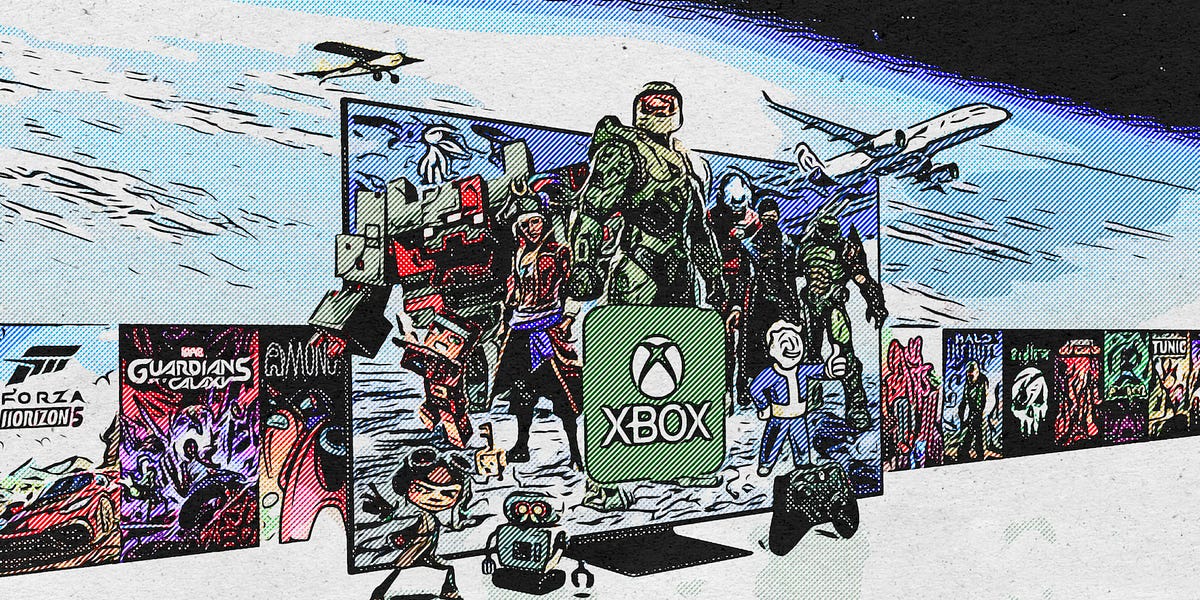
The gaming industry is currently defined by a pursuit of scale, with major entities like Roblox and Xbox establishing a target of one billion daily active users. This strategy reflects a broader, problematic trend where game companies increasingly model their operations after traditional tech businesses. By prioritizing sheer volume over depth, these firms risk misinterpreting the fundamental nature of the gaming sector, which functions more effectively as a cultural industry than a purely technological one.
The reliance on positive network effects—the assumption that a larger user base inherently increases a platform's value—is a core tenet of this growth-at-all-costs philosophy. However, research indicates that this approach is often flawed in the context of digital entertainment. Data suggests that platforms with higher user counts do not necessarily achieve superior engagement. Instead, long-term success is more closely tied to consistent community interaction and the meaningfulness of the user experience. For instance, while Roblox reached a peak of 151.5 million daily active users in the third quarter of 2025, it has since experienced a decline in peak concurrent users, signaling that viral growth is an unreliable metric for sustained health.
A more accurate measure of platform viability is the depth of individual user involvement rather than total download or login numbers. Evidence shows that while Roblox’s peak concurrent activity has dropped by over a third, its trough concurrent activity—representing the platform's baseline habit-driven usage—has increased by more than 20 percent. This shift suggests that a platform prioritizing consistent, everyday engagement is fundamentally more stable than one chasing volatile, viral spikes. Ultimately, the industry’s obsession with reaching a billion users is a hollow strategic goal if it fails to account for the quality and duration of the time players spend within these digital ecosystems.
The gaming industry is currently undergoing a significant shift toward integrating advertising into console and service-based models, a strategy previously attempted with limited success. The primary thesis is that while earlier efforts failed due to cultural resistance and technical incompatibility with product-based development, the current transition to service-oriented platforms makes advertising a viable and necessary tool for monetization. As companies face rising production costs and the need to improve margins, they are increasingly viewing their user bases through the lens of media audiences rather than just individual game purchasers.
Key data points highlight the scale of this transition. Xbox, for instance, is navigating a business overhaul under new management, with its Game Pass service currently reaching approximately 30 million subscribers. To achieve a goal of one billion daily active users, the company is pivoting toward ad-supported models, evidenced by the recent reduction of its premium tier price from $30 to $23. This strategy is supported by broader industry trends, including Electronic Arts’ move to develop its own advertising business following the conclusion of its partnership with FIFA, and the continued reliance on ad revenue within the mobile gaming sector.
The industry is effectively bifurcating into two distinct markets: a luxury segment for high-end, premium-priced titles and a broader, more accessible segment where advertising subsidizes costs for casual players. By leveraging existing infrastructure—such as Microsoft’s integration of Xbox audiences with its broader advertising capabilities—publishers are attempting to solve the historical problem of low-impact monetization. Ultimately, the industry is adopting the language and revenue models of traditional media, positioning gaming as a highly engaging, non-toxic environment that offers advertisers a compelling alternative to broadcast television and social media.
Sony’s decision to end physical disc production for PlayStation consoles by January 2028 represents a strategic shift toward maximizing platform margins by eliminating third-party retail and manufacturing costs. While this transition aligns with long-term industry trends—where digital downloads have surpassed physical sales since 2019—it highlights a growing tension between corporate efficiency and consumer loyalty. By moving exclusively to digital distribution, Sony captures a significantly higher share of revenue per unit, effectively doubling its take on third-party titles and retaining full proceeds from first-party sales.
The decline of the physical format is substantial, with global disc sales dropping from a peak of 402 million units in 2008 to 82 million in 2025. This shift is driven by the economic advantages of digital delivery, which bypasses the variable costs of global logistics, oil-dependent shipping, and the atrophied brick-and-mortar retail sector. However, this move also raises concerns regarding the erosion of property rights and the loss of a secondary market that historically served as a competitive check on platform operators. Unlike previous eras where Sony utilized disc-based hardware to build market share, the current strategy prioritizes immediate margin expansion over the cultivation of consumer trust.
Ultimately, the transition to a disc-less future reflects a broader challenge for large tech firms operating within cultural industries. While competitors like Nintendo and Xbox have occasionally accepted lower margins to maintain goodwill, Sony’s approach risks alienating its core audience. To mitigate this, the company may need to leverage its diverse entertainment portfolio—including film, music, and anime—to provide added value through bundled subscriptions. The success of this transition will depend on whether Sony can evolve from merely owning the transaction to fostering a sustainable relationship with its players.
Xbox is currently undergoing a fundamental strategic pivot, transitioning from a decade-long, eighty-billion-dollar acquisition-led growth model toward a framework defined by organizational efficiency and financial discipline. This restructuring, necessitated by the failure of previous expansion efforts to secure mobile market penetration or mitigate rising hardware production costs, involves the divestiture of five studios and the elimination of 3,200 positions. By dismantling bloated management layers and curbing portfolio expansion, the division aims to address the unsustainable overhead that characterized its previous approach to the global gaming market.
This shift reflects a broader industry correction, mirroring the austerity measures observed across other major gaming conglomerates. The move away from content-heavy consolidation toward a focus on distribution and sustainable profitability signals that the previous strategy was ill-suited for current market realities. While the spinoff of internal studios is intended to foster creative autonomy, it simultaneously transfers the burden of complex distribution and audience-acquisition challenges from the parent organization to independent entities.
Ultimately, these actions represent a necessary, albeit painful, recalibration of the Xbox business model. The transition prioritizes long-term fiscal viability over the aggressive pursuit of market share through acquisition. By streamlining operations and focusing on core distribution capabilities, the organization seeks to align its structure with the modern gaming landscape, where the costs of maintaining a sprawling, content-centric portfolio have become increasingly prohibitive. This restructuring marks the end of an era of unchecked growth, establishing a new baseline for operational performance and strategic focus within the division.
The article argues that artificial intelligence is driving up costs across the gaming ecosystem, from hardware to talent and publishing. It cites recent price hikes by Xbox and Apple as evidence that AI‑driven data center demand is squeezing consumer electronics, with memory prices surging 400 % and a projected disappearance of sub‑$500 PCs by 2028. The piece highlights how AI tools such as Google’s Project Genie have heightened investor scrutiny of game development, leading to share price volatility and a reassessment of the value of human creativity. Workforce impacts are quantified: pure‑play studios have cut headcount by 7.2 % between 2022 and 2025, while major publishers like Ubisoft, Square Enix, and Perfect World have laid off thousands of employees. The analysis contrasts publicly traded firms that prioritize short‑term margins with privately held studios that maintain flexibility and invest in talent, noting that the latter are better positioned to innovate under financial pressure. The article concludes that AI is not merely a cost driver but also a catalyst for distribution innovation, urging the industry to focus on new ways to reach audiences and build sustainable communities rather than relying on larger production budgets. The discussion is framed within the broader context of the global gaming market, with a focus on North American consumer behavior and industry trends up to mid‑2026.
The article examines the first 100 days of Asha Sharma’s tenure as CEO of Microsoft’s Xbox division, framing her leadership shift from a content‑centric to a distribution‑centric strategy. Sharma’s memo on June 10th signals a pivot toward operational efficiency and ecosystem value, prompting speculation of layoffs and potential divestitures. The piece cites recent reports that Xbox’s Game Pass subscription failed to hit a 100 million‑subscriber target, and that hardware sales have fallen 33 percent while memory costs have tripled. In response, Sharma reduced Game Pass Ultimate’s price from $29.99 to $22.99 and delayed Call of Duty releases, a move that temporarily reversed declining revenue and retention trends.
The analysis highlights Sharma’s focus on daily active users as the new north star, contrasting with Phil Spencer’s earlier emphasis on unit sales. It argues that Xbox must now prioritize lower‑cost, high‑frequency engagement to sustain profitability amid rising hardware expenses. The article projects that the next 100 days will involve further workforce reductions, deeper cost cuts, and a push toward advertising and user‑generated content as supplemental revenue streams. It also notes that Xbox’s recent acquisitions of ZeniMax and Activision Blizzard have not translated into the expected platform synergies, prompting a reevaluation of studio ownership. Overall, the piece presents Sharma’s early actions as a pragmatic response to market pressures, setting the stage for a more streamlined, ecosystem‑driven Xbox that balances content quality with distribution efficiency.
The article argues that artificial intelligence is reshaping the gaming industry, but its effects differ from common expectations. It highlights two macro‑trends—data ownership and compute demand—that are becoming central to game development and monetization. The piece cites Reddit’s recent policy shift, which restricts unauthenticated data scraping and signals a broader move by social platforms to monetize user data. Reddit’s licensing of its vast corpus to AI firms generated an additional $100 million in 2024, yet the company still treats its data as a strategic asset rather than free content. The discussion extends to major platform holders such as Valve, Apple, and Roblox, noting that these entities hold the richest behavioral data yet rarely share it with developers. The article warns that if platforms begin to price or restrict access, studios may lose a critical source of analytics and audience insights.
The narrative also touches on hardware pricing pressures, citing Valve’s recent Steam Deck price hikes driven by rising memory and storage costs. This increase threatens the competitive edge of Valve’s hardware against PlayStation 5 and Xbox Series consoles, potentially impacting consumer adoption.
Overall, the piece presents a cautious view that AI’s influence will be felt through tighter data controls and escalating compute costs, reshaping how studios gather insights, develop games, and price hardware. The analysis suggests that the gaming ecosystem must adapt to a future where data is both abundant and increasingly guarded, while compute expenses rise as AI models grow more complex.
The article announces Matthew Ball’s appointment as Chief Strategy Officer at Xbox, highlighting his influence as a leading industry analyst and author of a metaverse book. Ball’s hiring follows a broader executive overhaul led by CEO Asha Sharma, who has already shifted Xbox’s strategy by lowering Game Pass pricing and issuing a memo that echoes the company’s earlier vision. The piece argues that Ball’s expertise—particularly his focus on user‑generated content and platforms like Roblox—positions him to expand Xbox’s third‑party ecosystem, potentially doubling down on community‑driven experiences. The author notes that while the timing of Ball’s arrival is early for concrete outcomes, expectations are high given his track record in forecasting industry trends. The article also briefly touches on other industry movements, such as Take‑Two’s handling of GTA VI expectations and Sensor Tower’s acquisition of AppMagic, framing these as part of broader consolidation trends that could impact innovation. Overall, the piece presents Ball’s hiring as a pivotal moment for Xbox, suggesting that his strategic vision could steer the company toward a more open, creator‑centric future.
Nintendo’s recent decision to raise the Switch 2 price to $499.99 in the U.S., with parallel increases elsewhere, marks a historic break from its long‑standing pricing discipline and signals a broader shift in console economics. The launch, which began in June 2025, already delivered nearly 20 million units and 49 million software sales, yet Nintendo forecasts a softer second year with 16.5 million units and an 11 % revenue decline, citing rising production costs that a $50 price hike cannot fully offset. The move coincided with a 25 % subscription increase in Japan and triggered an 8.4 % drop in the company’s stock, its lowest level since August 2024 and a 34 % year‑to‑date decline.
The price escalation reflects three converging pressures: memory component costs have surged as hyperscalers such as Amazon, Google and Microsoft invest heavily in AI infrastructure; shipping disruptions from the Hormuz Strait have inflated logistics expenses; and U.S. tariffs imposed last year, later ruled unlawful, still exerted a pricing drag estimated at up to $246 per console. These factors have compressed Nintendo’s margins, forcing a rare price increase even for the most disciplined hardware maker.
Industry peers mirror this trend. Sony announced an $899 PlayStation 5 Pro, while Microsoft raised Xbox Series X prices twice in 2025. Historically, console cycles feature mid‑life price cuts; the current generation is reversing that pattern for the first time in four decades. Investors remain split: some view Nintendo’s move as a warning that even the most financially conservative player cannot absorb cost inflation, while others see it as an opportunity to buy a dip amid strong first‑year sales and robust ancillary revenue streams from its film franchise and cash reserves. The shift underscores that console economics are now driven more by supply‑chain constraints than by technology upgrades, compelling firms to rethink pricing models and product roadmaps for the next generation.
GameStop’s recent proposal to acquire eBay for $56 billion positions the retailer as a potential holding company, a strategy that diverges sharply from its historical focus on physical game sales. The offer values eBay at $46 billion, while GameStop’s market capitalization sits near $11 billion, implying a need for substantial debt financing—cited as a “highly confident letter” from TD Bank for up to $20 billion. The bid is framed as a strategic move to leverage GameStop’s 1,600 physical stores for “witnessed verification,” addressing eBay’s counterfeit and trust challenges. However, the proposal raises concerns about financial feasibility: GameStop’s operating revenue has fallen from $9.6 billion in 2012 to $3.6 billion in 2026, and its profit is largely interest income from a $9 billion cash hoard rather than retail sales. The company’s physical footprint has shrunk from 7,535 stores to about 3,200, and headcount dropped from 20,000 to roughly 4,000. The bid’s timing—publicly announced before any substantive discussion with eBay’s board—suggests a focus on market perception and shareholder value rather than a concrete acquisition plan. Analysts note that the deal would push leverage to roughly 7.7× EBITDA, bordering on distressed levels, and question whether the strategic rationale can justify such a large outlay. The proposal reflects GameStop’s broader shift toward financial engineering and speculative growth, rather than a sustainable retail turnaround.
The article argues that the global tabletop and toy market, valued between $16.8 billion and $24.9 billion in 2026, is experiencing a decisive shift toward integrated digital‑physical business models. It cites the 2025 IPO of Asmodee and subsequent market performance to illustrate a clear split: companies that have built high‑margin secondary revenue engines—Hasbro, Games Workshop, and Asmodee—have posted gains of 26 % to 55 %, while those still reliant on single‑channel retail, such as Mattel and Spin Master, have declined 32 % to 38 %. The piece highlights Hasbro’s $2.2 billion in 2025 revenue, a 45 % year‑over‑year rise, with Magic: The Gathering alone growing 59 %. Games Workshop’s $1 billion revenue in 2025 yielded a 42 % profit margin, driven by licensing of Space Marine 2. Asmodee’s recent $194 million acquisition of ATM Gaming and its Board Game Arena user base of nearly 11 million are positioned to strengthen its digital front.
The analysis emphasizes that control over demand economics—pricing, timing, and audience—determines profitability. Physical‑first firms face rising tariff costs (Hasbro’s $70 million in 2025) and limited distribution leverage, whereas digital platforms avoid shipping and tariff expenses. The entry of Amazon Luna GameNight and Netflix’s TV‑based gaming further expands licensing channels for classic IPs like Uno, which currently generates $3 million monthly from mobile downloads but is losing 16 % in recent months.
Overall, the article concludes that firms must develop cross‑world metagames to avoid falling behind; those that succeed will capture higher margins and sustainable growth over the next decade.
The current state of the global video game industry is frequently mischaracterized as a market crash, a sentiment often echoed by industry veterans. However, analytical evidence suggests that the industry is not experiencing a collapse in consumer demand comparable to the 1983 North American console market crash, which saw a 90 percent decline in total value. In contrast, the modern global games market remains robust, valued at approximately $200 billion with a 4.5 percent year-over-year growth rate.
The prevailing industry anxiety stems from a broken production logic rather than a lack of consumer interest. Over the past two decades, major publishers have engaged in an unsustainable arms race, significantly inflating production budgets for prestige titles without achieving proportional financial returns. This structural issue is compounded by rising user acquisition costs, particularly in the mobile sector following changes to digital advertising frameworks, and a sharp decline in venture capital investment, which fell from a peak of $19.5 billion in 2021 to $4.3 billion by 2025.
While the emotional distress and structural disorientation within the workforce are genuine, the industry is undergoing a correction of an inefficient business model rather than a fundamental failure of the medium. Evidence of continued consumer engagement is visible in successful high-profile projects, such as the record-breaking $27 million raised by the Cyberpunk trading card game on Kickstarter. This success highlights that when publishers align with fan interests and utilize effective distribution strategies, consumer demand remains strong. Ultimately, the industry is not facing a demand-side crisis, but rather a necessary recalibration of its production and investment strategies.