1 free read left. Create a free account for unlimited reading + AI research.
Create free accountArticleSerious Games Society
Superficial mechanics like badges, points, and leaderboards often prioritize extrinsic rewards.
It's like paying a child to do chores they already enjoy; the payment can make them less likely to do it for…
Key finding. External incentives can reduce a user’s innate interest in a task.
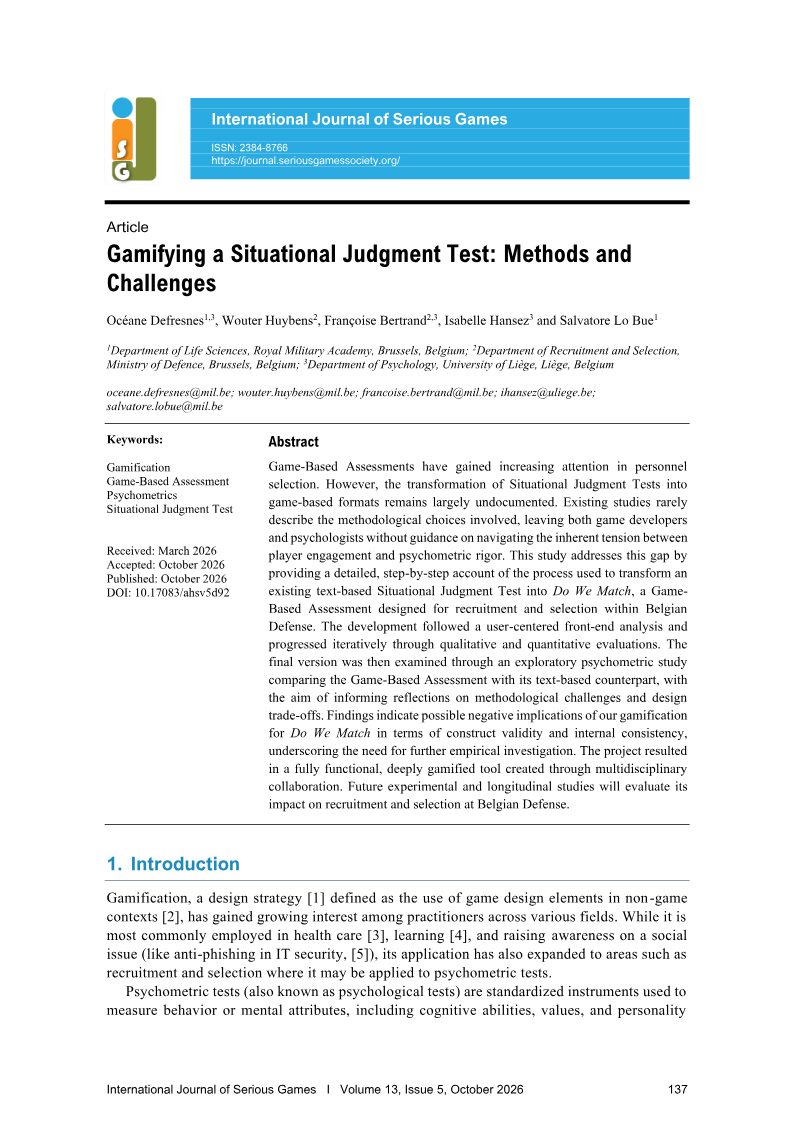
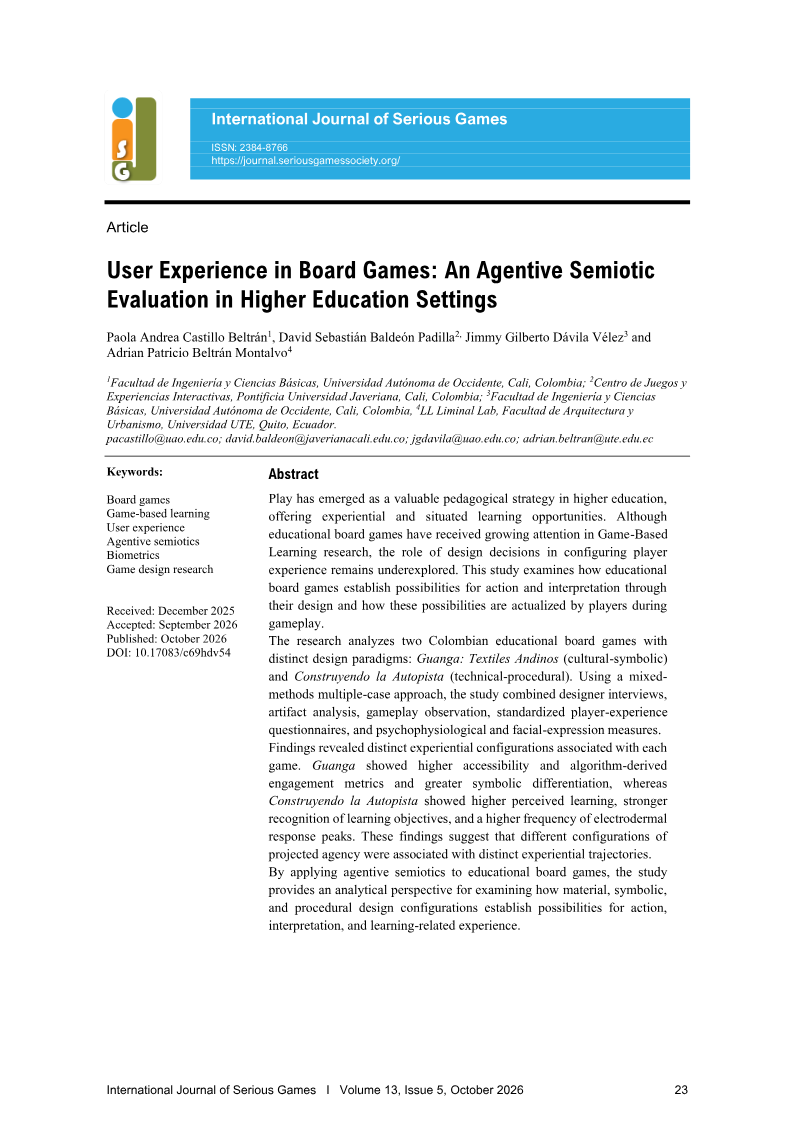
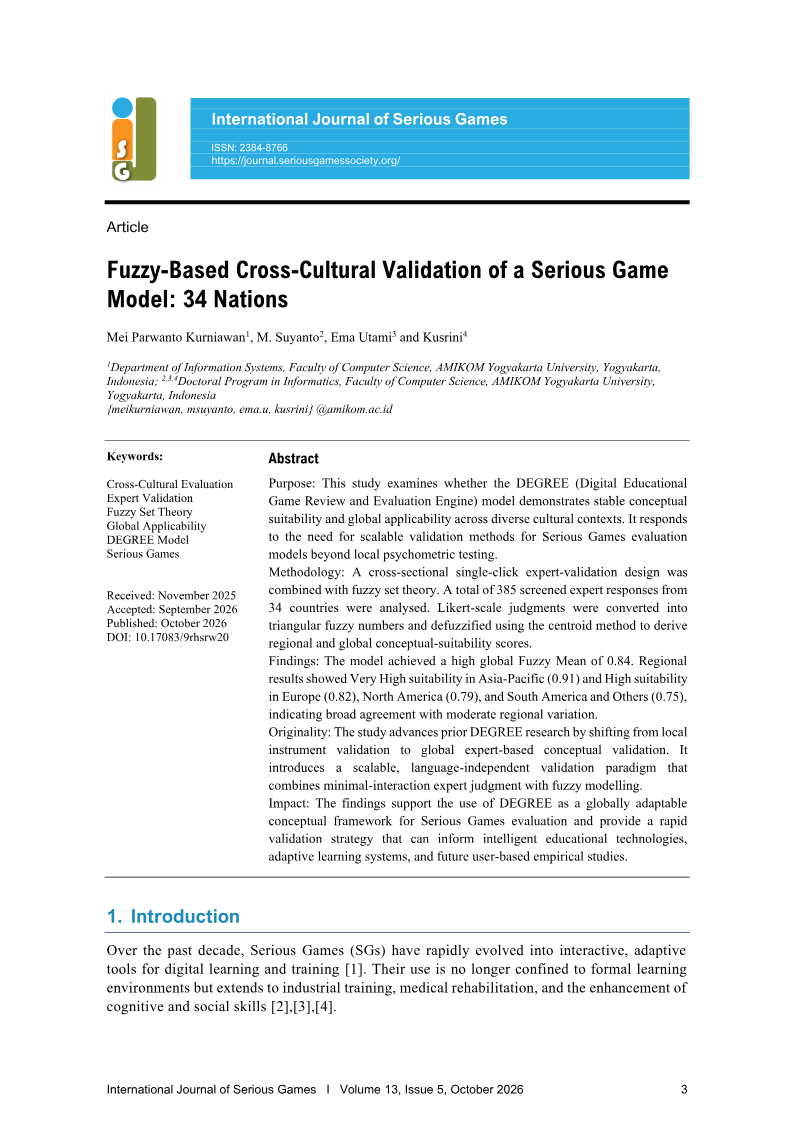
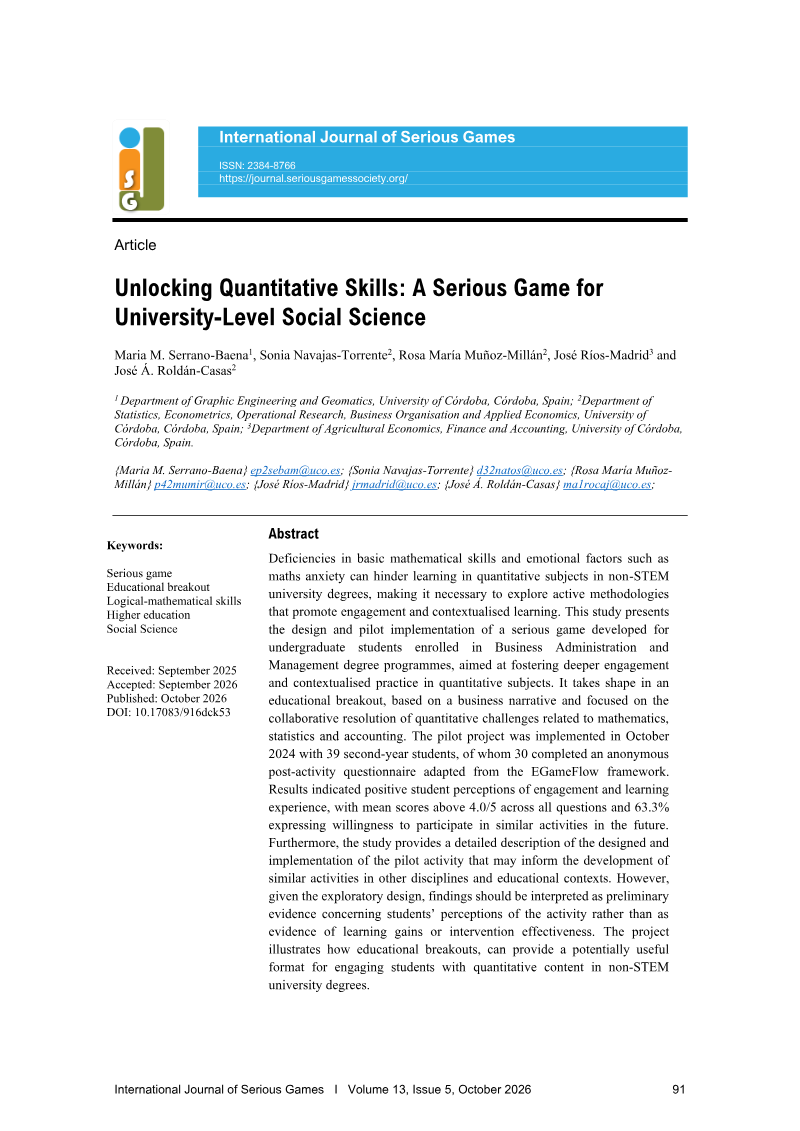
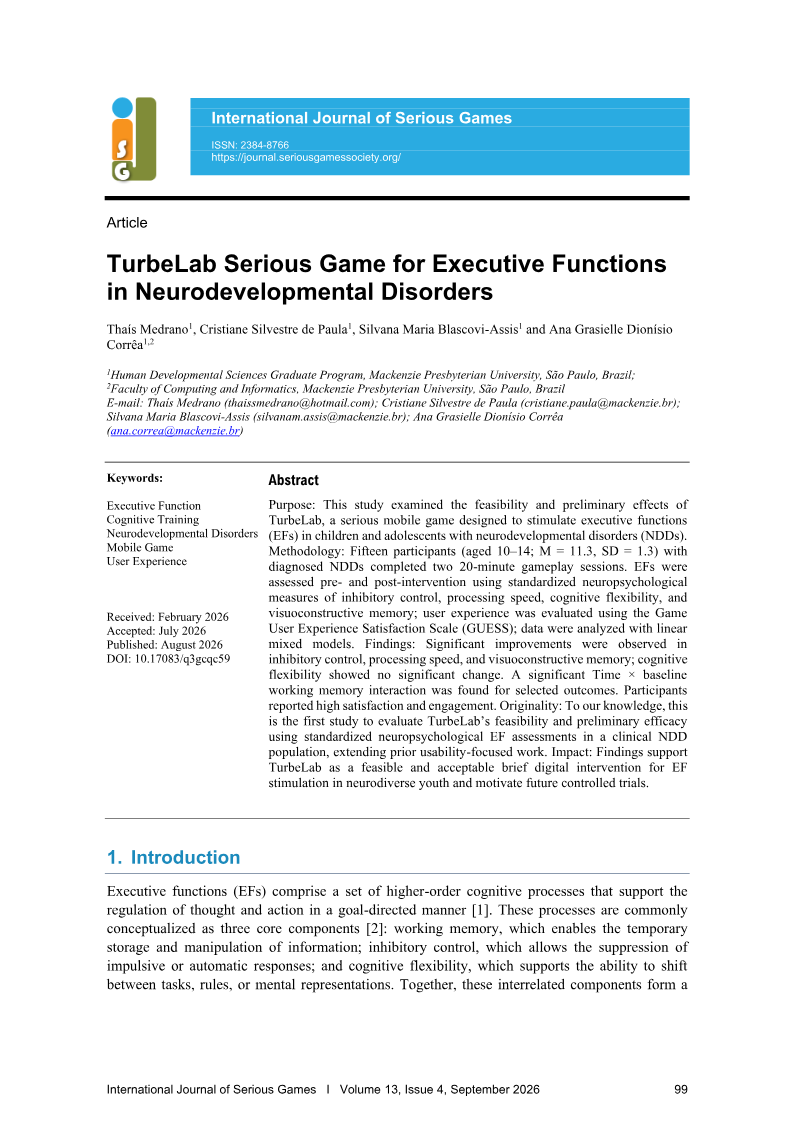
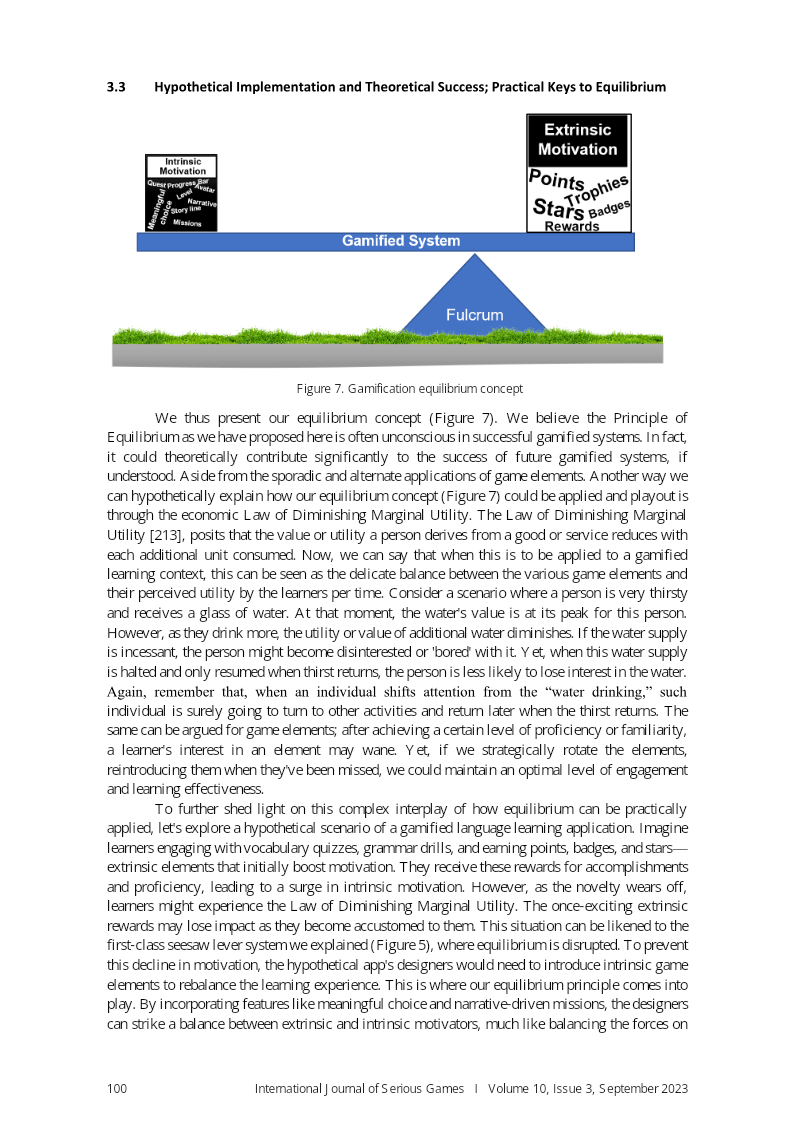
Gamification strategies frequently falter due to an overreliance on superficial mechanics, such as badges, points, and leaderboards, which prioritize extrinsic rewards at the expense of user autonomy. This "pointification" often triggers the overjustification effect, a psychological phenomenon where external incentives diminish a user’s innate interest in a task. To counteract this, a Gamification Equilibrium framework is necessary, conceptualizing the design process as a first-class lever that requires a precise, dynamic balance between extrinsic motivators and intrinsic drivers like mastery and narrative engagement.
The core thesis posits that extrinsic rewards are not inherently detrimental but must be applied with strategic restraint to avoid user desensitization. By incorporating the law of diminishing marginal utility, designers can rotate and regulate game elements to maintain long-term engagement rather than relying on static, repetitive systems. This approach necessitates a shift from shallow, one-size-fits-all implementations toward adaptive systems that align game mechanics with individual psychological needs and specific learning or professional contexts.
Spanning diverse sectors including education, marketing, and tourism, this analysis draws upon foundational psychological theories such as Self-Determination Theory and the Technology Acceptance Model. The findings underscore that successful gamification is not an arbitrary application of game elements but a sophisticated, evidence-based interplay of motivational factors. Ultimately, achieving sustainable engagement requires designers to move beyond surface-level rewards and prioritize the cultivation of intrinsic motivation, ensuring that extrinsic elements serve as a supportive scaffold rather than a replacement for genuine user interest.
Serious Games Society · 2026
Serious Games Society · 2026
Serious Games Society · 2026
Serious Games Society · 2026
Serious Games Society · 2026



Serious Games Society · 2026
Serious Games Society · 2026
Serious Games Society · 2026
Serious Games Society · 2026
Serious Games Society · 2026

International Journal of Serious Games · 2026
Serious Games Society · 2026
International Journal of Serious Games · 2026









Comments