Games and Culture
SAGE journal for the cultural, social and humanities study of games. Only its open-access articles are included.
Documents
Playing with Character: A Framework of Characterization in Video Games
Characterization in video games functions as a complex, multi-layered process that transcends traditional literary analysis by integrating interactive, player-driven dynamics.
Reviewing the Emerging Literature on Video Gaming and Psychological Well-Being of Sexual and Gender Diverse Youth
Video games serve as a critical, multifaceted environment for sexual and gender diverse youth (SGDY), functioning as both a sanctuary for identity exploration and a potential site of psychological distress.
- Video games serve as a critical environment for sexual and gender diverse youth (SGDY) to explore identity, build community, and access support systems often unavailable in their physical lives.
- Avatars function as essential tools for gender affirmation and personal experimentation, demonstrating the therapeutic potential of interactive media for this demographic.
- The gaming experience for SGDY is frequently undermined by systemic issues including pervasive online harassment, exclusionary game mechanics, and the risks associated with maladaptive escapism.
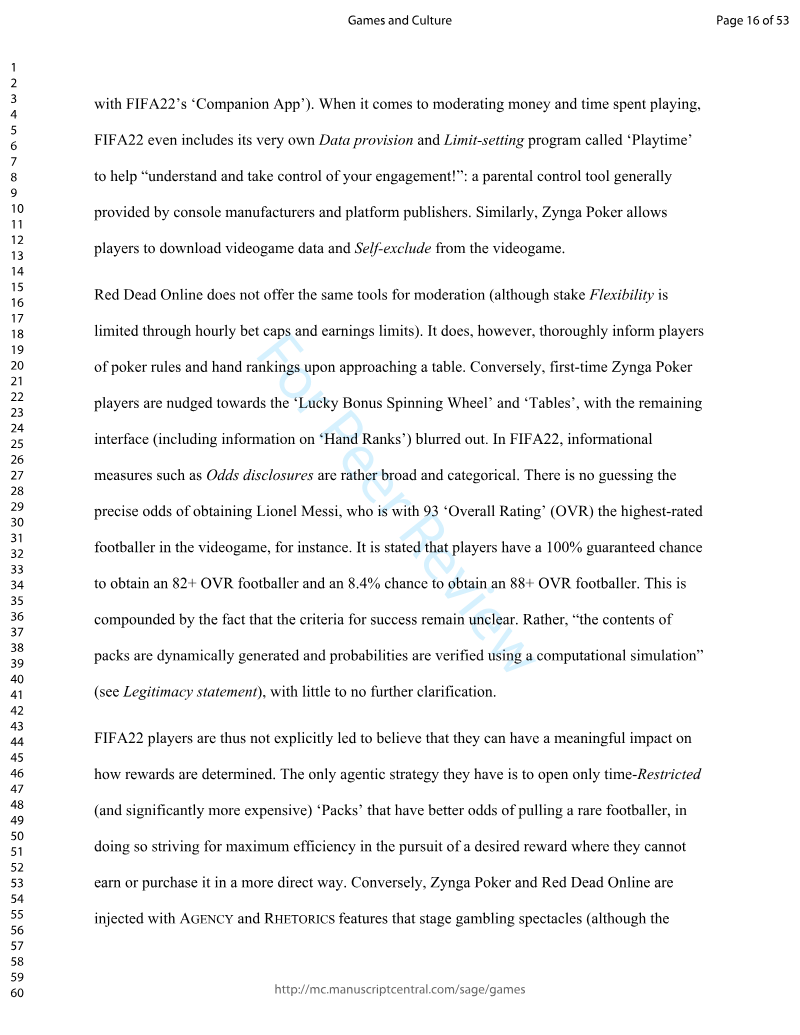
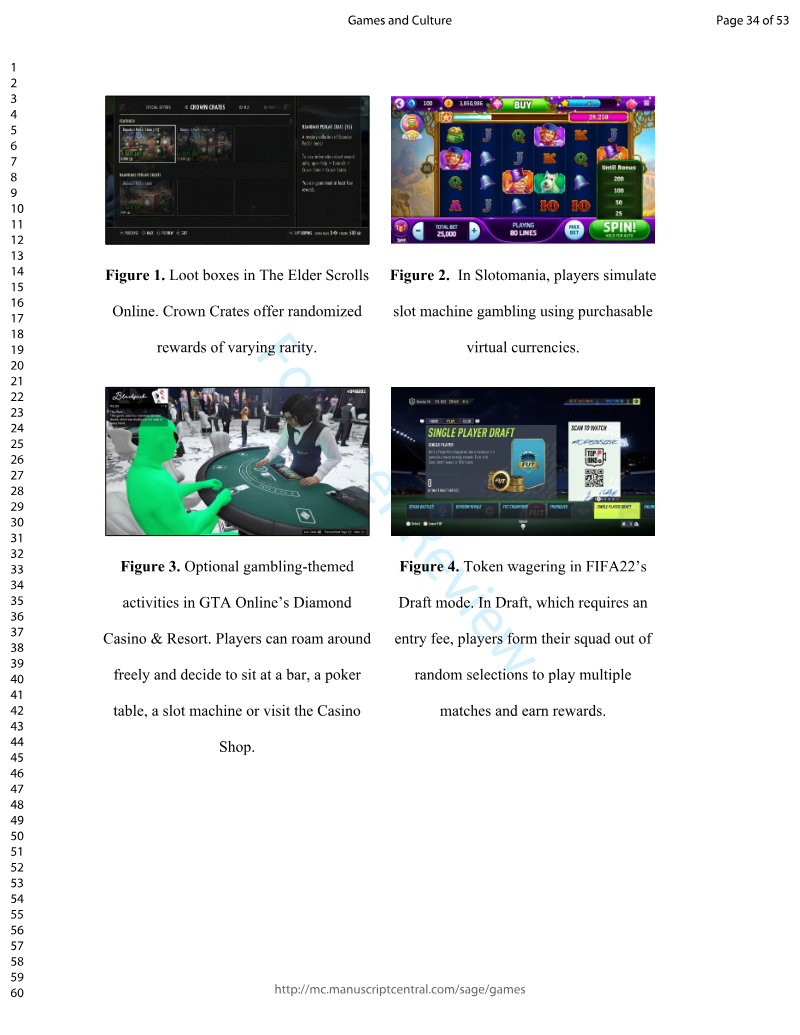
Making Complexity Measurable in Practice: A Formal Analysis of Gamble-Play Media
The convergence of video games and gambling represents a significant shift in digital entertainment, necessitating a move away from binary regulatory definitions toward a more nuanced, systemic understanding of design.
“Community” in Video Game Communities
Video game communities function as hybrid, multi-sited environments that bridge the gap between traditional face-to-face socialization and digital connectivity.
The Orc: Playing the Wholly Other
World of Warcraft serves as a critical site for re-evaluating Kantian aesthetics within the context of digital interaction.
Remediating Video Games in Contemporary Fiction: Literary Form and Intermedial Transfer
Contemporary literature is undergoing a significant formal evolution as authors increasingly integrate the structural mechanics of video games into their narratives.
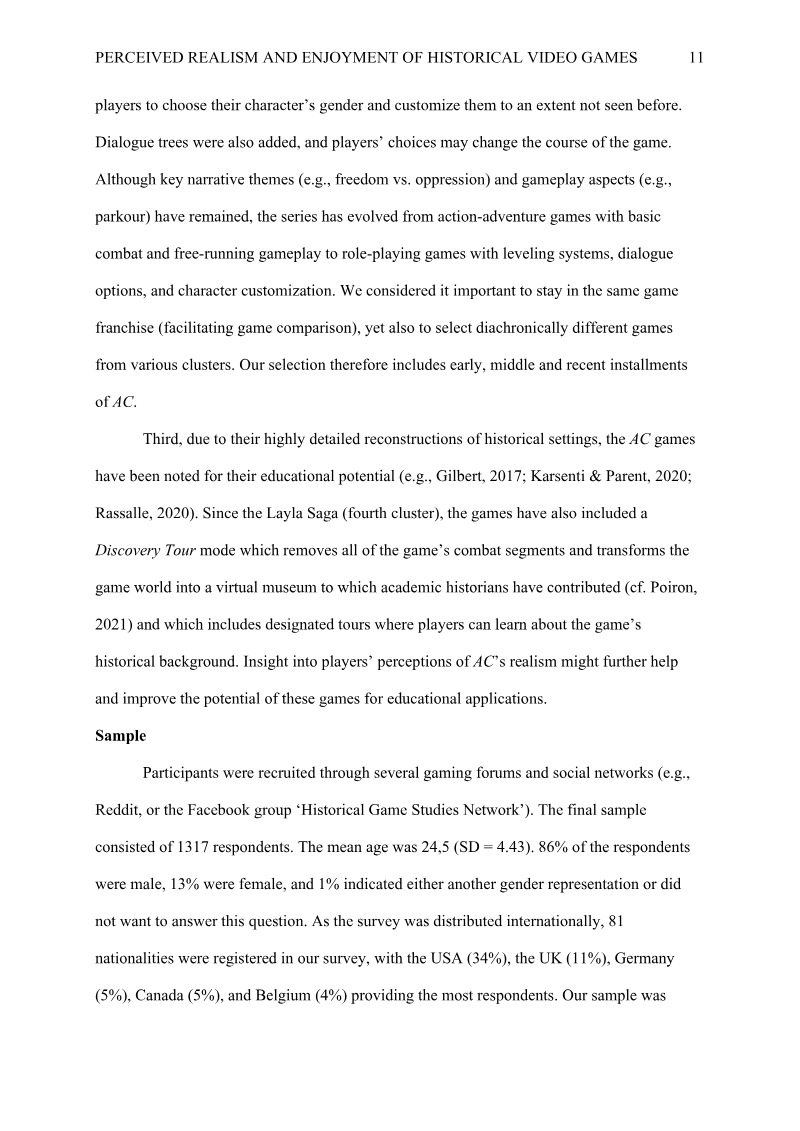
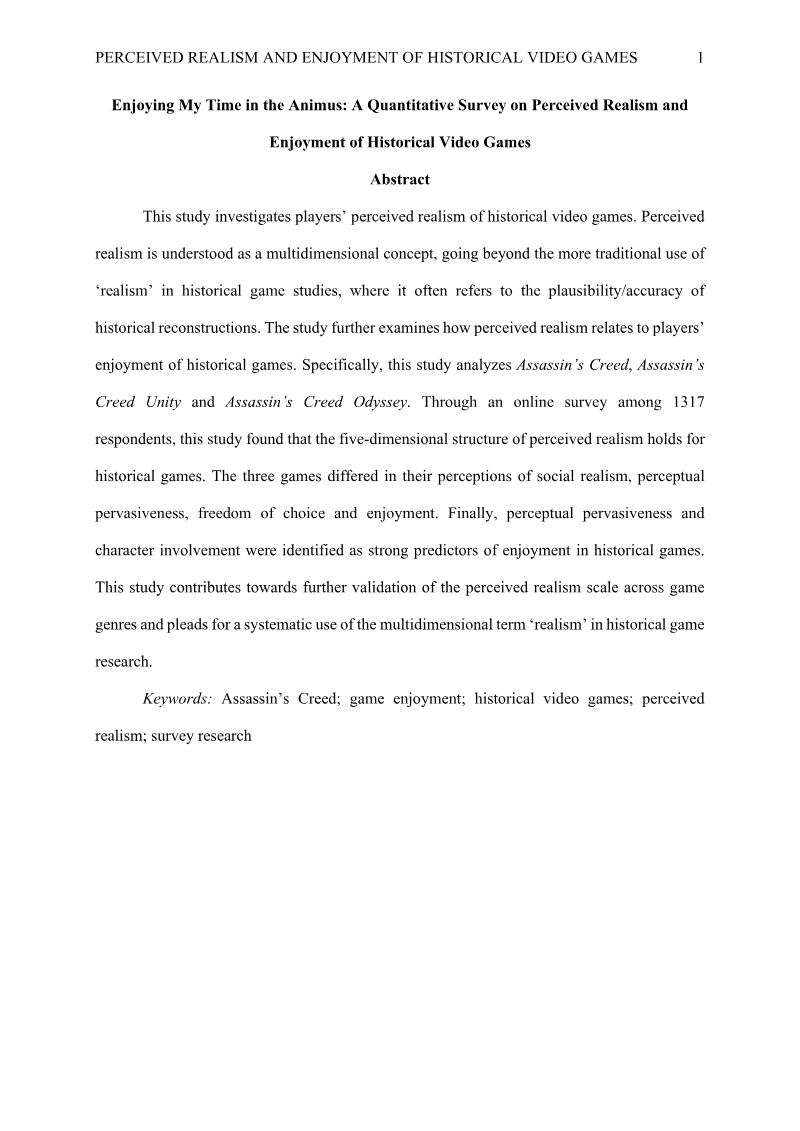
Enjoying My Time in the Animus: A Quantitative Survey on Perceived Realism and Enjoyment of Historical Video Games
Historical video games rely on a complex, multidimensional framework of perceived realism to drive player satisfaction, moving well beyond the traditional focus on historical accuracy.
- Perceptual pervasiveness and character involvement are the primary drivers of player enjoyment, accounting for over 27% of the variance in satisfaction levels when combined with freedom of choice, simulational realism, and player age.
- Historical accuracy is not a statistically significant predictor of player satisfaction, suggesting developers should prioritize immersive and narrative-driven elements over binary debates regarding historical fidelity.
- Social realism is perceived by players as the most prominent feature of historical games, yet it holds no statistical significance in predicting overall player enjoyment.
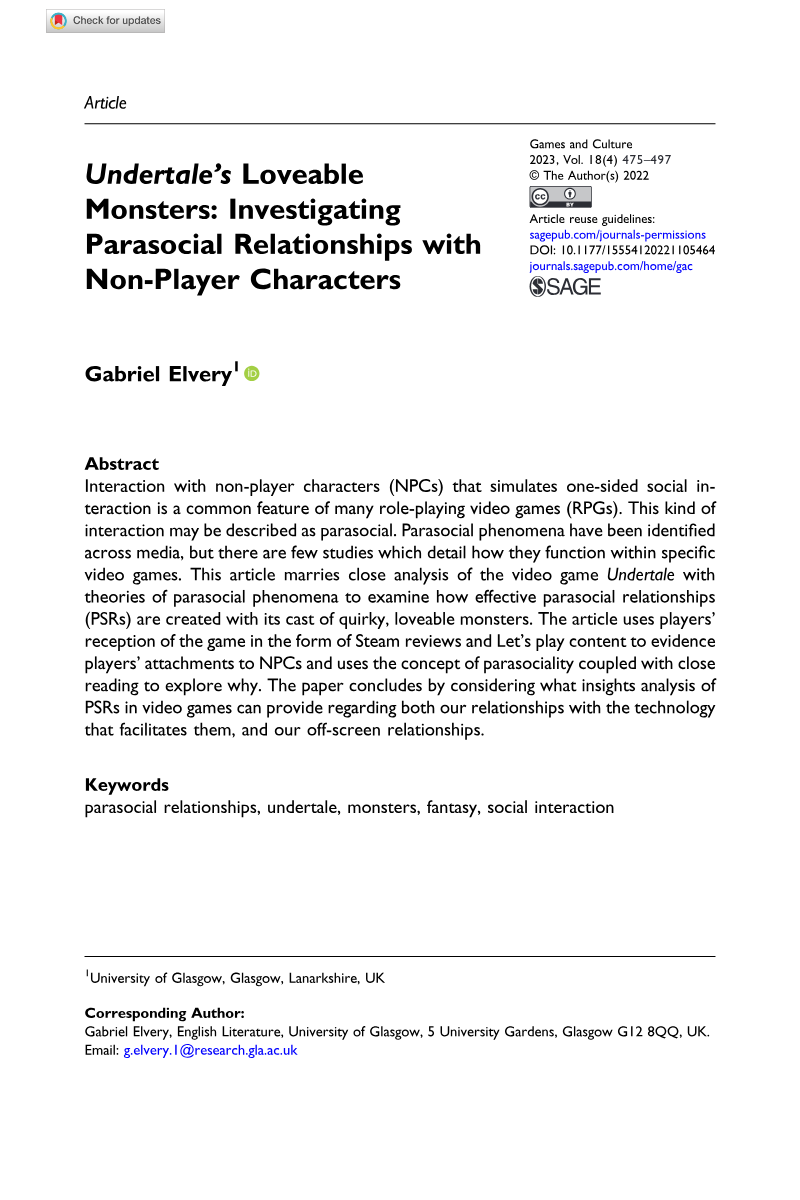
Monsters: Investigating Parasocial Relationships with Non-Player Characters
The video game Undertale serves as a critical case study for understanding how interactive media fosters deep parasocial relationships between players and non-player characters.
- Players form meaningful, multifaceted parasocial bonds with virtual entities when game mechanics and narrative systems are tightly integrated to foster reciprocal-feeling engagement.
- The quality of player-character relationships is fundamentally determined by the game's structural design, which can function as a system of either coercion or collaboration.
- Reactive world states that respond to player choices between violence and empathy are the primary drivers for establishing deep emotional connections with non-player characters.
Becoming a Gamer: Performative Construction of Gendered Gamer Identities
The Finnish gaming industry functions as a site of performative identity construction where gendered norms are continuously negotiated against a backdrop of hegemonic, masculine-coded discourse.
- The gaming industry maintains a rigid hierarchy that privileges competitive, hardcore gaming while systematically devaluing casual play as feminized.
- Women in the professional gaming sector face a double bind where they must either adopt masculine standards to gain legitimacy or risk harassment and professional exclusion.
- Many women navigate industry barriers by reframing technical engagement as a creative and social pursuit, effectively challenging the traditional 'nerd' archetype.
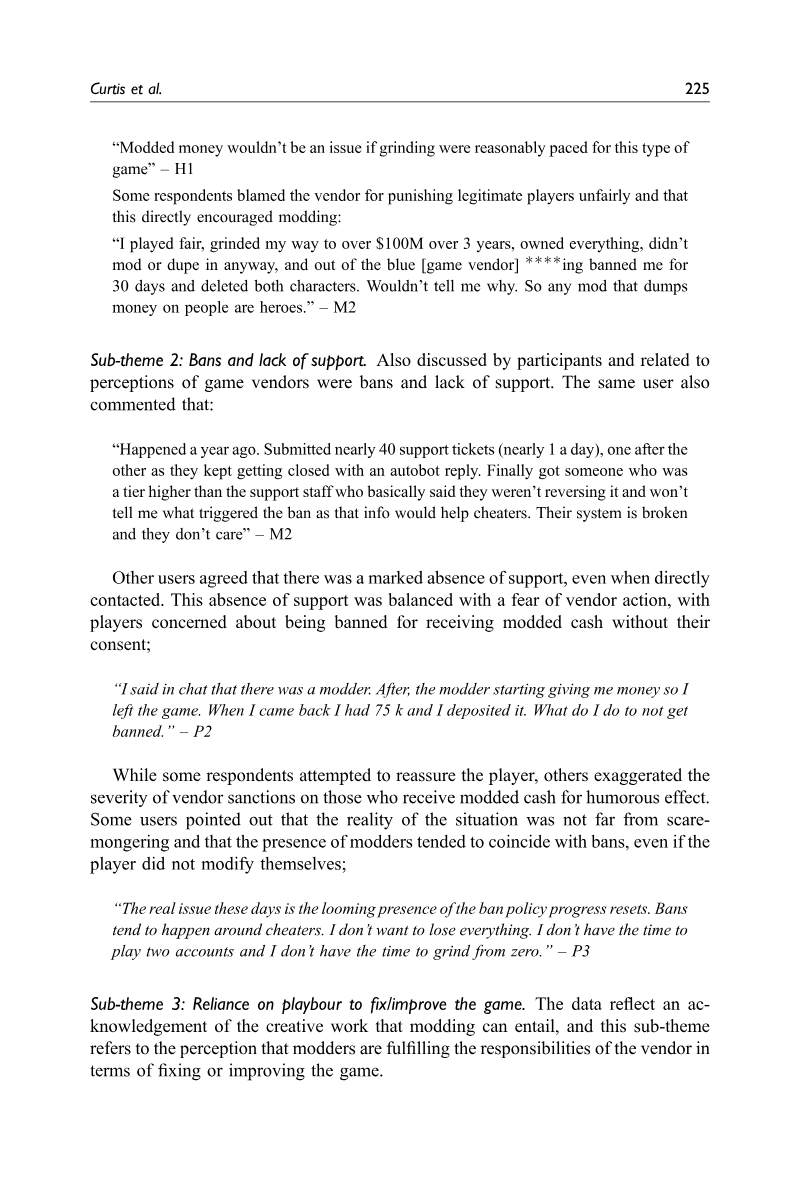

Heroes and Hooligans: The Heterogeneity of Video Game Modders
Video game modding functions as a complex, multifaceted subculture that defies simplistic categorization as either purely beneficial or inherently malicious.
- The video game industry incorrectly categorizes modders as a homogeneous group of antagonists, failing to distinguish between creative, pro-social contributors and malicious actors.
- Broad, punitive vendor policies that fail to differentiate between beneficial modding and genuine cheating often alienate the player base and foster unnecessary hostility.
- Modding motivations are diverse, ranging from technical bug fixes and game enhancements to defensive reactions against perceived unfair vendor practices or toxic environments.
Playing Video Games During the COVID-19 Pandemic and Effects on Players’ Well-Being
Video games served as a critical psychological resource during the COVID-19 pandemic, functioning as a primary mechanism for maintaining mental health and social stability during periods of global isolation.
- During the COVID-19 pandemic, 71 percent of the 781 surveyed individuals increased their video game consumption to manage stress and maintain mental health.
- Positive mental health outcomes, such as cognitive stimulation and escapism, were reported ten times more frequently than negative impacts related to productivity.
- Gaming served as a critical psychological resource by satisfying fundamental human needs for competence, autonomy, and social connection during periods of isolation.
Ruins of Excess: Computer Game Images and the Rendering of Technological Obsolescence
Digital games increasingly utilize hyper-realistic aesthetics of decay and destruction to construct immersive environments, yet these virtual ruins serve as a profound metaphor for the industry’s own cycle of technological obsolescence.
Do you work at Games and Culture? Get a free report of how these documents are read and cited here.