Games and Culture
SAGE journal for the cultural, social and humanities study of games. Only its open-access articles are included.
Documents
Penguins, Hype, and MMOGs for Kids: A Critical Reexamination of the 2008 "Boom"
The 2008 surge in children’s virtual worlds was largely a product of industry-manufactured hype rather than organic market growth.
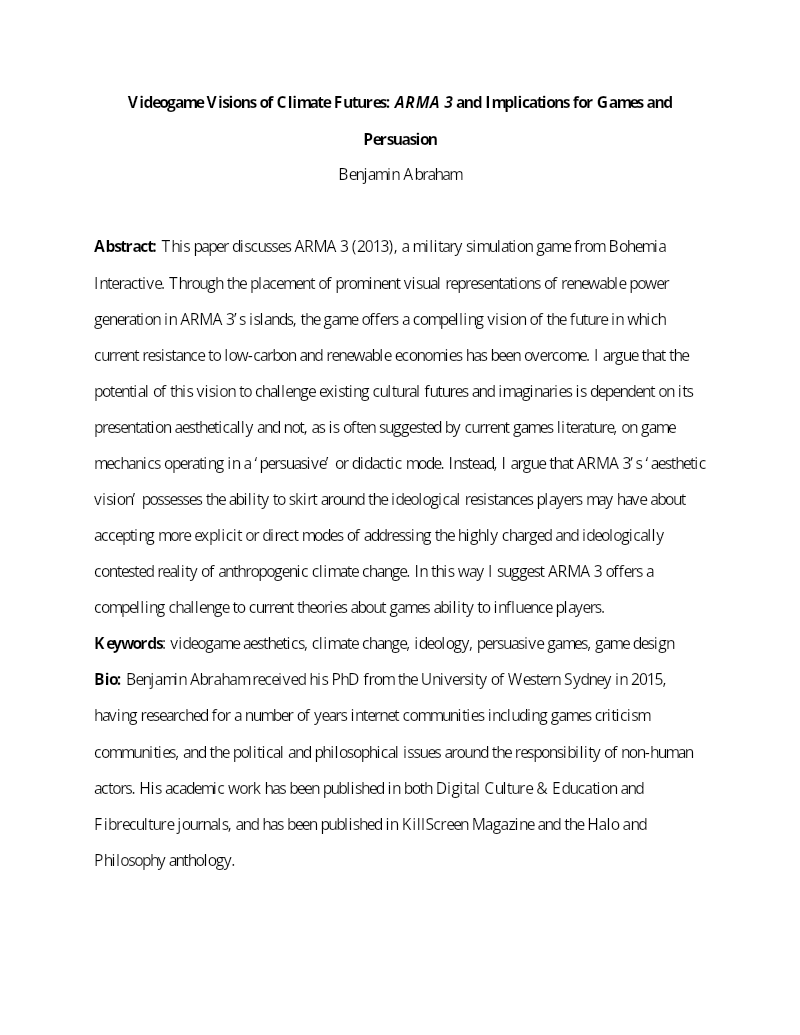
Videogame Visions of Climate Futures: ARMA 3 and Implications for Games and Persuasion
Video games frequently struggle to influence player perspectives on climate change because overt, mechanics-heavy simulations often trigger ideological resistance.
Does Digital Gaming Enable Healthy Ageing for Community-Dwelling People With Dementia?
Digital gaming serves as a viable and effective tool for promoting healthy aging and independence among community-dwelling individuals living with dementia.
Framing Gaming: The Effects of Media Frames on Perceptions of Game(r)s
Media framing plays a critical role in shaping public attitudes toward video games and the gaming community.
- News media narratives focusing on risks rather than opportunities drive negative public sentiment and increase support for gaming censorship and restrictive policies.
- Nongamers are significantly more susceptible to media framing than individuals with established personal gaming habits, who use their experience as a buffer against negative narratives.
- A robust third-person effect persists where individuals view others—specifically children and adolescents—as more vulnerable to gaming harms than themselves, regardless of media framing.
Art Video Games: Ritual Communication of Feelings in the Digital Era
Art video games function as a potent medium for ritual communication, effectively eliciting shared emotional and social representations among diverse player populations.
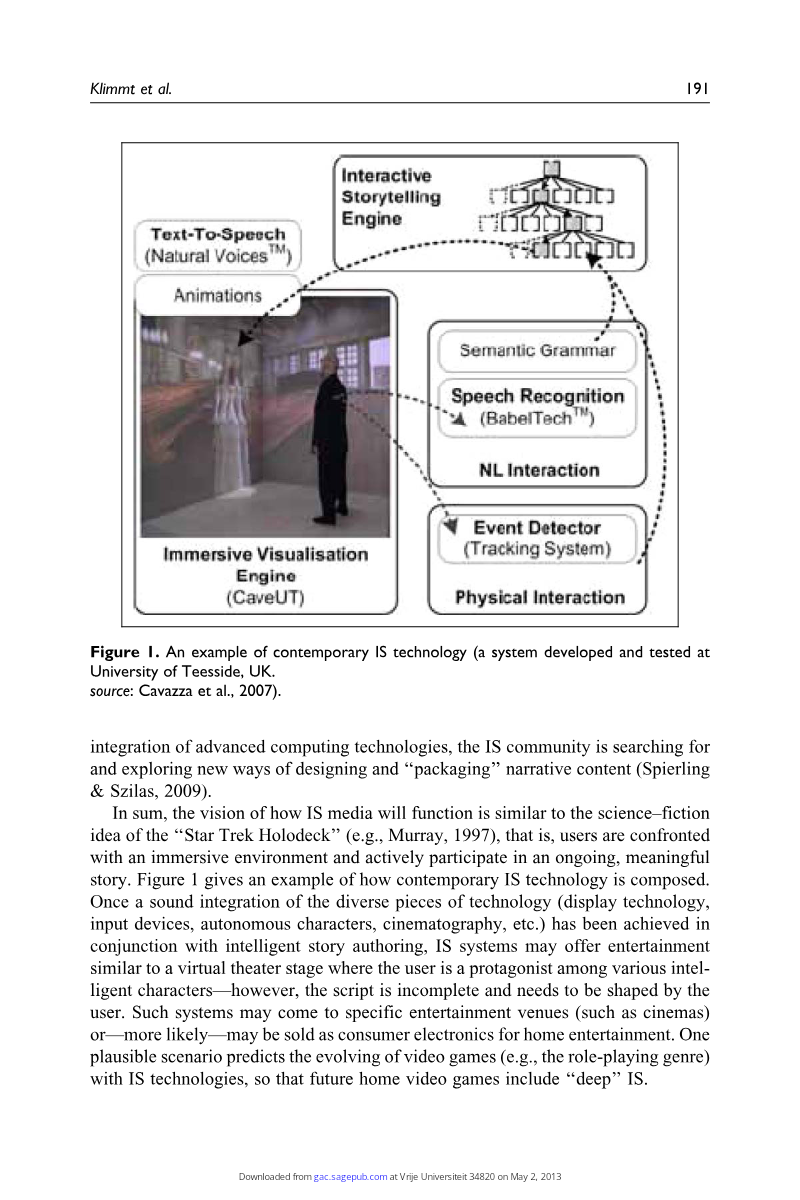
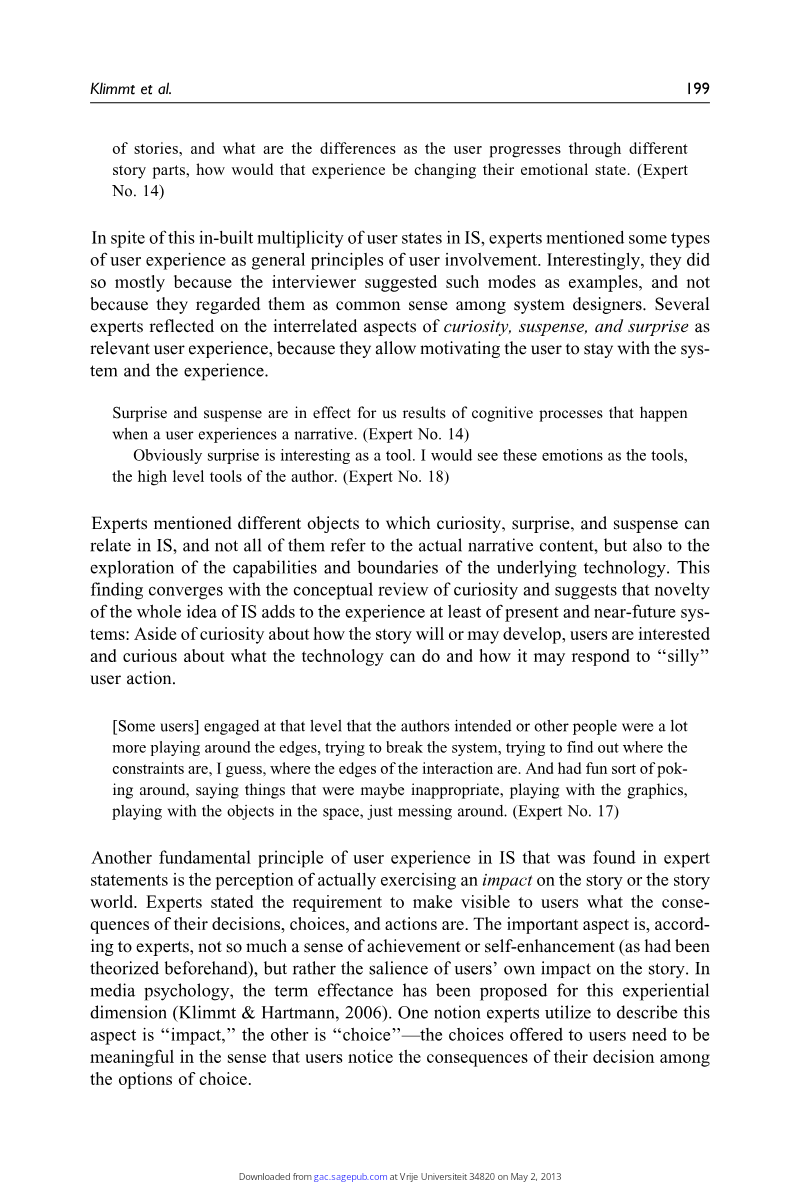
Forecasting the Experience of Future Entertainment Technology: Interactive Storytelling and Media Enjoyment
Interactive storytelling represents a transformative shift in digital entertainment, moving away from static, author-controlled narratives toward dynamic, collaborative environments where users function as protagonists.
Do you work at Games and Culture? Get a free report of how these documents are read and cited here.