Gamecity Hamburg
Association402 documents
Documents
Article
Prototype Funding: New Funding Round Starts - Germany
Gamecity Hamburg has initiated a new round of prototype funding for game developers, teams, and small-to-medium enterprises based in or relocating to Hamburg. The primary objective of this program is to provide financial support for the development of game prototypes, with a specific focus on enabling the realization of larger-scale projects through increased funding caps.
The program offers a standard maximum funding amount of 80,000 euros, which covers up to 80 percent of total project costs, requiring applicants to provide a 20 percent self-contribution. A significant update for this funding cycle allows applicants to increase their total potential support to 120,000 euros if they combine the Gamecity Hamburg grant with other public funding sources, such as federal German game development programs. To qualify for this higher tier, projects must satisfy the eligibility criteria for both the local and the additional public funding programs.
The application process requires a mandatory consultation with Gamecity Hamburg at least two weeks prior to submission. The current application window remains open until April 11, 2022, with a second funding round scheduled to take place from August 29 to October 4, 2022. This initiative reflects a broader regional commitment to fostering the local games industry by providing structured financial pathways for developers to move from concept to prototype.
- Gamecity Hamburg is offering prototype funding of up to 80,000 euros, covering 80 percent of total project costs for local developers and SMEs.
- Applicants can increase their total funding cap to 120,000 euros by combining the Gamecity Hamburg grant with other public sources, such as federal German programs.
- The program requires a mandatory 20 percent self-contribution from the applicant to qualify for the standard funding tier.
- The current application window for this funding cycle closes on April 11, 2022, with a second round scheduled from August 29 to October 4, 2022.
- Applicants must complete a mandatory consultation with Gamecity Hamburg at least two weeks before submitting their formal application.
+1
Gamecity Hamburg
Article
Crumbling Releases First VR-Demo: Germany
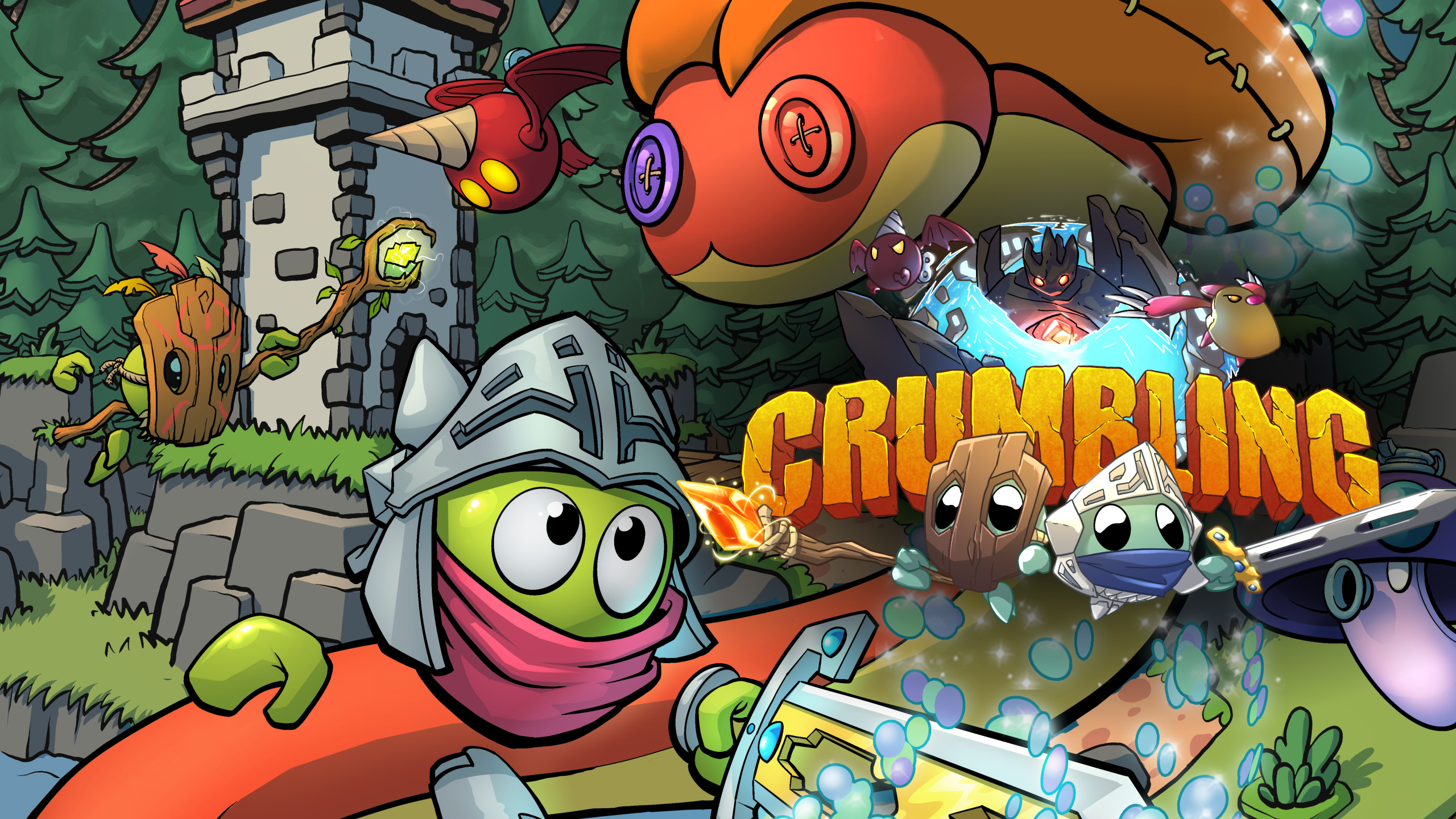
The release of the first virtual reality demo for the action-roguelike title Crumbling marks a significant milestone for developer Ole Jürgensen and his team. The game, which features a unique third-person perspective within a virtual reality environment, tasks players with controlling enchanted action figurines to defend a toy store from an encroaching army of monsters. By utilizing motion controls to interact with the game’s dioramas, the project aims to demonstrate that virtual reality is not limited to first-person experiences, offering an intuitive and immersive alternative for action-oriented gameplay.
The development of Crumbling is closely tied to the regional gaming ecosystem in Hamburg, Germany. The project’s core concept originated during the 2020 Games Lift Incubator program, and subsequent progress was facilitated by a 2021 Prototype Funding grant. These initiatives provided the necessary support for the team to refine their mechanics and move toward a public release. The current demo, which includes an interactive comic book introduction and five distinct dioramas, is available to the public via Steam and Sidequest, with support for Oculus Quest 2 and Oculus Rift S headsets.
This development highlights the ongoing efforts of local support programs to foster innovation within the German independent game industry. As the team prepares for a full release, the project serves as a case study for how regional incubator and funding programs can successfully transition a prototype into a viable, market-ready virtual reality product. The release underscores a broader trend of Hamburg-based studios leveraging local resources to produce specialized, high-quality titles for the global VR market.
- Developer Ole Jürgensen has released a VR demo for the action-roguelike title Crumbling, which features a third-person perspective where players control action figurines to defend a toy store.
- The demo is currently available on Steam and Sidequest with compatibility for Oculus Quest 2 and Oculus Rift S headsets, featuring an interactive comic introduction and five distinct dioramas.
- The project originated in the 2020 Games Lift Incubator program in Hamburg, Germany, and received a 2021 Prototype Funding grant to support its development.
- Crumbling serves as a case study for how regional incubator and funding programs can successfully transition independent prototypes into market-ready VR products.
- The release highlights a broader trend of Hamburg-based studios utilizing local resources to develop specialized, high-quality titles for the global virtual reality market.
+1
Gamecity Hamburg
Article
#StandWithUkraine: Info and Links on How to Help
Published on March 9, 2022, this resource serves as a centralized hub for the Hamburg games industry to coordinate support for Ukraine following the Russian invasion. The primary objective is to mobilize local developers and the broader public by providing actionable pathways for humanitarian aid, including financial contributions, material donations, and the provision of housing and workspace for displaced individuals.
The initiative highlights several specific channels for assistance, ranging from municipal resources in Hamburg to industry-specific efforts. Key data points include the promotion of the Bundle for Ukraine on itch.io, which featured nearly 1,000 games and raised funds for the International Medical Corps and Voices of Children, supported by over 700 developers. Additionally, the text references a collaborative effort by European studios to maintain a live, evolving list of available office and residential spaces for fleeing game developers.
The scope of the information is twofold: it provides localized guidance for Hamburg residents regarding official city support services and material collection points, such as the Der Hafen hilft e.V. warehouse, while simultaneously offering global resources for the international game development community. By aggregating links to Discord servers, donation platforms, and developer-led initiatives like Devs4Ukraine, the resource acts as a bridge between immediate humanitarian needs and the professional network of the games sector. The content emphasizes a collective, industry-wide commitment to solidarity during the early stages of the conflict.
- The itch.io 'Bundle for Ukraine' featured nearly 1,000 games and involved over 700 developers to raise funds for the International Medical Corps and Voices of Children.
- The initiative established a centralized hub in Hamburg on March 9, 2022, to coordinate humanitarian aid, housing, and workspace for displaced game developers.
- European studios collaborated to maintain a live, evolving database of available office and residential spaces for industry professionals fleeing the conflict.
- The resource aggregated global industry support through platforms like Devs4Ukraine and various Discord servers to bridge professional networks with humanitarian needs.
- Local support efforts in Hamburg directed residents to official city services and material donation points, specifically the Der Hafen hilft e.V. warehouse.
Gamecity Hamburg
Article
Looking Back at the Hamburg Games Conference 2022: Germany
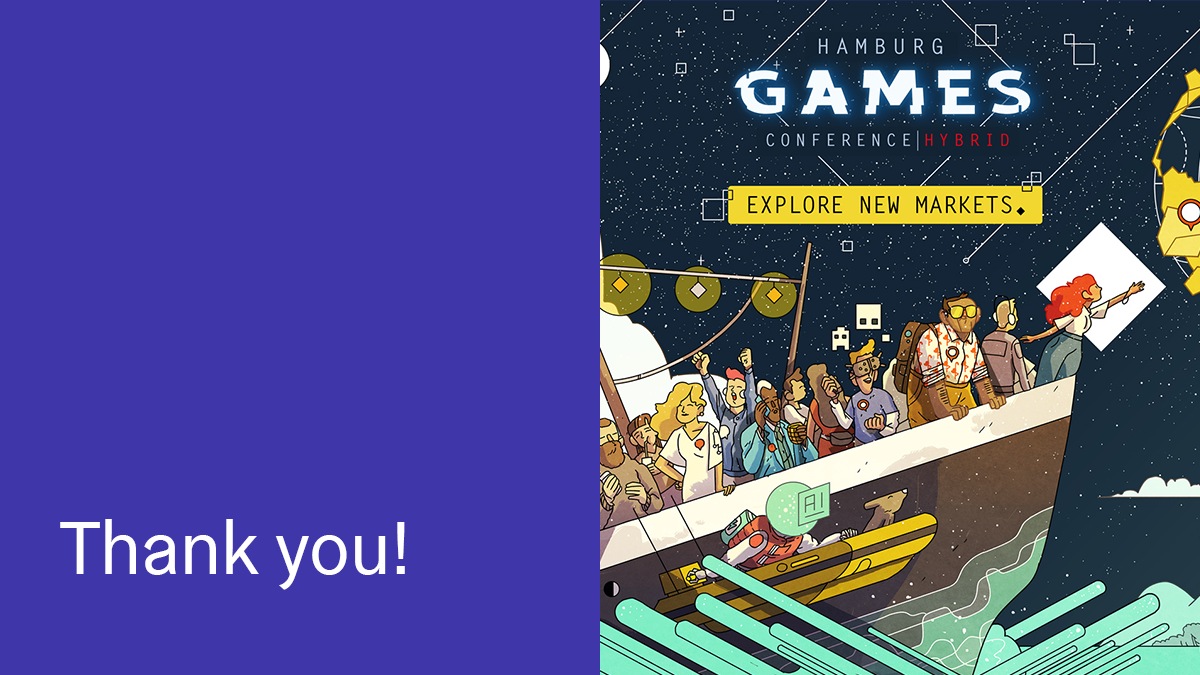
The Hamburg Games Conference 2022, held on March 2 and 3, served as a strategic platform to highlight Hamburg’s position as a premier international hub for the games industry. By utilizing a hybrid format that combined a digital cruise platform with an in-person event at the RCADIA gaming house, the conference aimed to facilitate networking and knowledge exchange under the theme of "Moving Markets."
The event attracted nearly 600 attendees representing 35 nations, fostering global connections within the sector. The program featured 18 presentations that provided insights into current industry trends and future outlooks, supported by 61 partners and exhibitors who engaged with participants both virtually and on-site. A significant focus was placed on showcasing local talent, with numerous graduates from the Games Lift incubator and Prototype Funding Program presenting their projects. These included titles such as Wild Woods, The Amusement, and Soultaire, alongside various VR and augmented reality experiences developed by Hamburg-based studios.
The conference successfully reinforced Hamburg's reputation as a key location for game development in Europe. By integrating virtual world exploration with physical testing opportunities, the event provided a comprehensive showcase for both established companies and emerging developers. The positive reception from participants and the successful execution of the hybrid model underscore the ongoing importance of the conference in driving international engagement and supporting the local games ecosystem.
- The Hamburg Games Conference 2022, held March 2–3, attracted nearly 600 attendees from 35 nations to promote the city as a premier international hub for game development.
- The event utilized a hybrid format, combining a digital cruise platform with in-person activities at the RCADIA gaming house to facilitate networking and industry knowledge exchange.
- The program featured 18 presentations and included participation from 61 partners and exhibitors.
- The conference showcased local talent from the Games Lift incubator and Prototype Funding Program, highlighting projects such as Wild Woods, The Amusement, and Soultaire.
- The event successfully integrated virtual world exploration with physical testing opportunities to support both established companies and emerging developers.
Gamecity Hamburg
Article
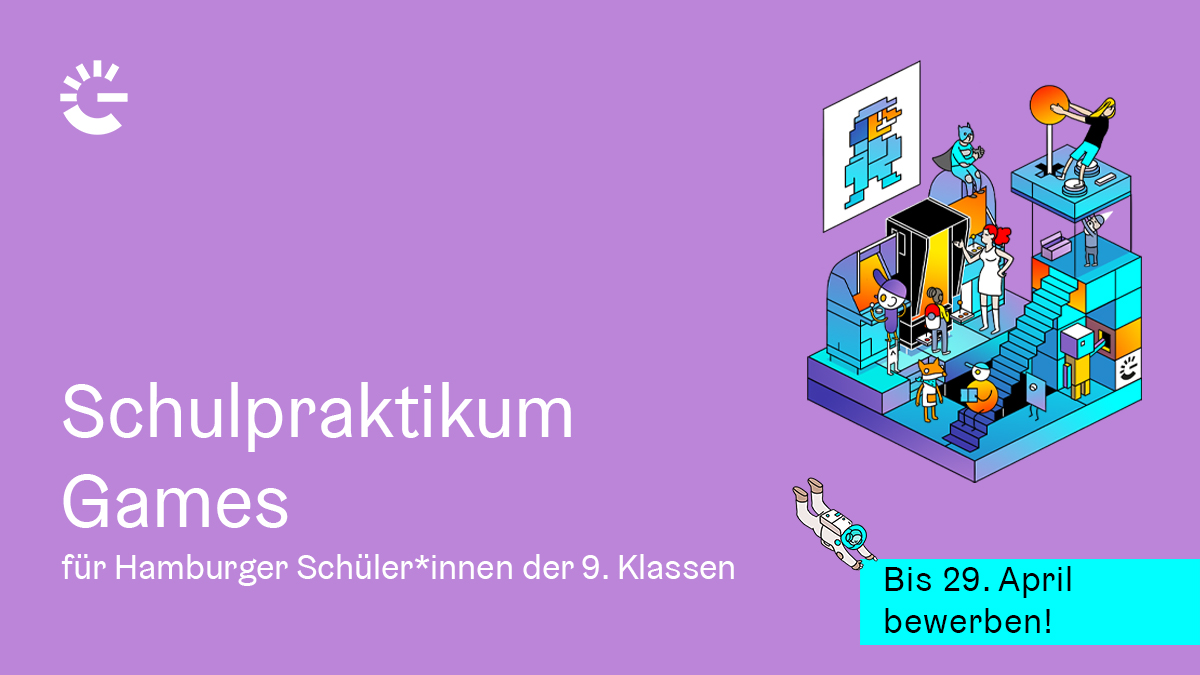
Hamburg's Games Industry Offers 3-Week School Internship
The games industry in Hamburg, Germany, has launched a specialized three-week internship program designed to introduce 9th-grade students to professional game development. Organized by the industry association game Hamburg in collaboration with local studios and educational institutions, the initiative aims to foster the next generation of developers by providing hands-on experience in areas such as programming, game design, and audio production.
The program, which took place from June 13 to July 1, 2022, accommodated 20 students through a hybrid model combining on-site workshops at the InnoGames studio with visits to other local game companies and the University of Applied Sciences Hamburg. Participants engaged in practical exercises and concluded the internship by presenting their own game-related projects. This effort serves as a formal, school-recognized internship, highlighting the region's commitment to integrating academic learning with industry practice.
Beyond this specific internship, the regional network continues to support educational outreach through the Gamecity@School program, which facilitates direct interaction between students and industry experts. These initiatives reflect a broader strategic effort by Hamburg’s games sector to build a sustainable talent pipeline, supported by a collaborative ecosystem of local studios, universities, and industry initiatives like the Initiative Creative Gaming.
- The industry association game Hamburg launched a three-week, school-recognized internship program for 9th-grade students to foster a local talent pipeline.
- The inaugural session, held from June 13 to July 1, 2022, provided 20 students with hands-on experience in programming, game design, and audio production.
- The program utilized a hybrid model featuring on-site workshops at InnoGames, visits to local game companies, and sessions at the University of Applied Sciences Hamburg.
- Participants concluded the internship by presenting their own original game-related projects to demonstrate practical skill acquisition.
- The initiative is part of a broader strategic effort in Hamburg to integrate academic learning with industry practice through collaborative ecosystems.
+1
Gamecity Hamburg
Article
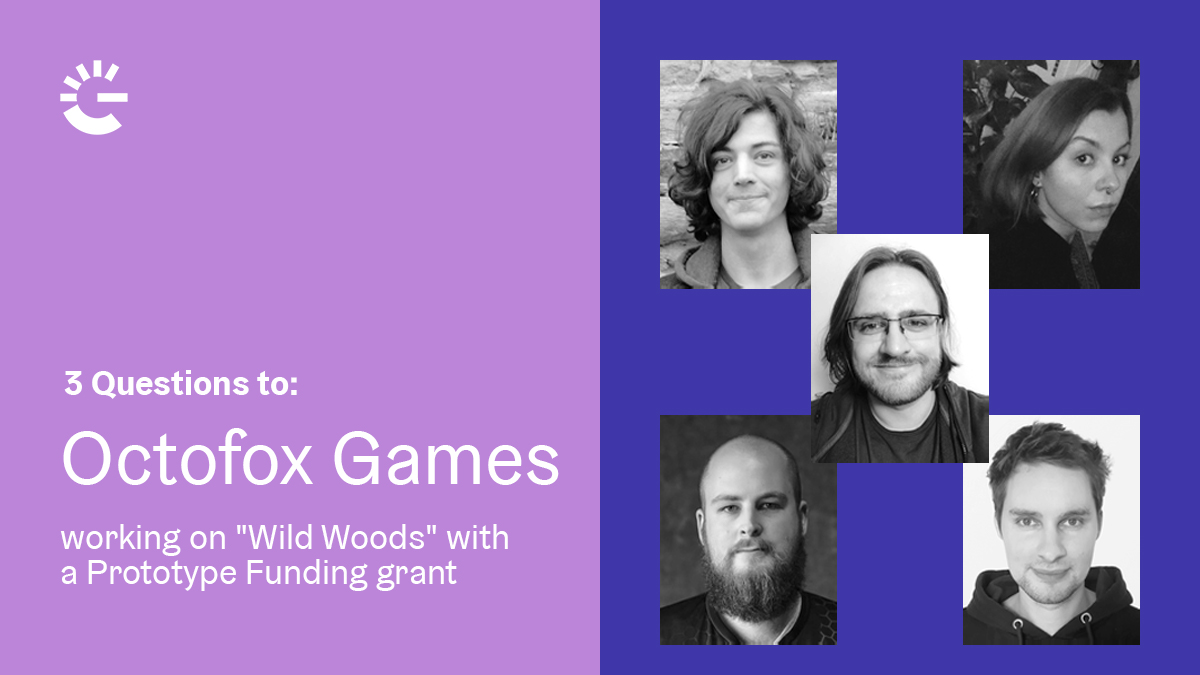
Three Questions to: Octofox Games
The Prototype Funding Program, managed by Gamecity Hamburg, serves as a critical support mechanism for early-stage game developers, students, and startups. The program provides financial grants to help teams refine their concepts and develop playable prototypes, thereby increasing their viability for future publishing deals or crowdfunding campaigns. The initiative focuses on fostering innovation within the Hamburg games industry by requiring applicants to demonstrate a clear, plausible, and well-articulated game vision.
Octofox Games, a team of five HAW Hamburg graduates, illustrates the program's impact through their development of the couch-coop title "Wild Woods." After receiving 80,000 euros in funding, the team utilized the capital to pivot their project, specifically integrating online functionality that was previously absent. This technical expansion significantly improved the game’s market potential, allowing the developers to spend a full year refining core features and mechanics that were essential for attracting industry interest.
The experience of successful participants highlights that the application process itself acts as a valuable developmental tool. By forcing teams to sharpen their focus and produce structured documentation, the program helps developers clarify their core creative vision. The primary takeaway for prospective applicants is that a polished, high-fidelity prototype is not strictly required; rather, the ability to explain a game concept in a vivid, understandable, and professional manner is the most critical factor for securing support. This case study underscores the program's role in bridging the gap between academic projects and professional market readiness.
- The Gamecity Hamburg Prototype Funding Program provides financial grants to early-stage developers to help refine game concepts and build playable prototypes for market readiness.
- Octofox Games, a team of five HAW Hamburg graduates, received 80,000 euros in funding to develop their couch-coop title, 'Wild Woods.'
- The funding allowed Octofox Games to pivot their project by integrating online functionality and dedicating a full year to refining core mechanics.
- The application process functions as a developmental tool that forces teams to sharpen their focus and produce structured documentation.
- Securing support depends less on having a high-fidelity prototype and more on the ability to articulate a clear, professional, and vivid game vision.
Gamecity Hamburg
Article
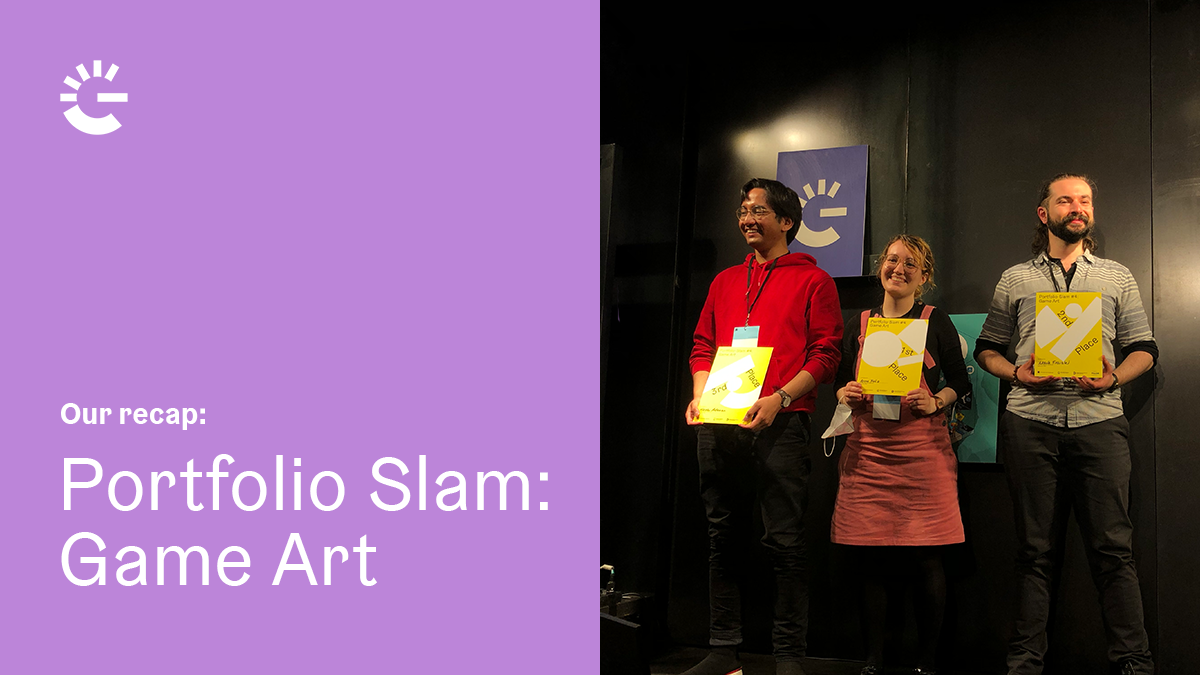
Recap: Portfolio Slam #4: Game Art
The Portfolio Slam #4: Game Art, held on March 29, 2022, in Hamburg, served as a professional development platform designed to bridge the gap between aspiring game artists and industry veterans. The event focused on the critical evaluation of professional portfolios, providing participants with actionable feedback to improve their career prospects within the games industry. By facilitating direct interaction between emerging talent and established experts, the initiative aimed to demystify the hiring process and clarify industry expectations for visual artists.
The event featured three emerging artists—Hasbi Adenan, Anna Folz, and Maik Fraisler—who presented their work to a jury of experienced professionals, including representatives from InnoGames, Bigpoint, and independent art direction. Each presenter received ten minutes of personalized critique, covering technical execution, presentation style, and content selection. A keynote address by Reiko Groß of InnoGames provided broader strategic advice on navigating the job market, emphasizing the importance of passion and targeted portfolio curation.
The audience played an active role in the proceedings, participating in a vote to rank the presentations, which resulted in Anna Folz placing first, followed by Maik Fraisler and Hasbi Adenan. Beyond the formal presentations, the event included networking opportunities and individual portfolio reviews for attendees, fostering a collaborative environment for the local Hamburg games community. The initiative was supported by key regional partners, including Design Zentrum Hamburg and PAGE Online, the latter of which committed to publishing the featured portfolios to provide further visibility for the participants.
- Portfolio Slam #4 held on March 29, 2022, in Hamburg, provided direct professional critique from industry experts at InnoGames, Bigpoint, and independent art direction to bridge the gap between emerging artists and hiring expectations.
- Three emerging artists—Anna Folz, Maik Fraisler, and Hasbi Adenan—received 10-minute personalized evaluations covering technical execution, presentation style, and content selection.
- Audience voting ranked Anna Folz first, followed by Maik Fraisler and Hasbi Adenan, based on their presented portfolio work.
- Keynote speaker Reiko Groß of InnoGames advised that successful job market navigation requires targeted portfolio curation and demonstrated passion.
- The event facilitated broader industry integration through networking sessions and individual portfolio reviews for the local Hamburg games community.
Gamecity Hamburg
Article
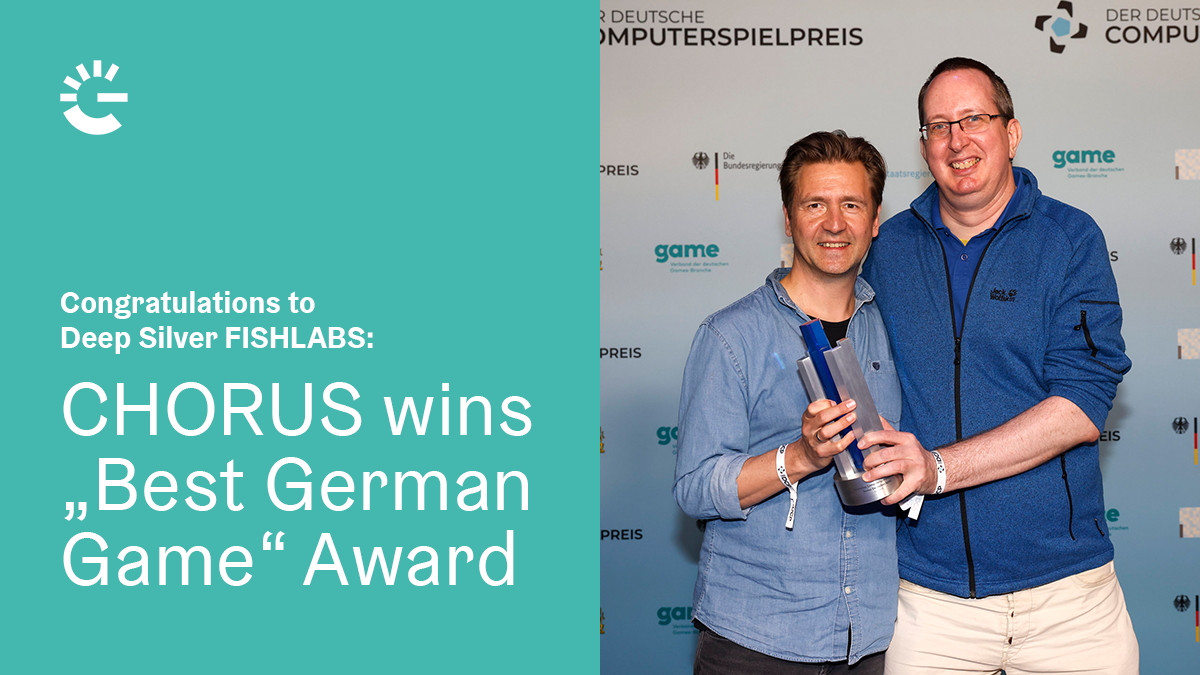
Deep Silver FISHLABS Win Best German Game Award
Deep Silver FISHLABS, a Hamburg-based game development studio, received the prestigious Best German Game award at the Deutscher Computerspielpreis for their title, CHORUS. This recognition highlights the studio's successful strategic transition from mobile game development to the production of high-end console and PC titles. CHORUS, a dark space-shooter released on December 3, 2021, serves as the studio's first original intellectual property in this new market segment.
The award, which includes a prize of 100,000 euros, validates the studio's shift in development focus and acknowledges the collective effort of its 89-person team. Leadership at the studio emphasized that the project required significant internal growth and perseverance to successfully pivot toward the console market. The win is particularly notable as it marks the studio's first major release following its strategic realignment.
Founded in 2004 and currently operating under the Koch Media group, Deep Silver FISHLABS continues to maintain a significant presence in the German games industry. The recognition underscores the ongoing development activity within the Hamburg region, which remains a hub for both established studios and emerging independent developers. The achievement serves as a benchmark for the studio's future development pipeline and its established role in the broader German gaming ecosystem.
- Deep Silver FISHLABS won the Best German Game award at the Deutscher Computerspielpreis for their space-shooter title, CHORUS.
- The award includes a 100,000 euro prize and validates the studio's strategic transition from mobile development to high-end console and PC titles.
- CHORUS, released on December 3, 2021, represents the studio's first original intellectual property developed for the console and PC market.
- The project was executed by an 89-person team and marks the studio's first major release following its corporate realignment.
- Founded in 2004 and currently part of the Koch Media group, the Hamburg-based studio remains a significant player in the German gaming ecosystem.
+2
Gamecity Hamburg
Article
Bring Your Pitch to the Next Level: Germany
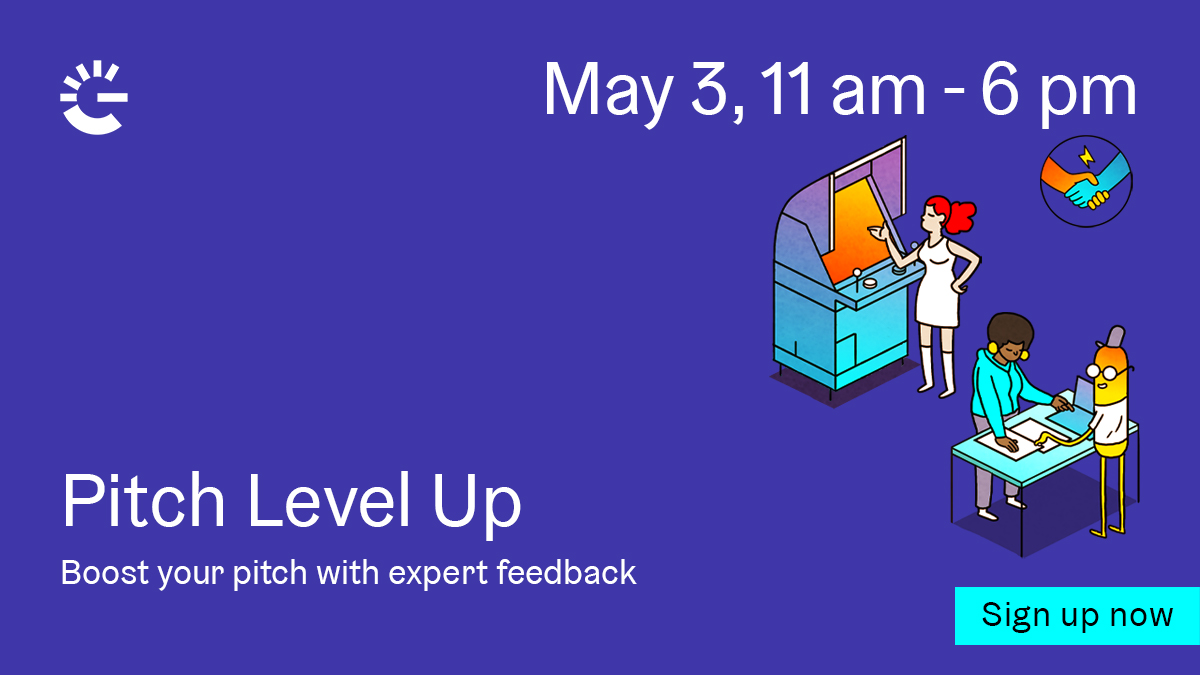
The Pitch Level Up initiative, organized by Gamecity Hamburg, serves as a professional development platform designed to enhance the pitching capabilities of game developers. The program addresses the critical need for effective communication when seeking publishers, public funding, or project support. By providing a structured environment for feedback, the initiative aims to bridge the gap between creative development and the business requirements of the gaming industry.
The core methodology involves a series of 30-minute, one-on-one sessions where participants present their pitch decks to industry experts. Each session allocates 10 minutes for the presentation followed by 20 minutes of constructive, individualized feedback. This format is intended to provide a safe space for developers to refine their messaging without jeopardizing future professional opportunities. Additionally, the event incorporates a supplementary talk program featuring five expert speakers who cover essential topics such as publisher relations, elevator pitch construction, contract negotiations, and communication best practices.
Geographically focused on the Hamburg games ecosystem, the initiative supports a diverse range of participants, including students, founders, and established developers. The program underscores the broader commitment of Gamecity Hamburg to professionalize the local industry through mentorship, networking, and direct access to experienced professionals. By facilitating these interactions, the initiative helps developers navigate the complexities of the market, ensuring they are better equipped to secure the resources necessary for successful game production and publication.
- The Pitch Level Up initiative by Gamecity Hamburg provides developers with structured one-on-one sessions to refine pitch decks for publishers and funding sources.
- Each session follows a 30-minute format consisting of a 10-minute pitch presentation followed by 20 minutes of individualized feedback from industry experts.
- The program includes a supplementary educational track featuring five expert speakers who address publisher relations, contract negotiations, and elevator pitch construction.
- The initiative serves a diverse participant base in the Hamburg games ecosystem, ranging from students and founders to established professional developers.
- The program aims to bridge the gap between creative game development and the specific business requirements necessary to secure project resources and publication.
+1
Gamecity Hamburg
Article
Road to Gamescom 2022: Germany
Gamecity Hamburg facilitates regional industry growth by offering support for Hamburg-based game developers to participate in the 2022 edition of Gamescom. The initiative provides up to six selected studios and independent developers with free physical and digital booth space at the Indie Arena Booth, a prominent shared exhibition area at the event. By subsidizing these exhibition costs, the program aims to increase the visibility of local talent on a major international stage.
The support package includes comprehensive benefits designed to streamline the exhibition process for participants. Selected studios receive physical booth space, exhibitor passes, assistance with USK age-rating clearance, and inclusion in the Indie Arena Booth’s promotional activities, such as social media features and official lineup listings. Additionally, participants gain access to a dedicated workshop day to prepare for the hybrid event, which combines on-site activities in Cologne with an extensive digital program.
Eligibility for the program is restricted to commercially oriented game companies or developers with a headquarters or branch office in Hamburg. Applicants must provide a playable version of their game to be considered for selection by a jury. The application process requires registration through the Indie Arena Booth platform, with specific labeling requirements to ensure entries are routed to the Gamecity Hamburg program. This initiative underscores a broader commitment to fostering the Hamburg games ecosystem by providing essential networking and marketing opportunities for local developers.
- Gamecity Hamburg is subsidizing exhibition costs for up to six Hamburg-based game studios and independent developers to attend Gamescom 2022.
- Selected participants receive free physical and digital booth space at the Indie Arena Booth, along with exhibitor passes and inclusion in official promotional activities.
- The support package includes administrative assistance with USK age-rating clearance and a dedicated workshop day to prepare for the hybrid event format.
- To be eligible, applicants must maintain a headquarters or branch office in Hamburg and submit a playable version of their game for jury evaluation.
- Applicants must register through the Indie Arena Booth platform and use specific labeling to ensure their entry is routed to the Gamecity Hamburg program.
+1
Gamecity Hamburg
Article
Hamburg-Based Applike Group Receives 100 Million Euros Investment
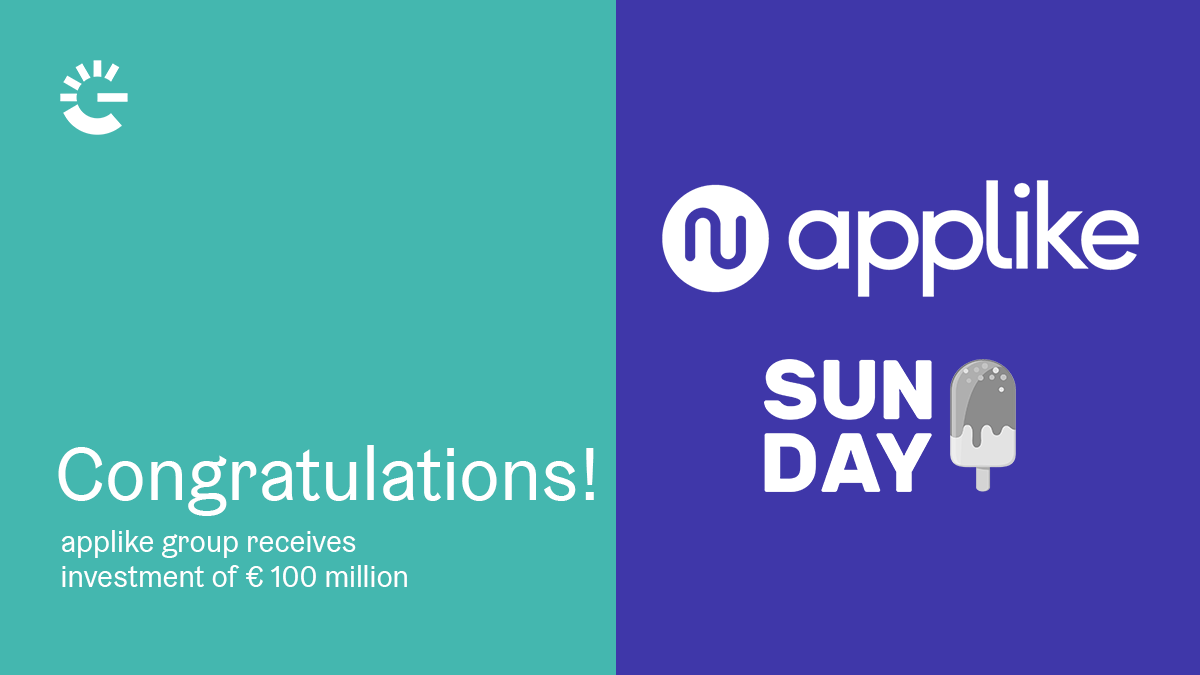
The Hamburg-based company builder applike group secured a 100 million euro investment from its existing shareholder, the global media conglomerate Bertelsmann. This capital injection reflects a significant valuation of 500 million euros for the organization, which specializes in the mobile application value chain. The funding is intended to facilitate the expansion of the group’s publishing and monetization ecosystem, supporting both the parent company and its various subsidiaries.
The applike group operates as a multifaceted entity within the mobile market, encompassing the in-app advertising solution adjoe, the app-discovery platform justDice, the automation service justtrack, and the hyper-casual game studio Sunday. The group currently maintains a workforce of over 120 employees and generates approximately 100 million euros in annual revenue. Its subsidiary, Sunday, has demonstrated notable market performance, including the success of the title Fall Break, which achieved top rankings in 10 countries.
This development underscores the continued growth of the mobile gaming and application sector in Hamburg. By leveraging the financial backing of Bertelsmann, the applike group aims to scale its operations and enhance its competitive position in the global mobile app market. The investment serves as a strategic move to bolster the infrastructure and reach of the company’s diverse portfolio of mobile-focused business models.
- Bertelsmann has invested 100 million euros into the Hamburg-based applike group, valuing the company at 500 million euros.
- The capital injection is earmarked for scaling the group’s mobile publishing and monetization ecosystem, which currently generates approximately 100 million euros in annual revenue.
- The applike group manages a diverse portfolio including the advertising solution adjoe, the discovery platform justDice, the automation service justtrack, and the hyper-casual studio Sunday.
- The group’s subsidiary, Sunday, has achieved significant market traction, notably with the game title Fall Break, which reached top rankings in 10 countries.
- The organization currently employs over 120 staff members and operates across the entire mobile application value chain.
+3
Gamecity Hamburg
Article
Three Questions to: Unechte Sachen
The interview with Lukas Hort of the studio Unechte Sachen highlights the challenges and strategic considerations faced by emerging game developers transitioning from university projects to professional studio operations. Based in Hamburg, the team focuses on the development of their virtual reality sandbox project, Puppet Play, which allows users to create cinematic content. The studio’s relocation to Hamburg was driven by the city’s robust game development ecosystem, networking opportunities, and the support provided by local initiatives like Gamecity Hamburg and the Hamburg Kreativ Gesellschaft.
The transition from academia to a professional environment presented significant hurdles, primarily regarding the administrative complexities of establishing a company and maintaining team motivation while working remotely. The lack of in-person industry events during the early development phase necessitated reliance on digital platforms for feedback and community engagement. Despite these obstacles, the team successfully utilized internal deadlines and online showcases, such as Steam Next Fest, to maintain project momentum.
Looking ahead, the studio’s primary objective is the continued refinement and finalization of Puppet Play, which is currently in Early Access. Beyond this, the team intends to formalize their corporate identity and eventually pivot toward the development of new titles. The experience underscores the importance of regional support networks for early-stage studios and the ongoing necessity for developers to balance creative vision with the practical realities of business management and industry integration.
- Hamburg-based studio Unechte Sachen is currently focused on the development and refinement of their VR sandbox project, Puppet Play, which is available in Early Access.
- The studio leveraged regional support from Gamecity Hamburg and the Hamburg Kreativ Gesellschaft to facilitate their transition from a university project to a professional operation.
- To maintain development momentum during remote work and the absence of in-person events, the team utilized internal deadlines and participated in digital showcases like Steam Next Fest.
- The primary operational challenges for the studio included navigating the administrative complexities of company formation and sustaining team motivation in a remote environment.
- Unechte Sachen plans to formalize their corporate identity and eventually expand their portfolio by developing new titles following the finalization of Puppet Play.
+1
Gamecity Hamburg