Gamecity Hamburg
Association402 documents
Documents
Article
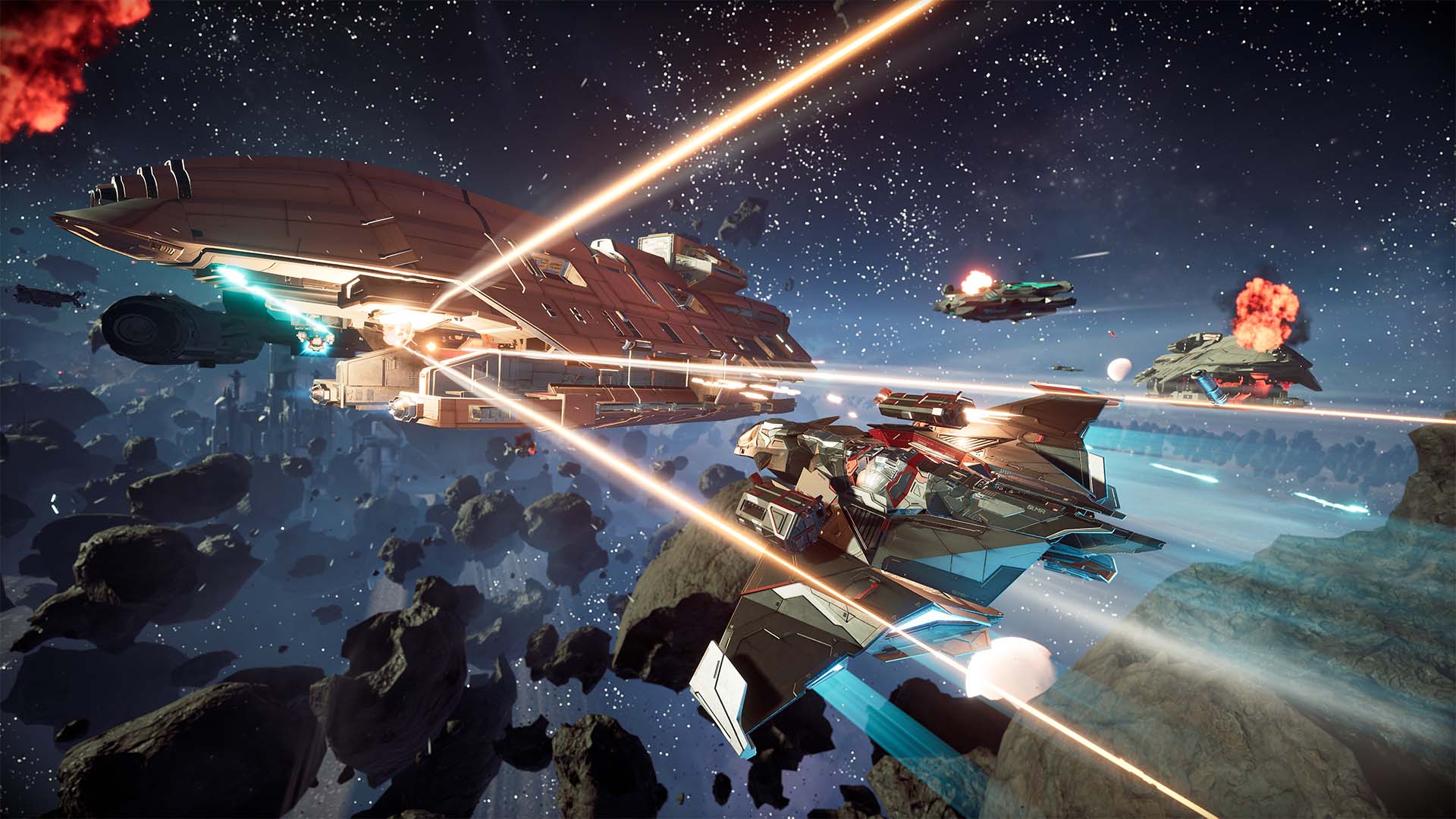
New Game from Hamburg: Deep Silver FISHLABS Release Chorus
The Hamburg-based development studio Deep Silver FISHLABS officially released its space-shooter title, Chorus, on December 3, 2021. The game, which features zero-gravity combat and narrative-driven exploration, launched simultaneously across a wide array of platforms, including PC, PlayStation 4 and 5, Xbox One, Xbox Series X/S, Stadia, Amazon Luna, Steam, Epic Games Store, and GeForce Now.
Deep Silver FISHLABS, a studio with over 15 years of experience in the industry, operates as part of the international Deep Silver and Koch Media group. The studio maintains a workforce of approximately 80 employees in Hamburg, positioning itself as a prominent developer within the city’s diverse gaming ecosystem, which also includes notable entities such as Daedalic Entertainment and Rockfish Games.
The release of Chorus represents a significant milestone for the studio, reflecting a collaborative development process and a strategic commitment to establishing the company as a consistent producer of AAA-quality gaming experiences. By leveraging a broad multi-platform distribution strategy, the studio aims to expand its market reach and continue its growth as a key player in the German and international games industry.
- Deep Silver FISHLABS released the space-shooter title Chorus on December 3, 2021.
- The game launched simultaneously across a wide range of platforms, including PC, PlayStation 4 and 5, Xbox One, Xbox Series X/S, Stadia, Amazon Luna, Steam, Epic Games Store, and GeForce Now.
- Deep Silver FISHLABS is a Hamburg-based studio with over 15 years of industry experience and a workforce of approximately 80 employees.
- The studio operates as part of the international Deep Silver and Koch Media group.
- The release of Chorus serves as a strategic effort to establish the studio as a consistent producer of AAA-quality gaming experiences.
+2
Gamecity Hamburg
Article
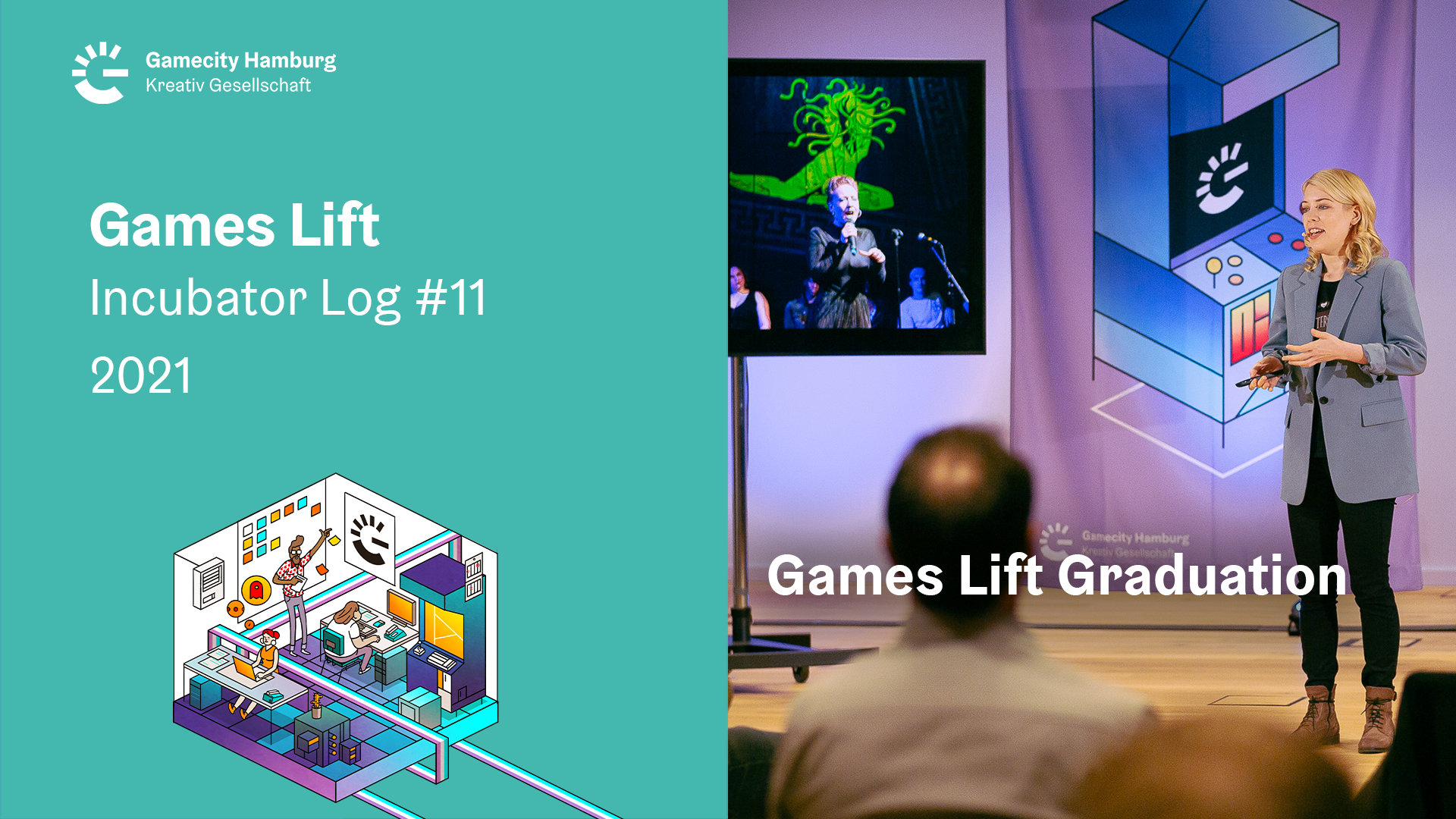
Games Lift 2021: Graduated
The Games Lift 2021 graduation event marked the conclusion of a three-month incubator program hosted by Gamecity Hamburg. The primary purpose of the initiative is to support emerging game development talent through a structured curriculum of workshops, professional mentoring, and pitch training. The 2021 cohort consisted of five distinct teams, each presenting their progress and project development to an industry audience.
The program required participants to complete 13 specialized workshops and two formal pitch sessions to reach the graduation milestone. The featured projects showcased a diverse range of genres and technical approaches, including a looter shooter titled The Invitation, a 2D sci-fi narrative adventure called PROSPECTOR, an interactive VR rock musical titled Monstersongs VR, a minimalist puzzle racer known as supernightshift, and a hand-drawn adventure titled The Treepoids and the Island of Prof. Flora. These presentations highlighted the teams' advancements in game design, character development, and technical implementation, with several projects utilizing live demos to illustrate their core mechanics.
The incubator serves as a regional hub for the Hamburg games industry, focusing on professionalizing independent developers and preparing them for market entry. By providing a platform for feedback from industry mentors and peers, the program aims to refine project viability and business strategies. The graduation event served as a final showcase for these efforts, emphasizing the importance of community engagement and iterative development in the independent gaming sector. Future iterations of the incubator continue to follow this model of intensive, short-term support to foster innovation within the local and broader gaming landscape.
- Gamecity Hamburg concluded its 2021 Games Lift incubator, a three-month program designed to professionalize independent developers and prepare them for market entry.
- The 2021 cohort consisted of five teams that completed a curriculum of 13 specialized workshops and two formal pitch sessions.
- The program showcased five distinct projects: the looter shooter 'The Invitation', the 2D sci-fi narrative 'PROSPECTOR', the VR musical 'Monstersongs VR', the puzzle racer 'supernightshift', and the hand-drawn adventure 'The Treepoids and the Island of Prof. Flora'.
- The incubator focuses on refining project viability and business strategies through structured professional mentoring and feedback from industry peers.
- Future iterations of the Games Lift program will maintain the current model of intensive, short-term support to foster innovation within the regional gaming landscape.
Gamecity Hamburg
Article
Hamburg Games Conference 2022: Speaker Announcement
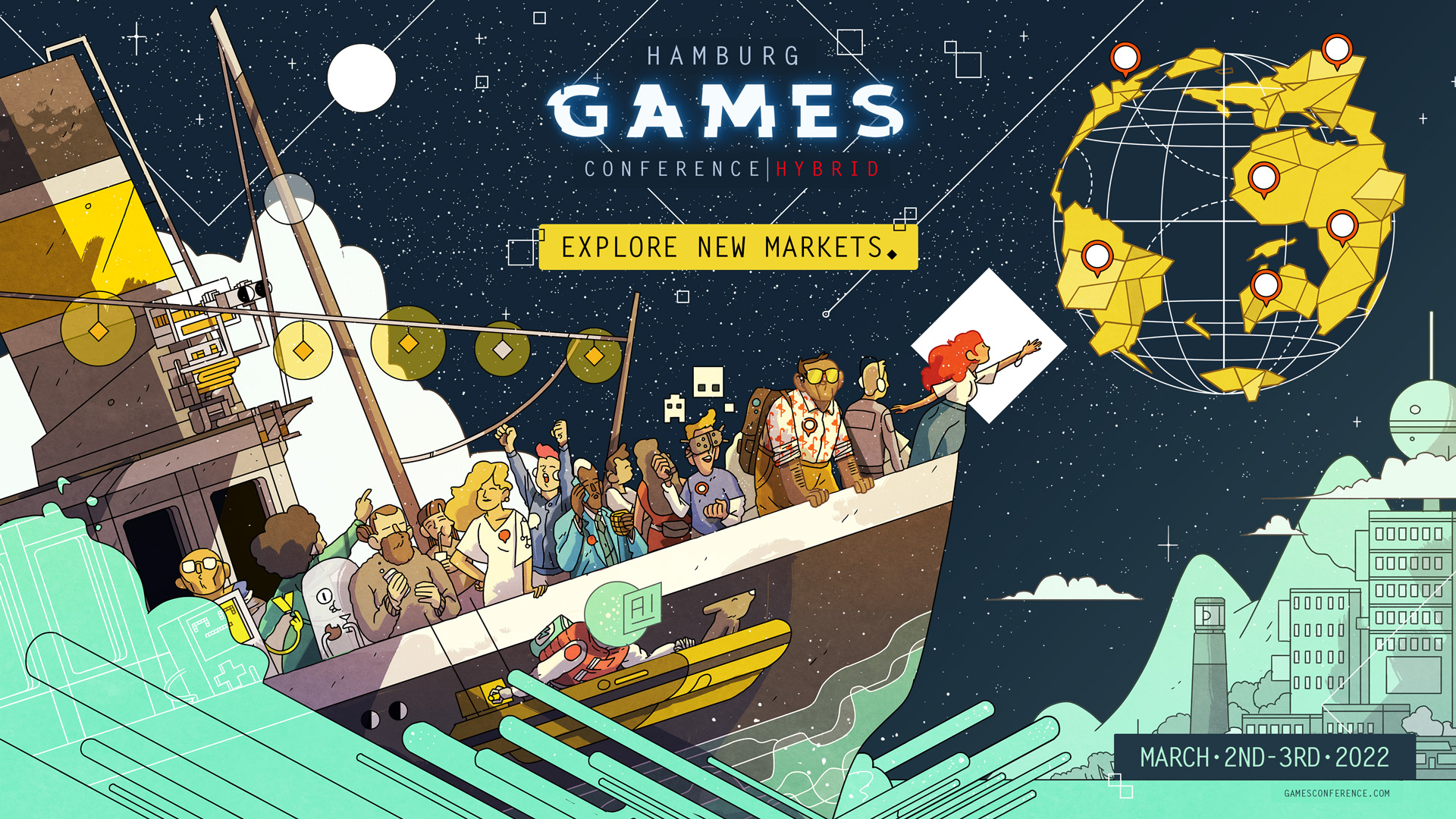
The Hamburg Games Conference 2022, scheduled for March 2 and 3, 2022, serves as a professional forum focused on the theme "Moving Markets." The event aims to address the evolving challenges and opportunities within the international games industry by facilitating dialogue between experts from academia, the private sector, and public funding institutions. The conference is designed as a hybrid experience, allowing participants to attend either on-site at the Zeise cinemas in Hamburg or virtually through a custom-developed, playable browser platform.
The program features a diverse lineup of industry leaders, including representatives from New York University, tinyBuild Games, Twisted Ramble, 11 bit studios, IllFonic, and Kreativ Transfer. A dedicated conference track focuses on games funding, providing insights into German federal government initiatives and regional support programs, such as the Games Lift Incubator and prototype funding in Hamburg. The virtual component of the event utilizes an interactive, cruise-ship-themed interface that allows attendees to explore international games markets and engage in networking and matchmaking.
By integrating both physical and digital participation, the conference seeks to bridge local development ecosystems with global industry trends. The initiative highlights the importance of public-private cooperation in fostering growth, offering a platform for developers to gain knowledge on funding best practices while connecting with international peers. Early bird registration was made available to incentivize attendance ahead of the event, reinforcing the conference's role as a key hub for industry networking and professional development within the European games sector.
- The Hamburg Games Conference 2022 is scheduled for March 2–3, 2022, focusing on the theme 'Moving Markets' to address international industry challenges.
- The event features a hybrid format, combining on-site attendance at Zeise cinemas in Hamburg with a custom, playable, cruise-ship-themed browser platform for virtual participants.
- The program includes industry leaders from organizations such as New York University, tinyBuild Games, Twisted Ramble, 11 bit studios, IllFonic, and Kreativ Transfer.
- A dedicated conference track provides specific insights into German federal government initiatives and regional support programs, including the Games Lift Incubator and Hamburg prototype funding.
- The conference facilitates professional networking and matchmaking by connecting local development ecosystems with global industry trends through public-private cooperation.
Gamecity Hamburg
Article
The Rise of #cozygames on TikTok
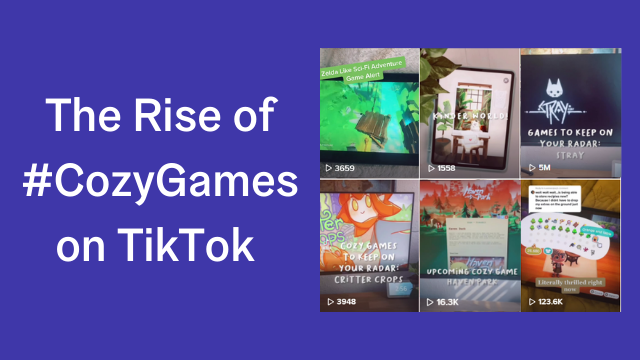
The #cozygames hashtag on TikTok has emerged as a significant trend for indie game discovery, characterized by a distinct aesthetic that emphasizes relaxation and comfort. These videos typically feature gameplay footage from PCs or consoles, enhanced by warm filters, ambient lighting, and lo-fi audio. The content is primarily produced by young, female creators who provide concise, atmospheric reviews or previews of titles that align with this specific mood.
The growth of this trend is evidenced by a substantial increase in engagement, with the hashtag’s total views rising from 18.3 million in June 2021 to 83.2 million by November 2021. Popular creators within this niche, such as @laelindria, have demonstrated the ability to generate millions of views for individual titles, including unreleased games. Because TikTok’s algorithm prioritizes content discovery via the For You Page rather than traditional subscription models, creators frequently post multiple videos daily to maintain visibility, often highlighting smaller or upcoming indie projects that fit the cozy aesthetic.
This trend presents a strategic opportunity for indie developers to build pre-release buzz with minimal production overhead. The accessibility of the platform allows for organic discovery and potential viral reach, making it an effective marketing channel for studios. Local examples from Hamburg-based developers, such as the inclusion of titles like XEL and Haven Park in the #cozygames ecosystem, illustrate the tangible benefits of this trend for independent studios seeking to reach a global audience through niche-focused community engagement.
- The #cozygames hashtag on TikTok experienced rapid growth, with total views surging from 18.3 million in June 2021 to 83.2 million by November 2021.
- TikTok’s algorithm prioritizes discovery via the For You Page, enabling creators to generate millions of views for individual indie titles, including unreleased games.
- Indie developers can leverage the #cozygames trend as a low-overhead marketing channel to build pre-release buzz through organic, atmospheric content.
- Successful content in this niche relies on a specific aesthetic featuring warm filters, ambient lighting, and lo-fi audio to appeal to a demographic of young, female creators and viewers.
- To maintain visibility within the algorithm, creators frequently post multiple videos daily, focusing on atmospheric previews and reviews of smaller projects.
+2
Gamecity Hamburg
Article
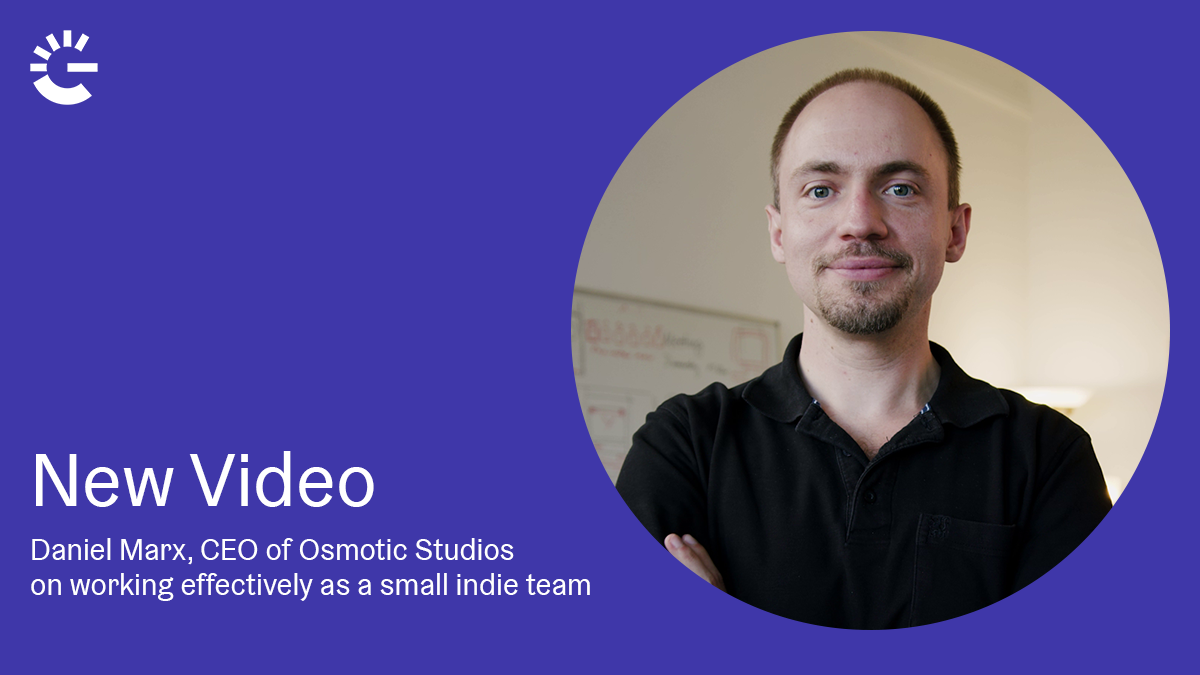
Indie Dev Insights #3: How to Build a Successful Small Indie Team
The Indie Dev Insights series, produced by Gamecity Hamburg, provides strategic guidance for small independent game studios navigating the complexities of team organization and operational management. The third installment features Daniel Marx, CEO of the Hamburg-based Osmotic Studios, who shares practical experiences regarding the evolution of small teams from their inception to the development of multiple titles. The core thesis emphasizes that while small teams often begin as informal groups of friends or colleagues, they must adapt to the diverse, multifaceted responsibilities required throughout the game development lifecycle.
The discussion highlights that the necessity for team members to assume varied and shifting roles is a significant challenge for young studios. However, the analysis suggests that this structural flexibility can be leveraged as a strategic advantage, allowing small teams to remain agile and responsive during production. By focusing on organizational health and role versatility, studios can better manage the transition from initial concept to a sustainable, multi-project development environment.
This initiative serves as part of a broader educational effort by Gamecity Hamburg to support the local games industry. The series addresses non-developmental business pillars, including marketing, funding, and publishing, to provide a holistic view of studio operations. By documenting the experiences of established local developers, the series aims to foster a robust ecosystem for indie studios, particularly within the Hamburg region, by providing actionable insights into the professionalization of small-scale game development teams.
- Small indie studios must evolve from informal groups into structured organizations to successfully transition from single-title development to multi-project environments.
- Leveraging role versatility among team members allows small studios to maintain operational agility and responsiveness throughout the game development lifecycle.
- Daniel Marx, CEO of Hamburg-based Osmotic Studios, identifies the shift toward multifaceted responsibilities as a primary challenge for young development teams.
- Studio sustainability depends on prioritizing organizational health alongside core development tasks to manage the complexities of scaling.
- Professionalizing a small studio requires addressing non-developmental business pillars, specifically marketing, funding, and publishing strategies.
Gamecity Hamburg
Article
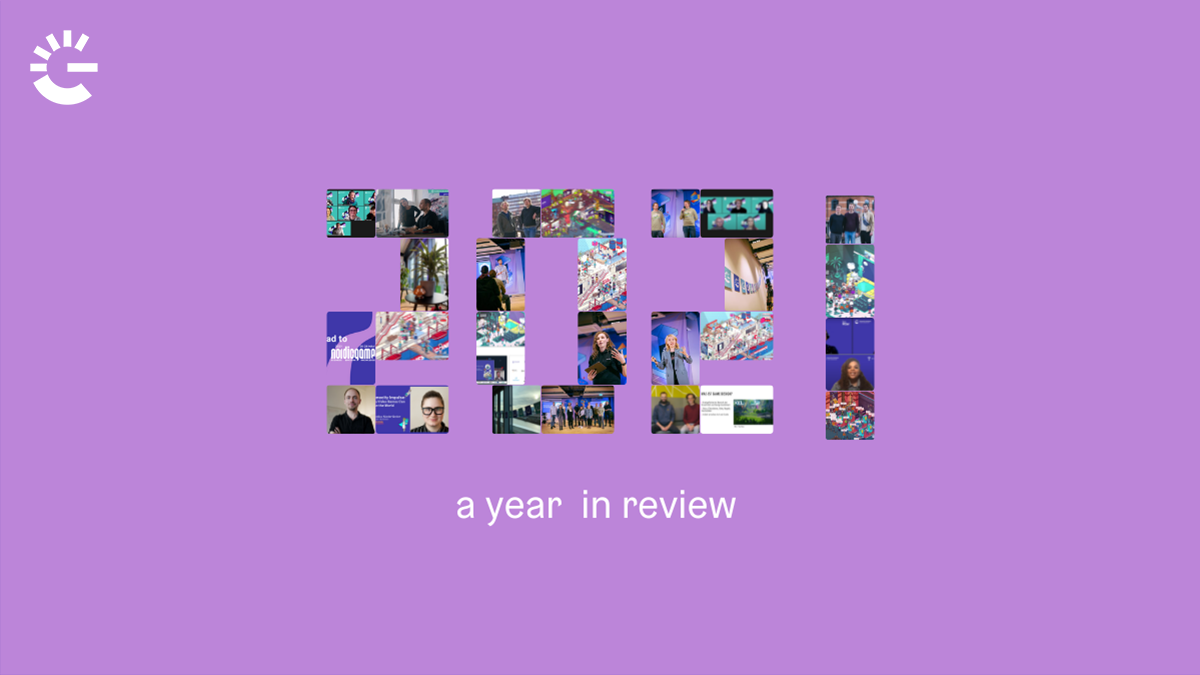
Gamecity Hamburg: Our Year 2021
Gamecity Hamburg’s 2021 review highlights the organization’s strategic pivot toward digital infrastructure and expanded support programs to sustain the local games industry during the ongoing pandemic. The primary objective was to maintain community connectivity and professional development through virtual platforms, ensuring that Hamburg-based studios and emerging talent remained competitive despite the absence of traditional in-person events.
Key initiatives included the launch of the Gamecity Online Hub, an interactive browser-based environment that hosted over 40 companies and educational institutions, facilitating virtual networking and event hosting. The organization also introduced the Indie Dev Insights video series to share practical industry knowledge and launched two new educational programs, the digital internship and Gamecity@School, to bridge the gap for students entering the workforce. Furthermore, the organization successfully executed two rounds of Prototype Funding, distributing 411,000 euros across nine distinct game projects, and concluded the annual Games Lift Incubator with a live-streamed graduation event.
The scope of these activities focused exclusively on the Hamburg games ecosystem, covering a wide range of industry segments including indie development, educational outreach, and professional networking. By leveraging digital formats such as the Gamecity Impulse series—which addressed critical topics like diversity and inclusion—and continuing established programs like the Game Starter event series, the organization successfully increased international engagement and participant numbers. These efforts reflect a broader commitment to fostering a resilient, inclusive, and collaborative games industry in Hamburg, setting a foundation for hybrid event models and continued professional support in 2022.
- Gamecity Hamburg distributed 411,000 euros in Prototype Funding across nine distinct game projects during 2021.
- The organization launched the Gamecity Online Hub, a browser-based platform that hosted over 40 companies and educational institutions to facilitate virtual networking.
- Educational outreach was expanded through the introduction of two new programs: the digital internship initiative and Gamecity@School, designed to prepare students for the workforce.
- The annual Games Lift Incubator concluded with a live-streamed graduation event, marking the completion of the year's primary accelerator program.
- Professional development and industry knowledge sharing were supported through the new Indie Dev Insights video series and the Gamecity Impulse series, which focused on topics including diversity and inclusion.
Gamecity Hamburg
Article
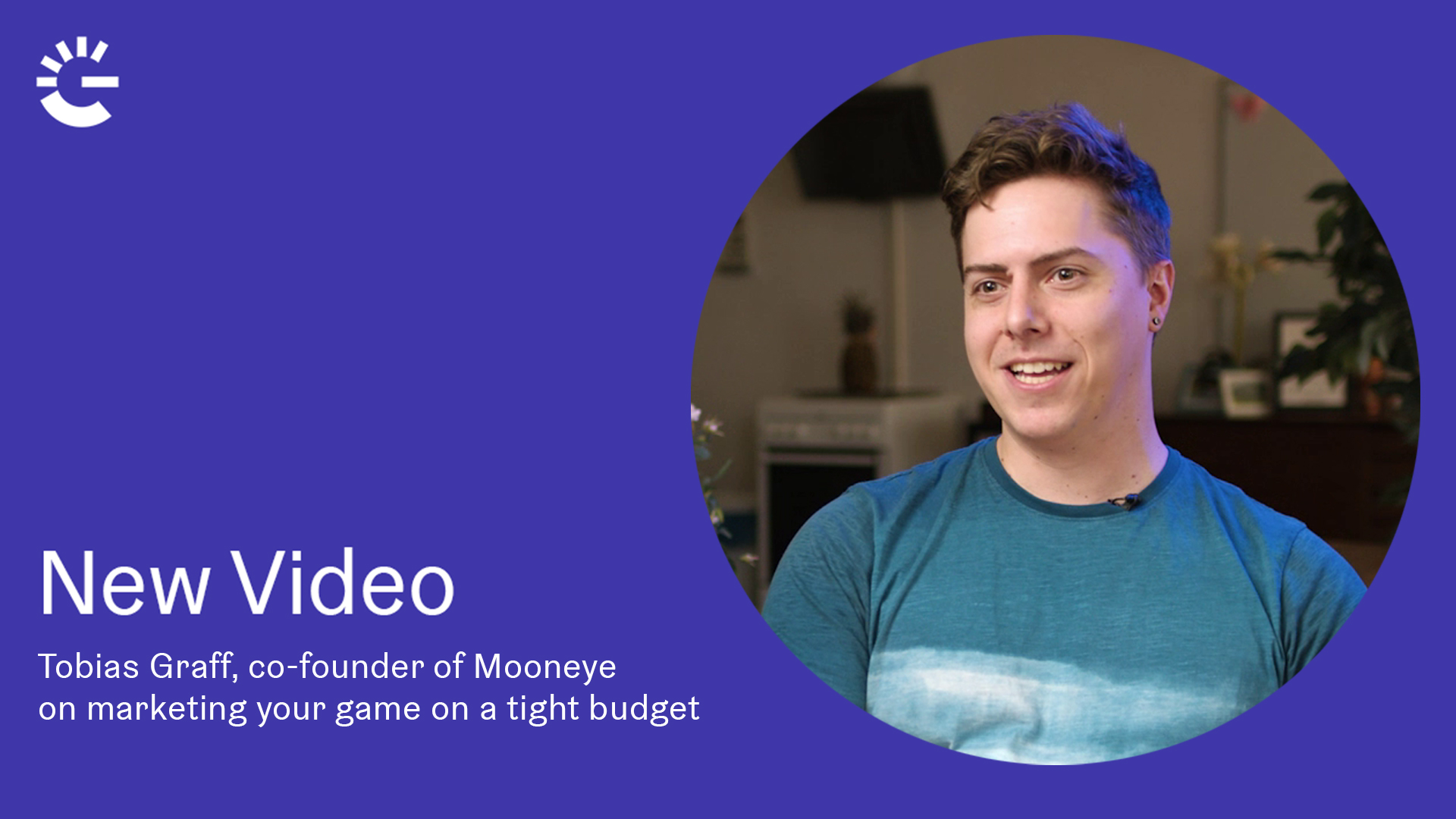
Indie Dev Insights #4: Indie Game Marketing - Tips for Small Budgets
The Indie Dev Insights series, produced by Gamecity Hamburg, serves as a resource for independent game developers seeking practical guidance on non-development business operations. The fourth installment focuses on the challenges of marketing indie titles with limited financial resources. By featuring insights from Tobias Graff, CEO of the Hamburg-based studio mooneye, the content addresses the necessity of finding cost-effective promotional strategies that bypass expensive traditional advertising channels like television or large-scale billboard campaigns.
The core thesis emphasizes that small teams can achieve successful market visibility by leveraging strategic planning and learning from past operational mistakes. Drawing on the experience of marketing the award-winning title Lost Ember, the discussion highlights that effective promotion for indie studios often relies on organic reach and targeted engagement rather than high-budget media buys. The analysis serves as a case study for navigating the transition from development to market entry while maintaining fiscal discipline.
This initiative is part of a broader educational series covering various facets of the game industry, including publishing, team building, and studio management. The scope is primarily focused on the Hamburg indie development ecosystem, providing localized expertise that is applicable to the global independent gaming sector. By documenting these professional experiences, the series aims to equip small-scale developers with the knowledge required to navigate the competitive landscape of game publishing and promotion.
- Small indie studios can achieve market visibility by prioritizing organic reach and targeted engagement over expensive traditional media buys like television or billboards.
- Strategic planning and learning from past operational mistakes are essential for maintaining fiscal discipline during the transition from game development to market entry.
- The marketing strategy for the award-winning title Lost Ember serves as a primary case study for successful, low-budget promotional execution.
- Tobias Graff, CEO of the Hamburg-based studio mooneye, provides the core expertise for navigating cost-effective promotional strategies.
- Gamecity Hamburg produces the Indie Dev Insights series to provide localized expertise that is applicable to the broader global independent gaming sector.
+1
Gamecity Hamburg
Article
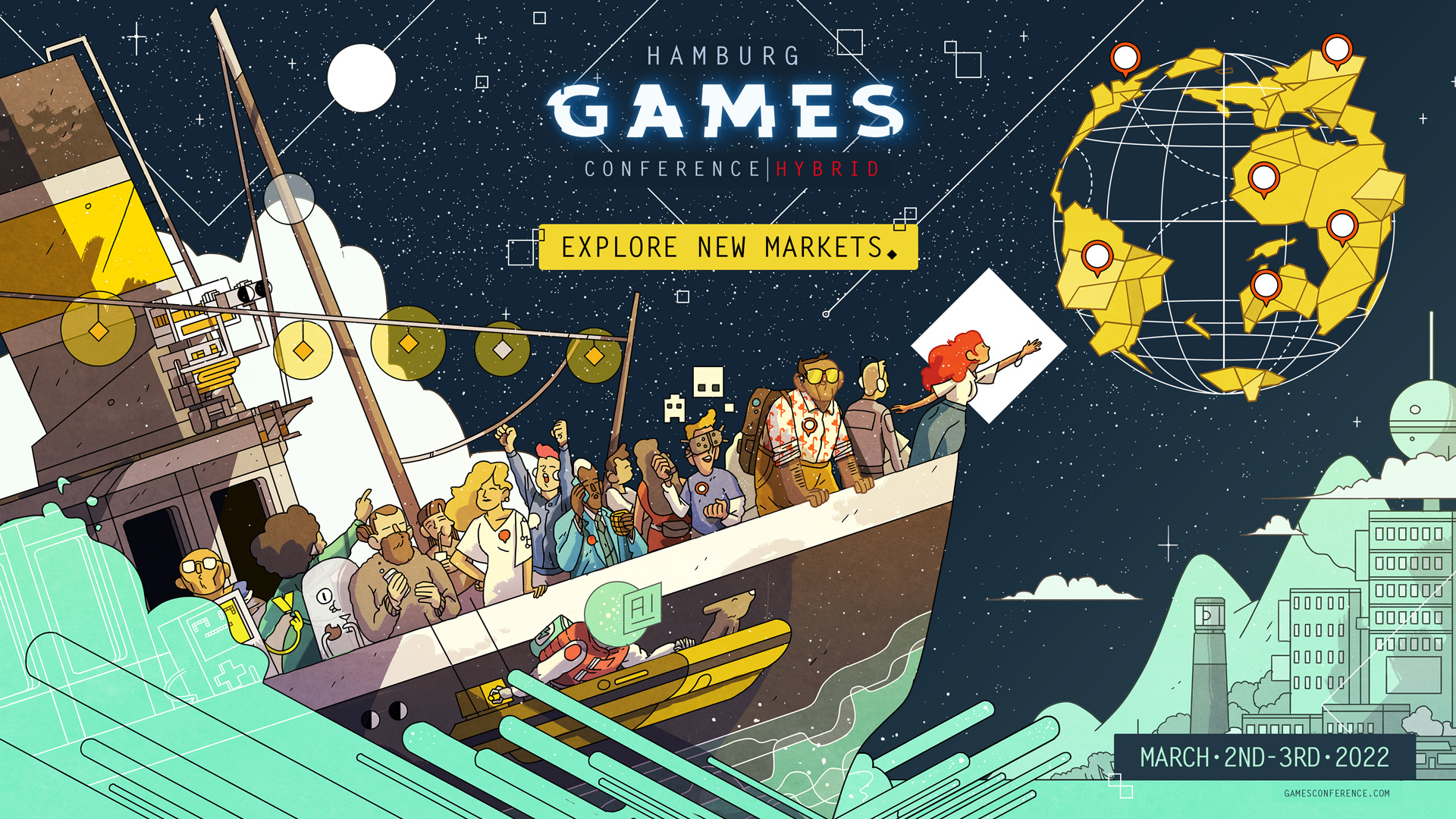
Hamburg Games Conference 2022: Hybrid Approach and New Physical Location
The Hamburg Games Conference 2022, held on March 2 and 3, adopted a hybrid format to address the evolving needs of the international games industry. The event focused on the theme of "Moving Markets," featuring insights from global experts across academia, the games sector, and public funding institutions. By combining a digital platform with a physical presence, the conference aimed to facilitate both broad accessibility and targeted professional engagement.
The physical component of the event took place at RCADIA in Hamburg-Bergedorf, a venue selected to accommodate local health regulations. Attendance for the on-site portion was capped at 200 business guests to ensure compliance with 2G-Plus guidelines. This segment prioritized high-value interactions, including networking, matchmaking, and roundtable discussions. To support these activities, organizers utilized a digital matchmaking system, MeetToMatch, which allowed participants to coordinate meetings across both physical and virtual environments.
The digital infrastructure played a central role in the conference’s reach, building on the success of the previous year’s event, which attracted over 600 global visitors. The online platform provided a virtual themed world for exhibitors and enabled live-streamed access to all presentations and Q&A sessions. By offering both business and basic ticket tiers, the conference ensured that industry professionals could engage with the program content regardless of their ability to attend in person, maintaining a cohesive experience for a diverse, international audience.
- The Hamburg Games Conference 2022, held March 2–3, utilized a hybrid format to combine digital accessibility with targeted, high-value professional networking.
- The physical event was hosted at RCADIA in Hamburg-Bergedorf, with on-site attendance strictly capped at 200 business guests to comply with 2G-Plus health regulations.
- Organizers integrated the MeetToMatch digital platform to facilitate coordinated meetings and matchmaking between both physical and virtual participants.
- The conference built upon the previous year's digital success, which had previously attracted over 600 global visitors.
- The digital infrastructure featured a virtual themed world for exhibitors and provided live-streamed access to all presentations and Q&A sessions.
Gamecity Hamburg
Article
What Makes a Good Game Art Portfolio: Portfolio Slam
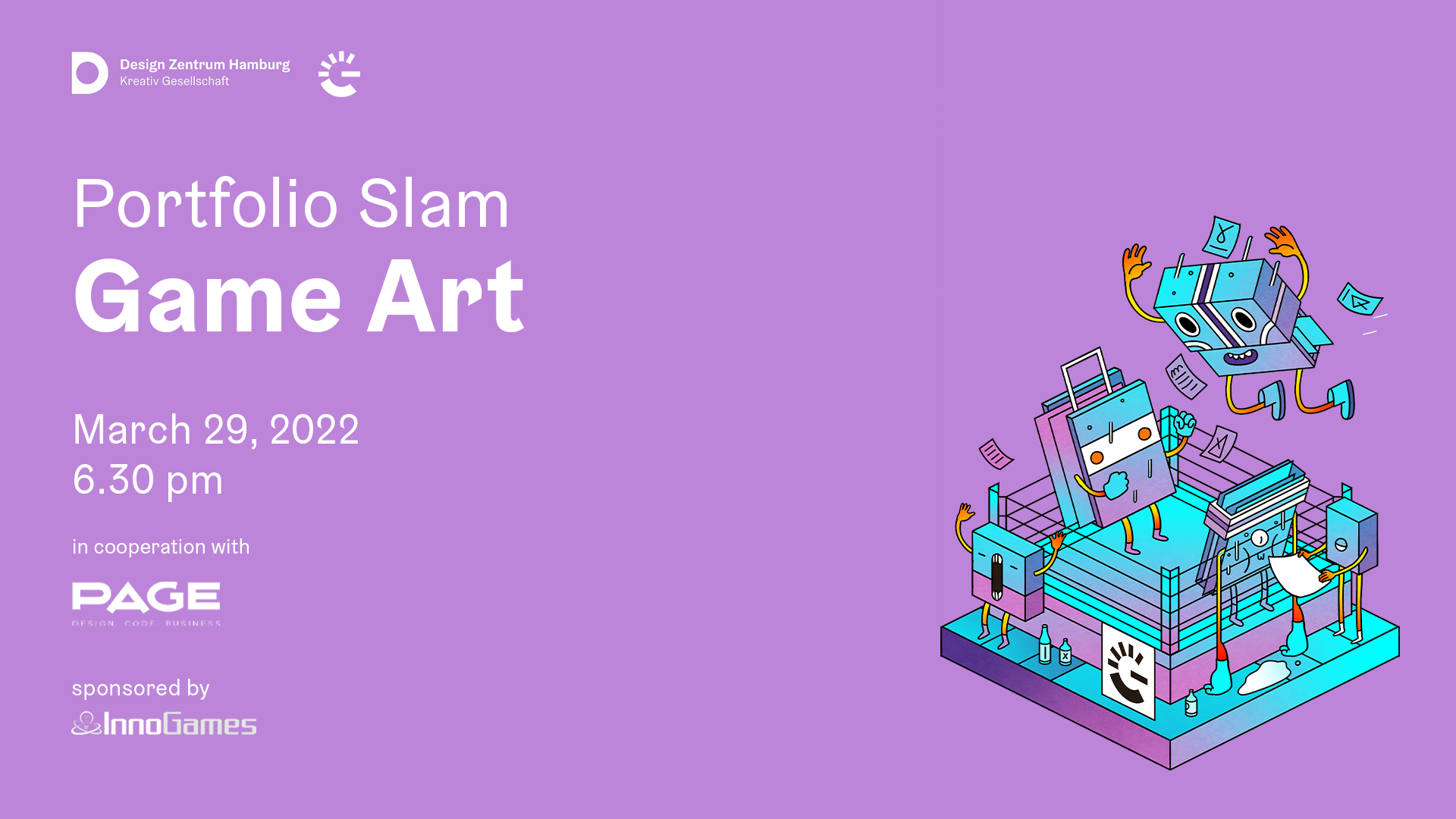
The Portfolio Slam, organized by Gamecity Hamburg and Design Zentrum Hamburg, serves as an educational initiative designed to demystify the standards for professional game art portfolios. The primary thesis is that transparency in the review process is essential for aspiring artists, as traditional hiring practices often lack constructive feedback. By providing a public forum where candidates receive direct, expert critiques, the event aims to bridge the gap between academic preparation and industry expectations for both freelance and full-time roles.
The event features a live, competitive format where three selected game artists present their work to a jury of industry professionals, including representatives from Bigpoint, YAGER, and InnoGames. This structure allows the audience to observe the specific criteria experts prioritize when evaluating artistic talent. Beyond the live stage, the program incorporates individual portfolio reviews and networking opportunities, facilitating direct engagement between emerging talent and established studios within the Hamburg games industry.
This initiative focuses on the professional development of game artists within the German market, specifically targeting those seeking to enter or advance within the games industry. By offering a platform for real-time, actionable feedback, the event addresses a common pain point for applicants who typically receive little to no guidance after submitting their materials. The inclusion of industry-sponsored mentorship and networking sessions underscores a commitment to fostering local talent and improving the overall quality of professional portfolios in the region.
- The Portfolio Slam initiative bridges the gap between academic preparation and industry standards by providing direct, public critiques of game art portfolios.
- The event features a live, competitive format where selected artists receive expert feedback from representatives of major studios including Bigpoint, YAGER, and InnoGames.
- The program addresses the industry-wide lack of constructive feedback for applicants by offering actionable, real-time evaluations of professional materials.
- Beyond the stage, the initiative facilitates direct networking and individual portfolio reviews to help artists secure freelance or full-time roles.
- Organized by Gamecity Hamburg and Design Zentrum Hamburg, the event focuses on fostering local talent and elevating the quality of professional portfolios within the German games market.
Gamecity Hamburg
Article
Welcome to Games Germany Steam Sale
The Games Germany Steam Sale serves as a promotional initiative designed to showcase the diversity and quality of video games developed by German studios. Organized by Games Germany, an association of regional funding organizations and network institutions, the event leverages the global reach of the Steam platform to provide visibility for nearly 200 titles. The sale highlights a broad spectrum of the German industry, ranging from small-scale independent projects to major award-winning blockbusters and upcoming titles currently in Early Access.
The event features a curated selection of games that demonstrate the creative breadth of the German market. Notable participants include recognized titles such as Battle Brothers, Chorus, and the Orwell series, alongside highly anticipated projects like The Lord of the Rings: Gollum and Everspace 2. By offering these games at discounted prices, the initiative aims to connect developers with a global audience of over 47 million active Steam users, fostering greater recognition for German-made software.
Geographically focused on the German games industry, the initiative emphasizes the contributions of regional hubs, with specific attention given to studios based in Hamburg. The campaign highlights the collaborative nature of the German ecosystem, where funding bodies and developers work in tandem to elevate the profile of local talent. By providing a dedicated platform for both established hits and prospective releases, the sale functions as a strategic marketing tool to strengthen the international standing of German game development.
- The Games Germany Steam Sale features nearly 200 titles developed by German studios to increase their international market visibility.
- The initiative leverages the Steam platform to connect regional developers with a global audience of over 47 million active users.
- The curated selection includes a mix of independent projects, award-winning blockbusters, and Early Access titles, such as Battle Brothers, Chorus, the Orwell series, The Lord of the Rings: Gollum, and Everspace 2.
- Organized by the association Games Germany, the event serves as a strategic marketing tool to promote the collaborative ecosystem between regional funding bodies and local developers.
- The campaign specifically highlights the contributions of regional industry hubs, with a particular focus on studios based in Hamburg.
+2
Gamecity Hamburg
Article
Nacon Buys Hamburg-based Developer and Publisher Daedalic
On February 16, 2022, the French publisher and gaming accessory manufacturer Nacon announced the acquisition of the Hamburg-based developer and publisher Daedalic Entertainment. The transaction, valued at 53 million Euros, represents the largest acquisition in Nacon’s corporate history to date. Despite the change in ownership, Daedalic’s founder and CEO, Carsten Fichtelmann, and COO, Stephan Harms, will remain in their leadership roles to manage the studio’s ongoing operations.
Founded in 2007, Daedalic Entertainment has established itself as a significant entity within the Hamburg games industry. The studio is recognized for its original adventure titles, such as the Deponia series and Edna & Harvey: The Breakout, as well as its role as a publisher for indie titles including Shadow Tactics: Blades of the Shogun and Witch It. At the time of the acquisition, the studio maintained a workforce of over 80 employees in Hamburg.
The acquisition follows a period of professional collaboration between the two companies, specifically regarding the development and publishing of the anticipated title The Lord of the Rings: Gollum. This strategic move integrates Daedalic’s development capabilities and publishing portfolio into Nacon’s broader corporate structure, marking a notable consolidation within the European gaming market.
- Nacon acquired Hamburg-based developer and publisher Daedalic Entertainment for 53 million Euros on February 16, 2022.
- This transaction marks the largest acquisition in Nacon’s corporate history to date.
- Daedalic founder and CEO Carsten Fichtelmann and COO Stephan Harms will retain their leadership roles to manage ongoing studio operations.
- The acquisition integrates Daedalic’s workforce of over 80 employees and its portfolio of original adventure titles and indie publishing projects into Nacon’s corporate structure.
- The deal follows a pre-existing professional collaboration between the two companies centered on the development and publishing of The Lord of the Rings: Gollum.
+2
Gamecity Hamburg
Article
Codename Polaris: Major New Gaming Event in Hamburg
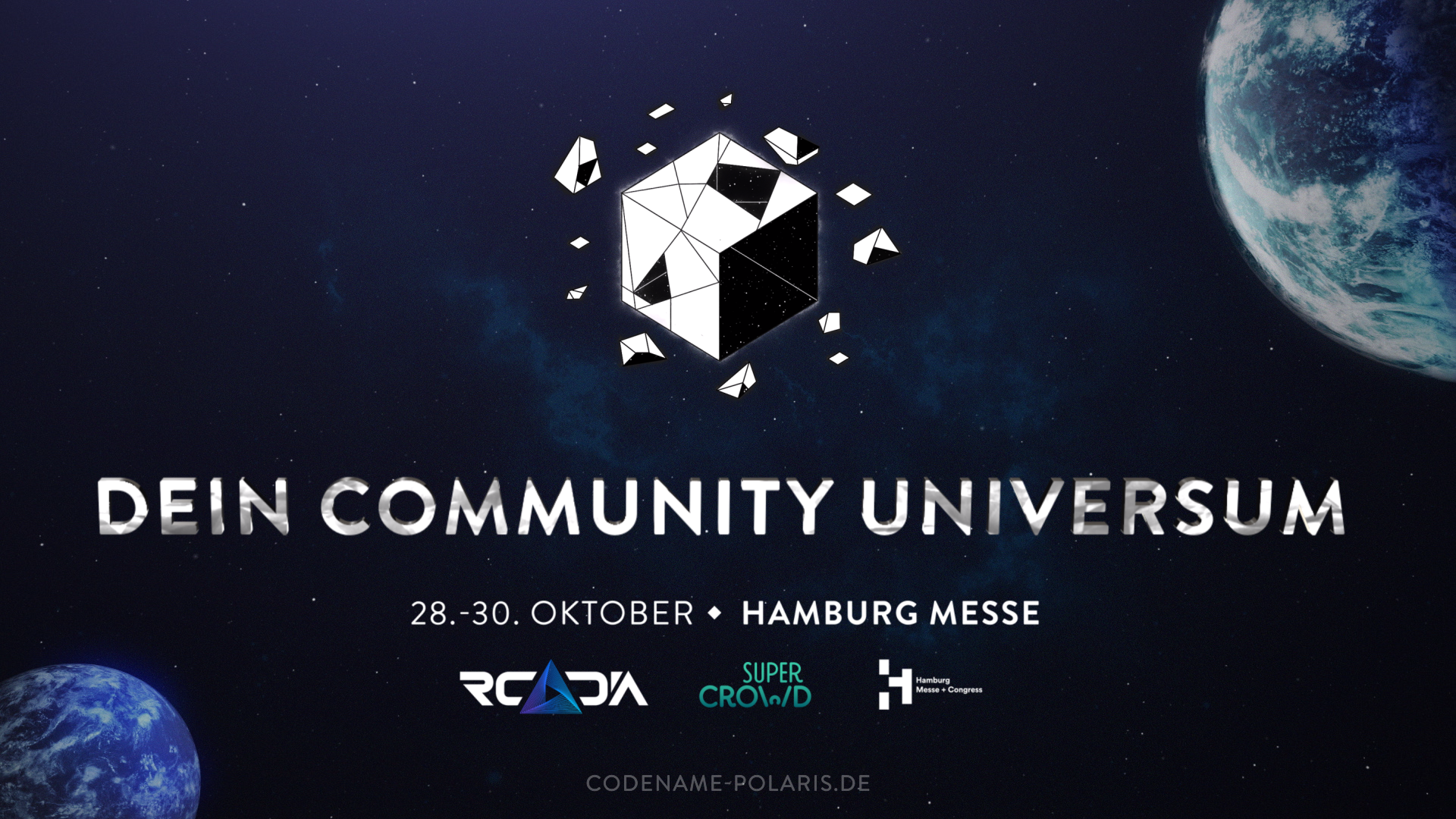
The announcement of a new gaming event, codenamed Polaris, marks a strategic effort to increase the visibility of the gaming sector within Hamburg. Scheduled for October 28–30, 2022, the event is designed as a community-focused fair encompassing gaming, e-sports, and Japanese pop culture. The initiative is a collaborative project between three primary partners: the event agency Super Crowd Entertainment, the venue operator Hamburg Messe und Congress, and the gaming facility RCADIA.
The event is structured as a hybrid experience, combining a physical presence at the Hamburg exhibition halls with digital integration through a dedicated mobile application and a streaming component. Organizers aim to position the fair as a leading, technically advanced hybrid trade show in Europe. Key industry figures, including content creators and artists, are involved in the planning process to ensure the event resonates with the gaming community.
While the project was introduced in March 2022, it represents a broader commitment to fostering the local gaming ecosystem in Hamburg. By leveraging the expertise of established industry partners and incorporating interactive, gamified elements, the organizers intend to create a unique spectacle that serves both local developers and the wider public. The project reflects a growing trend of integrating physical trade show expertise with digital entertainment formats to maximize audience engagement.
- Codename Polaris is a new hybrid gaming, e-sports, and Japanese pop culture event scheduled for October 28–30, 2022, in Hamburg.
- The event is a strategic partnership between event agency Super Crowd Entertainment, venue operator Hamburg Messe und Congress, and the gaming facility RCADIA.
- The fair utilizes a hybrid model that combines physical exhibition halls with a dedicated mobile application and digital streaming components.
- Organizers are positioning the event as a leading, technically advanced hybrid trade show in Europe by integrating gamified elements and interactive experiences.
- The project, introduced in March 2022, aims to foster the local gaming ecosystem in Hamburg by involving content creators and artists in the planning process.
Gamecity Hamburg