Report26 pages
An Analysis of the Card Battler Sub‑Genre 2021
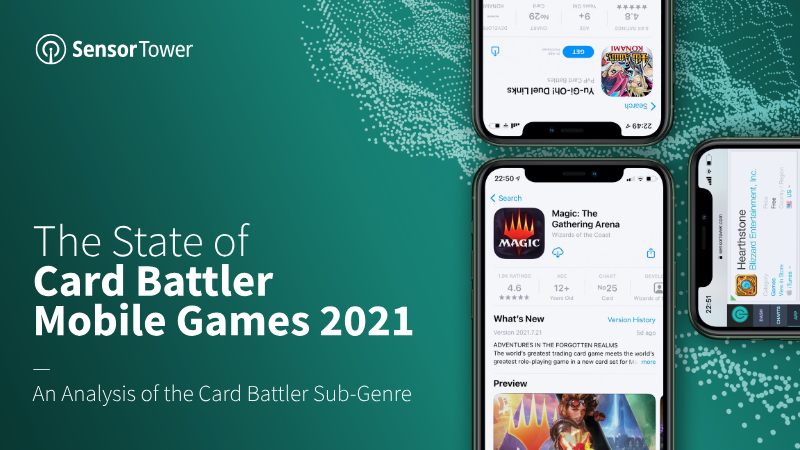
The card battler mobile sub-genre experienced significant growth and market shifts during the first half of 2021. While representing five percent of player spending within the broader strategy genre, card battlers reached a new revenue baseline exceeding $55 million per month. This growth was punctuated by a 17 percent quarterly revenue increase in early 2021, driven largely by established "forever franchises" and the successful mobile launch of legacy intellectual properties.
The geographic landscape of the sub-genre is diversifying. Although Asian markets like Japan and China historically dominated the space, the United States emerged as a critical growth region, accounting for 27 percent of player spending in the first half of 2021. The U.S. market also demonstrated the highest growth in revenue per download among strategy sub-genres, rising 53 percent. This trend suggests the market is maturing and becoming increasingly lucrative for developers targeting Western audiences.
Market leadership remains concentrated among titles leveraging powerful intellectual properties. Yu-Gi-Oh! Duel Links and Hearthstone continue to lead in lifetime earnings, while Magic: The Gathering Arena rapidly ascended to the top ten following its March 2021 release. The success of these titles, alongside niche performers like WWE SuperCard and the high download volume of Mighty Party, indicates a healthy appetite for both established tabletop conversions and new gameplay concepts.
The analysis utilizes data from Sensor Tower’s Game Intelligence and Store Intelligence platforms, covering global App Store and Google Play performance. Findings highlight that while the sub-genre is smaller than 4X strategy or MOBA categories, its increasing average revenue per user and the success of aggressive user acquisition strategies by new contenders point to significant ongoing opportunities for expansion.
- The card battler sub-genre reached a new revenue baseline exceeding $55 million per month in the first half of 2021, driven by a 17 percent quarterly revenue increase.
- The United States has become a critical market, accounting for 27 percent of global player spending and experiencing a 53 percent increase in revenue per download during the first half of 2021.
- Market leadership is dominated by established intellectual properties, with Yu-Gi-Oh! Duel Links and Hearthstone leading in lifetime earnings and Magic: The Gathering Arena entering the top ten shortly after its March 2021 launch.
- While card battlers represent five percent of total strategy genre spending, the sub-genre shows significant expansion potential due to rising average revenue per user and effective user acquisition strategies.
- The sub-genre demonstrates a healthy appetite for diverse gameplay, ranging from tabletop-to-mobile conversions like Magic: The Gathering Arena to high-volume download titles like Mighty Party and niche performers like WWE SuperCard.
+1
Sensor TowerJan 2021
Report71 pages
Newzoo Metaverse Report 2021
The metaverse represents the evolution of gaming from a service into a persistent, infinitely scaling platform characterized by social interaction, user-generated content, and functioning economies. Driven by technological advancements and the social shifts of the COVID-19 era, virtual spaces now host non-gaming activities like concerts and brand activations that attract tens of millions of participants. This transition is supported by a highly receptive consumer base, with 70% of gamers expecting these social hubs to increase their playtime. The industry is moving toward a direct-to-avatar economy where digital identity and creator-led markets are central to engagement across platforms like Roblox, Fortnite, and Avakin Life.
Blockchain technology serves as a primary catalyst for this shift, enabling decentralized economies and play-to-earn models that provide players with true digital ownership. While current hurdles include high transaction fees and environmental concerns associated with early NFT models, the sector is transitioning toward scalable, green solutions like Layer 2 protocols. Establishing interoperable digital identities and seamless marketplaces is essential for aligning the economic interests of developers and creators. Furthermore, the move toward Web 3.0 requires a shift in the digital supply chain toward player-owned assets and open standards, such as Pixar’s Universal Scene Description, to ensure cross-platform collaboration.
Despite this momentum, significant structural and technical challenges remain. Achieving massive concurrency—moving beyond sharded instances to thousands of users in a single persistent world—requires cloud-native infrastructure and radical improvements in network protocols. Additionally, the industry must navigate regional fragmentation caused by government regulations and the need for modernized IP laws. Ethical risks, including deepfakes, unmoderated content, and identity theft, necessitate a focus on safety and open standards. Ultimately, the games industry is positioned to lead the development of a mobile-accessible, community-driven metaverse that complements physical reality through democratized monetization and high-fidelity digital twins.
- The metaverse is evolving gaming into a persistent, scalable platform for social interaction and non-gaming activities, with 70% of gamers anticipating increased playtime in these virtual hubs.
- The industry is shifting toward a direct-to-avatar economy where digital identity and creator-led markets drive engagement on platforms such as Roblox, Fortnite, and Avakin Life.
- Blockchain technology is facilitating decentralized economies and play-to-earn models, with the sector currently transitioning toward scalable, green Layer 2 protocols to address transaction costs and environmental concerns.
- Achieving a true metaverse requires overcoming technical barriers to massive concurrency, specifically moving beyond sharded instances to support thousands of simultaneous users through cloud-native infrastructure.
- Cross-platform collaboration and the Web 3.0 digital supply chain depend on the adoption of open standards, such as Pixar’s Universal Scene Description, to enable interoperable digital identities and player-owned assets.
+1
NewzooJan 2021
Report19 pages
Video Games – a Force for Good (2021)
The 2021 Key Facts report, a joint publication by ISFE and EGDF, provides a comprehensive analysis of the European video game industry’s market performance, player demographics, and social impact. Covering the 2021 calendar year with comparative data from 2020, the report focuses on the European Union and broader European markets, including the United Kingdom. Data is derived from Ipsos, GameTrack, and Games Sales Data (GSD), utilizing surveys and retail tracking across more than 20 European nations.
The findings indicate a stable market valued at €23.3 billion, maintaining the significant revenue gains achieved during the 2020 pandemic lockdowns. While the total number of players grew by 6% to reach 52% of the European population, average weekly playtime decreased to 9 hours, returning to pre-pandemic levels. The digital ecosystem dominates the sector, accounting for 81% of total revenue, driven largely by app-based gaming and in-game extras. Demographically, the average player age is 31.3 years, and women represent nearly 48% of the total player base.
Beyond economic metrics, the report emphasizes the industry’s commitment to social responsibility and sustainability. It highlights the widespread adoption of the PEGI age rating system and the effectiveness of parental control tools, noting a significant decrease in unauthorized in-game spending by minors. The document also outlines industry-wide initiatives to improve workforce diversity, where women currently make up 22% of employees, and details environmental efforts such as the Green Game Jam and the Games Consoles Voluntary Agreement to reduce energy consumption. Finally, the report identifies esports as a high-growth segment, with global revenues surpassing $1 billion in 2021.
- The European video game market maintained a stable valuation of €23.3 billion in 2021, successfully sustaining the revenue gains achieved during the 2020 pandemic.
- Digital sales dominate the industry, accounting for 81% of total revenue, with growth primarily driven by app-based gaming and in-game purchases.
- The European player base grew by 6% in 2021 to encompass 52% of the total population, with an average player age of 31.3 years and a gender split of 48% women.
- Average weekly playtime dropped to 9 hours in 2021, signaling a return to pre-pandemic engagement levels despite the increase in total player count.
- Esports emerged as a high-growth sector, with global revenues exceeding $1 billion during the 2021 calendar year.
+1
European Games Developer FederationJan 2021

Report20 pages
Match3 Genre Snapshot Report May 2021 (2021)
The Match3 subgenre represents the largest segment of the US iOS mobile gaming market, accounting for approximately 16% of total revenue as of mid-2021. While established titles have dominated the charts for years, the landscape is evolving through the integration of complex meta-layers and sophisticated monetization strategies. Notably, every new Match3 title that entered the top 500 grossing rankings between late 2019 and early 2021 utilized traditional swapping mechanics, signaling a preference for familiar core gameplay enhanced by modern secondary features.
Meta-elements, particularly customization and decoration, have become essential components of modern Match3 success. Recent megahits like Royal Match and Project Makeover demonstrate this trend by blending core puzzle mechanics with narrative progression and aesthetic choices. Beyond gameplay, monetization has shifted toward loss aversion mechanics and diverse live operations. Data indicates that recurring live events, special event rewards, and limited-time in-app purchase offers have the highest impact on revenue. Social features, including guild mechanics and "send/ask help" systems, further bolster engagement and retention within the subgenre.
Player motivation analysis, based on a survey of over 7,000 mobile gamers across major English-speaking markets, reveals distinct psychological drivers. While traditional titles like Candy Crush Saga rely heavily on the "Thinking & Solving" and "Completing Milestones" drivers, the broader Match3 market is increasingly leaning into "Customization & Decoration." This shift highlights a move away from pure puzzle-solving toward a more expressive and multi-layered player experience. The findings suggest that future growth in the category depends on balancing core puzzle mastery with social competition and deep meta-progression.
- As of mid-2021, the Match3 subgenre is the largest segment of the US iOS mobile gaming market, generating approximately 16% of total revenue.
- Every new Match3 title that entered the top 500 grossing rankings between late 2019 and early 2021 retained traditional swapping mechanics, confirming that core gameplay innovation is less critical than secondary feature integration.
- Success in the modern market is driven by meta-layers like customization and decoration, as evidenced by the performance of titles such as Royal Match and Project Makeover.
- Revenue optimization in the subgenre is currently driven by loss aversion mechanics, recurring live events, special event rewards, and limited-time in-app purchase offers.
- Player motivation has shifted from pure puzzle-solving toward expressive experiences, with 'Customization & Decoration' now serving as a primary psychological driver alongside traditional 'Thinking & Solving' and 'Completing Milestones' goals.
+2
GameRefineryJan 2021
Report23 pages
Newzoo Trends to Watch 2021
This analysis outlines the primary trends shaping the global games, esports, and mobile markets for 2021. The central thesis posits that while the COVID-19 pandemic accelerated engagement and spending, these behaviors have become permanent habits that will sustain market growth even as lockdowns ease. By the end of 2021, the global games market is projected to reach $189.3 billion in revenue, supported by a player base of 2.8 billion people, with significant growth emerging from Southeast Asia and the Middle East.
The scope of the findings covers PC, console, and mobile segments across major global regions, including North America, Europe, China, and emerging markets. Key data points include the rise of cloud gaming, which is expected to surpass $1 billion in annual revenue for the first time, and the rapid expansion of 5G technology, with 5G-ready active smartphones forecasted to grow from 5% in 2020 to 16% (700 million units) by the end of 2021. In the esports sector, mobile titles like PUBG Mobile and Garena Free Fire are now challenging traditional PC giants in viewership, signaling a shift toward mobile-first competitive gaming.
Methodologically, the findings are derived from proprietary market models and consumer research. The analysis highlights several structural shifts: the evolution of games into "metaverse" social platforms for non-gaming events, the disruption of mobile marketing due to the removal of Apple’s Identifier for Advertisers (IDFA), and the increasing pressure on traditional app store revenue-share models. Furthermore, the industry is noted to be prioritizing diversity, inclusion, and reduced toxicity in response to social movements and player demand. Ultimately, the convergence of platforms and the expansion of gaming IP into broader entertainment media are identified as the defining characteristics of the industry's trajectory.
- The global games market is projected to reach $189.3 billion in revenue by the end of 2021, supported by a permanent shift in consumer spending habits and a total player base of 2.8 billion people.
- Cloud gaming is expected to surpass $1 billion in annual revenue for the first time in 2021, while 5G-ready active smartphones are forecasted to grow from 5% in 2020 to 16% (700 million units) by year-end.
- Mobile titles such as PUBG Mobile and Garena Free Fire are increasingly challenging traditional PC giants in esports viewership, marking a significant shift toward mobile-first competitive gaming.
- The removal of Apple’s Identifier for Advertisers (IDFA) is disrupting mobile marketing strategies and intensifying industry pressure on traditional app store revenue-share models.
- Gaming platforms are evolving into 'metaverse' social hubs for non-gaming events, while industry leaders are increasingly prioritizing diversity, inclusion, and reduced toxicity in response to player demand.
+1
NewzooJan 2021

Report52 pages
Innovate to Win on the Next Level with Hybrid Genre Games
The global mobile gaming landscape has entered a period of sustained growth following the pandemic, with overseas consumer spending reaching $36 billion in the first half of 2021. This represents a 73% increase since 2018, a trend largely spearheaded by China-based publishers who now command a 23% share of the international market. To sustain this trajectory, the industry is shifting toward hybridization, a strategy that blends core mechanics from disparate subgenres to broaden player demographics and optimize revenue streams. By integrating casual elements like farming or social multiplayer features into hardcore frameworks, developers are successfully diversifying their monetization models beyond traditional structures.
Market performance in early 2021 reveals that while Strategy, RPG, and Match subgenres remain the primary revenue drivers, high-growth categories such as Luck Battle and Merge-Saga are emerging as significant leaders. The 4X March-Battle subgenre, in particular, saw a 51% year-over-year increase in consumer spend, fueled by strong performance in the United States, Japan, and Germany. Additionally, the Idol Training subgenre experienced an explosive 129% surge in spending, highlighting the rising influence of Asian cultural themes and "Nijigen" aesthetics in the global market.
Despite these gains, the industry faces challenges from evolving user privacy policies, which contributed to a 12% contraction in Puzzle RPG spending. In response, successful developers are increasingly utilizing hybrid tactics such as Gacha monetization, home design meta-layers, and social connectivity to maintain engagement. The transition toward these multifaceted game designs suggests that the future of mobile gaming lies in the ability to merge deep, mid-core progression systems with accessible, casual mechanics to capture a more diverse and resilient global audience.
- Mobile gaming consumer spending reached $36 billion in H1 2021, marking a 73% increase since 2018, with China-based publishers now capturing 23% of the international market.
- The industry is pivoting toward hybrid game design, which integrates casual mechanics like farming or social features into hardcore frameworks to diversify monetization and broaden demographics.
- The Idol Training subgenre saw a 129% surge in consumer spending, signaling the growing global influence of Asian cultural themes and 'Nijigen' aesthetics.
- The 4X March-Battle subgenre experienced a 51% year-over-year increase in spending, driven by strong performance in the United States, Japan, and Germany.
- Evolving user privacy policies have negatively impacted specific categories, evidenced by a 12% contraction in Puzzle RPG spending.
+2
data.aiJan 2021

Report10 pages
Hyper-Casual Games – Industry Snapshot
The 2020 Hyper-Casual Sub-Genre Snapshot provides a detailed analysis of the hyper-casual mobile gaming market, focusing on performance benchmarks and sub-genre classification. Utilizing data from a network of over 140,000 integrated games and 2 billion monthly players, the analysis categorizes the industry into distinct mechanics: Timing, Traversal, Physics, Shooting, Spatial, Crafting, and Matching. The primary objective is to establish actionable KPIs for developers to optimize game development and monetization strategies.
Geographic data reveals significant variations in player engagement and retention. European markets, specifically France, Germany, Italy, and the Netherlands, lead in Day 1 retention at 49%. However, Japan emerges as a dominant market for deep engagement, boasting the highest Day 7 retention at 19% and a leading average playtime of 63 minutes. In contrast, the United States shows moderate performance with 43% Day 1 retention and 43 minutes of playtime, while China lags behind in these specific engagement metrics.
The findings highlight the dominance of specific titles launched in 2020, such as High Heels! and Slap Kings, which achieved high performance scores through simple, portrait-oriented, and advertising-focused business models. Successful games in this category are characterized by short, satisfying gameplay loops and forgiving mechanics. A critical benchmark for developers is the 40% Day 1 retention threshold; titles falling below this mark are generally considered unpromising, necessitating either rapid iterative sprints or project termination to maintain development efficiency.
- A 40% Day 1 retention rate serves as the critical performance benchmark for hyper-casual titles; games falling below this threshold should be iterated upon immediately or terminated.
- European markets lead in short-term engagement with a 49% Day 1 retention rate, while Japan excels in long-term retention at 19% and average session lengths of 63 minutes.
- The United States market shows moderate engagement metrics, recording a 43% Day 1 retention rate and an average playtime of 43 minutes.
- Successful 2020 titles like High Heels! and Slap Kings demonstrate that high performance is driven by portrait-oriented design, short gameplay loops, and advertising-focused monetization.
- The hyper-casual industry is categorized into seven core mechanics: Timing, Traversal, Physics, Shooting, Spatial, Crafting, and Matching.
+1
GameIntelJan 2021

Report1 pages
Survey on Games and Daily Life: Japan
The survey was launched to deepen understanding of how gaming activities intersect with everyday life in Japan and to inform strategies for mitigating “gaming disorder,” a condition recently classified by the World Health Organization. Its overarching aim is to promote healthier gaming habits across a broad spectrum of participants, ranging from casual players to professional gamers and students enrolled in specialized esports training programs.
Fieldwork took place in February 2021 and targeted three distinct groups: active professional gamers, individuals attending dedicated esports academies, and the general gaming public. Data were collected through an online questionnaire distributed via email by the research team and Cross‑Marketing, with respondents directed to a secure response site. To encourage participation, incentives varied from ¥500 to ¥2,000 Quo‑card vouchers, supplemented by point awards for panel members of the survey firm.
The investigation was coordinated by the Social Psychology Laboratory at Ochanomizu University, under the leadership of Professor Akira Sakamoto, with operational support from Cross‑Marketing and endorsement from the Japan eSports Union (JeSU). Although specific results are not disclosed in the excerpt, the study’s design reflects a comprehensive, mixed‑audience approach intended to generate actionable insights for policy makers, health professionals, and the esports industry regarding responsible gaming practices in Japan.
- The study, conducted in February 2021, aimed to analyze the intersection of gaming and daily life to inform strategies for mitigating gaming disorder.
- Research was led by Professor Akira Sakamoto of the Social Psychology Laboratory at Ochanomizu University with endorsement from the Japan eSports Union (JeSU).
- The survey targeted three distinct demographics: active professional gamers, students in specialized esports academies, and the general gaming public.
- Data collection was facilitated through an online questionnaire managed in partnership with the research firm Cross-Marketing.
- Participation was incentivized through a combination of point awards and Quo-card vouchers ranging in value from ¥500 to ¥2,000.
+1
CESA – Computer Entertainment Supplier's AssociationJan 2021

Report66 pages
Serbian Gaming Industry Report 2021
In 2021 Serbia’s gaming ecosystem emerged as a rapidly expanding, export‑oriented sector that combined a sizable studio base with a vibrant indie community. Roughly 130 development studios employed 1,548 people, of whom 30 % were women, and produced about 2,200 titles that generated an estimated US$125 million in revenue. The majority of earnings—between 75 % and 100 %—derived from markets outside the country, and 64 % of games relied on a free‑to‑play model supplemented by advertising.
Mid‑sized studios such as Nordeus and Playrix RS demonstrated strong user bases, while larger contributors including Ubisoft Belgrade and the VFX house Bunker underscored Serbia’s capacity to support AAA‑level production and international client work. The esports landscape, led by Fortuna’s Balkan League, attracted roughly half a million viewers and distributed €220 k in prize money, highlighting the sector’s growing competitive dimension. Indie developers, ranging from solo creators to teams of forty, pursued diverse platforms—PC, mobile, VR/AR—and increasingly leveraged tools like Epic’s MetaHuman Creator, signalling a shift toward high‑fidelity, narrative‑driven experiences.
Policy initiatives reinforced this momentum. The “Serbia Innovates” super‑cluster, backed by U.S. assistance, positioned gaming, VR, and Web3 technologies as a multidisciplinary hub, while tax‑incentive reforms such as the IP‑Box and double R&D deductions attracted capital and talent. Educational collaborations, exemplified by new university programs and industry‑led training platforms, created a pipeline that bridges skill gaps and sustains growth.
Sustainable development is viewed as dependent on three pillars: compelling IP, robust publishing partnerships, and cross‑sector cooperation, suggesting that continued alignment of studio capabilities, policy support, and talent development will cement Serbia’s role as a notable exporter in the global games market.
- In 2021, Serbia’s gaming sector comprised approximately 130 studios employing 1,548 people, generating $125 million in revenue with 75% to 100% of earnings derived from international exports.
- The industry is heavily reliant on the free-to-play model, which accounts for 64% of all games produced, while the total output reached roughly 2,200 titles.
- The ecosystem supports a diverse production scale, ranging from indie developers using high-fidelity tools like MetaHuman Creator to major contributors such as Nordeus, Playrix RS, and Ubisoft Belgrade.
- Government policy has actively fostered growth through tax incentives like the IP-Box and double R&D deductions, alongside the 'Serbia Innovates' super-cluster initiative.
- The esports sector is a significant competitive pillar, with the Fortuna-led Balkan League attracting 500,000 viewers and distributing €220,000 in prize money.
+1
SGAJan 2021

Report38 pages
Romanian Game Development Industry Report: 2020
The Romanian game‑development sector has emerged as a rapidly expanding component of the national digital economy, delivering €218.5 million in revenue in 2020—a 19.1 % year‑on‑year increase that pushed total earnings beyond the €200 million threshold. This growth builds on a foundation laid in the late‑1990s by early publishers such as AMC and Fun Labs and accelerated by a wave of indie activity that has diversified the market across hyper‑casual, mid‑core and AAA support segments.
Policy measures have been pivotal: a tax‑exempt status for developers introduced in 2004, a state‑aid scheme for large IT investments in 2012, and the “Startup Nation” programme of 2016 have collectively fostered an IT sector employing over 113 000 people and contributing roughly 6.8 % of GDP in 2020. The exemption, however, applies only to technical staff, leaving creative roles under‑supported and prompting the Romanian Game Developers Association to propose dedicated incentives.
The ecosystem now includes hyper‑casual studios that have amassed more than 10 million downloads, mid‑core and AAA support firms such as EA Romania, Ubisoft Romania and Gameloft that together employ around 750 developers and work on franchises like FIFA and Assassin’s Creed, and independent studios such as Ovilex, whose simulators have exceeded 500 million installs.
Case studies illustrate the sector’s breadth: Whyttest operates a cross‑border QA‑outsourcing service with senior and junior testers in Bucharest and Belgrade, while XSA, an indie start‑up focused on Android/iOS car games, reaches over one million players each month. The analysis draws on multiple European industry sources, including ISFE‑EGDF, EGDF, Goldstein Research, and regional surveys, providing a comprehensive view of Romania’s game‑development landscape during the 2020 period.
- The Romanian game development industry generated €218.5 million in revenue in 2020, marking a 19.1% year-on-year growth rate.
- The broader IT sector, bolstered by state-aid schemes and tax exemptions, employed over 113,000 people and contributed approximately 6.8% of Romania's GDP in 2020.
- Major AAA support studios including EA Romania, Ubisoft, and Gameloft employ roughly 750 developers in the country, contributing to global franchises like FIFA and Assassin’s Creed.
- Independent studios have achieved significant scale, with firms like Ovilex recording over 500 million installs for their simulator titles.
- Current tax-exempt status for developers is limited to technical staff, leading the Romanian Game Developers Association to lobby for new incentives to support creative roles.
+2
RGDA – Romanian Game Developers AssociationJan 2021

Report41 pages
La Guía de los Esports
Resumen ejecutivo de “La Guía de los Esports” (Basado en los ocho apartados que aparecen en el material proporcionado)
1. Contexto macro‑económico del sector Tamaño del mercado: US $947.1 M en 2020; proyectado a superar el billón de dólares en los próximos años. Audiencia global: > 215 millones de “entusiastas” (personas que ven competiciones al menos una vez al mes). Motor de crecimiento: Broadband rápido y fiable. Las regiones con mejor conectividad (Este de Asia, Norte de Europa y Norteamérica) concentran la mayor parte del potencial de mercado.
2. Evolución de géneros y penetración regional Nuevos géneros híbridos: Battle‑royale (desde 2017) – p.ej. Fortnite, PUBG. Auto‑battlers (desde 2019) – p.ej. Teamfight Tactics, Dota Auto‑Chess. Penetración de audiencia (por población): | Región | % de población | Fans estimados | |--------|----------------|----------------| | China | 6.09 % | 88 M | | Norteamérica | 4.93 % | 18.2 M | | Europa | 3.90 % | 29.2 M | | Latinoamérica | (dato incompleto) | — | La distribución es muy desigual; los mercados emergentes aún presentan gran margen de expansión.
3. Arquitectura del ecosistema Propiedad intelectual: Los publishers (editores) son dueños del IP, financian el desarrollo y establecen las reglas competitivas. Actores interdependientes: Desarrolladores → crean el juego. Plataformas (Steam, Epic, consolas) → distribución y hosting. Organizadores de torneos → eventos y ligas. Equipos profesionales → gestión de jugadores y marcas. Jugadores (pro y amateur) → contenido y rendimiento. Creadores de contenido (streamers, youtubers) → comunidad y monetización. Profesionalización: Programas de becas multimillonarios, ligas estructuradas (ej. LCS, LEC, Overwatch League) y contratos con cláusulas de exclusividad y derechos de imagen.
4. Crecimiento de audiencia y de ingresos Audiencia total: 435.9 M (2021) → 577.2 M (estimado 2024) – CAGR +7.7 %. Ingresos: < $1.1 B (2021) → proyección > $1.5 B para 2024 (
- The esports market is projected to grow from under $1.1 billion in 2021 to over $1.5 billion by 2024, maintaining a compound annual growth rate (CAGR) of 7.7%.
- Global esports viewership is expected to reach 577.2 million people by 2024, up from 435.9 million in 2021.
- Market potential is heavily concentrated in regions with high-speed broadband infrastructure, specifically East Asia, Northern Europe, and North America.
- China leads global market penetration with 88 million fans, representing 6.09% of its population, significantly outpacing North America (4.93%) and Europe (3.90%).
- The ecosystem is defined by publisher-controlled intellectual property, where developers dictate competitive rules and league structures like the LCS, LEC, and Overwatch League.
+2
AEVIJan 2021
Report14 pages
Rapport Annuel 2021
The 2021 annual review underscores the emergence of video‑games as a pivotal social and economic force within Canada, where roughly 61 % of the population—about 23 million people—engage in regular play. Pandemic‑era surveys reveal that 58 % of adult gamers and 80 % of adolescents increased their gaming time, while disposable income previously allocated to cinema and travel was redirected toward interactive entertainment, positioning gaming as the dominant medium in the national leisure landscape.
Advocacy and industry support intensified throughout the year. The association shifted to virtual engagement with parliamentarians, deployed a paid Globe and Mail advertisement, and produced a targeted video message to maintain policy visibility during COVID‑19. A new content‑manager bolstered digital capacity, and coordinated outreach—including bi‑weekly provincial briefings, a monthly liaison call with provincial bodies, and a legally vetted return‑to‑work guide—facilitated the successful exclusion of video‑game developers and console manufacturers from the revised Canadian Broadcasting Act, averting potential royalties amounting to tens of millions of dollars and avoiding additional regulatory burdens.
Operational resilience was demonstrated as approximately 30 000 industry employees transitioned to remote work without disrupting the majority of scheduled releases. Financial stewardship met all set objectives, remaining within budget while expanding strategic initiatives. The sixth‑year student competition attracted 20 entries, awarding a $6,000 prize, reflecting ongoing investment in talent development and community engagement across the Canadian gaming sector.
- The Canadian video game industry successfully lobbied to be excluded from the revised Canadian Broadcasting Act, avoiding tens of millions of dollars in potential royalties and regulatory burdens.
- Approximately 23 million Canadians—61% of the population—are regular gamers, with 58% of adults and 80% of adolescents increasing their playtime during the pandemic.
- The industry maintained operational continuity during 2021 as 30,000 employees transitioned to remote work without disrupting the majority of scheduled game releases.
- Consumer spending shifted during the pandemic, with disposable income previously allocated to cinema and travel redirected toward interactive entertainment.
- Industry advocacy efforts in 2021 included virtual parliamentary engagement, targeted media campaigns in The Globe and Mail, and the implementation of a legally vetted return-to-work guide.
Association canadienne du logiciel de divertissementJan 2021

Report35 pages
Guida agli Esports: Italia
The analysis positions esports as a rapidly expanding digital sport that, in 2021, generated $947.1 million in revenue and attracted more than 215 million fans worldwide, with total direct earnings approaching $1.1 billion. Growth is concentrated in regions with advanced broadband infrastructure—East Asia, Northern Europe and North America—where titles that balance accessibility, competitive depth and spectator‑friendly design dominate the market. The ecosystem is defined by five interdependent actors: game publishers, tournament organizers, professional and amateur teams, players, and fan communities, each relying on robust licensing agreements and strong intellectual‑property protection to sustain competitive formats and monetisation pathways.
Publishers invest heavily, often exceeding $100 million per title, and retain exclusive control over game updates, balance changes and the creation of official competitive modes, making their cooperation essential for event staging and broadcast rights. Organisers must secure these rights before launching tournaments, while fan‑generated content such as streaming, casting and influencer activity drives viewership and ancillary revenue streams. The sector’s economic impact extends beyond digital earnings; flagship events have delivered measurable short‑term gains—Rotterdam recorded €2.36 million in visitor revenue and Katowice generated $12.8 million—while also enhancing city branding, attracting young talent and prompting infrastructure investment.
Education and social inclusion are emerging pillars, with universities offering scholarships and curricula that leverage esports to develop digital, problem‑solving and teamwork skills. Initiatives targeting gender balance, including Women in Games and dedicated incubators, aim to broaden participation and address persistent representation gaps. The overarching conclusion stresses that sustained, coordinated action among industry bodies, policymakers and diversity‑focused programs is vital to cement esports’ legitimacy, protect minors, and unlock its full economic and societal potential.
- The global esports market reached $947.1 million in revenue in 2021, with total direct earnings approaching $1.1 billion and a fan base exceeding 215 million.
- Market growth is primarily concentrated in regions with advanced broadband infrastructure, specifically East Asia, Northern Europe, and North America.
- Game publishers hold exclusive control over competitive ecosystems, often investing over $100 million per title to manage updates, balance changes, and essential broadcast rights.
- Flagship esports events provide significant local economic impact, evidenced by $12.8 million generated in Katowice and €2.36 million in visitor revenue in Rotterdam.
- The esports value chain relies on five interdependent actors—publishers, organizers, teams, players, and fan communities—underpinned by strict intellectual property protection and licensing agreements.
+1
IIDEA – Italian Interactive Digital Entertainment AssociationJan 2021
Report19 pages
Beyond 2021: Where Does Gaming Go Next?
The global games market experienced unprecedented acceleration between February 2020 and May 2021, driven by the unique social and economic conditions of the COVID-19 pandemic. This period saw the addition of 173 million new or returning players, bringing the global total to nearly 3 billion. While veteran players—those active before the pandemic—accounted for the majority of market growth by increasing their playtime by 42%, new and returning players represent a significant demographic shift, with 53% of this group being female.
The industry reached $175.8$ billion in revenue in 2021, with mobile gaming accounting for 52% of the total. Projections indicate a compound annual growth rate of 8.7%, with the market expected to surpass $218 billion by 2024. Key drivers for this continued expansion include the rise of gaming subscription services, which provide low-barrier entry points for new players, and the evolution of games into social hubs or "metaverses." These persistent virtual worlds facilitate non-gaming experiences such as virtual concerts and identity expression through avatars, effectively competing with traditional social media.
Engagement is increasingly defined by content consumption beyond active play. Live-streaming audiences are expected to reach 920 million by 2024, and players report a higher intent to continue watching gaming content than to increase their spending or playtime. Furthermore, the industry is moving toward a platform-agnostic future. Cross-platform play and cloud gaming are dissolving traditional hardware barriers, a trend reinforced by global semiconductor shortages and game development delays that have hampered the console and PC segments more than mobile.
This analysis is based on a Newzoo study commissioned by Google, utilizing market sizing models and a survey of over 16,900 respondents across 16 countries in North America, Latin America, Europe, the Middle East, Africa, and Asia-Pacific. The findings suggest that while new players may be less "sticky" than veterans, long-term retention will depend on fostering a holistic gaming culture that integrates social interaction, viewership, and multi-platform accessibility.
- The global games market reached $175.8 billion in 2021 and is projected to exceed $218 billion by 2024, representing a compound annual growth rate of 8.7%.
- Mobile gaming remains the dominant sector, accounting for 52% of total industry revenue.
- The pandemic-driven surge added 173 million new or returning players, 53% of whom are female, bringing the global player base to nearly 3 billion.
- Engagement is shifting toward content consumption, with live-streaming audiences projected to reach 920 million by 2024.
- The industry is transitioning toward a platform-agnostic model, as cross-platform play and cloud gaming dissolve traditional hardware barriers exacerbated by semiconductor shortages.
+1
Google & NewzooJan 2021

Report24 pages
Games Marketing Insights 2021
This analysis examines the profound shifts in the global gaming landscape triggered by the COVID-19 pandemic, focusing on the emergence of a massive new player demographic. Based on a July 2020 survey of over 13,000 respondents across nine global markets—including the US, UK, Germany, and South Korea—the findings highlight a permanent expansion of the mobile gaming audience. These "new gamers," who began playing after the initial outbreak, are generally younger than existing players and demonstrate "core" gaming behaviors, such as a higher propensity for multiplayer engagement and a preference for complex genres.
Data indicates that while both new and existing players increased their weekly gaming hours, their financial behaviors diverged. New gamers are significantly more likely to spend money on in-game purchases and report higher monthly expenditures than veteran players. Conversely, existing players reported spending less than they did pre-pandemic, despite their increased engagement. Across all cohorts, there is a clear preference for free-to-play, ad-supported monetization models. In terms of discovery, the research underscores the critical role of brand familiarity; less than 25% of players in Western markets tried games they had never heard of, suggesting that mobile marketing is increasingly mirroring the IP-driven strategies of the console industry.
The scope of the industry extends beyond active play into community and content consumption. Live-streaming platforms saw record growth, with Facebook Gaming surpassing one billion hours watched in Q3 2020. Furthermore, the rise of digital commerce has fundamentally altered purchasing habits, with 89% of global consumers expressing concern about physical retail, driving a shift toward mobile-first discovery and online game acquisition. The analysis concludes that developers must adopt mixed monetization strategies and foster out-of-game communities to retain this expanded, platform-agnostic audience.
- New gamers who entered the market after the COVID-19 outbreak are spending more on in-game purchases monthly than veteran players, who have actually reduced their spending despite increased engagement.
- Mobile marketing is increasingly reliant on brand familiarity, as less than 25% of players in Western markets are willing to try games they have not heard of before.
- Live-streaming platforms experienced record growth during the pandemic, with Facebook Gaming reaching over one billion hours watched in Q3 2020.
- Digital commerce has shifted consumer habits, with 89% of global consumers expressing concern about physical retail, favoring mobile-first discovery and online acquisition.
- The new player demographic is younger than the existing base and exhibits 'core' gaming behaviors, specifically a higher preference for complex genres and multiplayer engagement.
+1
MetaJan 2021

Report13 pages
Mobile Game Video Ads Analysis: Optimal Video Lengths and End Cards
This analysis examines the relationship between video ad length, end card formats, and campaign performance across five major mobile gaming genres: Hyper-Casual, RPG, Strategy, Puzzle, and Social Casino. By evaluating 3.7 billion in-app video ad impressions and subsequent installs via the Vungle platform, the study establishes creative benchmarks using a proprietary Power Index to measure efficacy. The findings suggest that as the industry moves toward a post-IDFA environment with limited user-level data, marketers must prioritize creative optimization and mass-appeal strategies to drive engagement.
The data reveals distinct audience preferences for each genre. Social Casino players favor efficiency, responding best to 10-second ads paired with standard static end cards. Puzzle and Strategy games both see peak performance when utilizing app store end cards that provide a direct path to download, though their optimal video lengths differ at 22 seconds and 33 seconds, respectively. Conversely, genres with deeper gameplay loops require more extensive creative storytelling. Hyper-Casual games perform best with 37-second ads and video end cards, while RPGs benefit from the longest engagement times, peaking at 46 seconds with looping video end cards to showcase aesthetic and narrative depth.
The scope of the research covers a global audience of over one billion unique devices, focusing on the structural elements of ad creatives rather than specific visual content. The methodology filters out low-performing impressions to ensure the Power Index accurately reflects the most successful format pairings. Ultimately, the findings conclude that aligning ad duration and post-roll interactive elements with genre-specific player expectations is essential for maximizing return on ad spend in an increasingly competitive mobile marketplace.
- Optimal video ad length varies significantly by genre, ranging from 10 seconds for Social Casino to 46 seconds for RPGs.
- Hyper-Casual games achieve peak performance with 37-second ads paired with video end cards.
- Strategy games perform best with 33-second ads, while Puzzle games reach peak efficacy at 22 seconds; both benefit most from app store end cards.
- Social Casino players prefer short, efficient 10-second ads combined with standard static end cards.
- RPGs require the longest engagement times at 46 seconds, utilizing looping video end cards to highlight narrative and aesthetic depth.
+2
LiftoffJan 2021

Report8 pages
Post-IDFA Mobile Game Advertising Costs: Casual vs Core
The analysis quantifies how Apple’s post‑IDFA privacy updates have reshaped user‑acquisition economics for mobile games, contrasting casual titles with core experiences. By aggregating 13.5 billion programmatic ad impressions from iOS and Android between January 1 2021 and September 30 2021, the study tracks cost‑per‑install (CPI) trends across three intervals—pre‑iOS 14.5, during the iOS 14.5‑14.6 rollout, and post‑iOS 14.6—using Moloco’s proprietary game taxonomy to separate titles into casual and core categories.
Casual games experienced a sharp decline in iOS CPI, falling 38 % after the iOS 14.6 release, while Android CPI for the same segment rose modestly by 16 %. In contrast, core games saw iOS CPI surge 78 % and Android CPI increase 36 % over the same period, reflecting intensified competition for a shrinking pool of high‑value, trackable users. The narrowing of the historical iOS‑Android CPI gap for casual titles indicates that Android installs now command comparable monetary value, whereas iOS remains the premium channel for core audiences due to higher in‑app‑purchase conversion rates.
Methodologically, the research averages weekly CPI data across the defined date ranges, applying a taxonomy that classifies games by genre and engagement depth, with subcategories overlapping between casual and core groups. Findings suggest that the divergent CPI trajectories are driven by user churn characteristics and lifetime‑value differentials rather than seasonal factors.
Strategic recommendations emphasize diversifying media spend, allocating budget to campaigns optimized for return‑on‑ad‑spend, and leveraging machine‑learning‑based bidding to mitigate volatility. These practices aim to preserve profitability amid the evolving privacy‑driven market dynamics for both casual and core mobile game publishers.
- Core games experienced a 78% surge in iOS CPI following the iOS 14.6 release, driven by intensified competition for a shrinking pool of high-value, trackable users.
- Casual games saw a 38% decline in iOS CPI post-iOS 14.6, while Android CPI for the same segment rose by 16%.
- Android CPI for core games increased by 36% during the same period, reflecting broader market volatility across platforms.
- The historical CPI gap between iOS and Android has narrowed for casual titles, suggesting that Android installs now provide monetary value comparable to iOS for that segment.
- iOS remains the premium channel for core games due to higher in-app purchase conversion rates, despite the significant cost increases.
+2
MolocoJan 2021
Report27 pages
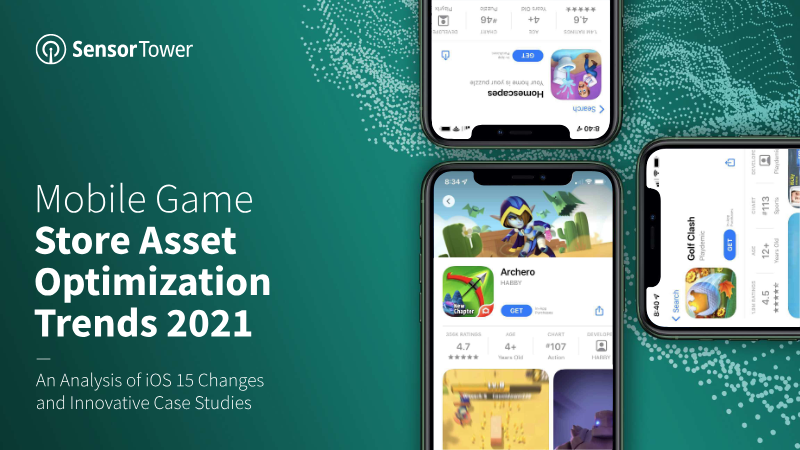
Mobile Game Store Asset Optimization Trends 2021
Strategic store asset optimization is a critical driver for increasing conversion rates and reducing user acquisition costs in the mobile gaming industry. Analysis of top-performing publishers reveals that the most successful entities treat app icons, screenshots, and product pages as dynamic marketing tools rather than static assets. This approach is particularly relevant following the release of iOS 15 in late 2021, which introduced Custom Product Pages and Product Page Optimization. These features allow developers to create up to 35 unique landing pages and conduct native A/B testing for up to 90 days, enabling highly targeted campaigns for specific audiences and influencers.
Data from major titles illustrates several dominant trends in asset management. Seasonal updates are a primary strategy; for instance, Golf Clash implemented 17 icon changes between 2017 and 2021 to reflect holidays like Halloween and St. Patrick’s Day. Other publishers, such as King and Garena, prioritize brand identity by integrating corporate logos across their entire portfolios to leverage existing brand equity. Furthermore, "forever franchises" like Animal Crossing: Pocket Camp use icon updates to signal anniversaries and live operations events, driving re-engagement among lapsed players.
A significant shift in the industry involves the alignment of store assets with high-performing ad creatives. Publishers like Playrix and Nexters successfully utilized "Pull the Pin" advertisements—which often differ from core gameplay—to lower costs per install. To minimize friction and improve conversion, these companies updated their App Store screenshots and icons to match the ad content. While such experimentation was historically more prevalent on Google Play due to its long-standing A/B testing tools, the new iOS 15 capabilities are expected to catalyze similar data-driven optimization strategies across the Apple ecosystem. This analysis utilizes Sensor Tower’s proprietary intelligence platforms to track these trends across global markets and major gaming segments.
- The release of iOS 15 in late 2021 introduced native A/B testing for up to 90 days and the ability to create 35 unique Custom Product Pages, enabling highly targeted audience acquisition.
- Top-performing publishers are aligning App Store screenshots and icons with high-performing ad creatives—such as Playrix and Nexters' 'Pull the Pin' ads—to reduce user acquisition costs and minimize conversion friction.
- Successful mobile game publishers treat store assets as dynamic marketing tools rather than static elements, frequently updating them to reflect seasonal events, anniversaries, and live operations.
- Strategic icon management is a proven re-engagement tactic, exemplified by Golf Clash, which implemented 17 distinct icon updates between 2017 and 2021 to capitalize on holiday-themed content.
- Major publishers like King and Garena leverage brand equity by integrating consistent corporate logos across their entire game portfolios to strengthen brand identity.
+2
Sensor TowerJan 2021
Report222 pages
Turkey Game Market 2021 Report
The Turkish gaming market experienced a transformative period of growth and institutionalization in 2021, reaching a total market volume of $1.2 billion. Despite global challenges such as hardware shortages and pandemic-related delays in AAA titles, the local ecosystem expanded to include over 42 million active players. This growth was primarily catalyzed by the mobile segment, which generated $620 million in revenue and solidified Turkey’s position as a global leader in the hyper-casual genre. The year was further defined by record-breaking financial activity, with $266 million invested across 54 startups and the emergence of Dream Games as a new industry "unicorn."
Strategically, the market is shifting toward a "gaming-focused entertainment" model, characterized by the rapid adoption of Web3 technologies, including blockchain, NFTs, and Play-to-Earn (P2E) frameworks. While mobile gaming remains the dominant force, there is a burgeoning esports ecosystem supported by approximately 6 million followers and a national federation overseeing 165 licensed clubs. Turkey’s selection as the host for the Global Esports Games 2022 underscores its rising international profile. However, industry experts note a strategic need to diversify beyond mobile platforms into PC and console development to ensure long-term sustainability.
The regional landscape reveals Turkey as the primary gaming powerhouse in the Middle East, outperforming neighboring markets in both revenue and player engagement. Success for international entrants remains contingent on high-quality localization and cultural adaptation, given the country's low English proficiency and unique consumer preferences for competitive genres and specific musical influences. As the sector transitions into 2022, the focus remains on bridging the talent gap through specialized academic programs and leveraging the return of large-scale physical exhibitions to maintain momentum in the evolving Metaverse and digital advertising spaces.
- The Turkish gaming market reached a total volume of $1.2 billion in 2021, supported by a player base of 42 million active users.
- Mobile gaming generated $620 million in revenue, cementing Turkey's status as a global leader in the hyper-casual genre.
- Financial activity hit record levels in 2021 with $266 million invested across 54 startups, highlighted by the emergence of Dream Games as a unicorn.
- The esports ecosystem is growing rapidly, featuring 6 million followers and 165 licensed clubs overseen by a national federation.
- Turkey is the primary gaming powerhouse in the Middle East, though experts advise diversifying into PC and console development for long-term sustainability.
+2
Gaming in TurkeyJan 2021

Report15 pages
The African Mobile Apps Landscape (2021)
The African mobile app market experienced a period of rapid acceleration between Q1 2020 and Q1 2021, driven by a young, mobile-first population and the unique conditions of the COVID-19 pandemic. Analysis of 6,000 apps and 2 billion installs across South Africa, Nigeria, and Kenya reveals that overall app installs grew by 41% during this period. Nigeria led this growth with a 43% increase, while South Africa saw the most immediate surge in downloads following strict lockdown measures.
The gaming sector proved particularly resilient, with installs jumping 50% in Q2 2020 as consumers sought home entertainment. This trend extended to monetization, as in-app advertising revenue surged by 167% between Q2 2020 and Q1 2021. Furthermore, in-app purchasing revenue peaked in Q3 2020, accounting for one-third of the year's total revenue. While Android remains the dominant platform with a 54% increase in non-organic installs, iOS also showed growth despite a 21% rise in cost-per-install.
Several structural trends define the current landscape, including the rise of fintech apps addressing the needs of unbanked populations and the emergence of super apps that consolidate multiple services to overcome device storage limitations. Despite this progress, challenges remain regarding connectivity, as mobile internet adoption in Sub-Saharan Africa stands at 26%, well below the global average. To succeed, marketers are encouraged to move toward a multi-moment maturity model by integrating durable measurement foundations, focusing on high-value user acquisition, and utilizing remarketing strategies to drive long-term engagement.
- Between Q1 2020 and Q1 2021, mobile app installs across Nigeria, South Africa, and Kenya grew by 41%, with Nigeria leading the growth at 43%.
- The gaming sector saw a 50% jump in installs during Q2 2020, while in-app advertising revenue for gaming surged by 167% between Q2 2020 and Q1 2021.
- In-app purchasing revenue for gaming peaked in Q3 2020, contributing one-third of the total annual revenue.
- Android remains the dominant platform with a 54% increase in non-organic installs, while iOS growth persists despite a 21% rise in cost-per-install.
- Market growth is driven by fintech apps serving unbanked populations and the adoption of super apps designed to mitigate device storage limitations.
+2
AppsFlyerJan 2021