
Report20 pages
Pour une Pratique Responsable du Jeu Vidéo: France
The guide presents a comprehensive overview of the French video‑game ecosystem in 2023, emphasizing the need for responsible consumption and the protection of minors. It argues that widespread digital engagement—now a daily habit for two‑thirds of adults and more than half of teenagers—requires coordinated action from industry, parents, and public authorities to ensure safe and balanced play.
Survey data collected from the SELL‑GSD/GameTrack panels at the end of 2021 reveal that 70 % of French residents play video games at least occasionally, with 53 % doing so regularly. Daily play is reported by 68 % of adults and 52 % of children aged 10‑17, while 95 % of parents are aware of parental‑control tools; only 44 % actually use them, and 51 % know of them without applying them. Parental involvement varies: 13 % supervise every session, 22 % select titles, 25 % advise against certain games, and 40 % allow autonomous play without consent. Moreover, 64 % of parents admit to playing with their children at least occasionally, highlighting the family‑oriented dimension of gaming.
The market analysis shows a split between physical and digital sales, with physical units representing 34 % of volume and 40 % of value, while digital formats account for the remainder. PEGI age‑rating labels dominate purchase decisions, being consulted by 67 % of adult buyers and 64 % of parents, and the system’s classification process involves independent bodies (NICAM and VSC) to certify titles across the Pan‑European market.
The publication also details the functionality of console‑based parental‑control systems, online interaction moderation tools, and the educational outreach conducted by the SELL and its partner network PédaGoJeux. Campaigns such as Safer Internet Day and a series of PEGI‑focused awareness drives illustrate the sector’s proactive stance on fostering a safer, more informed gaming environment for all French users.
- Gaming is a mainstream activity in France, with 70% of residents playing occasionally and 53% playing regularly as of late 2021.
- While 95% of parents are aware of parental-control tools, only 44% actively use them, leaving a significant gap between awareness and implementation.
- Parental involvement in gaming is inconsistent: 40% of parents allow children to play autonomously without consent, while only 13% supervise every session.
- The French market remains hybrid, with physical media accounting for 34% of unit volume and 40% of total market value.
- PEGI age-rating labels are a primary consumer tool, consulted by 67% of adult buyers and 64% of parents to inform purchase decisions.
SELL – Syndicat des Éditeurs de Logiciels de LoisirsJan 2023
Report12 pages
Global Report 2023
Power of Play: Global Report 2023 – Executive Summary
1. Scope & Methodology | Item | Detail | |------|--------| | Survey population | ≈ 12,847 active (weekly) gamers, ages 16 +, from 12 countries (Australia, Brazil, Canada, France, Germany, Italy, Japan, Poland, South Korea, Spain, United Kingdom, United States). | | Sampling | Quota‑based, nationally‑representative panels (AudienceNet). Each country ≈ 1,000 + respondents. | | Data collection | Online questionnaire covering motivations, mental‑health impacts, social behaviours, and skill development. | | Academic triangulation | Findings cross‑checked against ~10 peer‑reviewed studies (see References, p. 12). |
2. Why People Play (Top‑3 Reasons – Global)
| Rank | Reason | % of respondents (global) | |------|--------|----------------------------| | 1 | Fun / enjoyment | 69 % | | 2 | Pass the time | 63 % | | 3 | Stress relief / relaxation | 55 % |
Country‑level nuances: “Fun” dominates in every market (≥ 78 % in most). “Stress relief” is especially high in Australia (71 %) and Japan (73 %).
3. Self‑Reported Mental‑Health Benefits
| Benefit | Global agreement (average) | Range across countries | |---------|----------------------------|------------------------| | Reduces stress | 71 % | 55 % – 87 % | | Reduces anxiety | 61 % | 48 % – 78 % | | Reduces feelings of isolation/loneliness | 55 % | 45 % – 73 % | | Provides a healthy outlet for everyday challenges | 64 % | 52 % – 76 % | | Makes me feel happier | 63 % | 45 % – 83 % | | Helps me get through difficult times | 52 % | 33 % – 71 % |
> Interpretation: More than two‑thirds of gamers perceive video games as a stress‑relief tool, and roughly half feel less isolated because of gaming.
4. Social & Relational Outcomes
| Metric | Global % (approx.) | |--------|-------------------| | Play with others online (≥ weekly) | 51 % | | Play with others in‑person (≥ weekly) | 38 % | | Met a good friend, spouse, or significant other through games | 46 % | | Games helped develop deeper relationships | 43 % | | Games helped stay connected to friends/family | 46 % | | Games created lasting memories | 50 % | | Believe there is a game for everyone | 75 % |
> Key insight: Multiplayer and social features are central; almost half of respondents have formed meaningful offline relationships via gaming
- Video games function primarily as a mental health tool, with 71% of global gamers reporting that play reduces stress and 61% noting a reduction in anxiety.
- Fun and enjoyment remain the primary drivers for gaming, cited by 69% of the 12,847 respondents, followed by passing time (63%) and stress relief (55%).
- Social connectivity is a core component of the gaming experience, as 51% of players engage in online multiplayer weekly and 46% have formed meaningful personal relationships, including friendships and marriages, through games.
- Gaming serves as a significant social bridge, with 46% of respondents using games to stay connected with friends and family and 43% reporting that gaming helped them develop deeper relationships.
- The perception of gaming as an inclusive medium is high, with 75% of respondents agreeing that there is a game available for everyone.
+1
IIDEA – Italian Interactive Digital Entertainment AssociationJan 2023

Report32 pages
I Videogiochi in Italia nel 2023
I Videogiochi in Italia nel 2023 – Sintesi
1. Dimensione del mercato
Fatturato: € 2,3 miliardi, con una crescita del 5 % rispetto al 2022 e del 28 % rispetto al 2019. Posizione europea: l’Italia si colloca tra i cinque maggiori mercati videoludici d’Europa. Pubblico: 13 milioni di persone tra i 6 e i 64 anni (circa il 31 % della popolazione), con un’età media di 30 anni.
Questi dati confermano che il settore è in forte espansione, sia in termini di valore economico sia di penetrazione culturale.
2. Il ruolo dell’IIDEA
L’Istituto per l’Innovazione Digitale e l’Economia dell’Arte (IIDEA) è il punto di riferimento istituzionale per lo sviluppo dell’industria videoludica italiana. Le sue attività principali sono:
| Area di intervento | Azioni chiave | |--------------------|----------------| | Sviluppo business & internazionalizzazione | - Programmi di accelerazione con partner nazionali e internazionali<br>- Campagna di branding “Games in Italy” per promuovere i titoli Made‑in‑Italy | | Educazione e gioco responsabile | - Portale “Tutto sui videogiochi” per genitori e insegnanti<br>- Informazione su rating PEGI e strumenti di parental‑control | | Eventi e riconoscimenti | - First Playable (fiera di riferimento)<br>- Italian Video Game Awards (dal 2013)<br>- Italian Esports Awards (dal 2020) | | Visibilità globale | - Missioni commerciali e matchmaking con investitori/partner esteri<br>- Supporto alla partecipazione a fiere internazionali (e.g., Gamescom, GDC) |
Obiettivi strategici dell’IIDEA
1. Elevare la visibilità internazionale dei prodotti italiani, facilitando partnership e accordi di distribuzione all’estero. 2. Collegare i developer locali con reti di finanziamento, expertise tecnica e canali di marketing globali. 3. Valorizzare il contributo culturale ed economico del settore, posizionandolo come driver di innovazione e creatività nel panorama digitale italiano.
Conclusioni
Il 2023 segna un anno di consolidamento per il mercato videoludico italiano: un fatturato in crescita, una base di utenti ampia e giovane, e un ecosistema supportato da un ente pubblico (IIDEA) che combina sviluppo commerciale, promozione internazionale e educazione responsabile. Queste dinamiche creano le condizioni per un futuro ancora più competitivo, con il potenziale di trasformare l’Italia in un hub di riferimento per la creatività digitale a livello europeo e mondiale.
- The Italian video game market generated €2.3 billion in 2023, representing a 5% increase over 2022 and a 28% growth since 2019.
- Italy ranks among the top five largest video game markets in Europe, with 13 million players aged 6 to 64, representing 31% of the population.
- The average age of the Italian gamer is 30 years old, reflecting the sector's broad cultural and demographic penetration.
- IIDEA serves as the primary institutional body for the industry, focusing on business acceleration, international branding through 'Games in Italy,' and global networking at events like Gamescom and GDC.
- IIDEA manages key industry infrastructure, including the 'First Playable' trade fair, the Italian Video Game Awards, and the Italian Esports Awards.
IIDEA – Italian Interactive Digital Entertainment AssociationJan 2023
Report30 pages
Fashion & Beauty Trends: How Gen Z Express Themselves in Immersive Spaces 2023
The 2023 analysis of digital expression among Generation Z demonstrates that immersive platforms have become the primary arena for personal style and identity formation. Across the year, more than half of Gen Z respondents now prioritize styling their avatars over physical clothing, and a substantial majority regard digital fashion as at least somewhat important, with over half noting a marked increase in relevance since the previous year. This shift is reflected in a 38 percent rise in avatar updates, reaching 165 billion actions, and a 15 percent growth in the purchase of virtual fashion items, totaling 1.6 billion transactions. Monthly spending on digital looks clusters between ten and one hundred dollars, driven especially by limited‑edition pieces that command significant resale premiums.
Customization behavior reveals a strong focus on clothing and hair, each selected by roughly half of users, while a sizable portion aligns skin tone and body type with their real‑world appearance. Daily or weekly avatar adjustments are reported by 70 percent of participants, with female‑identifying and non‑binary players leading the trend. Hairstyle purchases alone surged 20 percent to exceed 139 million items, underscoring the depth of aesthetic investment.
Beyond consumption, Gen Z leverages these spaces for co‑creation and personal development. Collaborative projects such as a Fenty Beauty product that amassed over one million community votes and student‑driven translations of digital runway concepts into physical garments illustrate the platform’s role as an incubator for fashion innovation. Moreover, 88 percent of respondents claim virtual self‑expression enhances their offline identity, while notable percentages report improved social connections, mood, and confidence, suggesting tangible mental‑health benefits. Industry forecasts anticipate that leading fashion talent will increasingly emerge from these immersive environments, positioning digital platforms as pivotal to the future of fashion and beauty.
- Digital fashion is a primary priority for Gen Z, with over 50% of users valuing avatar styling over physical clothing and 1.6 billion virtual fashion transactions occurring in 2023, a 15% growth.
- Avatar engagement is high and frequent, evidenced by 165 billion update actions—a 38% increase—with 70% of participants adjusting their avatars on a daily or weekly basis.
- Virtual aesthetic investment is significant, highlighted by a 20% surge in hairstyle purchases to over 139 million items and monthly spending on digital looks typically ranging from $10 to $100.
- Immersive platforms are functioning as fashion incubators, demonstrated by collaborative initiatives like the Fenty Beauty project that generated over one million community votes.
- Virtual self-expression has a measurable impact on offline life, with 88% of Gen Z respondents reporting that digital styling enhances their real-world identity and confidence.
+2
RobloxJan 2023
Whitepaper191 pages
Global Mobile Game & App (Non‑Game) Marketing White Paper 2022
The global mobile landscape in 2022 was defined by a 17.5% year-on-year increase in quarterly advertisers despite a 16% decline in total creative volume. This shift indicates a transition toward more dynamic, high-frequency marketing strategies, with over 90% of advertisers launching new creatives each quarter. While North America maintained the largest advertiser base, markets in Hong Kong, Macao, and Taiwan exhibited the highest creative output per advertiser. Android remained the dominant platform for volume, often doubling the creative output of iOS, though iOS advertisers grew to represent 40% of the market by year-end.
The gaming sector experienced a notable decoupling of engagement and monetization. Genres such as strategy, simulation, and casual games saw year-over-year download growth ranging from 8% to 10%, yet simultaneously faced revenue declines between 9% and 16%. To combat rising user acquisition costs and falling revenues, developers increasingly adopted "Casual + X" strategies. This trend involved integrating hyper-casual mini-games—such as "save the dog" puzzles or line-drawing mechanics—into the marketing funnels of complex RPG and strategy titles to lower costs and broaden appeal. Hybrid-casual titles also emerged as a significant force, utilizing Roguelike mechanics and high-volume video ads to bridge the gap between traditional casual play and deeper monetization.
In the non-game sector, advertising activity peaked in the fourth quarter, driven largely by utility tools, shopping, and educational applications. Video content remained the primary medium, accounting for over 70% of creatives across most global regions. Major players like TikTok and Duolingo maintained market leadership through exceptionally high creative refresh rates, often exceeding 95% new content. Regionally, Southeast Asia and Turkey showed a heavy reliance on Android and localized "big hit" formulas, while the United States and Japan remained the primary drivers of global revenue.
Looking forward, the industry is shifting toward story-centric strategies and user-generated content to navigate a privacy-first environment. With the implementation of SKAdNetwork 4.0 and the impending Android Privacy Sandbox, marketers are moving away from granular user-level targeting in favor of Media Mix Modeling. The prevailing conclusion is that long-term lifetime value and diversified monetization models are now essential to offset rising platform costs and tightening media budgets.
- The mobile gaming sector saw a decoupling of engagement and monetization in 2022, with strategy, simulation, and casual genres experiencing 8% to 10% download growth alongside 9% to 16% revenue declines.
- To counter rising acquisition costs, developers are adopting 'Casual + X' strategies, integrating hyper-casual mini-games into complex RPG and strategy titles to broaden appeal and lower entry barriers.
- Marketing strategy shifted toward higher efficiency in 2022, characterized by a 17.5% increase in quarterly advertisers despite a 16% reduction in total creative volume.
- Android remains the dominant platform for creative volume, often doubling iOS output, though iOS advertisers captured 40% of the market share by the end of 2022.
- Market leaders like TikTok and Duolingo maintain dominance through high-frequency creative refreshes, with new content rates exceeding 95% per quarter.
+1
SocialPetaJan 2023

Report108 pages
Creative Industries in the UK Report
The United Kingdom’s entertainment market reached a historic peak of £11.1 billion in 2022, representing a 6.9% year-on-year increase and nearly doubling its total value since 2015. This growth is fundamentally underpinned by a comprehensive transition to digital consumption, with digital services now commanding a 91% market share across the video, music, and gaming sectors. While physical formats generally continue a long-term decline, specific niches such as vinyl and 4K UHD Blu-ray demonstrate notable resilience, with vinyl revenue surpassing CD sales for the first time this century.
The video games sector remains the largest individual segment, valued at £4.66 billion. Digital software sales account for 90% of this spend, led by mobile gaming and console downloadable content. Although hardware sales faced challenges due to global supply chain constraints, the market remains robust, with digital sales for major titles like Elden Ring and FIFA 23 significantly outperforming physical retail. Similarly, the video market reached a record £4.43 billion, fueled by a 17.6% surge in subscription video-on-demand services. Approximately 68% of UK households now maintain an average of 2.5 streaming subscriptions, cementing the dominance of online distribution.
The music industry mirrors these trends, with subscription streaming accounting for 84% of its £1.99 billion valuation. Interestingly, 2022 saw a nuanced recovery for physical retail as high-street specialists and independent shops experienced a 12.6% growth in sales following the normalization of post-pandemic trading. Despite this resurgence of local brick-and-mortar outlets, online channels still facilitate nearly 95% of total music spending. Strategic initiatives like Record Store Day and the implementation of advanced data tracking continue to support the industry's evolution, ensuring that both digital innovation and traditional retail advocacy remain central to the UK’s creative economy.
- The UK entertainment market reached a record £11.1 billion in 2022, a 6.9% year-on-year increase that nearly doubles its 2015 valuation.
- Digital services now dominate the landscape with a 91% market share across video, music, and gaming sectors.
- The video games sector is the largest segment at £4.66 billion, with digital software sales—driven by mobile and console DLC—accounting for 90% of that total.
- The video market grew to £4.43 billion, supported by a 17.6% surge in subscription video-on-demand services, with 68% of UK households now averaging 2.5 subscriptions each.
- Music industry revenue reached £1.99 billion in 2022, with subscription streaming accounting for 84% of total valuation.
+1
ERAJan 2023
Report138 pages
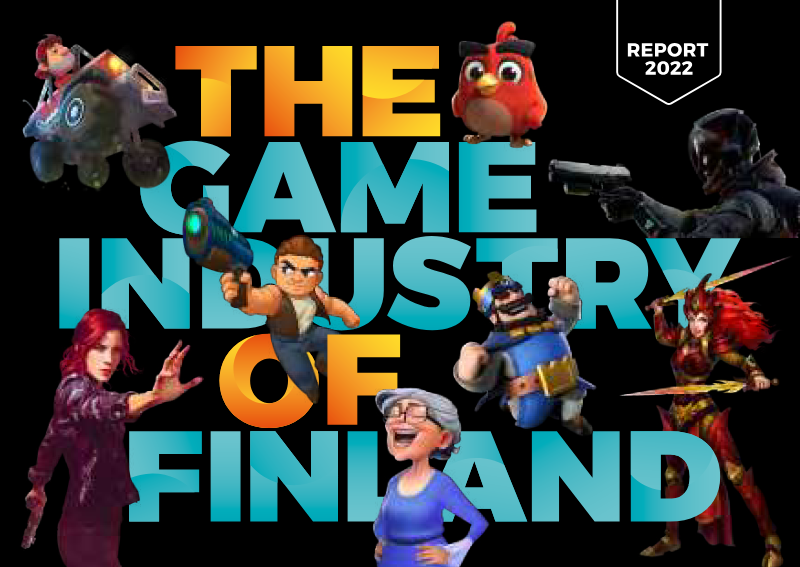
The Game Industry of Finland Report: 2022
The Finnish game industry established itself as a premier global hub between 2021 and 2022, maintaining a record annual turnover of €3.2 billion. This performance places Finland among the top five national game industries in Europe. Despite a shift toward the "games-as-a-service" model and macroeconomic headwinds that reduced the frequency of new game launches, the sector experienced a surge in startup activity and employment. By late 2022, the industry supported 232 active studios and approximately 4,100 employees, characterized by a highly international workforce and a stable presence of female professionals.
While mobile remains the dominant platform by revenue, there is a significant strategic pivot toward PC and multiplatform development, with 64% of studios now targeting the PC market. This evolution is supported by a sophisticated funding ecosystem that includes over €300 million in private investment and substantial public R&D support from Business Finland. The industry’s maturity is further evidenced by high-profile acquisitions from global giants such as Sony, Netflix, and Playtika, alongside the continued success of established leaders like Supercell, Rovio, and Remedy Entertainment.
The ecosystem is anchored in Helsinki, which accounts for the vast majority of turnover and employment, but it also benefits from thriving regional clusters in Tampere, Oulu, and Kajaani. These hubs specialize in diverse technologies ranging from VR and Web3 to simulation and narrative-driven titles. Despite challenges such as rising marketing costs due to privacy changes and a persistent talent shortage, the industry remains resilient through robust institutional support from organizations like Neogames and Suomen Pelinkehittäjät ry. This collaborative infrastructure, combined with a focus on original intellectual property and emerging technologies like Creative AI, ensures Finland’s continued influence on the global gaming landscape.
- The Finnish game industry generated a record annual turnover of €3.2 billion in 2022, securing its position as one of the top five national game markets in Europe.
- The sector comprises 232 active studios and 4,100 employees, supported by a robust funding ecosystem that includes over €300 million in private investment and significant public R&D backing from Business Finland.
- While mobile remains the primary revenue driver, 64% of studios have pivoted toward PC development, reflecting a broader strategic shift toward multiplatform releases.
- The industry is experiencing a trend of consolidation and international interest, evidenced by high-profile acquisitions from major global entities including Sony, Netflix, and Playtika.
- Helsinki remains the primary industry hub, though regional clusters in Tampere, Oulu, and Kajaani contribute specialized expertise in areas such as VR, Web3, and simulation technologies.
Suomen Pelinkehittäjät ryJan 2023
Report30 pages
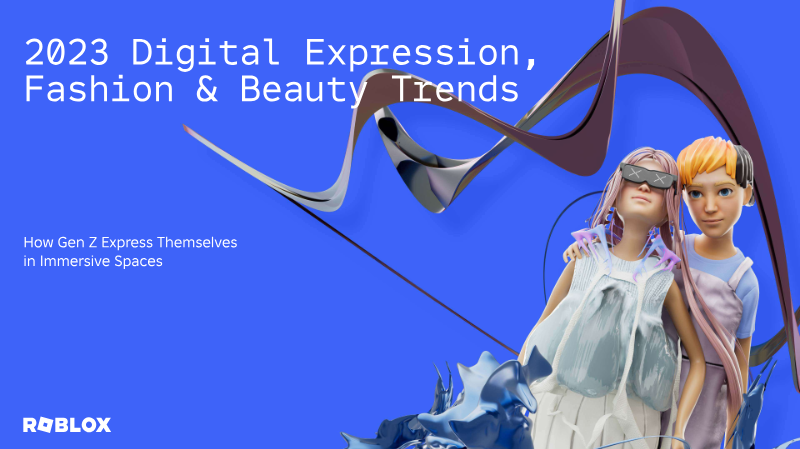
Fashion & Beauty Trends: How Gen Z Express Themselves in Immersive Spaces
This analysis explores the evolving relationship between digital identity, fashion, and physical self-expression among Gen Z consumers. The primary thesis asserts that digital avatars have become a central medium for authentic self-expression, significantly influencing physical world style, brand affinity, and mental well-being. As immersive spaces transition from mere gaming environments to social hubs, the distinction between digital and physical identity continues to blur, with a majority of users now prioritizing their virtual appearance over their physical one.
The findings are based on a dual methodology: behavioral data from the Roblox platform collected between January and September 2023, and a representative survey of 1,545 Gen Z users aged 14 to 26 in the United States and the United Kingdom. Key data points reveal a significant upward trend in engagement; total avatar updates grew 38% year-over-year to 165 billion, while purchases of digital fashion items rose 15% to 1.6 billion. Notably, 56% of Gen Z respondents stated that styling their avatar is more important than styling their physical selves, an increase from 42% in the previous year.
The research highlights a symbiotic relationship between realms, with 84% of respondents noting that their physical style is inspired by their avatar’s look. This digital-to-physical pipeline extends to commerce, as 84% of users are likely to consider a brand in the physical world after trying its items virtually. The report also emphasizes the psychological benefits of these spaces, with 88% of users crediting immersive expression with helping them feel more comfortable in the physical world. Industry segments covered include digital fashion, beauty, and music, noting a growing demand for exclusivity through limited-edition digital goods and community-created content. Overall, the data suggests that the metaverse is functioning as a low-stakes laboratory for identity, driving broader trends in gender-fluid fashion and diverse representation.
- 56% of Gen Z users now prioritize styling their digital avatars over their physical appearance, a significant increase from 42% in the previous year.
- Engagement with digital identity is surging, with Roblox users performing 165 billion avatar updates (a 38% year-over-year increase) and purchasing 1.6 billion digital fashion items (a 15% increase) between January and September 2023.
- Digital-to-physical brand influence is high, as 84% of Gen Z respondents are more likely to consider a physical-world brand after interacting with its items in an immersive space.
- Virtual spaces serve as a primary style incubator, with 84% of users reporting that their physical-world fashion choices are directly inspired by their avatar's look.
- Immersive self-expression provides tangible psychological benefits, with 88% of users stating that their virtual experiences help them feel more comfortable in the physical world.
+1
RobloxJan 2023

Report37 pages
How Starfield Reached 10M Users
The launch of Starfield represents a significant evolution in Bethesda’s marketing methodology, transitioning from traditional brand-focused teasers to a sophisticated, multi-channel digital strategy. By prioritizing TikTok, Instagram, and Twitch, the campaign successfully targeted modern gaming audiences, ultimately reaching 10 million players to become the largest launch in the studio's history. A central component of this success was the strategic integration with Microsoft’s ecosystem, which emphasized immediate availability on Xbox Game Pass and utilized AI-driven cross-promotion via Bing. This approach was bolstered by hardware partnerships with companies like AMD, which bundled the game with PC components to incentivize premium edition adoption.
The financial scale of the campaign was substantial, involving a $21.2 million advertising spend in the United States, which accounted for approximately 70% to 77% of the total global marketing budget. During the critical launch window, investment pivoted heavily toward Over-the-Top media and short-form video content. While these efforts secured a top-30 all-time peak on Steam and record-breaking player counts, the title faced a complex competitive landscape. Simultaneous releases and updates for Baldur’s Gate 3 and Cyberpunk 2077 contributed to a polarized reception, reflected in a Metacritic user score of 6.6/10 despite the game's commercial dominance.
Data-driven market intelligence remains essential for navigating such competitive environments, as evidenced by the reliance on digital monitoring tools to optimize regional targeting and creative messaging. By analyzing competitor spending and platform-specific engagement, major industry entities like Activision and Electronic Arts continue to refine their strategies. The Starfield case study illustrates that while massive financial investment and platform exclusivity can drive unprecedented user acquisition, long-term sentiment is increasingly shaped by the broader market context and the specific demands of a digitally native player base.
- Starfield achieved the largest launch in Bethesda’s history with 10 million players, driven by a $21.2 million U.S. advertising spend that represented roughly 70% to 77% of the total global marketing budget.
- The marketing strategy shifted from traditional teasers to a multi-channel digital approach, prioritizing TikTok, Instagram, Twitch, and AI-driven cross-promotion via Bing.
- Integration with the Microsoft ecosystem and immediate availability on Xbox Game Pass were central to the game's commercial scale and user acquisition.
- Hardware partnerships, specifically with AMD, successfully incentivized premium edition adoption by bundling the game with PC components.
- Despite commercial success and a top-30 all-time peak on Steam, the title received a 6.6/10 Metacritic user score, influenced by competition from Baldur’s Gate 3 and Cyberpunk 2077.
+1
Sensor TowerJan 2023
Report4 pages
Slovak Game Development Industry 2023
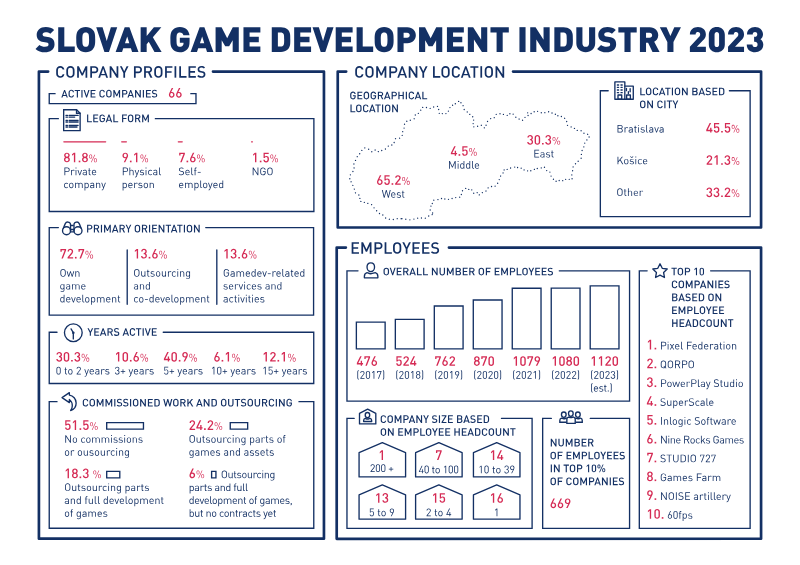
The Slovak game development industry in 2023 is characterized by a stable ecosystem of 66 active companies, primarily concentrated in the western region of the country. The sector is dominated by private entities, with 72.7% focusing on core game development and the remainder providing outsourcing or specialized services. While the industry features a mix of experience levels, over 40% of companies have been active for more than five years. The workforce has seen consistent growth, rising from 476 employees in 2017 to an estimated 1,120 in 2023. However, the industry exhibits significant centralization, with the top 10% of companies employing approximately 60% of the total workforce and generating 84.6% of the annual turnover.
Financial data indicates a mature but plateauing market, with an overall turnover of €77.1 million in 2022 and a nearly identical estimate of €76.9 million for 2023. Pixel Federation, SuperScale, and Inlogic Software lead the market in both headcount and revenue. Development is largely self-funded, though 37.9% of companies utilize public funding. PC remains the primary target platform for development, followed by mobile and consoles. Notably, half of all projects remain unpublished, while those that reach the market are predominantly self-published via digital storefronts like Steam, Google Play, and the App Store.
The labor market reveals a workforce with a median age of 30, where women represent 19% of the total headcount, primarily occupying roles in graphic arts and community management. Recruitment remains a challenge for specialized roles, particularly for programmers and game designers. To address talent shortages, nearly half of Slovak firms employ international staff, largely from Czechia and Ukraine. Operational trends show a decisive shift toward flexible work arrangements, with over 89% of companies utilizing remote or hybrid office models. Industry stakeholders express a strong desire for increased state support, specifically through tax incentives and improved education for the digital arts.
- The Slovak game industry is highly centralized, with the top 10% of companies accounting for 60% of the 1,120-person workforce and 84.6% of the total annual turnover.
- Industry revenue has plateaued, with turnover reaching €77.1 million in 2022 and an estimated €76.9 million in 2023.
- Pixel Federation, SuperScale, and Inlogic Software are the dominant market leaders in both headcount and revenue.
- The workforce has grown significantly since 2017, rising from 476 employees to 1,120 by 2023, though recruitment for specialized roles like programmers and designers remains difficult.
- While 89% of companies utilize remote or hybrid work models, firms are increasingly reliant on international talent, with nearly half employing staff from countries like Czechia and Ukraine.
+1
Slovak Game Developers AssociationJan 2023
Report68 pages
Game Developer Index 2023: Sweden
The Swedish games industry reached a significant financial milestone in 2022, with domestic revenues rising 13% to €3.1 billion and total global revenue, including foreign subsidiaries, surging 40% to €8.1 billion. This growth is characterized by a massive international footprint, as Swedish-owned companies now operate nearly 400 studios across 59 countries. Large-scale acquisitions, such as Embracer Group’s multi-billion euro purchase of Asmodee, have shifted the employment landscape, resulting in Swedish firms employing nearly twice as many people abroad as they do domestically. Within Sweden, the number of active companies grew by 20% to 939, supported by a maturing ecosystem of regional hubs and specialized educational programs.
Despite this commercial success, the industry faces a critical production capacity bottleneck driven by a chronic shortage of skilled labor. While domestic employment grew to over 8,400 positions and diversity improved—with women accounting for over 44% of new entrants—the sector remains heavily dependent on foreign recruitment to sustain its trajectory. Furthermore, Swedish startups face a competitive disadvantage due to a lack of formal financial support structures compared to other European nations, forcing many to rely on organic growth or early acquisition rather than domestic venture capital.
The sector is also navigating complex structural and environmental challenges. Sustainability efforts are increasingly focused on Scope 3 emissions, which represent over 99% of the industry’s carbon footprint, while legal and ethical concerns regarding generative AI and online radicalization have emerged as new operational risks. Geopolitical instability, particularly the war in Ukraine, continues to impact global workforces. Nevertheless, the integration of the Swedish E-sports Association into the Swedish Sports Confederation and the continued dominance of major entities like King, Mojang, and Stillfront Group underscore Sweden’s position as a premier global hub for game development and digital entertainment.
- The Swedish games industry saw total global revenue reach €8.1 billion in 2022, a 40% increase driven by aggressive international expansion and large-scale acquisitions like Embracer Group’s purchase of Asmodee.
- Domestic revenue in Sweden rose 13% to €3.1 billion in 2022, supported by a 20% growth in active companies to a total of 939 studios.
- Swedish-owned game companies now operate nearly 400 studios across 59 countries, with the industry employing nearly twice as many people abroad as it does within Sweden.
- A chronic shortage of skilled labor remains a critical production bottleneck, forcing the industry to rely heavily on foreign recruitment despite domestic employment growing to over 8,400 positions.
- Swedish startups face a competitive disadvantage due to a lack of formal domestic venture capital, often forcing them to rely on organic growth or early acquisition.
DataspelsbranschenJan 2023
Report17 pages
Mobile Games: State of the Market
The mobile gaming market in the first half of 2023 is characterized by a general decline in downloads and revenue across most genres, despite continued dominance in the broader application economy. Mobile games currently account for 29.6% of total app downloads and 51% of total revenue. The analysis, based on data from 37 countries across the App Store and Google Play, reveals a significant platform divergence: Google Play secures 88.6% of downloads, while the App Store generates 56.3% of total revenue.
Geographically, India remains the largest market for downloads with a 15.29% share, followed by Brazil and the United States. In terms of revenue, the United States leads with $5.71 billion, followed by Japan and China. While the RPG genre remains the largest revenue generator, it has experienced a gradual decline over the past two years, falling from $5.9 billion in the first half of 2022 to $4.4 billion in the same period of 2023. Casual games maintain the largest download share in most Western markets, whereas Action and Strategy genres show higher resonance in regions such as Southeast Asia and the Middle East.
The advertising landscape shows a shift toward video content, which now accounts for 72% of all gaming creatives. Although the total number of advertisers on Android saw a slight decrease, the gaming sector specifically experienced a 22% year-over-year growth in the number of advertisers. In total, gaming apps generated 8.9 million creatives during this period, representing 56% of all mobile advertising creatives. Top-performing titles like Subway Surfers and Roblox continue to lead in downloads, while Coin Master and Honor of Kings remain top revenue earners across their respective platforms.
- Mobile gaming revenue and downloads declined globally in the first half of 2023, though the sector still accounts for 51% of total app revenue and 29.6% of total downloads.
- The United States leads global mobile gaming revenue with $5.71 billion, while India holds the largest share of global downloads at 15.29%.
- Platform performance remains split: Google Play dominates volume with 88.6% of total downloads, while the App Store captures 56.3% of total revenue.
- The RPG genre, while still the top revenue generator, saw a significant decline from $5.9 billion in H1 2022 to $4.4 billion in H1 2023.
- Gaming apps account for 56% of all mobile advertising creatives, with video content representing 72% of those assets.
AppticaJan 2023
Report50 pages
Mobile App Trends 2023: Japan Edition
Japan’s mobile app market is undergoing a significant recovery following a downturn in 2022, characterized by a 12% surge in consumer spending to $4.65 billion in the first quarter of 2023. This resurgence is primarily anchored by the gaming sector, which generated $3.14 billion during the same period. Role-playing games and simulation titles remain the dominant forces in the region, leading in both installation volume and user retention. While iOS remains the preferred platform for the majority of Japanese mobile users, accounting for over 60% of gaming and fintech engagement, the market is defined by a unique tension between high engagement and strict data privacy preferences, as evidenced by opt-in rates that consistently trail global averages.
Beyond gaming, the e-commerce and fintech sectors are experiencing robust expansion. Marketplace apps currently command nearly half of all e-commerce installs, contributing to a projected annual revenue of $156.3 billion. Simultaneously, fintech adoption is accelerating, with crypto-related applications seeing a 134% quarterly increase in installs. Despite these growth metrics, developers face persistent challenges regarding user loyalty, as evidenced by declining retention rates and shorter session durations in the e-commerce vertical. This necessitates a shift toward more sophisticated user acquisition strategies that balance personalization with privacy-compliant data aggregation.
The advertising landscape is also evolving rapidly with the rise of Connected TV (CTV) as a critical growth channel. With household ownership of internet-connected televisions reaching 30 million, the CTV ad market is projected to hit 169.5 billion yen by 2025. This medium offers higher audience receptivity and superior ad quality compared to traditional mobile formats. To maintain momentum through 2023 and beyond, marketers must diversify their channel mix and leverage cross-device measurement tools to optimize return on investment across both mobile and television platforms.
- Japan's mobile market recovered in Q1 2023 with a 12% surge in consumer spending to $4.65 billion, driven largely by the gaming sector's $3.14 billion contribution.
- The Japanese advertising landscape is shifting toward Connected TV (CTV), with the market projected to reach 169.5 billion yen by 2025 as household ownership hits 30 million.
- Fintech adoption is accelerating rapidly in Japan, highlighted by a 134% quarterly increase in installations for crypto-related applications.
- Role-playing and simulation games remain the dominant categories for both installation volume and user retention in the Japanese mobile market.
- iOS maintains a dominant position in Japan, accounting for over 60% of gaming and fintech engagement, despite a market-wide trend of low opt-in rates for data tracking.
+1
AdjustJan 2023
Report25 pages
The State of Mobile Gaming in India: A Look at India's Casual, Hyper-Casual, and Real Money Gaming App Industry Trends
This analysis examines the rapid expansion and evolving user behavior within the Indian mobile gaming market, focusing on the casual, hyper-casual, and real-money gaming (RMG) segments. The primary thesis asserts that while the COVID-19 pandemic and increased smartphone penetration triggered a massive "gold rush" in installs and engagement, the industry now faces a critical inflection point. As organic growth stabilized in 2022, the focus for developers has shifted from simple acquisition to sophisticated, insights-led retention and monetization strategies to sustain long-term profitability.
Key findings value the Indian gaming industry at $2.6 billion, with projections to reach $8.6 billion by 2027. Data indicates that India has surpassed the United States in terms of user base, exceeding 300 million gamers. During the 2021 pandemic waves, casual games saw a 90% uplift in installs, while RMG apps experienced significant revenue fluctuations, including a 35% increase in April 2021. However, the data reveals a downward trend in "stickiness" and installs moving into 2022, highlighting a retention crisis where 68% of users engage with an app fewer than ten times.
The scope of the research covers the Indian market from 2021 through the first quarter of 2022, utilizing data from over 100 gaming brands. The methodology relies on a combination of market analysis from MoEngage, AppTweak, and AppsFlyer, incorporating normalized trends in installs, In-App Advertising (IAA), and In-App Purchases (IAP).
The conclusions emphasize that technical optimization and personalized engagement are mandatory for survival. Effective strategies identified include App Store Optimization (ASO) to improve discoverability, RFM (Recency, Frequency, Monetary) segmentation to target "champion" players, and the use of predictive AI to prevent churn. The findings suggest that brands utilizing multi-channel engagement platforms can achieve push notification conversion rates as high as 91%, which is essential for navigating India's highly competitive and maturing digital landscape.
- The Indian gaming industry is projected to grow from $2.6 billion in 2022 to $8.6 billion by 2027, supported by a user base exceeding 300 million gamers.
- The industry is facing a significant retention crisis, with 68% of users engaging with a gaming app fewer than ten times.
- Following a pandemic-era surge where casual game installs rose 90% and RMG revenue grew 35% in April 2021, organic growth stabilized and declined throughout 2022.
- Brands utilizing multi-channel engagement platforms can achieve push notification conversion rates as high as 91%.
- To combat churn and sustain profitability, developers must shift from acquisition-focused models to strategies like RFM (Recency, Frequency, Monetary) segmentation and predictive AI.
+2
MoEngageJan 2023
Report50 pages
Mobile App Trends: 2023 Edition
The mobile application market entered a period of significant transition in 2023, navigating a complex landscape defined by economic volatility and evolving privacy regulations. Despite these headwinds, the industry achieved a record half-trillion dollars in combined advertising and consumer spending. While global advertising growth slowed to 14% and consumer spending experienced a marginal 2% decline, the sector demonstrated remarkable resilience through strategic adaptations. Key shifts include a rising App Tracking Transparency (ATT) opt-in rate of 29% and an increased reliance on media mix modeling and Connected TV (CTV) to optimize return on investment in a privacy-centric environment.
Sector-specific performance reveals a stark contrast between industries. Fintech and e-commerce emerged as primary growth drivers, with fintech in-app revenue surging over 90% between late 2022 and early 2023. E-commerce sessions grew by 12%, supported by record-breaking revenue peaks in late 2022. Conversely, the mobile gaming industry faced its most challenging year on record in 2022, marked by a 12% decline in installs and a 9% drop in consumer spending. However, early 2023 data indicates a nascent recovery for gaming, with installs and sessions rebounding by 10% and 11% respectively over previous averages.
The current market environment necessitates a shift from broad acquisition strategies toward long-term user retention and sophisticated measurement. As retention and "stickiness" remain persistent challenges across all verticals, developers are increasingly prioritizing reattribution campaigns, personalized onboarding, and loyalty programs. Success in the coming years depends on the adoption of advanced analytics and cross-platform insights to navigate data-privacy requirements. By leveraging these tools, stakeholders can effectively drive user acquisition and maximize lifetime value in an increasingly competitive global marketplace.
- The mobile app market reached a record half-trillion dollars in combined advertising and consumer spending in 2023, despite a 2% decline in consumer spending and a cooling of advertising growth to 14%.
- Fintech in-app revenue surged by over 90% between late 2022 and early 2023, while e-commerce sessions grew by 12%.
- After a difficult 2022 that saw a 12% decline in installs and a 9% drop in consumer spending, the mobile gaming sector showed early 2023 signs of recovery with a 10% increase in installs and an 11% rise in sessions.
- App Tracking Transparency (ATT) opt-in rates reached 29%, forcing developers to shift toward media mix modeling and Connected TV (CTV) to maintain ROI in a privacy-centric landscape.
- Market strategy is pivoting from broad user acquisition toward long-term retention, utilizing personalized onboarding, loyalty programs, and reattribution campaigns to combat persistent stickiness challenges.
+3
AdjustJan 2023
Report27 pages
From Hyper to Hybrid: Hypercasual Gaming Trends 2023
The mobile gaming landscape is undergoing a significant structural shift as developers transition from hyper-casual models toward hybrid-casual strategies. This evolution is driven by a marked decline in ad revenue profitability, influenced by the implementation of App Tracking Transparency on iOS, shifting post-pandemic user behaviors, and increased selectivity from major publishers. To maintain sustainability, developers are increasingly integrating in-app purchases and meta-gameplay components into their titles while opting for self-publishing models to retain greater control over their assets.
Data from 2022 reveals a downward trend in ad impressions and eCPMs across both Android and iOS platforms. Conversely, the volume of in-app purchases grew on both operating systems, signaling a successful pivot toward diversified monetization. Geographically, the United States remains the dominant market, ranking first for both ad revenue and in-app purchases across platforms. India emerged as the leading territory for total installs on Android, highlighting the importance of emerging markets for scale, even as monetization remains concentrated in Tier 1 regions.
The competitive landscape for ad networks and monetization channels shows distinct leaders. Apple Search Ads dominates the iOS ecosystem, securing the top position in multiple categories including retention and lifetime value. On Android, AppLovin and ironSource lead the market. AppLovin specifically stands out as the top monetization channel by total ad revenue on both operating systems. For eCPM performance, Meta Audience Network and ironSource lead on Android and iOS respectively.
These findings are based on anonymized data collected throughout the 2022 calendar year, utilizing a weighted average methodology. The analysis focuses on high-scale performance, only including countries and ad networks that exceeded a threshold of 25 million installs. This comprehensive view underscores a broader industry movement where the traditional reliance on pure advertising is being replaced by a more balanced, hybrid approach to game design and revenue generation.
- The mobile gaming industry is shifting from hyper-casual to hybrid-casual models, driven by declining ad revenue profitability and the impact of iOS App Tracking Transparency.
- Developers are increasingly adopting in-app purchases and meta-gameplay components to replace the traditional reliance on pure advertising revenue.
- Data from 2022 shows a consistent downward trend in ad impressions and eCPMs across both Android and iOS platforms, while in-app purchase volume grew.
- The United States remains the primary market for both ad revenue and in-app purchases, while India leads in total Android installs, emphasizing the split between scale in emerging markets and monetization in Tier 1 regions.
- AppLovin is the leading monetization channel by total ad revenue across both iOS and Android platforms.
+1
TenjinJan 2023
Report32 pages
Mobile Gaming Loyalty Report 2023
The Mobile Gaming Loyalty Report examines the drivers of player engagement, retention, and spending across the mobile landscape. By combining a longitudinal benchmark of 500 games with a survey of 3,000 mobile gamers in the US and Canada during 2023, the analysis establishes a Loyalty Index based on six key monetization and engagement KPIs. The findings emphasize that while user acquisition remains expensive, maximizing the lifetime value of existing players through loyalty-centric design is essential for sustainable growth.
Role-Playing Games (RPGs) emerge as the most loyal genre, scoring 75 out of 100 on the index due to deep gameplay loops and compounding monetization systems that encourage high-value, frequent spending. Strategy games follow closely, excelling in repeat purchases and session frequency. Conversely, Lifestyle games lead in average sessions per user, utilizing bite-sized tasks and emotional storytelling to drive incremental spending. Data indicates a significant gap between average and top-quartile performers in genres like Casino and Sports, suggesting substantial room for optimization in retention and spender conversion.
Consumer behavior insights reveal a disconnect between play and spend habits; while over 77% of spenders rotate between two to seven games weekly, 53% concentrate their spending on a single title. Progression is the primary motivator for both continued play and in-app purchases, whereas "pay-to-win" mechanics and poorly received updates are leading causes of churn. Notably, 39% of players will abandon a game if a bad update is not corrected within a week. High-value spenders, defined as those spending over $100, exhibit more demanding standards for app store ratings and customer service.
Marketing effectiveness is heavily influenced by authenticity and social proof. Over 71% of gamers demand real gameplay footage in advertisements, and 60% consider app store ratings and reviews crucial for downloads. While digital ads remain the primary discovery tool, word-of-mouth ranks as a top-three acquisition source. Additionally, there is a strong interest in play-and-earn mechanics, with 84% of respondents open to trying games that offer tangible rewards.
- Progression is the primary driver for both retention and in-app spending, while 'pay-to-win' mechanics and poorly received updates are the leading causes of player churn.
- 53% of mobile spenders concentrate their financial investment on a single title, even though 77% of spenders rotate between two to seven games weekly.
- RPGs are the most loyal genre with a 75/100 Loyalty Index score, driven by deep gameplay loops and compounding monetization systems.
- 39% of players will abandon a game if a negative update is not corrected within one week, highlighting the critical need for rapid response to player feedback.
- Marketing effectiveness relies on authenticity, as 71% of gamers demand real gameplay footage in advertisements and 60% rely on app store ratings for discovery.
+3
MistplayJan 2023
Report68 pages
The State of Mobile Gaming 2023: Mobile Gaming Market Trends and Top Titles in the U.S., Europe, and Asia
The global mobile gaming landscape underwent a significant structural transition in 2022, characterized by a 14% decline in total player spending from its 2021 peak alongside a stabilization of download volumes at approximately 13.8 billion per quarter. While major markets such as the United States, Japan, and South Korea experienced revenue contractions, China emerged as the second-largest market globally, and India solidified its position as the leader in download volume, accounting for 17% of total installs. This period marked a definitive shift away from the hypercasual genre, which saw an 18% decline in downloads due to rising user acquisition costs and broader economic pressures.
In response to these market pressures, the industry is pivoting toward a hybridcasual model that blends accessible core mechanics with sophisticated mid-core monetization and meta-progression features. This emerging segment grew by 13% and generated $1.4 billion in revenue, driven by significantly higher player engagement than traditional casual titles. Success in the current environment is increasingly dictated by the effective use of Live Ops, which now accounts for 97% of revenue among top-grossing games. Features such as character collection and social clan systems have become essential for maintaining high engagement levels and driving long-term player retention.
While established genres like RPGs and shooters faced revenue declines, the action genre grew by 9%, and subscription-based models gained momentum, exemplified by the expansion of ad-free gaming catalogs. Conversely, the crypto and NFT gaming sector experienced a sharp downturn, with downloads falling from 46 million to 29 million and revenue dropping by 35%. Despite the overall contraction in spending, the market remains larger than pre-pandemic levels, with legacy titles like Honor of Kings and Subway Surfers maintaining dominance in revenue and download rankings, respectively, across a diversifying global audience.
- Global mobile gaming revenue declined 14% in 2022 from its 2021 peak, though total market size remains above pre-pandemic levels.
- The hypercasual genre saw an 18% decline in downloads, while the hybridcasual model grew by 13% to reach $1.4 billion in revenue.
- Live Ops are now critical to commercial success, accounting for 97% of revenue among top-grossing titles through features like character collection and social clans.
- India leads the global market in volume, accounting for 17% of total mobile game installs, while China has solidified its position as the second-largest market by revenue.
- The crypto and NFT gaming sector faced a significant downturn in 2022, with downloads falling to 29 million and revenue dropping by 35%.
+2
Sensor TowerJan 2023
Report58 pages
PC & Console Gaming Report 2023
The PC and console gaming market entered a corrective phase in 2022, generating $92.3 billion in revenue despite a 2.2% year-on-year decline and a 15% drop in playtime. This contraction represents a stabilization toward pre-pandemic levels rather than a long-term downturn, as the market still outperformed pre-COVID forecasts by more than $32 billion. While total engagement fell, particularly among hardcore players who reduced playtime by 37%, the industry maintains a massive global audience of 1.1 billion PC and 611 million console players. This foundation is increasingly defined by a shift toward recurring revenue, with microtransactions and downloadable content now accounting for nearly half of all consumer spending.
Market dynamics are currently shaped by the dominance of established live-service titles and the successful integration of transmedia strategies. Games like Fortnite and Roblox continue to lead in monthly active users, while media adaptations have proven effective at revitalizing older intellectual properties. The player base has also become more diverse and socially driven, with women comprising 40% of the audience and 72% of users engaging across multiple platforms. Beyond traditional gameplay, three-quarters of players participate in social activities or content creation, indicating that gaming has evolved into a broader lifestyle ecosystem where multi-platform "core gamers" represent the highest-value consumer segment.
The outlook for 2023 and beyond suggests a robust recovery fueled by stabilized hardware supply chains and a dense schedule of highly anticipated blockbuster releases. While PC revenue is expected to grow steadily, console gaming is positioned as the primary driver of market expansion over the next three years. High consumer awareness for upcoming major titles, combined with the continued pivot toward hybrid monetization and cross-media expansion, points toward a resilient industry capable of sustaining growth well above historical norms. This trajectory reinforces the transition of the sector from a product-based model to a service-oriented landscape defined by long-term engagement and social connectivity.
- The PC and console market generated $92.3 billion in 2022, representing a 2.2% year-on-year decline that signals a stabilization toward pre-pandemic levels rather than a long-term downturn.
- Microtransactions and downloadable content now account for nearly 50% of total consumer spending, reflecting a fundamental industry shift from product-based sales to a service-oriented model.
- Engagement metrics saw a significant contraction in 2022, with total playtime dropping 15% and hardcore player activity falling by 37%.
- The industry maintains a massive reach of 1.1 billion PC players and 611 million console players, with 72% of users now engaging across multiple platforms.
- Console gaming is projected to be the primary driver of market expansion over the next three years, supported by stabilized hardware supply chains and a dense pipeline of blockbuster releases.
+2
NewzooJan 2023
Report57 pages
Gaming Report 2023
The global gaming industry in 2023 is defined by a strategic shift toward development efficiency and long-term player retention. Studios are increasingly prioritizing speed to market, with 62% of indie developers now shipping titles in under a year. This acceleration is largely fueled by the widespread adoption of premade assets and a reduction in average developer hours. While large studios are expanding their reach through a 16% increase in multiplatform development, indie studios remain predominantly focused on single-platform desktop releases. Simultaneously, there is a notable pivot toward mobile production, where global daily active users have risen by 8% despite a slight decline in the number of paying players.
Monetization strategies are evolving to address this shift in player behavior, moving toward a balanced model where ad-supported structures and in-app purchases hold nearly equal weight. To ensure financial viability, 70% of studios now integrate monetization and LiveOps within the first 30 days of development. This early focus on the product lifecycle has contributed to a 33% increase in the average game lifespan, supported by frequent core content updates and a 27% rise in battle pass adoption. Emerging markets, particularly in regions like Kazakhstan, are driving a 15.7% year-over-year increase in total game builds, signaling a lower barrier to entry for new creators.
Looking forward, the industry is embracing generative AI and user-generated content to streamline workflows and deepen engagement. The rise of "hybrid-casual" mobile games reflects a broader trend of blending accessible mechanics with sophisticated retention loops. Success in the current economic climate requires rigorous scope control and a transition from simple user acquisition to the maintenance of long-term player relationships. By leveraging achievements, community building, and real-time operational updates, developers are successfully extending the relevance and profitability of their titles in an increasingly competitive global market.
- To ensure financial viability, 70% of studios now integrate monetization and LiveOps within the first 30 days of development, contributing to a 33% increase in average game lifespans.
- Development efficiency has accelerated, with 62% of indie developers now shipping titles in under a year by utilizing premade assets and reducing average developer hours.
- Monetization models are shifting toward a balance between ad-supported structures and in-app purchases, supported by a 27% rise in battle pass adoption.
- Mobile gaming daily active users have grown by 8%, even as the industry sees a slight decline in the number of paying players.
- Large studios have increased multiplatform development by 16%, while emerging markets like Kazakhstan are driving a 15.7% year-over-year increase in total game builds.
+2
UnityJan 2023