Japan’s mobile app market is undergoing a significant recovery following a downturn in 2022, characterized by a 12% surge in consumer spending to $4.65 billion in the first quarter of 2023. This resurgence is primarily anchored by the gaming sector, which generated $3.14 billion during the same period. Role-playing games and simulation titles remain the dominant forces in the region, leading in both installation volume and user retention. While iOS remains the preferred platform for the majority of Japanese mobile users, accounting for over 60% of gaming and fintech engagement, the market is defined by a unique tension between high engagement and strict data privacy preferences, as evidenced by opt-in rates that consistently trail global averages.
Beyond gaming, the e-commerce and fintech sectors are experiencing robust expansion. Marketplace apps currently command nearly half of all e-commerce installs, contributing to a projected annual revenue of $156.3 billion. Simultaneously, fintech adoption is accelerating, with crypto-related applications seeing a 134% quarterly increase in installs. Despite these growth metrics, developers face persistent challenges regarding user loyalty, as evidenced by declining retention rates and shorter session durations in the e-commerce vertical. This necessitates a shift toward more sophisticated user acquisition strategies that balance personalization with privacy-compliant data aggregation.
The advertising landscape is also evolving rapidly with the rise of Connected TV (CTV) as a critical growth channel. With household ownership of internet-connected televisions reaching 30 million, the CTV ad market is projected to hit 169.5 billion yen by 2025. This medium offers higher audience receptivity and superior ad quality compared to traditional mobile formats. To maintain momentum through 2023 and beyond, marketers must diversify their channel mix and leverage cross-device measurement tools to optimize return on investment across both mobile and television platforms.
Adjust · 2026
Adjust · 2026
Adjust · 2025

Adjust · 2025

Adjust · 2025

Adjust · 2025
Adjust · 2025

Adjust · 2025

Adjust · 2025

Adjust · 2024

Sensor Tower · 2024

Adjust · 2024
GREE · 2021
Bandai Namco · 2019
Mistplay
Bryter · 2026
GameAnalytics · 2026

Sensor Tower · 2026
GamesBeat · 2026
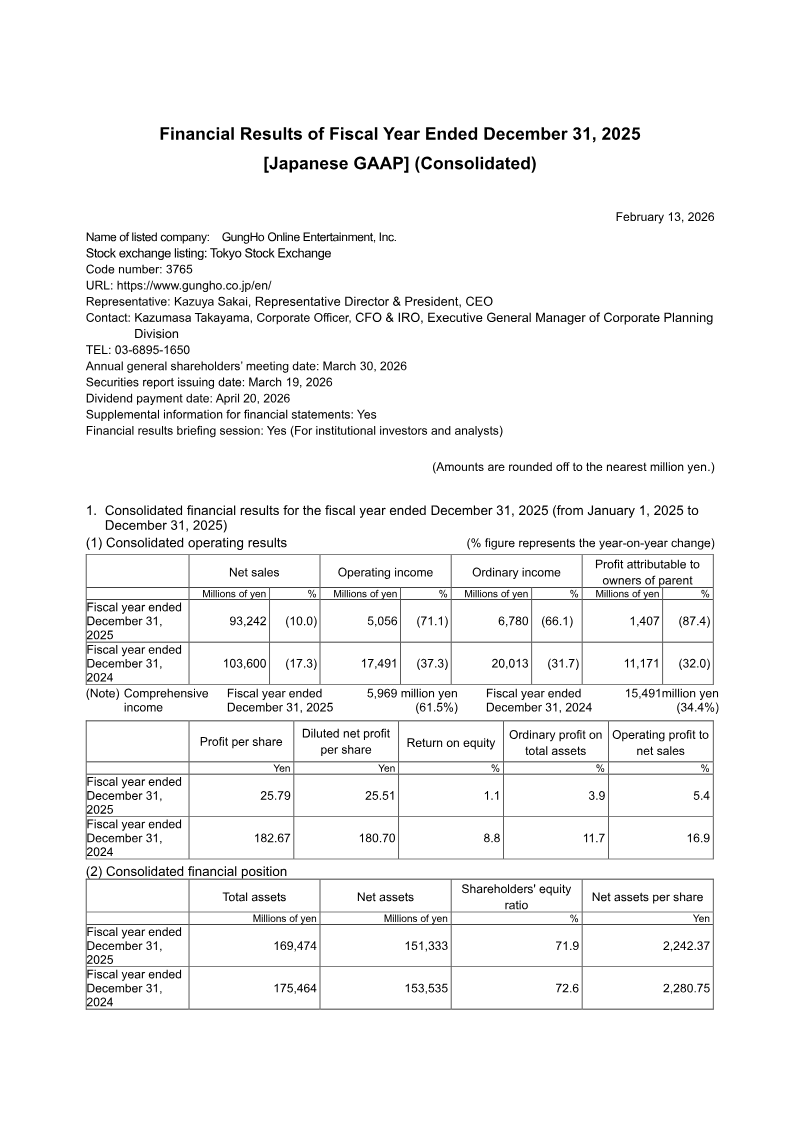
GungHo Online Entertainment · 2026
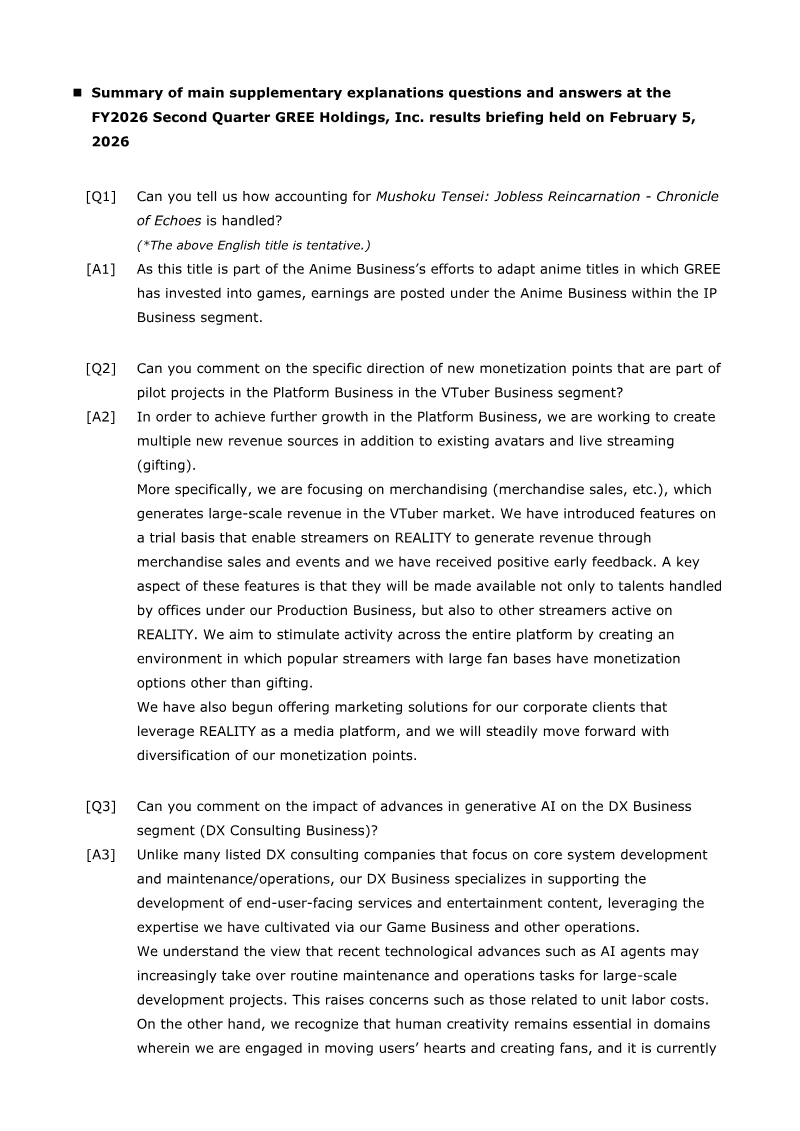
GREE · 2026
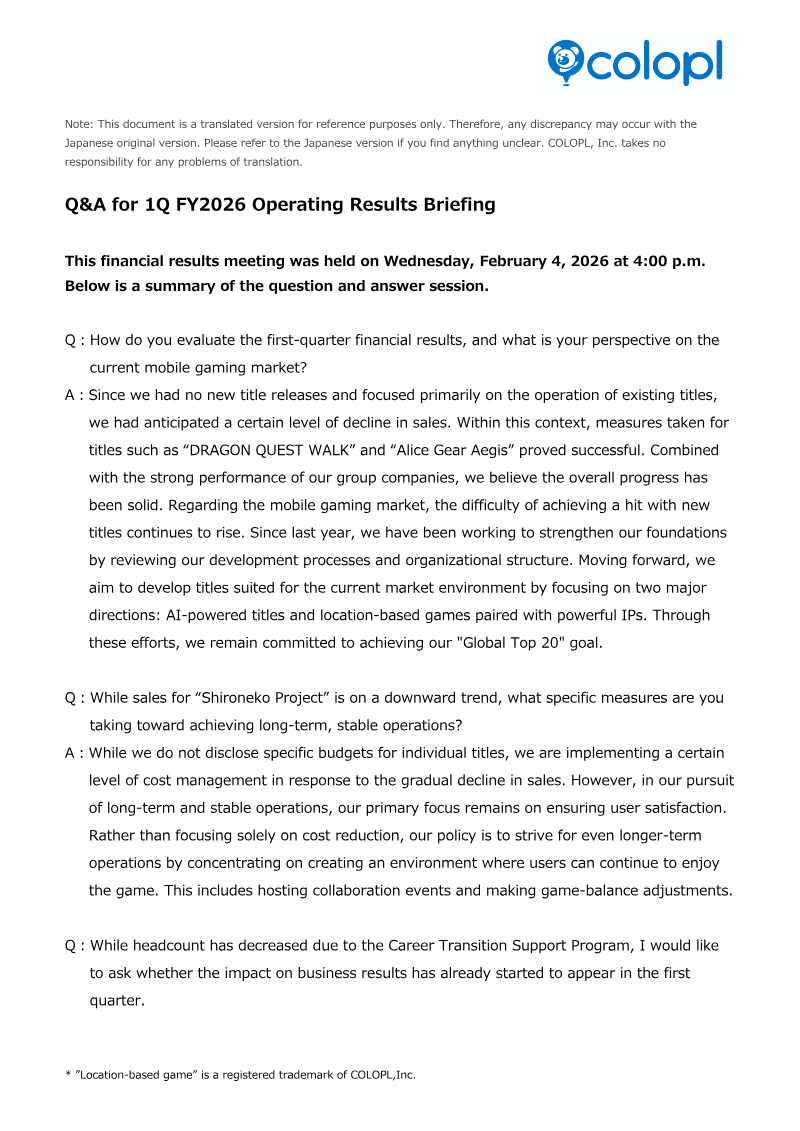
COLOPL · 2026

InvestGame · 2026
Bryter · 2026