What Remains of Edith Finch
4 documents in the library are about What Remains of Edith Finch, from writers such as Game Developers Conference and Naavik, the newest from 2023. Each has a summary and key insights with the page they come from.

What Remains of Edith Finch is a collection of short stories about a cursed family in Washington State. Each story offers a chance to experience the life of a different family member with stories ranging from the early 1900s to the present day. The gameplay and tone of the stories are as varied as the family members themselves. The only constants are that each is played from a first-person perspective and that each story ends with that family member's death. It's a game about what it feels like to be humbled and astonished by the vast and unknowable world around us. You'll follow Edith Finch as she explores the history of her family and tries to figure out why she's the last Finch left alive.
- Released
- Apr 24, 2017
- Developer
- Giant Sparrow
- Publisher
- Annapurna Interactive
- Genres
- Puzzle, Adventure, Indie
- Platforms
- Xbox Series X|S, PlayStation 4, PC (Microsoft Windows), iOS, PlayStation 5, Mac, Xbox One, Nintendo Switch
- Links
- Wikipedia
Game data from IGDB.com
Documents about What Remains of Edith Finch
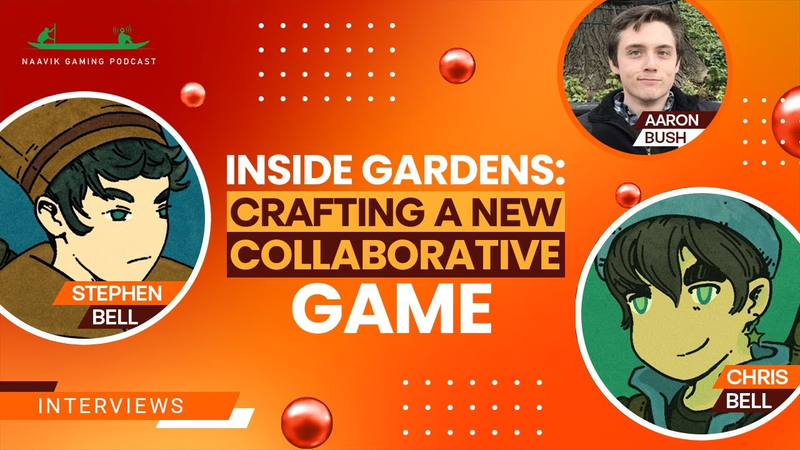
Inside Gardens: From Journey, Sky & Edith Finch to a New Collaborative Game
Gardens is a newly established game studio founded by industry veterans behind titles like Journey, Sky: Children of the Light, and What Remains of Edith Finch.
- Gardens, a studio founded by veterans of Journey, Sky, and What Remains of Edith Finch, has secured $31.3 million in Series A funding from investors including Lightspeed, Krafton, and DreamHaven.
- The studio is developing an ever-evolving fantasy action RPG that integrates cooperative and competitive elements, aiming to foster spontaneous player interaction and emergent narrative.
- The company is prioritizing long-term sustainability by building a foundation for multi-decade titles rather than relying on traditional linear storytelling or interactive movie models.
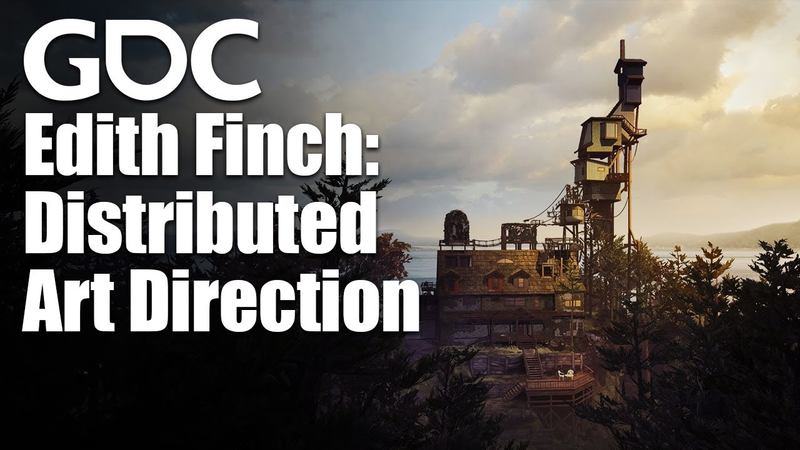
The Distributed Art Direction of Edith Finch
The development of What Remains of Edith Finch serves as a case study in distributed art direction, where a small, independent team successfully navigated the absence of a singular art director by prioritizing iterative collaboration and shared creative goals.
- Giant Sparrow successfully developed What Remains of Edith Finch over a five-year cycle using a decentralized, non-hierarchical art direction model rather than a traditional top-down structure.
- The team utilized a 'just-in-time' methodology, allowing the visual style to evolve organically alongside gameplay mechanics and narrative requirements rather than adhering to a rigid pre-planned aesthetic.
- To ensure high-quality, story-driven environmental design, the team produced approximately three times the amount of material that was ultimately included in the final game.
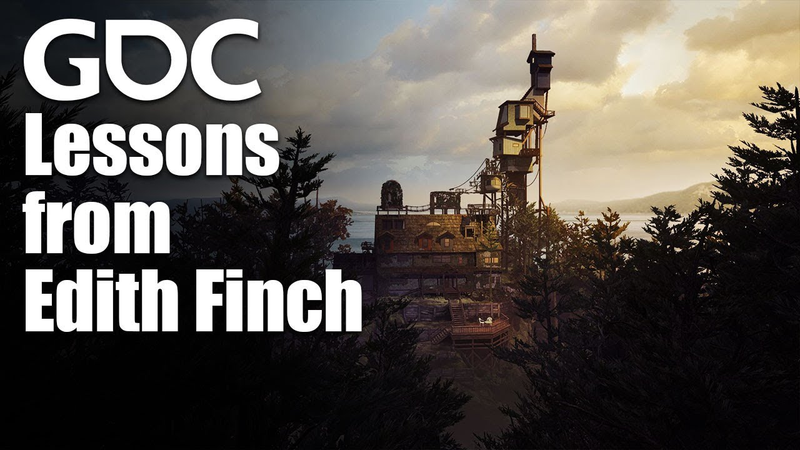
Weaving 13 Prototypes into 1 Game: Lessons from Edith Finch
The development of What Remains of Edith Finch demonstrates that prioritizing emotional resonance and the concept of the sublime over traditional mechanical complexity is a viable strategy for creating cohesive narrative experiences.
- Giant Sparrow developed What Remains of Edith Finch with a team that scaled from 3 to 15 members, utilizing a prototyping-first approach to ensure each mechanic felt unique and intuitive without the need for traditional tutorials.
- To maintain creative alignment across the team, the project was guided by three core pillars—sublime, intimate, and murky—which served as a shorthand for decision-making and artistic direction.
- The team avoided rigid, long-term production maps in favor of iterative, direction-based development, acknowledging that static planning tools often become inaccurate and hinder the discovery of unexpected, high-quality gameplay moments.
GDC Live Stream
The 20th Independent Games Festival and the 18th Game Developers Choice Awards serve as a comprehensive celebration of the global gaming industry’s evolution, emphasizing a shift toward diverse storytelling, technical innovation, and inclusive design.
- The 20th Independent Games Festival and 18th Game Developers Choice Awards recognized nearly 600 applicants, reflecting an independent sector that now matches major publishers in production standards.
- The Legend of Zelda: Breath of the Wild won Game of the Year, while Night in the Woods received the Seamus McNally Grand Prize, highlighting an industry trend toward deep, narrative-driven storytelling.
- Technical and artistic excellence was formally recognized in titles including Horizon Zero Dawn, Cuphead, and What Remains of Edith Finch, emphasizing the importance of sound, visual design, and mechanics.