Killzone
Game
4 documents in the library are about Killzone, from writers such as Game Developers Conference, Extra Credits and Jason Schreier. Each has a summary and key insights with the page they come from.
Connections
The documents about Killzone on the inner ring, the other games and companies they name on the outer one. Select a cover to see it up close and open it in a new tab; drag to move, pinch or Ctrl + scroll to zoom.
Documents about Killzone
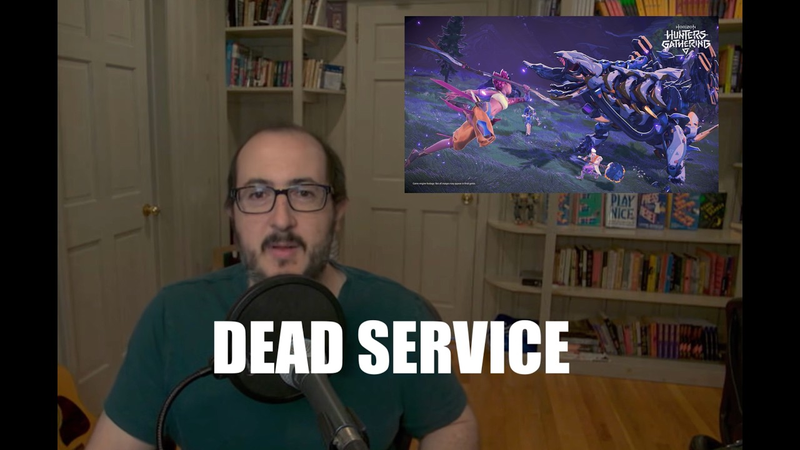
PlayStation's Live-Service Initiative Could Not Have Gone Worse
PlayStation’s strategic pivot toward live-service gaming, initiated around 2020–2021 with the goal of launching a dozen such titles by 2026, has largely failed to yield the intended results.
- Sony's live-service initiative, which aimed to launch a dozen live-service titles by 2025-2026, has largely failed, resulting in significant resource depletion and the cancellation of multiple high-profile projects.
- Guerrilla Games has rebooted 'Horizon Hunters: Gathering' following poor performance in playtests conducted throughout 2026, casting doubt on the project's future.
- Naughty Dog canceled its 'The Last of Us' online project in 2023 to avoid the long-term resource trap of becoming a dedicated live-service studio.
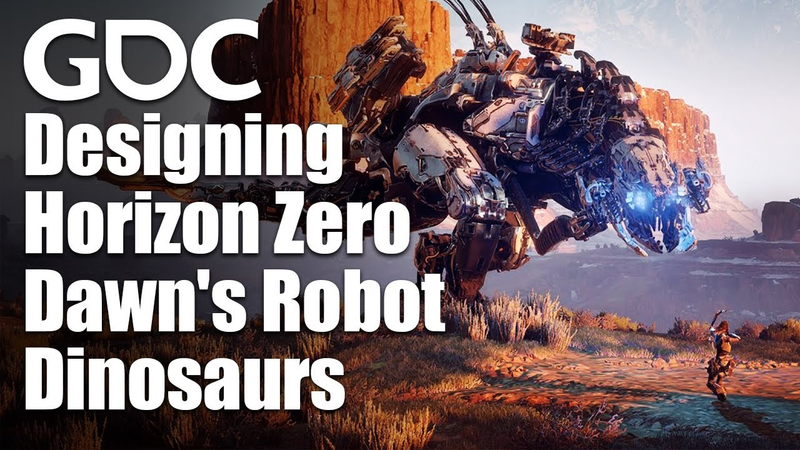
A No-Nonsense Approach to Designing Horizon Zero Dawn's Robot Dinosaurs
Guerrilla Games developed Horizon Zero Dawn to revitalize its creative output following a decade of work on the Killzone franchise.
- Guerrilla Games developed Horizon Zero Dawn to pivot away from the Killzone franchise and establish a distinct, vibrant post-apocalyptic intellectual property.
- The design team utilized intrinsic ideation, a methodology that grounds all visual elements, architecture, and societal structures in logical environmental and resource-based constraints.
- To ensure intuitive combat, the studio transitioned from military-inspired aesthetics to biomimetic designs modeled after real-world animal and dinosaur behaviors.
Zen and the Art of Game Audio Maintenance
The art of game audio maintenance centers on managing the complex relationship between creative ambition, technological constraints, and the high-pressure environment of game development.
- Audio designers should adopt a cyclical workflow based on project states—pre-wave, wave, and post-wave—to manage the technical and psychological pressures of game development.
- During the pre-wave phase, designers must map the entire signal chain and implement standardized test signals like pink noise to ensure consistent hardware calibration.
- Proactive signal verification allows for the rapid identification of hardware failures, such as blown tweeters, which are often obscured by the complexity of a full game mix.

What Does Tomorrow Look Like? - How We Envision the Future - Extra Credits
The visual representation of the future has historically served as a mirror for contemporary societal anxieties and aspirations.
- Modern video games frequently rely on derivative mash-ups of 20th-century tropes rather than creating original aesthetic identities that reflect contemporary global concerns.
- The lack of a cohesive, modern vision for the future prevents the gaming industry from effectively engaging with the complexities of current societal issues.
- Historical aesthetic movements, such as 1920s Art Deco, 1960s space-age idealism, and 1980s cyberpunk, provided a shared cultural vocabulary that contemporary media currently lacks.
Companies behind it
As the documents state it.