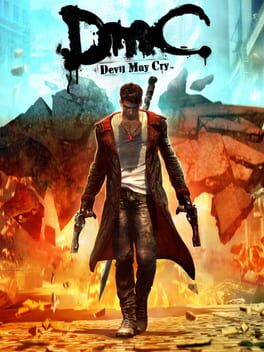
DmC: Devil May Cry
GameBy Ninja Theory · Released Jan 2013
DmC: Devil May Cry is the fifth game in the hack-and-slash third-person action series and the first not largely developed by Capcom. This title is a reimagining of the series, with the same protagonist Dante, but set in an alternate universe.
Connections
Each row is a game or company named alongside DmC: Devil May Cry, each column a document, oldest first. A mark means that document names it. Select a row to see those documents.
About the game
- Released
- Jan 2013
- Developer
- Ninja Theory
- Publisher
- Capcom
- Genres
- Puzzle, Hack and slash/Beat 'em up, Adventure
- Platforms
- PlayStation 3, PC (Microsoft Windows), Xbox 360
Game data from IGDB.com
Documents about DmC: Devil May Cry
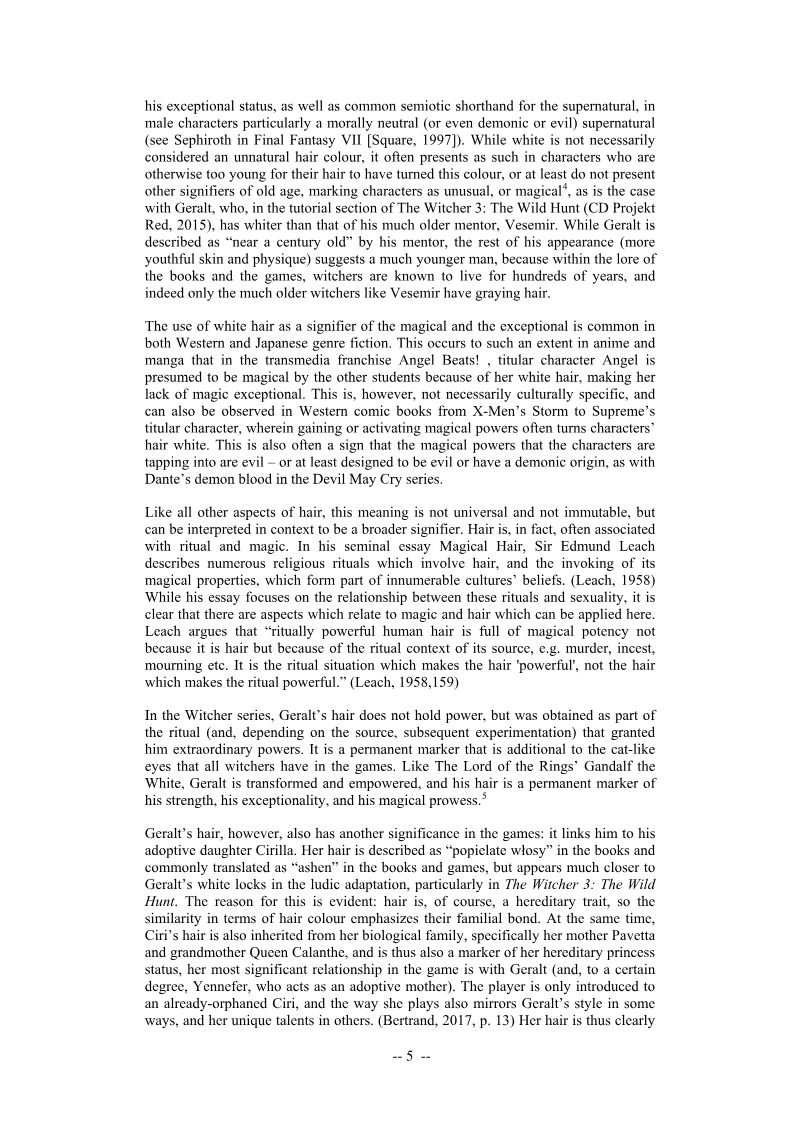
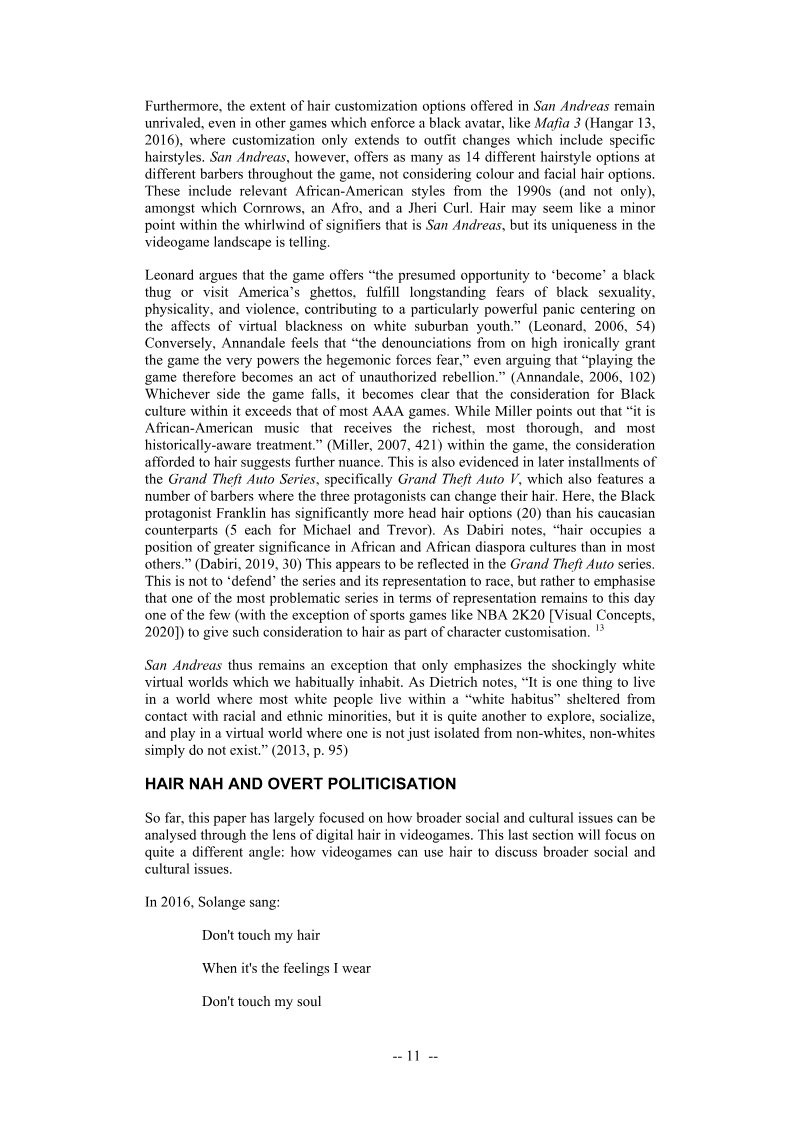
Flow It, Show It, Play It: Hair in Digital Games
"Flow It, Show It, Play It: Hair in Digital Games" examines the multifaceted role of digital hair in video games, asserting that hair is not merely an aesthetic element but a potent carrier of social, cultural, and political meaning.
- Hair in video games is treated as a meaningful cultural text: the social, cultural, and political meanings hair carries in everyday life are reproduced in digital characters regardless of how realistic or stylized their rendering is.
- Hair functions as a semiotic marker in games, with examples such as Geralt's white hair signalling magical exceptionalism and hypermasculinity in The Witcher, and long hair serving as shorthand for femininity in Metroid and Bayonetta.
- A cited 2016 study of 571 games supports a correlation between female characters' sexuality and their capability, though the report's broader readings of hair are interpretive rather than quantitative.
Art Direction Bootcamp: How Being Different Makes All The Difference
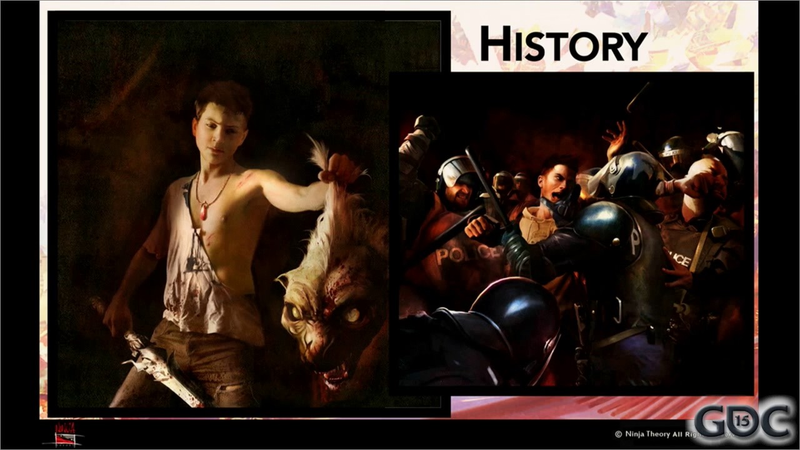
In this 2015 GDC presentation, Ninja Theory’s visual director Alessandro Taini outlines a philosophy of art direction centered on the pursuit of originality through unconventional creative processes.
- Art direction should prioritize originality by resisting generic industry tropes and avoiding literal keyword-based brainstorming, which often leads to clichéd visual results.
- Creative teams should derive inspiration from non-gaming sources such as fine art, experimental animation, and real-world materials to ensure a distinct and authentic aesthetic.
- Visual direction should function as a 'digital double' of the creator, incorporating personal history and diverse cultural influences to move beyond derivative design.