1 free read left. Create a free account for unlimited reading + AI research.
Create free account
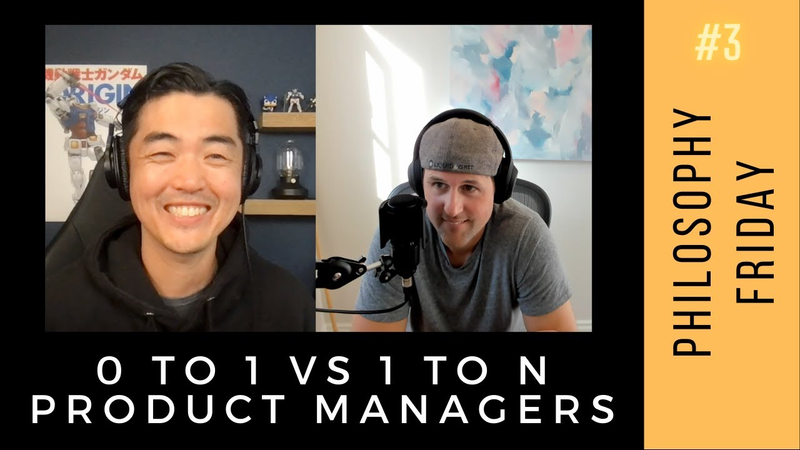
Zero to One vs. 1 to N Product Managers (Philosophy Friday #3)
Key insights
5 takeaways- 01Large organizations often fail at innovation by incorrectly applying one-to-n, process-heavy methodologies to zero-to-one projects, which dilutes bold ideas through committee-driven consensus.
- 02Zero-to-one product management requires a hunter mindset focused on intuition and conviction to create novel offerings, while one-to-n management acts as a gatherer role focused on data-driven optimization of established products.
- 03Successful zero-to-one initiatives demand a culture of radical honesty and blunt communication, as prioritizing social harmony over direct feedback frequently leads to mediocre outcomes.
- 04Leadership must explicitly align organizational culture with the product lifecycle phase, as the stability required for live operations is fundamentally at odds with the high-risk, high-ambiguity environment needed for new product development.
- 05To bridge the gap between initial creation and scalable success, hiring processes must prioritize candidates capable of navigating ambiguity and valuing objective product outcomes over interpersonal comfort.
Ask AI about this video
Transcript
philosophy friday all right hey everybody welcome your hosts today are myself joseph kim aka j diggetted dog and brett novak ceo of liquid in grit in our first philosophy friday we talked about how to be a great pm and we actually got quite a lot of really great feedback on that particular podcast episode and we're asked to do some more stuff on pm so thought we'd expound on that a little bit more i think in particular we spoke about this distinction in product management based upon the peter thiel concept of zero to one versus one to n so in product management i do believe there's a pretty big distinction between new game development which is oriented around the zero to one concept in the one to n or more live ops
discipline in product management so fortunately you have both myself with experience on the zero to one side working on a pretty big hip product before as well as brett who's also worked on you know a huge game on the live ops side and so we can talk about some of these differences but before we jump into that brett what's going on how's it going and what'd you think of some of the feedback that we got and i will say this the one thing about the feedback is we we actually got a lot more dms about that particular episode but nobody's nobody's like sharing on linkedin or twitter or whatever it's all like direct so that's how i roll man i don't yeah we don't need to be feeding the linkedin social media all of our listeners are hardcore workers are getting their stuff done and they're busy they're not going to be sharing they're getting their work done it's all right well i i just kind of felt like maybe they thought it was good they didn't want their boss to know like
hey guess what anyway whatever oh well yeah we're speaking the truth man yeah yeah i'll keep it real all right so i thought we could start with just going over the concept in a little bit more depth for those who weren't completely familiar with this zero to one product management and one to end pm concept and so first of all i think if you have not read the book zero to one by peter thiel i personally believe it is a must read but the way in which thiel talks about this is as follows let me just read this to you quote doing what we already know how to do takes a world from one to n adding more of something familiar but every time we create something new we go from zero to one the act of creation is singular as is a moment of creation and the result is something fresh and strange so in his book theo talks about this difference between zero to one one two and zero to one
being more like vertical or intensive progress which is about doing new things in horizontal or extensive progress which is more about copying things that already work so if you think about it more like on an xy axis that's how you should think about it zero to one active creation building something new along the y-axis a new tech one to end would be more about taking that new thing and then ramping it up scaling it up ramping up production expanding its geographical reach increasing distribution so on and so forth i think the other way to think about this concept is in terms of math so this notion of finding or hunting for a new global maxima versus optimizing and getting to the highest point on a local maxima so imagine if you had like a 3d space in different hills and valleys on that 3d map global maxima would be about trying to find the highest mountain
whereas optimizing local maxima would be figuring out how to get to the top of the mountain that you're already on and maybe in even additional concept beyond that would be to think about sort of like this age-old function of hunter versus gather right so zero to one you're a hunter looking for that big ass mountain somewhere on this map and want to end your gatherer trying to figure out how to optimize what you already have to get to the top of that mountain right what do you think master class man that's a master class all right all right so anyway i think most people understand it i think most people get it all right i mean it's the difference between going after i mean very much the vc model right you're going after something big new potential high multiple uh if it works or or you're a you know another business within a market that's already established right you know so i think
people get it so maybe the next thing we could then talk about it's like what is how does this impact an organization or a game studio in in a particular way and brett go ahead yeah well i think a organization can have both zero to one or one to end functionality in it but it has to be very explicit about which groups within the organization are going after these things because they do fundamentally i think have to be different in how they're organized how they're led who makes the decisions and the biggest thing for a zero to one is that you're generally going to be going after an idea that more often than not very likely is going to be a contrarian idea right it's going to be something and again we bring it back to math if you think about the normal distribution of ideas right and on the tail end of both of the spectrum you have these contrarian ideas i mean they're not ideas that are so contrarian that they
can't they can't actually exist but they're contraring enough that if they do exist they're going to be brand new right and when you have ideas like that one of my expressions now is like there are spreadsheets and they're people when you have ideas like that when you think about it mathematically yes okay we're going to go after this idea that's out here we've all agreed to do that right that's the spreadsheet aspect of it the people aspect of it is sometimes the harder part a part of it because you're going to be going after an idea that a lot of the people in the organization may be thinking is terrible crazy stupid of gonna totally fail right because it's a contrarian idea and so how do you then create an organization that is still gonna move forward with that idea that half of the room 75 percent of the room percent of the room may be disagreeing with right or may not be a hundred percent confident in and so that's why i think if you think about who or what type of organizations generally succeed in zero to one it generally is a startup in a startup that
does that in in my thought process how to do it generally works because you have a singular person or two people or a few people generally right who have a conviction around a contrarian idea and are willing to push through and have most of the control to make sure that that idea is kept true to itself right because what happens in organizations that are generally going to go one to end is as that idea goes through the process of spec reviews and product reviews and reviews by the gm and everything the famous expression is that a camel was a horse designed by committee right and that then ends up what happens with these contrarian ideas is they get well we want you know the horse to have two two mounds on the back or we want the horse to have you know this and that and like at the end of the day it doesn't end up coming out to be the the contrarian idea that you had started out
with so that's kind of the biggest difference i i believe in the control though zero to one and the one to end yeah i would i generally agree with what you're saying i think the one part where i might disagree is that i do think while it's possible to have both in the same company i think it's extremely difficult and so when we do look at some of these bigger companies without naming a specific company but you know what we're talking about like a lot of the companies that made it no longer are making it and because i think there's two reasons for this one i think that there's a skill set orientation which is different like once you get good at scaling you become a little less good at doing the zero to one and the other part of it is that a lot of the reason why i think startups are good at zero to one is because you have to be or you [ __ ] die right and when you have that pressure to like get the [ __ ] right where
and because this is like and i'll probably talk a little bit more about this is that when you are more outcomes driven and oriented and you can do the things and you have a lot it's very hard for people to have and i think we talked about this before on how to become a great pm but those hard [ __ ] conversations if you are facing existential crisis you have those things that creates a pressure that then is able to push and solve some of these hard problems that then leads to a successful product but yeah generally speaking for me you know the big impact to a company is that you often find kind of your typical the mass exact sorry i'm not always gonna know you know what you know what i'm gonna go in i'm gonna jump in here jk all right and and in a a unexpected twist of this podcast i'm gonna go ahead and defend large companies right now yeah and this isn't because a lot of our subscribers are large companies
because we're not naming any names but i'm gonna say why i think at least public companies can have a harder time doing this and that's because if you want to go zero to one you are going to be adopting a lot of risk right you're going to be going after contrarian ideas a lot of contrarian ideas do not work right again the vc model you have the one out of 10. it's if a large public company wants to do that the outside market i think over uh weighs or or puts too much premium on failure and so when they fail internally it may only cost a couple million bucks right for a public giant public company maybe it's cost 10 billion 10 million dollars right for for most of the public companies in mobile gaming that's that's a blip right but to the market that that has now looked at your p l and gone oh wait a minute you could spend 10 million dollars in this idea and it completely
failed i can't believe that you'd you're supposed to be this predictable business and then they downgrade your company valuation significantly and so i think that because of that that mechanic public companies rightly so calculating their minds we're not going to take that 10 million dollar risk because really it's not the 10 million dollar risk that we're going to end up incurring a cost on it's the perception that these finance guys are going to put on our company that we don't know what we're doing when in fact we're just taking a risky bet yeah but by the way let me let me underscore that there are there are examples of zero to one and one to end companies out there in this in a single company the greatest of which i would argue is tesla right i mean they are scaling more against auto manufacturing than any other company ever in the history in terms of like that the speed of how much they're skiing as well as coming up with new products all the time whether it's ai robots or whatever amazon
you know came up with cloud computing as a new business within a huge organization as well so it's again i'm not saying it's not possible i'm just saying that there are general characteristics which which discourage or impede the ability to have both in the same organization that's what i'm saying that's why generally speaking i don't see a lot of companies that have both but it is possible yeah and i probably i i mean just not to let things slide here i would debate whether those are zero to one examples right i mean tesla is making a better car um and amazon didn't invent the the cloud computing market right so i mean i do think they're both innovative companies good examples of it i there are plenty of there are a couple big companies that do do a good job but this generally speaking though if you
think about those companies and we could throw maybe apple under steve jobs under that you have very strong leaders who have a lot of control over the the business and aren't worried about the consequences of the market all three of those owners do not care whether the stock goes down 10 because they failed yeah do not care they're already rich that's right and they know business well enough to do it and i'm including steve jobs more on this because i don't i mean i love apple but i don't think they've innovated too much since since job left like actual in that in that close to zero to one i'm gonna say close to zero to one because all those things aren't but they have done a good job of innovating and so i again think that it it takes that singular vision who doesn't give a you know what and is willing to push that through yeah you kicking chris okay he doesn't give a [ __ ] okay doesn't give a [ __ ] about what the market says and probably what nine out of 10 people in their organization says right right i
mean there's steve jobs i mean there's plenty of examples of it i mean all those leaders but here's here's where you run into trouble though is like when people don't understand the differences and skill set and what's required for these different what i consider very different disciplines then you kind of do have your dumb ass exacts that try to take people off you just wanted to drop it you're just like like we need like a little sound bite like dumbass ex but you know they're taking people off of successful live ops games and then they are like you guys have done a great job on this and i don't want to name the games okay but these say a successful live ops game put them on a new game development and then they're like oh my god i can't believe they didn't make it and when they're doing like really really dumb [ __ ] right and i think like the biggest example of this and okay i won't say the company name i'll
say the name of the game but guardians of haven which was like 35 million dollars total cluster [ __ ] they built this basic 35 million invested is obviously yes in in development costs zombie sniper game plus then it's just to become like a city building game then it's just become clash royale all in one game and you could tell this thing was clearly like designed by committee and then and then it you can kind of see in the design the struggle of like what are probably and this is my guess but probably liveops guys trying to figure out how to make a new game but not having like a holistic approach to the design and this is i think what happens when you work via like increasingly reductionist approaches like from a live ops context and you're you're trained in that productionist approaches so okay we could actually have a whole talk
on reductionism versus holism but reductionism is kind of like the western generally speaking western philosophy how do you reduce complexity in a problem you take something and you reduce it down into increasingly smaller components of complexity holism is about trying to think about the problem from a holistic perspective right and so like the the typical problems that are reductionists are they are is it like a good and bad or is this just a different no it's a it's a different way of thinking and like you want red like you want a reductionist approach against live ops you want more of a holistic approach against like new game development and you know we can maybe we should spend a future episode talking about those two concepts and i actually have i have a presentation that really goes in depth on holism versus reductionism but i don't i i don't present it publicly because i i got it from like this ai person and you know i need to talk to her before i would were to represent a public anyway
but but basically what happens is if you're taking these reductionists or you're trying to just reduce problems into smaller component parts approach and you're trying to take that product philosophy to building something new then you run into these problems right so that's that's the issue that i see that's the impact on an organization when these when these execs don't understand the nuance and the differences between these these different skill sets and so anyway so that would be in my opinion from my perspective the impact to in organization so maybe we should actually now just talk more about the skill sets themselves and and maybe i you know i'll go ahead and start here but feel free to jump in and um interrupt but just speaking to those different skill sets you know whether it's reduction versus holism or whatever like i would submit that you actually need
these fundamentally different skill sets to be successful zero to one one to n i definitely agree certain general skills are applicable things like good communication skills discipline you know you got to be able to be you know quantitatively oriented be able to build a model things like that but there are other things that i think require a fundamental shift in focus and first of all and we did discuss this during our first talk on how to be a great pm but zero to one pms need to be focused on key risks and solving critical problems and sometimes the thing about the key risk is that those key risks can oftentimes be just as much a function of understanding latent human desires or your audience as much as it is about behavioral data against a model that's already achieved product market fit to scale right where
you already have that working model so one-to-npms in comparison need to be focused on data optimization content cadence delivery things like that second secondly i know we also discussed this in in in some detail during our first talk but for zero to one it is really really really really really really important to understand situational contacts because 4 1 to n things often don't change that much and you generally have a relatively stable situation in 0 to 1 your situation may be dif very different from other contacts other working environments even though they may almost look the same except for one or two different things but those one or two things could actually really drive a big difference in your outcome so you have to understand the environment in which you're operating and understand how to adapt your situation every team is going to be a
little bit different every game every genre is going to be a little bit different and you either need to understand that and be able to adapt or you just need to be really [ __ ] lucky and as per darwinism the environment will just so happen to choose your team and your product as a winner so you can be born great or you could have greatness thrust upon you [Laughter] or potentially both [ __ ] or not not i both just dropped my drink wow that's very dramatic it's a very dramatic and okay one okay i have one other point but you wanna do you wanna stop well i was just thinking more of in a since we're supposed to be philosophers i i had a couple philosophical things i i think of it pretty simply the difference between i was talking to my buddy henry uh about this is probably the difference between the artist and the
the manager the artist and the whoever helps the artist sell art right okay like zero to one requires an artist yeah and one to end requires the whatever the manager right or the exec to help sell the work right and those two skills if we get very philosophical if we get more philosophical into like something that i've been working on on a personal level are pretty much the difference between what you would think of as logic and emotion and what i'm starting to realize in my own life is that emotion i used to think of as oh that's you know i was a very logical oh emotions are just for you know people who are weak right and what i'm starting to realize and this is how i frame it now is emotions are a very powerful computer system within your in within your brain that is really bad at communicating okay
it can compute massive amount of data super power of data but it just can't communicate well right so it's trying to tell you something but it's doing it in this really awful way of just making you feel a certain way whereas your logical side of your brain can compute less amount of data right it can look at an excel spreadsheet and it can read a document it can do this and it can logically say well if this game does this feature if we tweak it a little bit then it probably make revenue right like that's it's fairly fairly easy to comprehend with that logical brain right yeah and that's that one to end brain which is a skill in itself right i mean i think they're they're both valuable but it's like this this ability to tap into that emotion that you have that computer system in your brain that's kind of craving so much data from so many different things that you don't even understand where right it might be from something you watched and something you felt and something you played and something you you did as a child and
whatever and it's creating this feeling and then all of a sudden you're creating this i'm almost imagining like this great um statue right like this this work of art right like this yeah this michael this this david right like this this is just like something that comes out of a piece of rock that no one else could really comprehend if they operationalized it right you know and so that's how i think of it right yeah i actually think both concepts that you are talking about are super interesting i actually hadn't thought about about it in that way before but yeah both the artist and the manager or you're either justin bieber or scooter braun and then the partner about the brain it is actually so the brain is actually composed of two layers the inner or limbic brain and then the cerebral cortex but the limbic or the monkey brain is actually just about as you as you stated emotions and human desires right and so matching that to zero to one versus one to n is super interesting i actually i like that that's cool but it's interesting you call it the monkey brain because i feel like that is
what i used to think where it's the monkey brain right which implies that it isn't the strong part of your brain right it's it actually controls the cerebral cortex there's yes but there's some under lining tone to that comment of yours jk if i really dissect it as i am right now as the phyllis the philosopher i am you're saying monkey it's not the monkey brain is my point okay it's actually a super powerful component of your brain a super computer i almost has a greater capacity to comprehend large mass amount of data it's just poor at communicating so i wouldn't call it i wouldn't associate it with the monkey because the monkey is supposedly more primitive than the human right we have this logic and logic makes us so great and what i'm arguing is that what actually makes us so great is the combination of the two and what takes you from zero to one is the inner brain right it is that inner
computer system which just happens to be a poor communicator with you but if you like the artist that can tap into that emotion and turn that into something is the person that i think can truly create a zero to one product right i think the the third point i wanted to talk about in terms of skill set as far as like zero to one versus one to n pms or managers now is that it's a lot more important in a zero to one work working on a zero to n or one zero to one product that you actually know the work so what do i mean by that so what i mean is like on a one to n product you don't really have to know how to do things for so for example as a manager you may manage a team of people doing [ __ ] but it may not matter so much if you've never done any of that [ __ ] before right because you know it because the difference is
that in a zero to one organization it's very important to have out an outcome outcomes trump stability so ev so it's not it so while in a one-to-one organization it may not be as important that you know what they're doing and that you know that your team is delivering a high outcome and you're able to help optimize and train your team to be better in a zero to one company it sort of is and now look i also want to speak in terms of situational context because i'm not saying like you know there's always going to be counter examples people are going to be like well what about supercell ilka doesn't know anything he's the least powerful ceo but what i'm saying is that generally speaking and i don't know the context behind supercell but generally speaking from a management perspective in a zero to one company because outcomes are more important it is very important to maintain a standard of performance and actually
for you to be an outcomes driven manager is much more important now i didn't say a good manager i said outcomes driven manager now you might be an [ __ ] you might be a professor you might i mean i don't know but you need to be focused more on the outcome and providing results rather than stability which is why a one-to-n manager and some of you out there may know a bunch of people like this you can hold your 100 long and wasteful [ __ ] inefficient meetings fought around all day checking facebook and instagram and guess what you know what maybe the maybe nothing happens to the product you know that a lot of people say that about facebook and google i i know guys in silicon valley who basically tell me you know you could cut 30 to 40 percent of the people here and nothing would never change i don't know how true that is like that's not that's not me saying it's just other people i think because you can bring it back to mathematics i think in this example i'm
going to use my logical brain on this which is that and zero to one the value of the product that you're about to deliver is is uh so important right i mean if you if you and it's you're only building generally one of them right so you're not going to get a lot of value or benefit from creating a super awesome system right because the system is only going to be used once theoretically or a few a few times whereas when you're talking about a one to end system you have lots of throughput you have lots of iterations a lot of the output of content and therefore the process you're going to benefit from that process over and over again right and i think we do that you know we do that at my company i think you see that in gaming as well right you have the live ops team be very operationalized very uh standardized repeatable process and then you have the new game development team in the supercell example go off on their own and i think in the supercell example i mean even though the the ceo may not
be the person uh with the single vision he's allowed the single vision to be on the game level so he still allowed it to be like with somebody and he's removed himself which is important right so he still kept the number of people in uh contributing to that idea down which i think is really important for the process yeah so he likely did optimize for his situation yeah he optimized yeah and which kept in order now which yeah cool yeah yeah and i was about to say like i also it did have given a presentation on zero to one versus one to end before so i'm just kind of looking at the slide here but some of the other differences that i noted on this particular slide that i'm looking at is in terms of like some of the differences when we're talking about new game zero to one versus one to end live ops was one i called orientation meaning like new game development is a little bit more oriented around art versus live ops being more around science the focus for new game development is more about like a strange attractor like
blending something uh strange or novel versus familiar versus live ops being more about what's proven the familiar new game development in terms of the type of analysis could more often be about a feeling or something that you can't necessarily describe versus live ops it is about structure it is about process the type of thinking new game development is more around holism and again we can go into that in detail in a future podcast but versus in live ops more about reductionist reductionism in terms of the tools for new game dev a lot of visualization a lot of prototyping versus live ops it's more about a b testing experimentation optimization and finally in terms of certainty that in new game development it is often about conviction without data versus live ops it's like it's more about skepticism you know it's in anything is uncertain unless you show me the data unless there's data
let you know i i i think you even mentioned it before like you know you have to be data oriented well i think that's the the key to being one or the other or succeeding in one or the other is the the concept of expected value and looking at that equation more closely around risk right so when you think about zero to one you're thinking about in terms of the expected value or ev you have high risk but high if so high or so or you might call it unlike unless likely to succeed and but if it does succeed you have a much greater potential windfall right so if a startup that's going zero to one is successful it can become a tesla a apple a amazon a uber right so you balance the risk with this high upside and the cost generally is kind of just in the middle you know you get in general you raised a couple million dollars or whatever right in the
beginning so if you think about a live ops team and you think about that equation most of the bets that you're going to make or want to make i would say let's say 60 70 percent are gonna want to have a high likelihood to succeed number or the inverse of that is slow risk because you're going to want to you're going to want to have a lot of hits so if you're in an organization that is generally a live ops or one to end organization to try some things out that are zero to one you wanna create a roadmap where you specifically clearly state which of your bets are high risk and of those bets those high-risk bets need to have high expected outcome values they cannot be a high-risk bet with a mediocre potential outcome and that's kind of what happens when you go through the gauntlet sometimes of product development through these large organizations is you start out with a
risky idea that has a high potential output and then it gets watered down as you get talked to so many different people and it basically becomes the average of a bunch of people's ideas which ends up not being any good and and then you're then you know after the end of quarterly like why didn't you succeed right and it's that that risk that you need to clearly state ahead of time we're taking a risk here 20 percent of our portfolio like a good financial manager is going to be risky 10 of it is gonna be super risky and 70 of it is going to be low risk we're going to hit these 70 percent right and that's really ideally as a product manager of a one one to end organization you should be thinking about all right well i thought we could end on a topic that's really and potentially a little controversial which really has to do with culture right and because i also believe that the other problem with some organization is that culture may need to be fundamentally different in a zero to one
versus one to n organization i don't know if you agree with me on this brett but as an example one of the key things is like how do you talk to people i fundamentally think that this fundamental notion of how you communicate is so different and you know as an example at my startup i have something that i call the five [ __ ] rule five [ __ ] means that people are excited to hear this it means that before anyone joins before they explain this but before anyone joins our company i have a call with them and i make sure that i say [ __ ] five times and i and and that i'm kind of hard right because well a couple of things well i will say just to give you a little bit back for people like you know paul once actually was telling me recently he's like you know people watch your videos and they kind of think you're like this nice guy and then when they come here
and join us like who the [ __ ] is this guy anyway so i like to prepare people for like how we communicate and and because we are very direct now again we don't we well it could change right like we do try to we do try to communicate directly with respect but yeah i mean sometimes we can't go too far then we apologize or whatever but you know generally speaking we have to be very direct and so i try to prepare employees that work for us before they join by having that initial hard conversation i and i count it off [ __ ] one two three four five okay all right and then because there's this notion of you know facebook used to have this philosophy when they first started about you know move fast and break things right and then more recently like [ __ ] yeah you'll be happy to know it was break [ __ ] break [ __ ] okay and then as they as they got bigger all of a sudden zuck's like hey guys we are now
move fast with stability right because yes yeah i'll i'll show you the slide because in a zero to one environment you know making it generally is an existential situation again you make it or you [ __ ] die right so in these environments outcomes are critically important in the the communication of key problems and addressing those issues is so vital it is so important that that level of communication if it's not there i believe it's going to be very difficult for people to be successful whereas in a larger one to end live ops oriented you've got the successful product you're already scaling managers in this case and leaders in this case like in in my company people need to adapt to me to my message we need to get this
done this needs to get done this need to get get done people in this situation have to adapt to me if i am in a one-to-end larger organization what more often times happens is that the leaders and the managers need to adapt themselves to their employees it's the opposite because you don't want to piss anyone off you got to make sure everyone's happy it's less about the leader telling everyone what they need to do and more about like optimizing how do i communicate with bill how do i talk to sally and that's why you have all these things myers-briggs enneagrams personality typing how do i get through to sam what do i need to change myself for so that i can get him to try to do something i want him to do right that's the world that we live in and i gotta say like most people who i talk to
about this stuff they're like never heard of this before so this is this is what's really surprising to me is how few people realize this situation and this context i just like literally like i don't know if you've heard this concept before brett but when i talk to people it's like holy [ __ ] i've never thought about it and i don't think a lot of managers or leaders do but getting back to the point when we talk about culture i think communication the difference in communication is key the difference is in outcomes versus one to end adaptation in terms of communication so are you focused on outcomes are you focused on adapting to the environment to make sure everyone is happy and you're maintaining stability dude you have a pretty cynical view on large companies i think you're talking about poorly run large companies in that
context not well-run large companies there are examples of very long tesla tesla okay i think they're ones in mobile gaming i i mean i think that uh there are plenty of good examples platika is one example that continues to innovate and be super large i think uh i was just talking with the chris williams aristocrat digital i mean they do an excellent job of okay rolling and brother yeah yeah they do a very good job so i think that there's and there's there's plenty of others uh i would probably i would i mean i don't want to leave anyone out and i'm just calling something just going through your studio let's play studios that's hilarious uh no but i think there are really good examples of it okay so i i hope so i wanna go on i'm gonna go on because i think it's you can do it okay and actually this is an interesting point i do think that communication is key i think what you're getting at but i do think results
oriented is in both categories what you're getting at is that you need to be able to be blunt and you need to be able to make decisions that are based on what you think is the best product and not based on what you think the collective consciousness of the the group thinks is best right and i wrote this this example down because i love it which is the naming comm the naming example i don't know if it really fits here but i think it does okay is basically when when you know timmy and laura have a child and they want to name their kids something super you know awesome and unique and well you know they name their kid they don't they don't do any research they never kid something and they show up and then five years later they show up in kindergarten and all of a sudden bennett there's like five bennetts in class and they're like how did we get this random name we thought it was so unique yeah right how do we it happened to you well with joseph with your kids well your kids right yeah with my kids with my kids yeah yeah right because when you aggregate a large
enough sample size of people who aren't doing using both their inner and outer brain you end up basically getting these to these ideas which are names of children that a lot of other people had right and so the larger the input of people into the naming of the child the more likely you're going to get in a name that's trending upwards so if you look at the data and look at the graphs you can kind of see which ones are trending upwards and you can get away from them but the point is is in a large organization if you're in a larger organization that again this goes back to our first conversation puts a premium on everyone being happy and everyone being agreeable then you're going to be aggregating a larger end a larger number of people's ideas and you're going to get an idea that's more likely going to be the name of another child in kindergarten which is really just going to be an end a one-to-n idea and so one of the interesting things is some of my yeah some of our subscribers some of the people i talked to in israel
talk about how why one of the reasons why they think israeli companies do so well is because if you if you and i'm gonna say that they have told me this i'm not just generalizing but they have told me israeli gaming companies are much more blunt with each other it's part of their culture to be very blunt with each other i i'm i can kind of i don't know yeah if i had um uref from plarium on right now he's the one who's told me this i'm basically quoting a reef but basically and because also um because they can be very blunt with each other because they can they argue and discuss in this kind of heated way like they you know and another strong they can get to that zero to one idea within a larger organization which is your point and i think in western culture yeah i think we're more geared towards management styles that make everybody happy and therefore we have a harder time having a
a result-oriented organization in large organizations yeah i'll call out two specific countries in particular i will say that i do think that what you're saying is exactly right that has been my experience when i work you know when i talk or when i have communications with israelis that's why i get along with so many more israelis than other like and i'll say okay i'm just gonna say it [ __ ] uk dude if i talk to someone from from the uk i don't know what the [ __ ] they think because they're gonna tell me once they're gone oh yeah that's great yeah yeah that's great but you know i i know like behind the scenes they're like you know so i so like it's so hard for me like i i just can't you know i'm not that good at reading between the lines it's like okay what did you just tell me so you said this thing is great and this and that but you're acting you actually hate it i can't i i can't pick up on the subtleties you know
but you know when you talk about it it's very it's very straight they'll tell me that right when i get on the call like just a heads up i'm gonna be very blunt with you right like because i get feedback from a lot of them and it's not sugar coated you know and i love it i grew up in that household too like my mom would tell me would be the first person to tell me i played terrible and my dad was the guy like i actually told my my wife this story and she couldn't believe it this was only like six months ago we've been married 10 years that when i looked up to the stands to my dad to see if i was playing well more often than not he would put his fingers over his nose like this and say you stink which was like above 50 of the time would be this you stink okay that was the feedback i received from my dad and my mom was as critical so that was like the child that i grew up in and i look i i actually gravitate towards it now because that's how i was raised but i had a really hard time in working environments other than zynga really
because of that because i was so used to blunt communication and it was so frowned upon not to mention i'm a six to male white male right like we're just let's just be like and i'm being blunt so it's not only me interpreting it's it's getting interpreted way more aggressively than i'm meaning it to be and it was it was a total [ __ ] for me i was just having a conversation about that earlier right and it it would people be like oh you need to manage meetings well anyways now i'm turning into you jk where i'm just sitting on the [ __ ] world but i do think this is a really big problem but somebody told you to adapt yourself so that you can manage your people more effectively right that but that's what happens in these big companies well for people to like you more right and that's the problem is we were talking about this first episode is i brought up a suggestion that was going to save the company four percent of our overall income right and i almost i it basically led to my firing right and so in an organization i completely agree these organizations are built around
kumbaya and we all love each other and the consensus is that we do this idea and that system puts a big premium on basically going from honestly it's like one to one point two it's not one to end i mean one to end sounds awesome dude if you can go one to n i think that's what we're talking about we're talking about one to one point five one to one point two right like we're not even getting close to 10xing it's okay and by the way i don't mean to [ __ ] on enneagrams like i think there's actually value in it but just not for a zero to one company not in the general case like i wouldn't completely even in a even in a bigger org i wouldn't completely adapt yourself to everybody well i think in the end again going back to the philosophy i think at the end it can reduce your potential success in life right and that's one of the reasons why we don't have a lot of meetings might come in we have i mean i don't what i know people hate hearing about my company now or don't like hearing about it but we have zero meetings right i have maybe one meeting a month with uh
people my company and partly because i want to remove that humanistic component of kumbaya i didn't say it in the right tone and my feelings were hurt when you looked at me you know it's like [ __ ] you stop [ __ ] talking about how i presented you the information how you felt when you received it or whatever the [ __ ] like you know just fix this [ __ ] sentence it's broken okay fix this other [ __ ] sentence it doesn't make any sense that's it you know it's not a personal attack on you it's not because you know it's not it's just a shitty sentence deal with it fix it i don't give a [ __ ] you know and it's like this i think it's a i think it's a larger issue in in in western culture really that we're having yeah my wife was just telling me about shaming like well you don't want to be shame shane i asked her for the definition of it and it was like she goes um
well if if you say something that makes me feel shameful and i'm like wait a minute so the whole definition of a thing that i do is based on your pers your feeling towards it right so i could pick up this [ __ ] pen and if you feel shame because of it i shamed you right like what the [ __ ] is that so like basically anything could be shaming somebody right and and that's part of what what we're all struggling with in society in general in the organization yeah i think you're you're opening up that yeah you're opening up that the idea that that value is created through the emotional impact that it has on people yeah and organization i do think we should talk about this topic on a larger scale like the you know maybe this whether it's you know can't you just talk about it now [ __ ] you i want to talk about it now okay [ __ ] up your emotions
all right yeah you know lead by example dude okay i'm gonna go ahead and say like let's call ourselves out i'm gonna call us out we can't just be cynics and say it sucks there's people in organizations that it probably does suck for them right now and if you're a leader in that organization [ __ ] lead by example lead by example and do it you know and and receive it and ask for it you know and i think one of the things that really does help me because i do generally come out at uh like nine out of ten when i'm trying to be like a four out of ten when i had to do harder stuff i would write it down i would actually just read it i generally think the written word is way better this is super cheesy but i put smiley faces in [ __ ] because i'm like i'm smiling this sentence sucks yeah right it's like yeah [ __ ] fix it you know like so they can imagine me smiling but really i'm like this sentence just sucks i'm probably frowning right and i'm probably so um
the other thing is uh i think what you said earlier just to highlight this i'm going off jk is you gotta [ __ ] hire for people who can handle it and that's one of the reasons you can't have and i think this is a lot of what happened yeah that five [ __ ] rule it's a great name that's a terrible name jk we should don't be head of branding we're [ __ ] your company dude okay if we're keeping it real that's a shitty name five bucks because no one's gonna give a [ __ ] about it but is that you gotta be real from day one and i think that's what happens when you have like the hr company the hr group rather like like manage the whole hiring process and everybody gets cookies and milk and okay yay we love you and you have to do some of that i guess to sell people but yeah at the end of the day people want to make money they want to work at a company that's real that's going to build [ __ ] so i just think that there's too much premium on where we all love each other and after work we all hang out like [ __ ] you i don't want to hang out with you right like i i just want to
make money and go home and hang out with my kids i want to go [ __ ] surfing yeah and i want to do this [ __ ] and the the onboarding process is so [ __ ] warm and cuddly and then when then day one or through week three they meet jk and he's like [ __ ] you [ __ ] you [ __ ] you [ __ ] you then they're like then they go to hr and that's that's the problem is you you can't sell them like the kumbaya world and then on week two when they meet their manager they get you know so-and-so and i think it did this well i mean i think this interview process was 3 p.m hardcore in your face no [ __ ] i don't give a [ __ ] how many cats you have how many dogs you have or where you're from like we're gonna [ __ ] grill you and when you showed up on day one same thing you got grilled right and that's the same for us it sounds like it's the same for you so yeah yeah you just got it right although i i think that i try to orient towards being more like more aggressive before they join so
that they won't be surprised but i think it's also situational like on some on some people i am really really really hard and on other people because they're performing and they take feedback in a certain way you know it's we never like i i give a lot of feedback but we never have like super hard uh for like one one person in particular never had a hard discussion just because everything it's just like the way in which the feedback is going back and forth it's just it hasn't been a hard conversation in other folks there's been like so many hard discussions so i i do think it's situational and i also just want to like even even though i [ __ ] on personality typing and like trying to adapt to people at the same time i'm having our hr guys study you know so they are studying enneagrams and myers-briggs and personality of you from you know from ray dalio and things like that to try and see because we do you know and not not why you just [ __ ] on it i just why why did you just [ __ ] on it because i
realize at some level of scale we're going to have some people that have a personality conflict in which understanding this could potentially help resolve issues between problem you know let's say two problem people where so while it may not be applicable on a general scale and of course i am always going to be direct there may be usefulness in this and for our for our hr team i tell them they need to be the best in the world at understanding every hr philosophy and so they are st they they're they present to me every week on a new way the ultimate one to end organization anyway all right so just think in closing here uh i definitely do want to give a shout out to all the people who you know really left encouraging messages and feedback for us on on philosophy friday number one i you know philosophy
friday number two will be going out later today as we record this but you know i think we're going to try a bunch of different stuff as as we move to uh future weeks we'll try and some crazy stuff hopefully we don't do things that are boring for you guys but if there's something of particular interest let us know hit us up let us know if you want us to talk about something and ultimately you know we want to have real and deep conversations and basically we want to talk about topics that no one else has the [ __ ] balls to talk about so let us let us know any any departing or final message from you brett i i think it's a difficult problem to solve so i don't want to trivialize that it's hard if you're an organization you may not have a lot of control over changing it but you may have more than you think so see what you can have on that on the organization to try to get to some of these things because i think everyone really generally what i've found is if you are
struggling with it a lot of people in your organization probably are and if you solve it you'll create a lot of value for yourself and the organization so don't be a don't just sit there and complain about it see if there is something you can do about it but it is a lot harder than than uh you think or it is very hard so i empathize with you yeah okay all right guys well that's it philosophy friday number three uh hopefully we'll see some of you guys next week all right bye everybody [Music] [Music] you
Summary
The distinction between zero-to-one and one-to-n product management defines the fundamental tension between radical innovation and iterative scaling. Zero-to-one initiatives require a hunter-like mindset, prioritizing intuition, conviction, and the synthesis of latent human desires to create novel market offerings. In contrast, one-to-n management functions as a gatherer role, utilizing reductionist methodologies, data-driven experimentation, and process optimization to maximize the potential of established products. These two disciplines demand divergent leadership styles, risk tolerances, and organizational structures, making it inherently difficult for a single entity to excel at both simultaneously.
Large organizations frequently struggle to foster innovation because they apply one-to-n management techniques to zero-to-one projects. This misapplication often results in committee-driven, consensus-based decision-making that dilutes bold ideas into mediocre outcomes. To combat this, successful innovation requires a culture that favors direct, blunt communication over the pursuit of social harmony or emotional comfort. By prioritizing radical honesty and objective performance metrics, leaders can maintain the high-stakes environment necessary for breakthrough development.
Ultimately, the success of a product strategy depends on aligning the organizational culture with the specific phase of the product lifecycle. While live operations thrive on stability and incremental improvement, new product development demands a high-risk, high-reward approach that resists the stifling effects of corporate consensus. Leaders must explicitly set these cultural expectations during the hiring process, ensuring that teams are equipped to navigate ambiguity and prioritize product outcomes over interpersonal comfort. By fostering an environment that values blunt feedback and conviction-driven leadership, companies can better bridge the gap between initial creation and long-term, scalable success.