1 free read left. Create a free account for unlimited reading + AI research.
Create free accountWhitepaper DiGRA
1 free read left. Create a free account for unlimited reading + AI research.
Create free accountWhitepaperDiGRA
The work frames these interventions as destructive-creative, linking them to Dada and Situationist strategies.
Gemma Fantacci's analysis examines a set of artists who practice what she terms "anti-game" subversion, working inside commercial video games as "griefers" who exploit the rules and affordances designed into play to produce unexpected behaviors and artistic meanings. The central argument is that these practitioners do not edit code or visuals; instead, they repurpose designed constraints to halt the goal-driven flow of play. Drawing on Galloway's counter-gaming and Schleiner's concept of ludic mutation, the work frames such interventions as destructive-creative in structure, first dismantling standard gameplay and then building a new artistic grammar from the same materials, a dual process the author links to Dada and Situationist strategies.
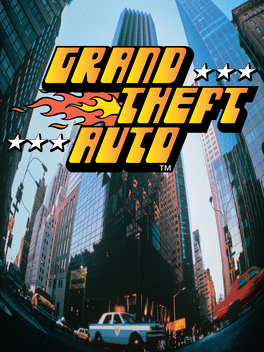
The four artists under consideration are Kent Sheely, Marque Cornblatt, Justin Berry, and Alan Butler. Sheely and Cornblatt's machinima, including Ready For Action #1 and GTA IV Law Abider (2008), refuse the violent and criminal behaviors that Grand Theft Auto invites, aligning them with Dada's disruptive gestures. Berry's Videogames Landscapes (2012–2015) and Butler's Down and Out in Los Santos (2016–present) redirect attention from objectives toward scenic and marginal details, which the analysis associates with the Situationist concepts of the dérive and détournement. Across these works, the practices expose the predetermined nature of the freedom that games appear to offer.
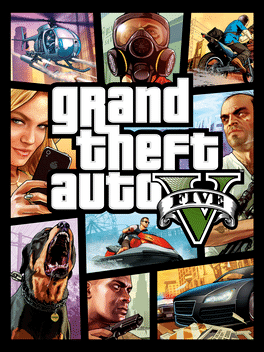
The most developed example is Butler's photojournalistic project in Grand Theft Auto V, which replaces criminal play with the photographing of Los Santos's homeless population. The analysis treats this substitution as a clear instance of the broader argument: the artist turns the game's own affordances against its intended use and opens a space for social commentary that the design did not anticipate. The scope of the analysis is primarily the commercial open-world game and its machinima and modding-adjacent culture, situated within a theoretical lineage of avant-garde art movements and game studies.
Each row is a game or company this document names, each column a document, oldest first. A mark means that document names it. Select a row to see those documents.

DiGRA · 2026

DiGRA · 2026



DiGRA · 2026