1 free read left. Create a free account for unlimited reading + AI research.
Create free accountOther DiGRA
1 free read left. Create a free account for unlimited reading + AI research.
Create free accountOtherDiGRA
The workshop frames games as a site of ethical controversy, often blamed for youth violence and child obesity. It also presents them as a potential tool for teaching ethical decision-making.
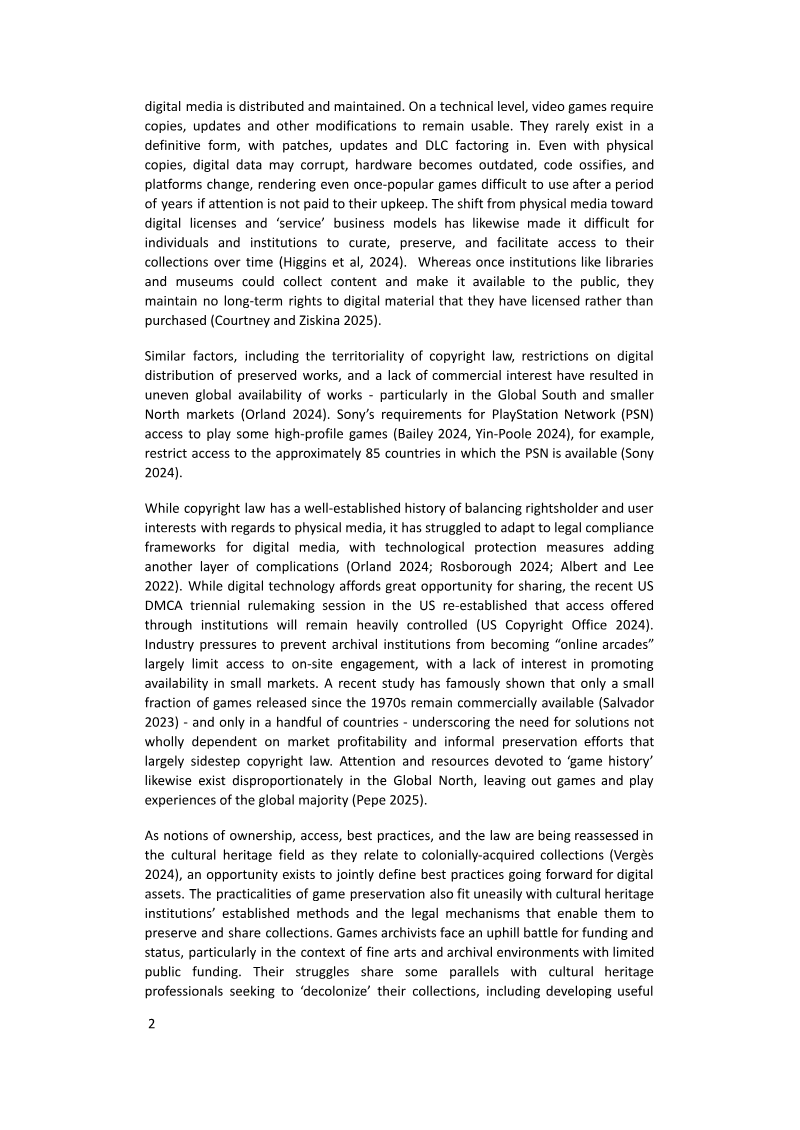
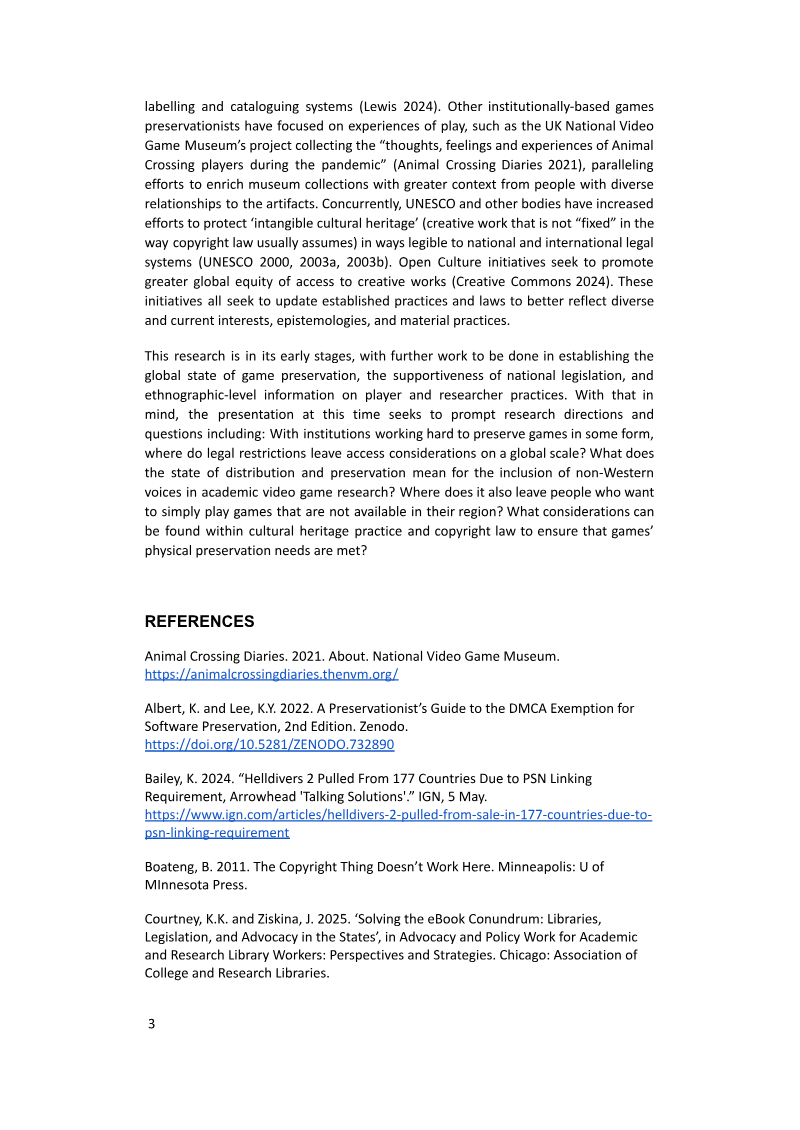
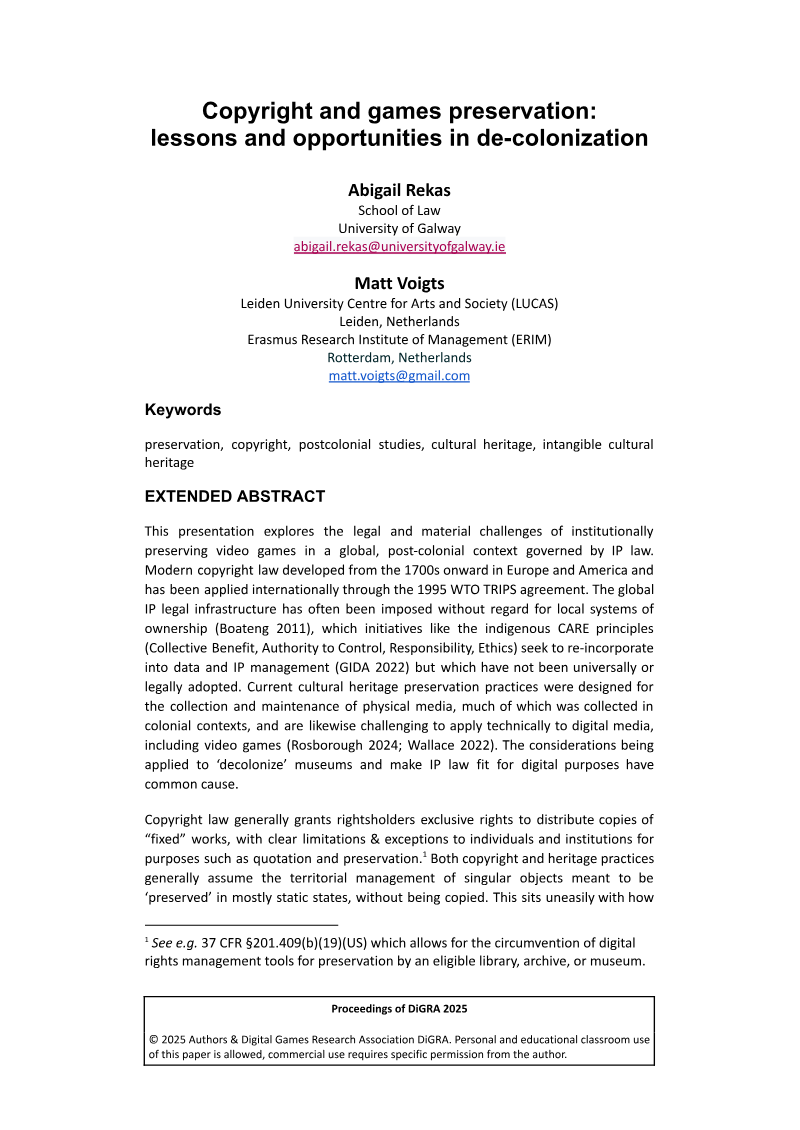
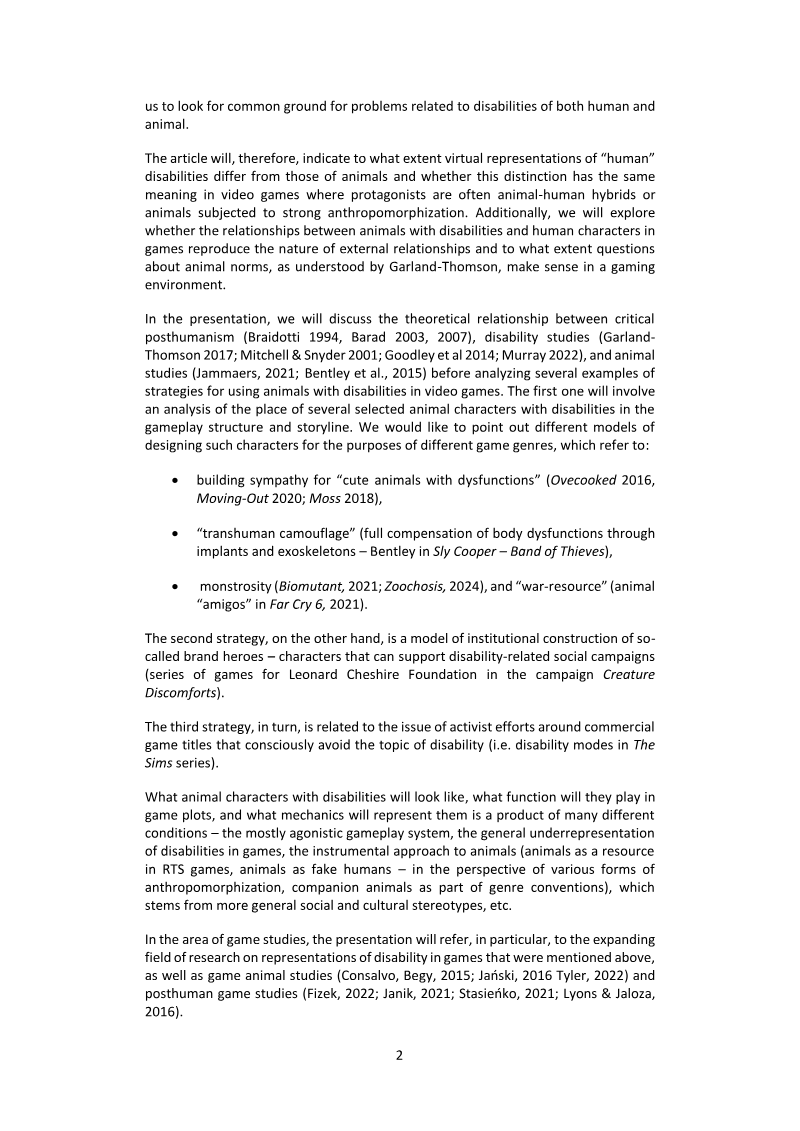
This workshop proposal, presented at the DiGRA 2009 conference, examines the emerging field of ethics in videogames, arguing that games offer a rich environment for practicing ethical reasoning, moral judgment, and critical thinking. The authors situate games as both a site of ethical controversy, frequently blamed for social ills such as youth violence and child obesity, and a potential tool for teaching ethical decision-making. They frame ethics as the practice of enacting choices and moral judgment, and they draw on the MacArthur Foundation's work on participatory culture to argue that young people need better preparation for their roles as media makers and community participants.
The workshop is organized around two halves. The first consists of discussion and case studies on designing and studying games that support ethical thinking, methodologies for assessing ethics in games, and the ethical dimensions of game development, promotion, and the representation of race, culture, gender, and ethnicity. Supporting data includes a 2008 Pew Report finding that 63 percent of teens who play games have witnessed people being mean or overly aggressive, 49 percent have seen hateful, racist, or sexist behavior, and 85 percent of those witnessing such conduct also report seeing other players being generous or helpful.
The second half is a set of hands-on activities in game design and game analysis intended to build participants' ethical, empathic, and reflective abilities. Stated learning outcomes include a multidisciplinary understanding of the field, an appreciation of the possibilities and limits of using games to express ethical systems, and an examination of how personal, corporate, societal, and community ethics intersect in game development and player communities. The presenters, all from academic institutions, bring backgrounds in game studies, education, and media production.

DiGRA · 2026

DiGRA · 2026



DiGRA · 2026



DiGRA · 2026



DiGRA · 2026



DiGRA · 2026



DiGRA · 2026



DiGRA · 2026



DiGRA · 2026

DiGRA · 2026



DiGRA · 2026



DiGRA · 2026
International Journal of Role-Playing · 2026