Loading the document
Key insights
5 slides
Current state
Traditional review systems validate less than half of collected geographic data.
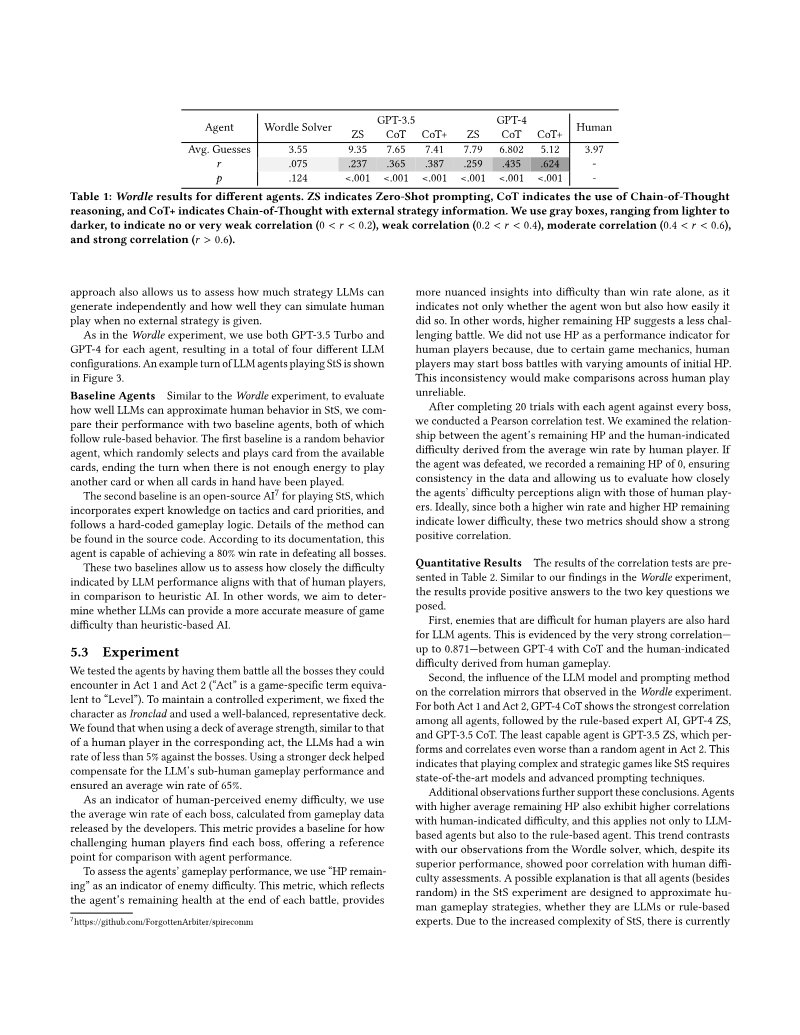
Post-game review boards for location-based games are inefficient. They typically validate only 30% to 40% of the geographic data collected.
1 / 5
- 01The 'Wisdom about the Crowd' design pattern significantly improves geospatial data accuracy by incentivizing players to align their inputs with the anonymous majority rather than relying on individual judgment.See it on page 3
- 02Traditional post-game review systems for location-based games are inefficient, typically validating only 30% to 40% of collected geographic data.See it on page 2
- 03Experimental testing in the game GeoSnake confirmed that embedding quality control directly into game mechanics results in higher positional accuracy compared to standard data collection methods.See it on page 2
- 04By shifting the objective from identifying accurate coordinates to predicting majority consensus, developers can effectively mitigate semantic ambiguity in crowdsourced data.See it on page 3
- 05This design pattern functions as a scalable, implicit quality assurance mechanism that eliminates the need for external review boards.See it on page 2
- 06The approach successfully reduces the tendency of players to prioritize game mechanics over data precision, ensuring higher-quality geographic information.See it on page 6
Ask AI about this report
Summary
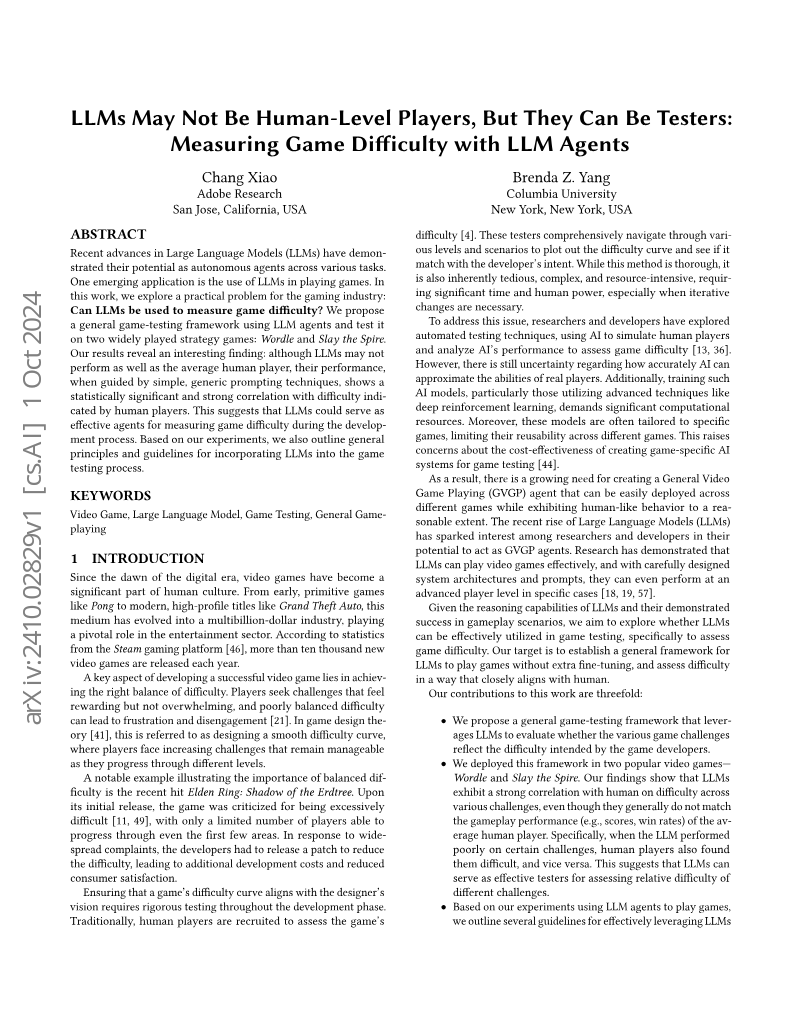
This analysis examines the challenge of ensuring high-quality geospatial data collection within location-based games (LBGs). While LBGs effectively motivate non-expert users to generate geographic information, traditional review systems typically achieve validation rates of only 30% to 40%, leaving the majority of data quality unverified. The research proposes a new game design pattern, titled Wisdom about the Crowd, which shifts the focus from post-game review boards to an integrated mechanism that encourages players to align their data collection decisions with the anonymous majority.
The effectiveness of this design pattern was evaluated through an experimental study using the LBG GeoSnake. The study involved 15 participants—comprising students and university staff—who played two variations of the game. In the first variation, players were instructed to select coordinates that accurately identified a location. In the second variation, which implemented the new design pattern, players were incentivized to select coordinates they believed the majority of other players would choose. Data accuracy was measured by calculating the distance between individual player inputs and the resulting cluster centers for specific geographic locations.
Statistical analysis using a generalized linear model confirmed that the Wisdom about the Crowd pattern resulted in a significant improvement in positional accuracy compared to standard collection methods. The findings suggest that by embedding quality control directly into game rules, developers can successfully mitigate semantic ambiguity and reduce the tendency of players to prioritize game mechanics over data precision. This approach provides a scalable, implicit quality assurance mechanism that functions without the need for external review boards, effectively addressing a persistent limitation in crowdsourced geospatial data collection.