Games and companies in this document

Connections
Each row is a game or company this document names, each column a document, oldest first. A mark means that document names it. Select a row to see those documents.
More on AI
View all
Whitepaper
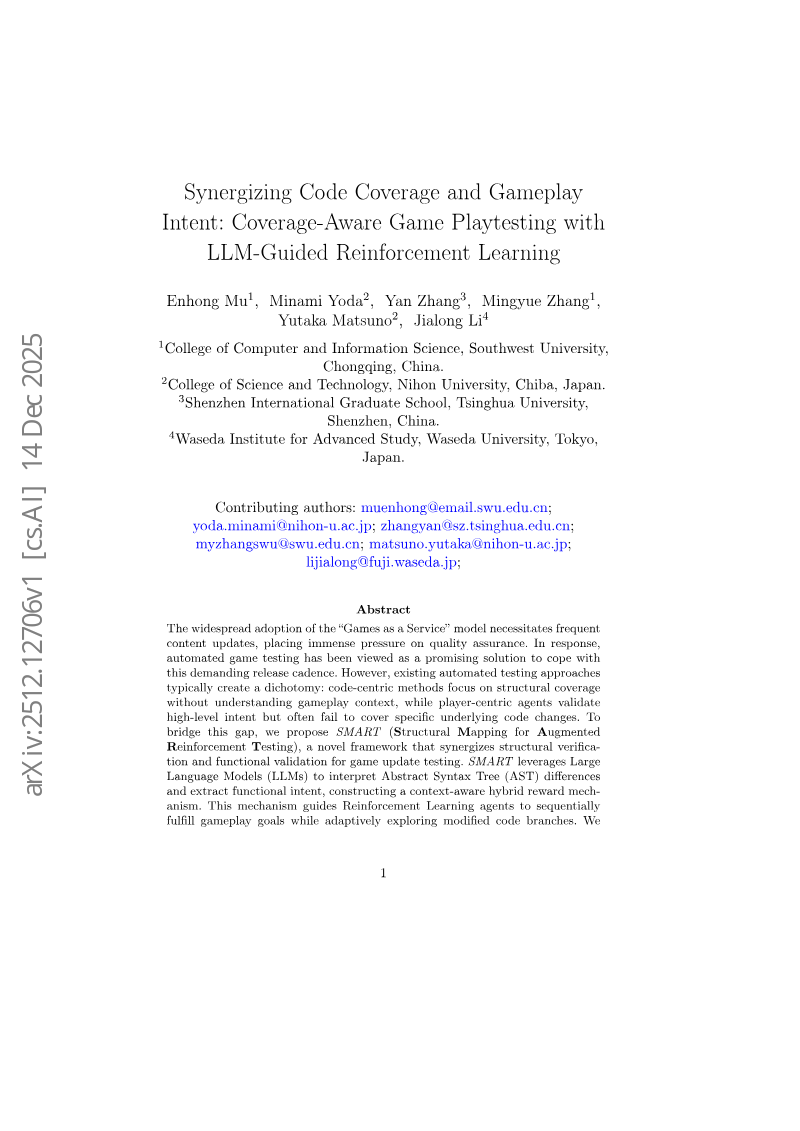
Synergizing Code Coverage and Gameplay Intent: Coverage-Aware Game Playtesting with LLM-Guided Reinforcement Learning
Southwest University · 2026
Whitepaper
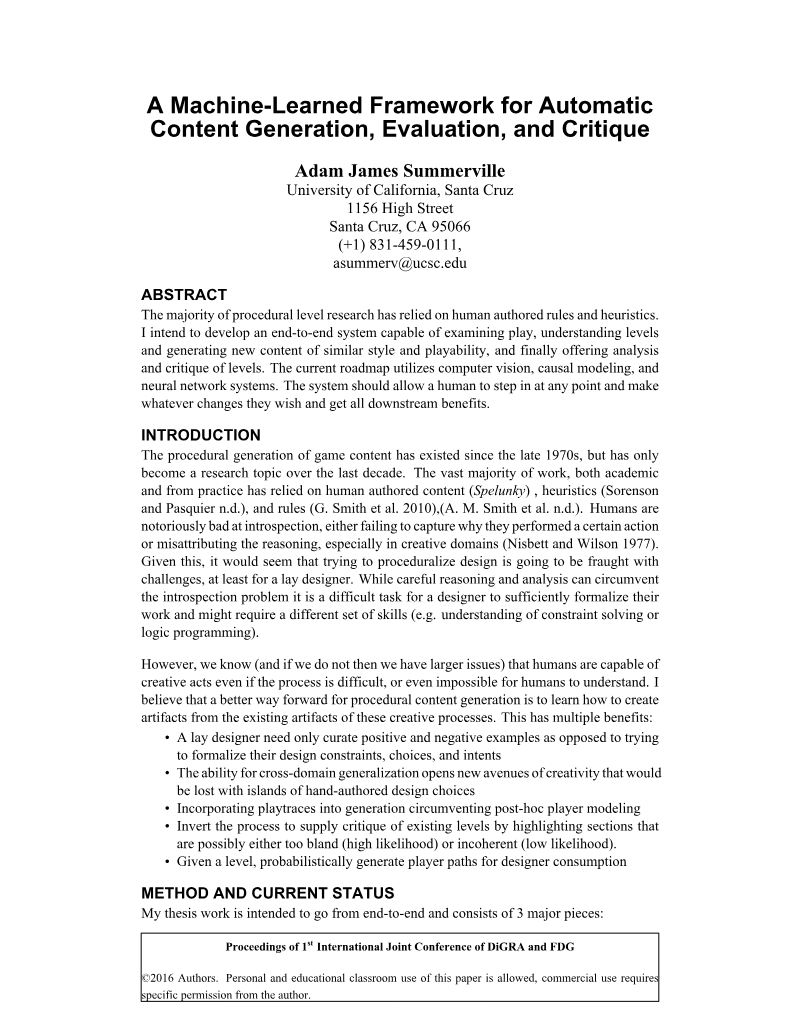
A Machine-Learned Framework for Automatic Content Generation, Evaluation, and Critique
DiGRA · 2016
Whitepaper
Analyzing the Believability of Game Character Behavior Using the Game Agent Matrix
DiGRA · 2014
Whitepaper
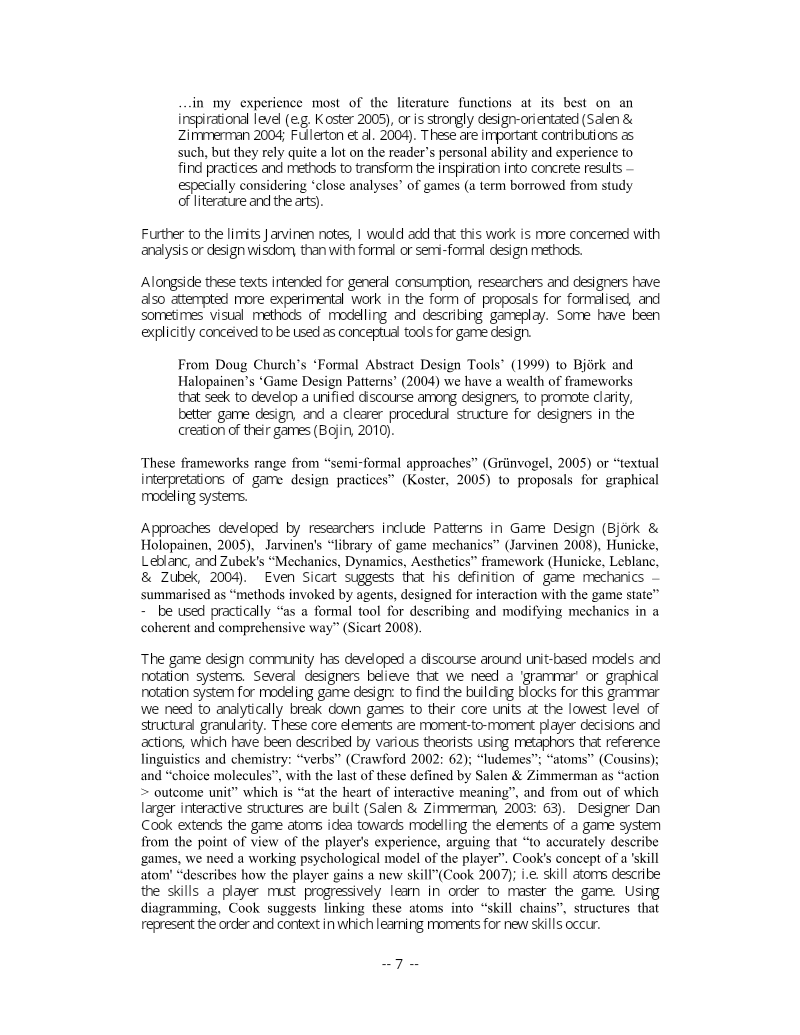
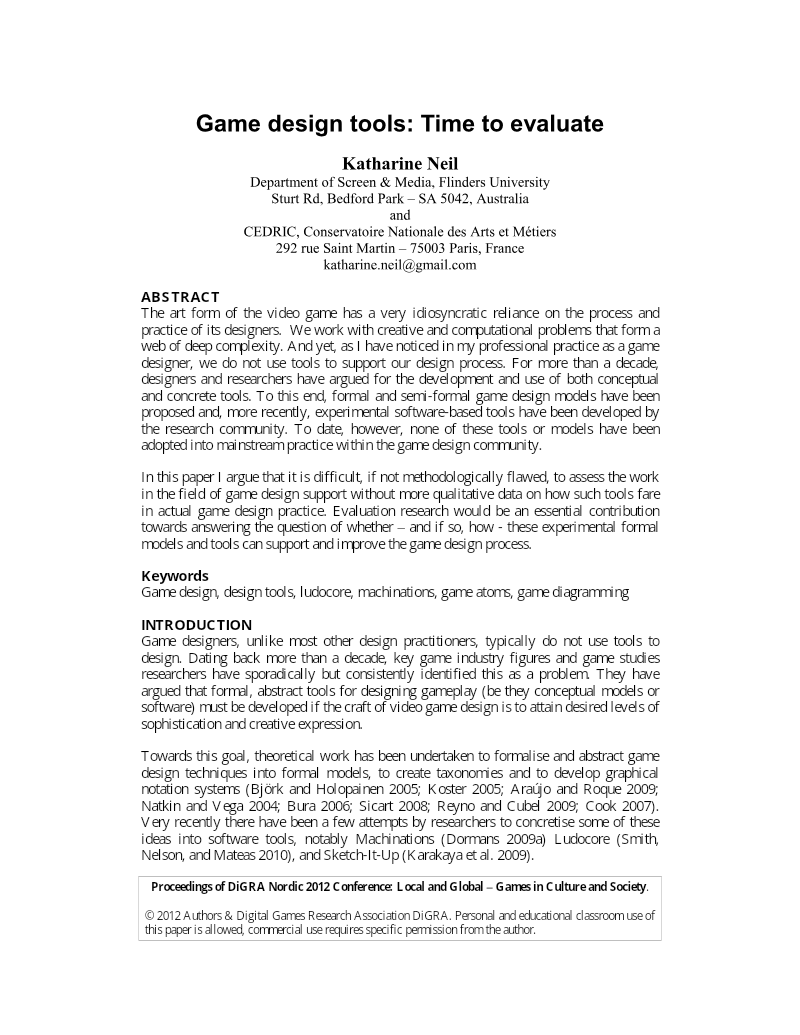
Game Design Tools: Time to Evaluate
DiGRA · 2012
Game Developers Conference
'Cat and Mouse Forever': Ex-Blizzard Risk Ops Expert on Addressing Cheaters
Game Developers Conference · 2026
Naavik
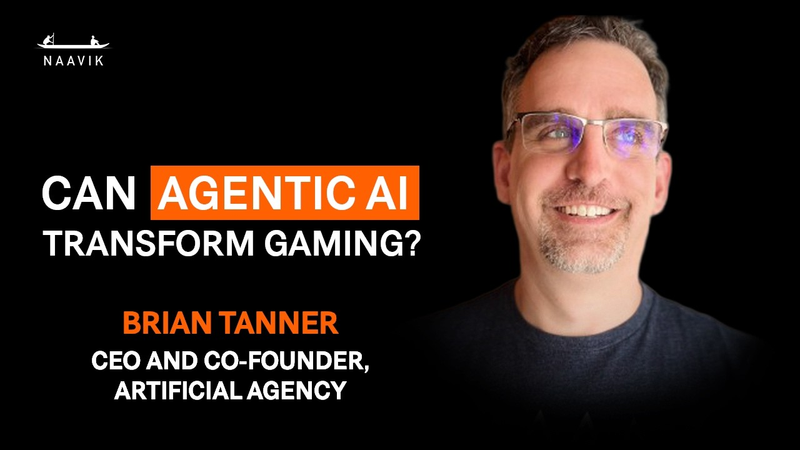
What Happens When AI Becomes Your Gaming Teammate
Naavik · 2026
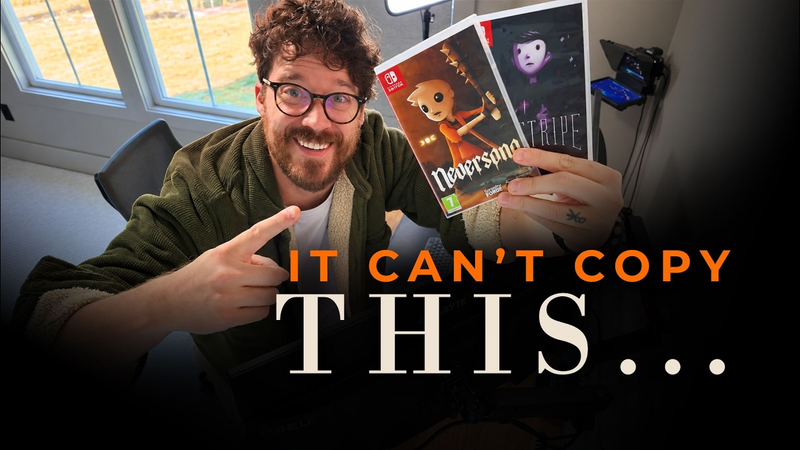
Thomas Brush
The One Thing AI Can't Put In Your Game
Thomas Brush · 2026
PocketGamer.biz
Block Blast Hit 300M Players — And Kills 95% of Ideas
PocketGamer.biz · 2026
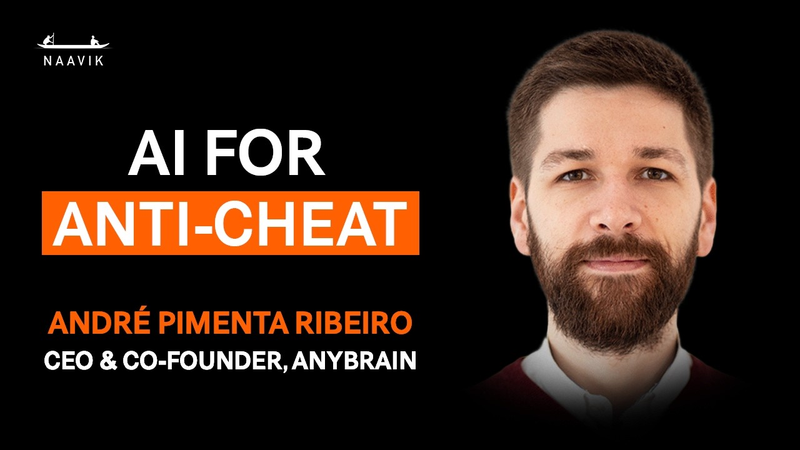
Naavik
How Behavioral AI Helps Fight Cheating
Naavik · 2026
Whitepaper
For the Trees: Envisioning Sustainable Futures Through Ecomodded Minecraft
DiGRA · 2026
Whitepaper
A Ludic PSY AI-Game-Engine for Utopia: Exploring Pl[AI] for a Viable Future
DiGRA · 2026
Whitepaper
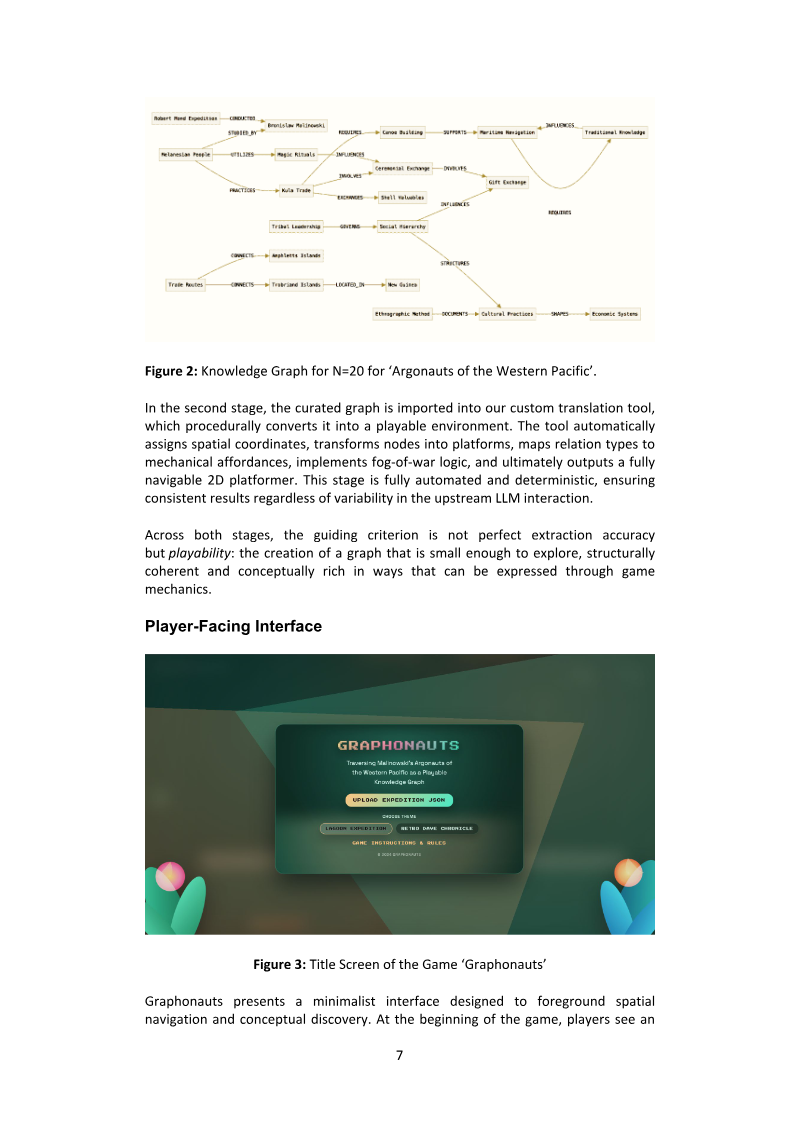
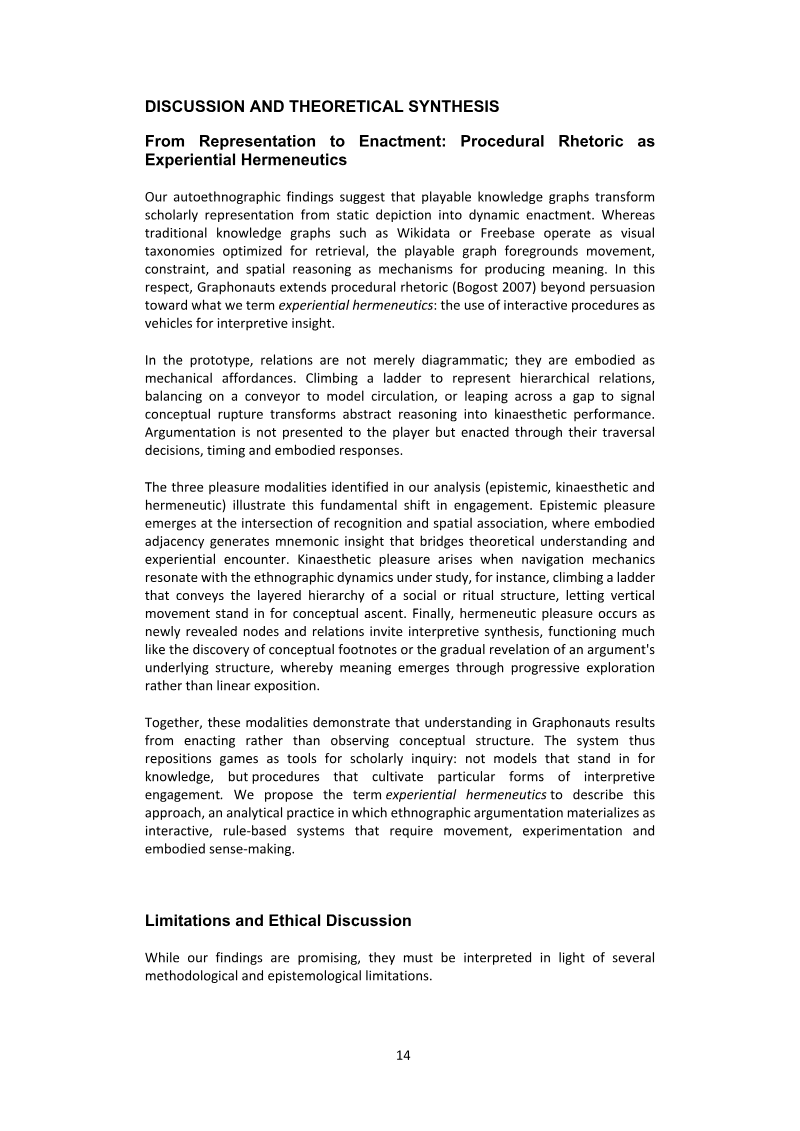
Graphonauts: Introducing a Hybrid Human-AI Pipeline for Text-to-Game Transformation via Knowledge Graphs
DiGRA · 2026