More on Game Design
View all
Whitepaper
Synergizing Code Coverage and Gameplay Intent: Coverage-Aware Game Playtesting with LLM-Guided Reinforcement Learning
Southwest University · 2026

PocketGamer.biz
AI Games Need Soul, Not Slop
PocketGamer.biz · 2026

Thomas Brush
Making Your Game 10X Better Is Easier Than You Think...
Thomas Brush · 2025
Whitepaper
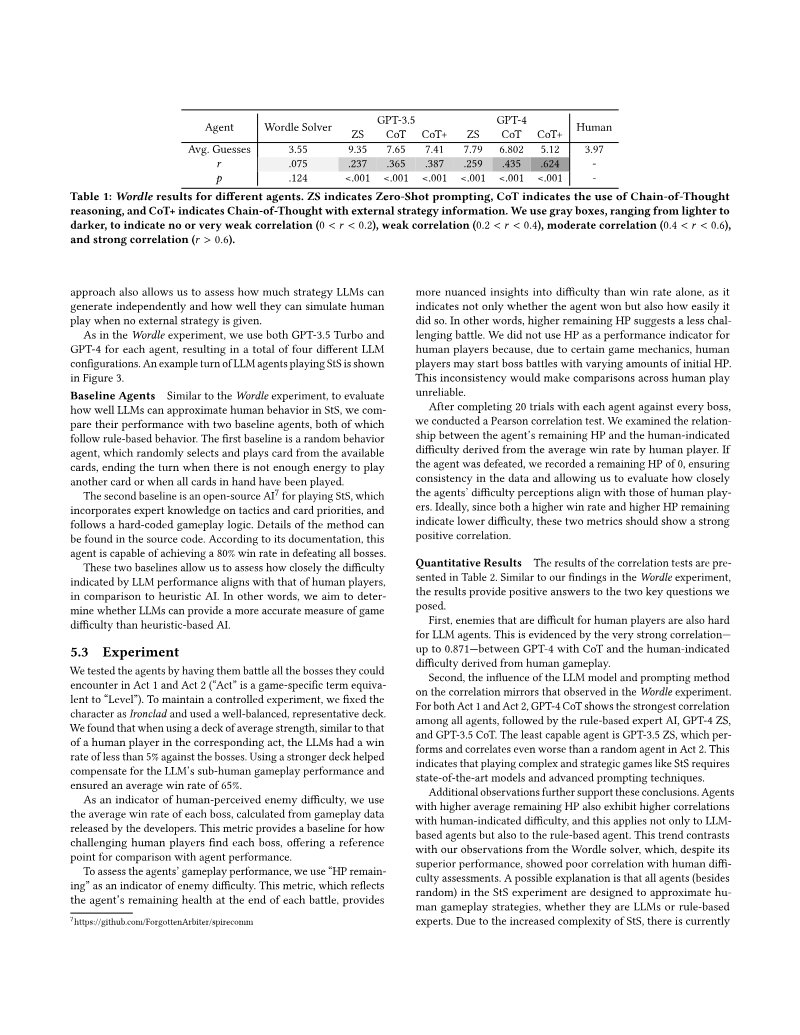
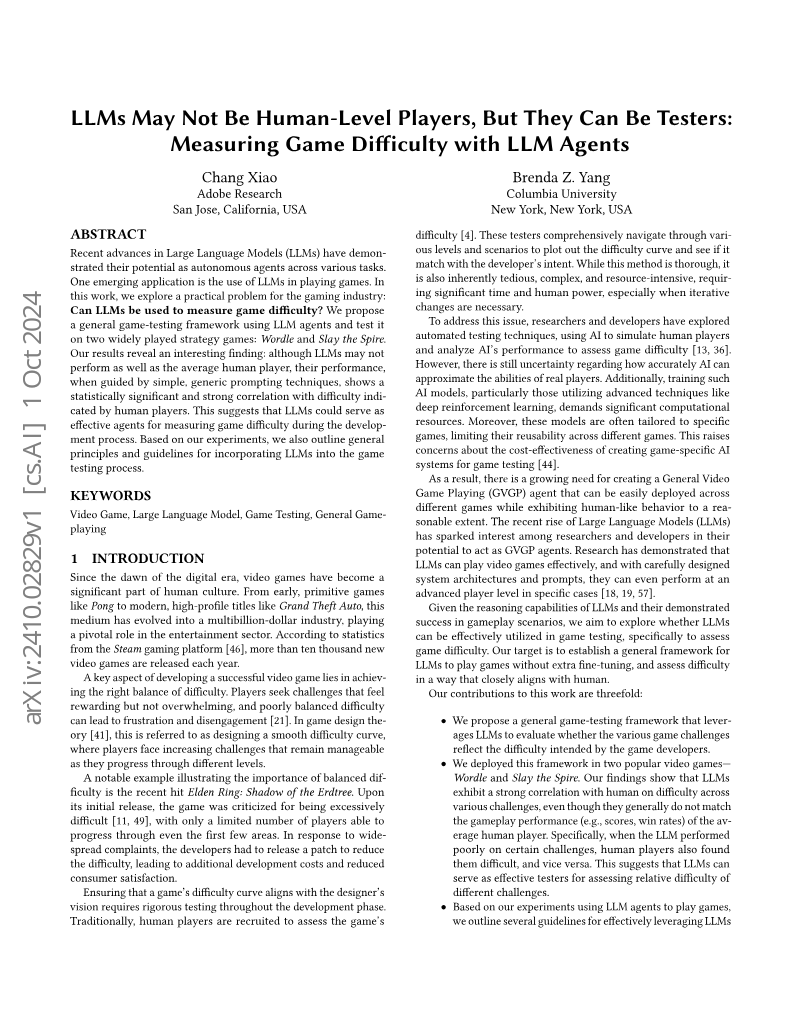
LLMs May Not Be Human-Level Players, But They Can Be Testers: Measuring Game Difficulty with LLM Agents
Adobe Research · 2025

Thomas Brush
The Ultimate Guide To Writing A GREAT STORY For Your Game
Thomas Brush · 2025

Thomas Brush
Want To Make Games? This New Tool Changes Everything...
Thomas Brush · 2025
Whitepaper
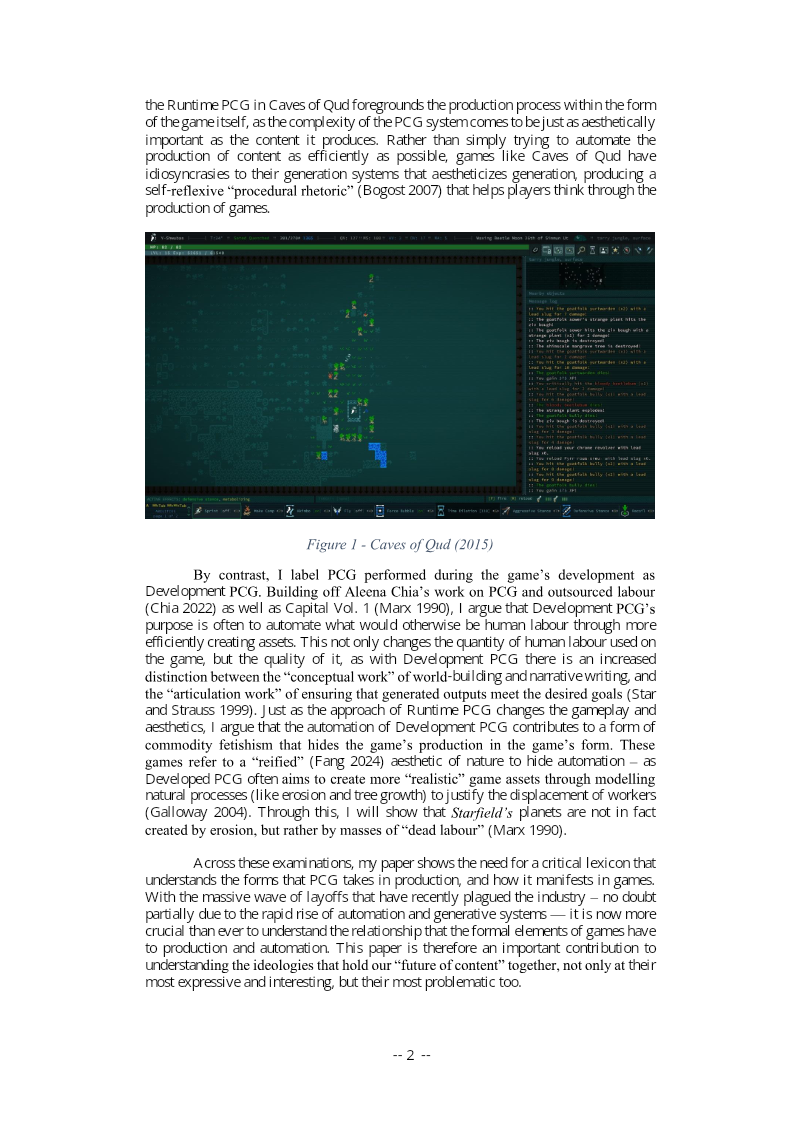
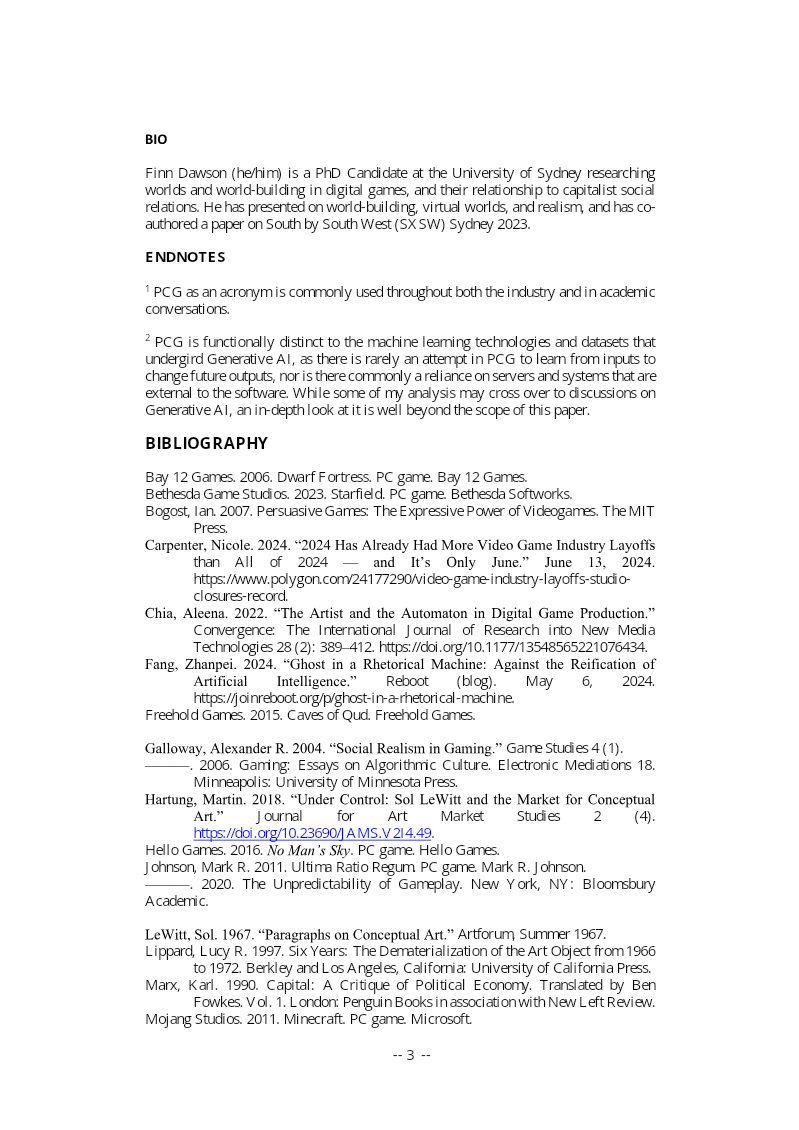
Planting World Seeds: Procedural Content Generation, Labour and Conceptual Art in Digital Games
DiGRA · 2025
Deconstructor of Fun
Darth Vader Goes AI in Fortnite + Google’s Veo 3 Changes Everything
Deconstructor of Fun · 2025

The Game Business
Kingdom Come: Deliverance 2 director hopes “AI revolution” will allow him to make games faster
The Game Business · 2025
Thomas Brush
Why His Game Has Taken 10 Years To Make (Ken Levine) — Full Time Game Dev Podcast Ep. 034
Thomas Brush · 2025

Jonas Tyroller
We Made 1,018 Games About AI
Jonas Tyroller · 2022
Game Developers Conference
Automated Testing of Gameplay Features in 'Sea of Thieves'
Game Developers Conference · 2021