1 free read left. Create a free account for unlimited reading + AI research.
Create free account
Why the lucrative Korean mobile games market is an uphill battle
Key insights
6 takeaways- 01The South Korean market is dominated by local developers who excel at high-intensity 'games as a service' operations, including 24/7 engagement cycles and frequent daily events.
- 02The market is highly trend-driven and saturated, making early entry critical because late arrivals struggle to compete against established local titles and aggressive marketing.
- 03Google Play is the primary distribution channel, while once-essential platforms like KakaoGame have seen their effectiveness decline due to overcrowding and discoverability issues.
- 04Market entry requires a strategic choice between local publishing partnerships—which provide necessary culturalization and support—and self-publishing, which offers higher revenue retention but demands heavy local infrastructure investment.
- 05Success in the region requires a 'digital-first' mindset where players treat virtual assets with the same gravity and value as physical property.
- 06Developers should prioritize long-term retention and core gameplay quality over aggressive monetization loops to remain competitive in this mature free-to-play ecosystem.
Ask AI about this video
Transcript
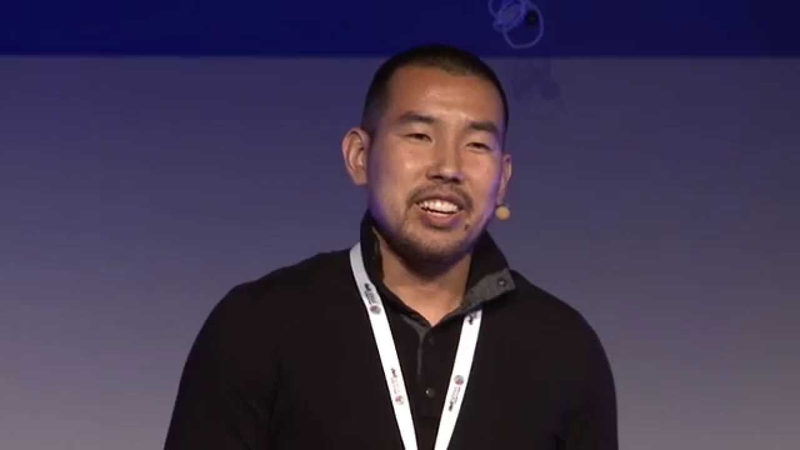
hi uh so my name is uh Dennis Y and uh I lead business development at Gaineville USA um back in Elsa gundo um for those of you guys that aren't too familiar with us uh we are a global developer and publisher uh founded back in 2000 um in Sol South Korea and now we have offices in us where I am um where we are responsible for uh signing and Licensing and Publishing you know Global deals and we have offices in Beijing and Tokyo as well well um so moving forward uh you know I'll be doing just a brief talk um on doing business in Korea a high level introduction and uh I'll start with just the uh quick quick numbers I mean I won't you know inundate you guys with uh you know two many numbers and bore you with that sort of stuff I'll I'll try to keep it short and uh hopefully I can provide you with you know practical um you know feedback and some tips um so you know as Chris shared earlier um you know in terms of the cre Market you know
there there is room for uh for growth um you know it's it's a it's a it's a population where you know um gaming has essentially become a lifestyle you know where even Esports is is a viable career option now um you know if you look at the uh the slide behind me you'll see that you know with the the the flurry report shows that you know the online uh PC gaming Market is at 2.8 billion um and the mobile gaming Market is at 1 billion and so there's a lot of room for growth in in terms of of uh Mobile gaming um but uh you know not to contradict uh Curtis right before me um I I want to point out um this flurry chart and you'll notice that you know while they're both increasing um you know pretty rapidly and pretty significantly you'll notice that from 2012 to 2013 um South Korea's numbers uh starts to kind of uh level out a little bit um and so I mean it's it's not and and the
main reason for that is because you know Korea being a population of you know 50 million um we're reaching that level of uh of saturation and so that's something to be uh mindful of um when you're you know thinking about going into into Korea oops um I also want to point out that you know Korea is very very trendy um and you know that means you know whether it's it's a fed or whether it's a celebrity whether it's a game a TV show you know um you know people just jump on it it's almost kind of like a hive mind you know um and uh you know even even with games you know there's so much heavy marketing on on one game or another that you know they just jump on it and it really becomes topheavy and so when you're breaking into Korea um you want to make sure that um you know that
you're early um when you're jumping on because if if you're late you've already missed out but fortunately because it is so trendy you know uh tastes and styles they do jump around a little bit you know in the past it may have been a card battle game at the top and then it may have been you know 2D Sid scroller you know now with blade you know you have a full-on you know 3D action RPG um so as long as you know you're not laid to the party you know there's still an opportunity for you to to succeed in Korea um also in terms of you know trendiness you know everybody in uh Korea they uh they have Samsung phones 85% actually um of mobile devices are manufactured in South Korea uh six out of 10 uh mobile devices are uh from Samsung and uh in Korea you have three carriers that uh that that dominate um you have SK Telecom um who operate the t- store you have uh lgu plus um and you
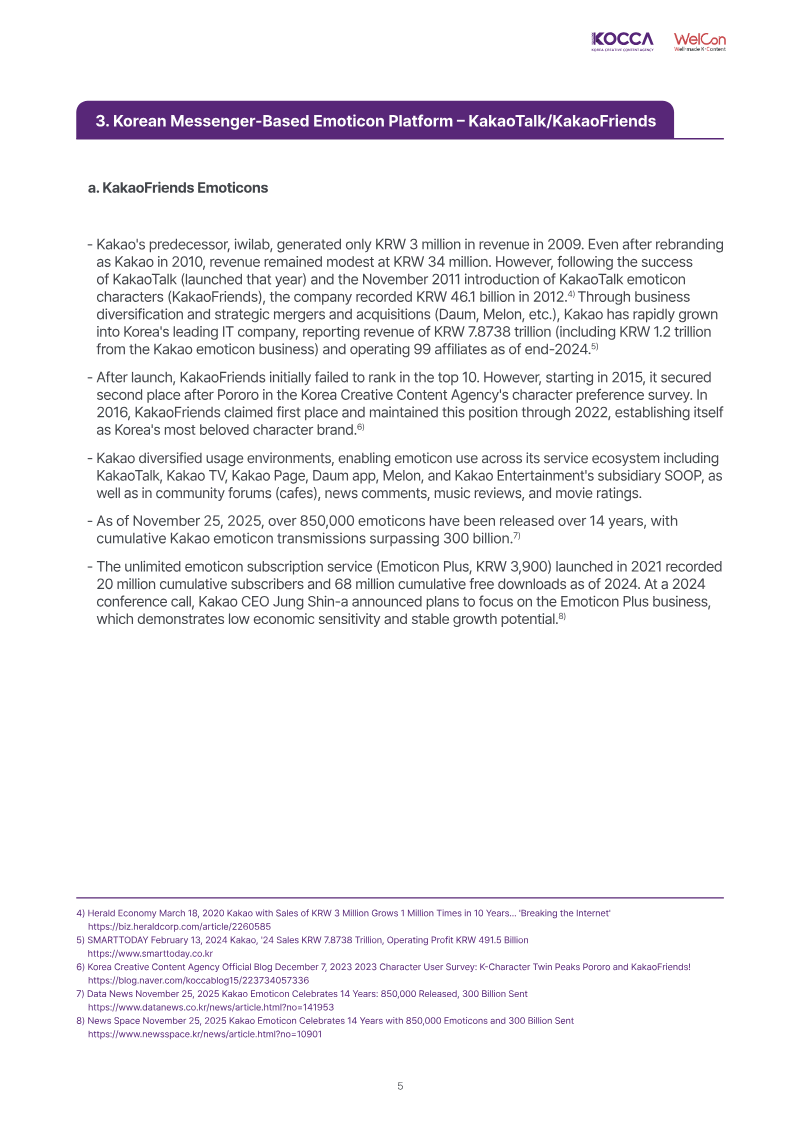
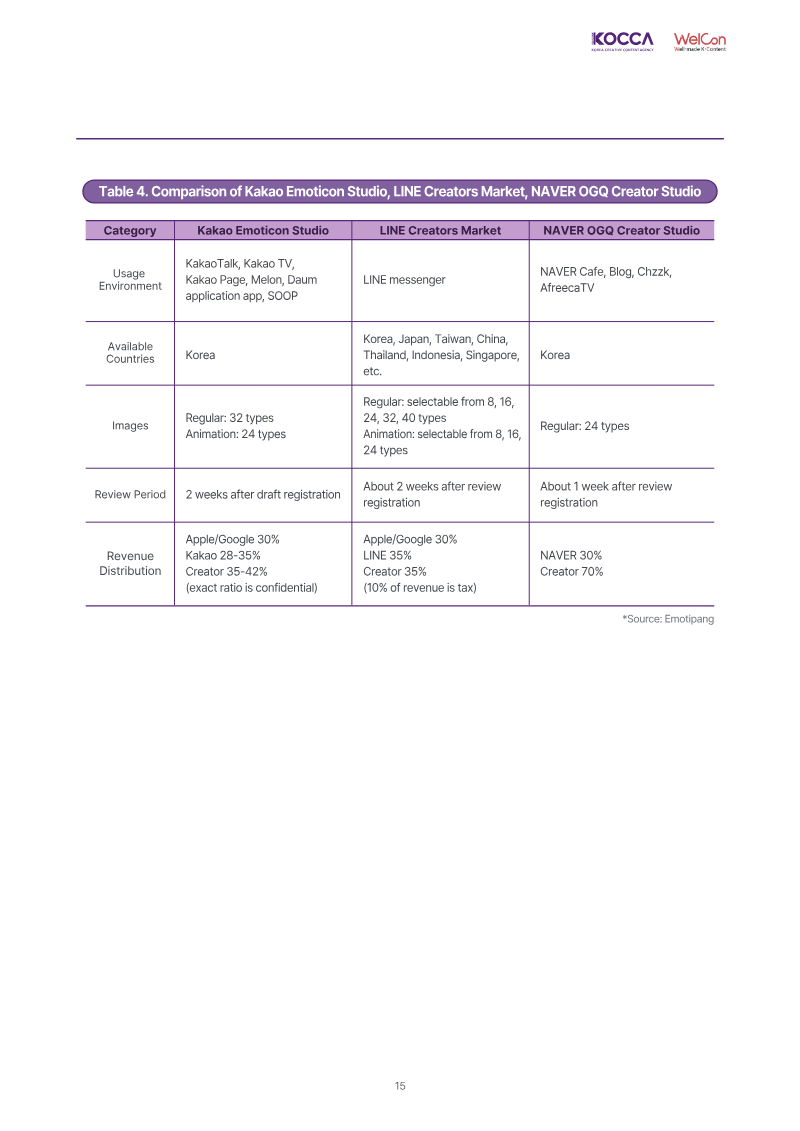
have uh KT with the ol store um but uh you know the the the stores that are offered by the uh the carriers have become you know less and less relevant you know over within the past I guess about a year you know Google Play quickly overtook T store which used to be the dominant App Store and so you know unlock China you don't have to worry about the hundreds of different App Stores um you know it's pretty straightforward when you're doing business in Korea um you know Google um is you know predominantly where everybody goes to get their apps um including caca which has you know as you guys are already probably aware um has uh has exploded in Korea with 145 million users uh 23 uh million in Revenue 400 plus games 200 plus developers and partners um but I want to point out the the bottom two numbers um because that also means that you know the this the Cook House stor is also sted to see some saturation and um
you know one of the values of a lot of these messaging apps is that you know you have millions and millions of users um and you have these eyeballs but when when when the App Store start to get filled uh you know with a large number of games and discoverability becomes an issue all over again and so you know as as big as caca is you know um you know for for for gville um you know we' we've been actually discussing the possibility of you know jumping off of caca because again that saturation and you know when you're when you're partnering up with additional people that's just an additional cut of of of Revenue right and so those are kind of things that kind of also factor into and so you know I guess firstly you know should I should you publish in Korea and if so you know do you need a publisher and so you know if you're thinking of a career there's generally uh you know two School of thoughts um
one of them is yes you you know you should find a partner who can help you localize and uh you know culturalized your game for the Korean market and you know I guess you know the key benefit of partnering with uh you know a Korean publisher is that you know you'll take away some key learnings you know in terms of you know how they operate games as a service um you know what to what to kind of expect you know how local Partners operate within you know uh you know their respective territories um you know benefit include distribution and retention knowhow uh discoverability and monetization um you know built in user base that you can benefit from uh as well as you know QA and uh you know customer support um but you should also expect headaches um because you know expectations may be different you know some of the Visions might be different and so you know when you're when you're working with a publisher um you know it becomes a marriage that you're kind of binding into you know it's not just just a short you know fling you know with
with more and more mobile games um being operated as a games as a service you know you want to make sure that you know you know who you're um you know who you'll be partnering up with um and you know some of the headaches can be you know philosophical differences um you know what what one may consider to be maybe perhaps slightly exploitative or or I don't know pay to win you know may not necessarily uh be perceived uh the the same way uh to a Korean publisher and so so those are some of the things that you know you should kind of take into consideration um you know they can also be very demanding you know some Publishers in Korea might be asking you to stand by uh you know 247 Around the Clock um you know they may pressure you to um you know throw out more events maybe two to three per day you know um and some so some of these things um can um you know can definitely become headaches to to developer that hasn't
experienced a partnership with with a Korean publisher um the other school have thought you know no um you know if you already have a global version um that already exists um you know you may be able to just kind of localize the game and get by um but regardless you know operating a game you know especially if you're a western developer trying to break into Korea I me I'm not going to lie it's it's going to be an uphill uh battle an uphill challenge because you know if you if you look at the top dring uh games you know in Korea you know all of them are actually local games and you know there's so many talented developers in Korea that can churn out these quality games and so and they they monetize extremely well you know they're marketed heavily and so for for a publisher um who who who looks at the numbers and sees that you know the top gross in games are actually Korean games you know there will be less incentive for them to kind of really look at a western developed title unless
there's really something special so um so for those so that's the challenge and so you may be able to just kind of get by um you know going on your own you know some of the benefits of that include just getting a higher Revenue share for yourself you know you're not you may not exactly get the kind of boost that you had hoped by you know partnering up with a publisher um you know there's lower development costs you get to the market faster again higher Revenue share and uh you know some of the bigger guys have done that like like uh you know King Gameloft you know supercell but even those guys you know they're outside the uh the top top grossing list on on Google Play right um so I mean there there are both ways now I only have 10 slides but I already have 20 seconds left um so what are Publishers looking for uh Korean Publishers at the very least servers you know do you have a back end you know is it something that we can plug into CU everything in Korea is online is Android focused you know large percent of the
revenues that are generated from mobile games um are from Android devices and uh be prepar to develop a separate build for Korea I mean you know again straight straight uh distributions sometimes don't work you know again there are different tastes and uh make sure you operate games as a service you know again Everything is Everything in Korea is online digital and um you know so the games in Korea generally don't have a beginning and an end you know these are ongoing you know um where developers are expected to turn out new content new events you know have sales tournaments and just engaging the user base over and over and again that's and that's one of the challenges for a western developer because um just to have that kind of demand to continually turn out um you know can be can be uh pressuring um and ultimately you know with by operating games as a service you know you know the goal there is to um you know cultivate these uh you know player experiences these virtual
experiences and uh build longlasting communities um some things to avoid you know monetization pitfalls um you know often times when you try to break into Korea people think that you know they may be you know more exploitable than your Western gamer um but I I don't want you guys to kind of fall into that that trap um and I think there's there's a misunderstanding because you know for the typical Korean gamer um you know the their spending patterns are different from Western developer or western western Gamers because of the way they perceive virtual Goods um you know in the west um you know you'll never compare you know a virtual sword with the real sword right um but for Korean Gamers that virtual asset is just as real as you know the the money you see in your online bank account or or the virtual store that that you're playing
um or like or the real or the real sort that you may have hanging on your wall um you know and that's because again everything in Korea is online um digital um you know and so there's actual value in it you know there are cases where a Korean gamer have actually taken you know Publishers to court over ownership of a digital asset right so um you know you guys shouldn't misunderstand and think that you know Korean gamers are just more exploitable and if you focus on monetization Loops then you know you'll monetize better um again you know I encourage you guys as a gamer you know um you know gaming is about you know just evoking these experiences these emotions you know um and so focus on you know game play and retention instead of just monetization itself um at the end of the day I think that's why a lot of us are here making games um you know that's why we you know enjoy playing the games and we're all here at at at uh PG connect um and you know again in terms of monetization you know the freet
to-play business model was really introduced in Korea as a way to uh you know monetize these big MMO RPGs out are these deep engaging experiences um and so it's not necessarily just a way to just uh make money in the sense that where you can take where you realize that the app store or where you can't so let's take let me take a step back in the App Store you know you typically can't sell a pay app for $5 right um and so you you don't you can't simply take maybe what's 10 hours of content you know sell it for free and uh stretch out the gameplay and just call it free to playay you know um ultimately it's it's about delivering it on these experiences um so that's it for me uh thank you guys and I hope you guys enjoy the rest of the show
Summary
The South Korean mobile gaming market represents a significant global opportunity, characterized by a population that views gaming as a lifestyle and a mature understanding of the free-to-play model. Despite its size, the market is increasingly saturated, with local developers dominating the top-grossing charts. The landscape is highly trend-driven, often exhibiting a hive-mind mentality where marketing intensity dictates success. Because of this, developers must enter the market early to gain traction, as late arrivals often struggle to compete with established local titles.
The technical and distribution environment is relatively straightforward compared to other regions, as Google Play has emerged as the dominant storefront, largely displacing carrier-specific app stores. While platforms like KakaoGame were once essential for virality, their effectiveness has waned due to overcrowding and discoverability issues, leading some developers to reconsider their reliance on such channels. Western developers face a steep challenge, as local competitors are highly skilled at operating games as a service, frequently pushing multiple daily events and maintaining 24/7 engagement cycles.
When entering this space, developers must decide whether to partner with a local publisher or operate independently. A partnership offers critical advantages in localization, culturalization, and customer support, but it requires navigating potential philosophical conflicts regarding monetization and high operational demands. Conversely, self-publishing allows for higher revenue retention but requires significant investment in local infrastructure and community management. Regardless of the approach, success depends on treating virtual assets with the same gravity as physical goods, as Korean players view digital items as tangible property. Ultimately, developers should prioritize gameplay and long-term retention over aggressive monetization loops to succeed in this highly competitive, digital-first ecosystem.
















Comments