
Key insights
6 slides
Data access
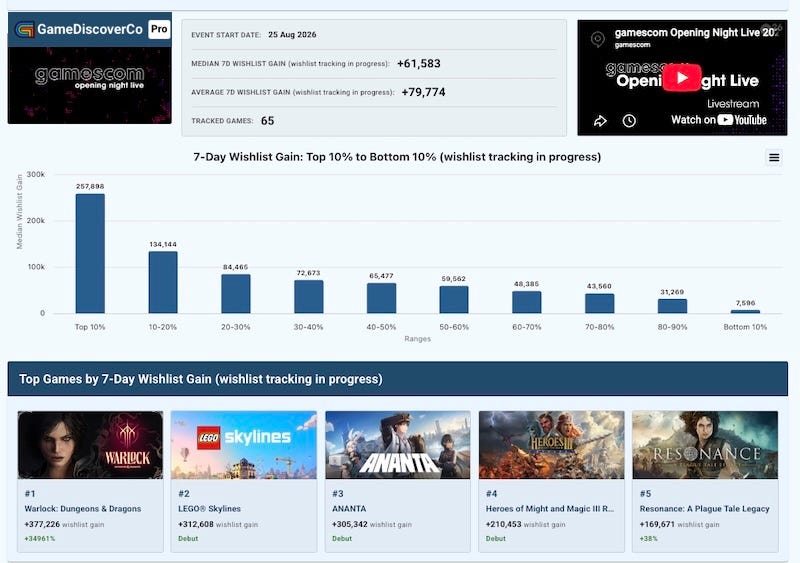
Valve transitioned wishlist data to an hourly update cycle.
Developers now receive near real-time wishlist data.
hourly
wishlist data update cycle for developers
Content rules
Valve added a clause restricting adult content violating card network standards.
The update addresses pressure from payment processors. Valve maintains its generally permissive stance on platform content.
Guideline update. Valve updated its publishing guidelines to restrict adult content that violates the standards of financial institutions and card networks.
Investment pressure
Developers face pressure to demonstrate market viability early in production.
Developers must show market viability early in the production cycle.
Platform governance
Nintendo and Roblox adjusted their operational frameworks for safety and spam.
Nintendo introduced stricter eShop publishing guidelines in Asia to curb spam. Roblox is expanding safety features for younger users.
Leisure time
Gaming remains a significant leisure activity competing with television.
U.S. Bureau of Labor Statistics data suggests gaming competes for time alongside traditional media. This maintains gaming's position as a significant leisure activity.
Market state
The global video game market shows tightening governance and data focus.
These developments collectively underscore a tightening of platform governance. There is a heightened focus on data-driven decision-making as of mid-2025.
1 / 6
Ask AI about this report











Comments