1 free read left. Create a free account for unlimited reading + AI research.
Create free accountArticle Liftoff
1 free read left. Create a free account for unlimited reading + AI research.
Create free accountArticleLiftoff
These games integrate midcore mechanics into hyper-casual frameworks.
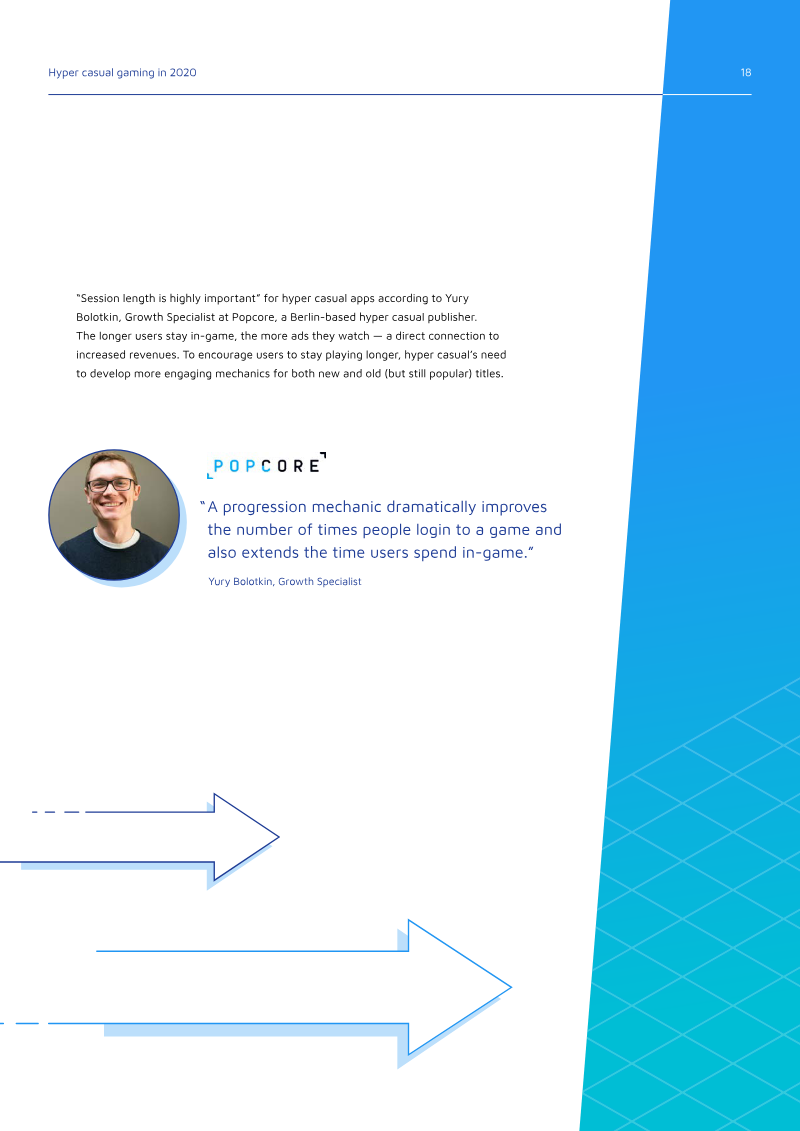
The mobile gaming industry is witnessing a significant shift as the popularity of traditional hyper-casual games declines, evidenced by a 20% drop in the genre's install share. This trend is driven by increased market saturation, rising interest rates, and new privacy regulations that have complicated user acquisition. In response, developers are increasingly adopting a hybrid-casual model, which integrates deeper, midcore-style gameplay mechanics—such as RPG meta-layers and character progression—into simple, accessible core loops. This hybrid approach proved highly successful in 2022, generating over five billion downloads globally.
Hybrid-casual games leverage diverse gameplay elements to appeal to a broader spectrum of player motivations, ranging from competitive "King of the Hill" archetypes to thrill-seeking and skill-mastery players. By utilizing frameworks that map these motivational drivers, marketers can create more effective, targeted ad creatives. Highlighting specific hybrid elements in playable ads allows developers to reach both casual and experienced audiences, provided the creative remains an authentic representation of the actual gameplay experience.
Data indicates that while hyper-casual titles still account for the largest share of mobile game installs at 32.3%, followed by puzzle games at 31.3%, the most effective user acquisition strategies involve placing ads within similar or complementary genres. Marketers are encouraged to experiment with diverse ad placements to maximize return on ad spend. To succeed in this evolving landscape, advertisers must ensure their creative assets accurately reflect the game’s depth, develop a clear understanding of their target audience’s motivational profile, and maintain a balance between simplicity and engagement in their promotional materials.

Liftoff · 2026
Liftoff · 2025
Liftoff · 2024
Liftoff · 2024

Liftoff · 2024


Liftoff · 2024
Liftoff · 2024
Liftoff · 2024
GameRefinery · 2023
Liftoff · 2023
Liftoff · 2023
Liftoff · 2023

Two & a Half Gamers · 2026