ArticleLiftoff
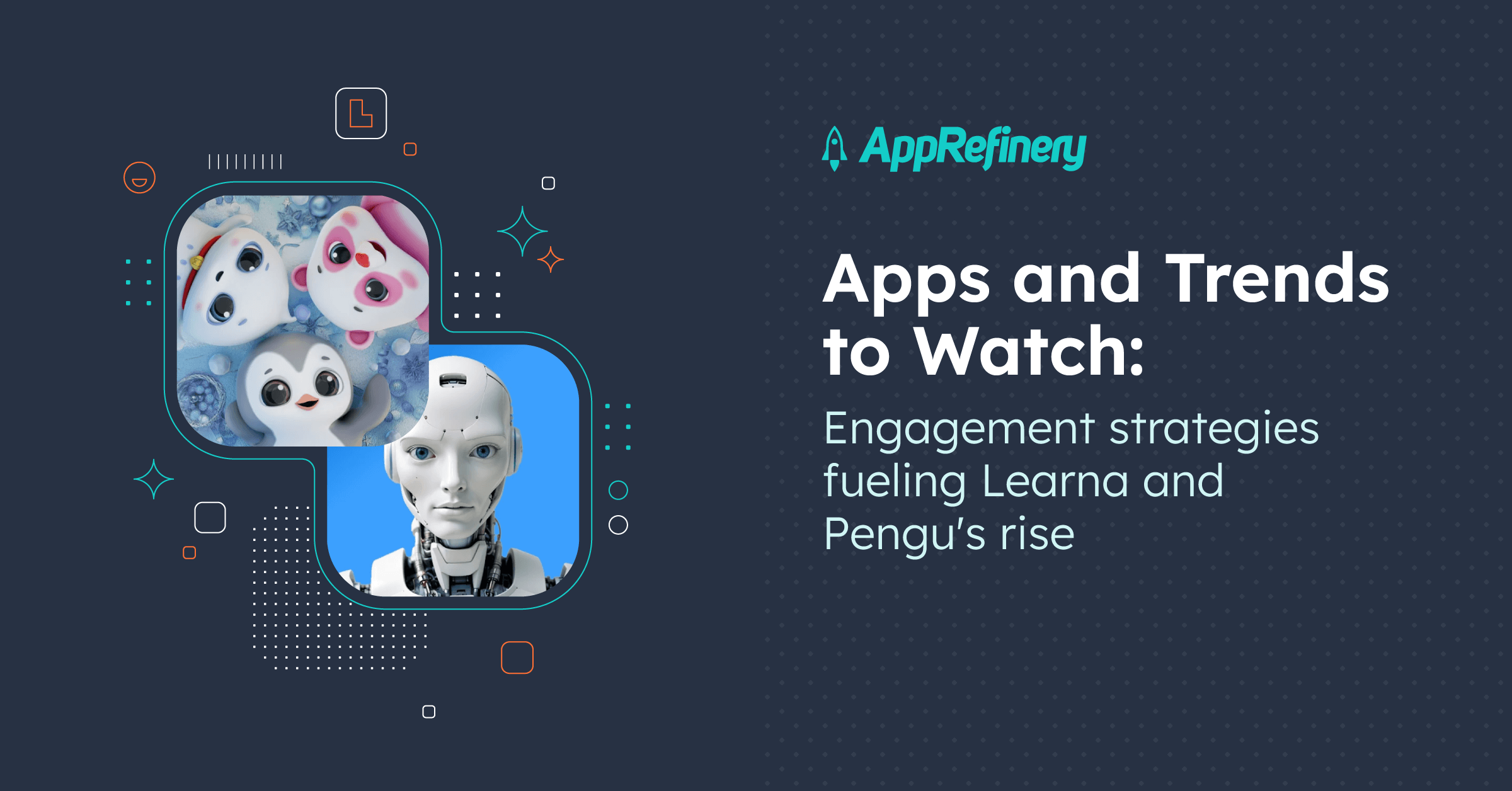
Apps and Trends to Watch: Engagement Strategies Fueling Learna and Pengu’s Rise
25 Feb 20261 pages~15 min full read
Breakout growth in the mobile app ecosystem is increasingly driven by the strategic application of proven engagement mechanics to new categories rather than the invention of entirely novel systems. By analyzing the rapid ascent of the education app Learna and the social networking app Pengu, it becomes clear that sustainable growth relies on behavioral scaffolding—such as habit loops, social accountability, and gamification—to transform sporadic interactions into daily rituals.
Learna has achieved significant success in the U.S. iOS education market by integrating AI-powered tutoring with established psychological triggers. The app utilizes a visible streak system and granular progress tracking to foster user retention, effectively turning solitary learning into a structured, habit-forming experience. This approach demonstrates that even advanced technology requires clear, measurable feedback loops to maintain consistent user engagement and long-term growth.
Pengu, meanwhile, has gained traction in the social networking category by blurring the lines between social interaction and mobile gaming. The app employs a co-parenting model for a digital pet, which introduces social accountability as a primary retention driver. By layering this with deep gamification elements—including progression systems, dual-currency economies, and LiveOps events—Pengu creates a highly monetized, engagement-heavy ecosystem.
These findings suggest that developers can achieve significant scale by reapplying familiar engagement playbooks to emerging technologies or underserved niches. For marketers, these structured loops provide precise retargeting hooks and opportunities for creative messaging that emphasize shared experiences or measurable progress. Ultimately, the most successful apps are those that successfully pair a compelling core value proposition with behavioral mechanics that encourage daily, habitual return.
Liftoff · 2024
Liftoff · 2024

Liftoff · 2024
Liftoff · 2024
Liftoff · 2024
Liftoff · 2023
Liftoff · 2023
Liftoff · 2023
Liftoff · 2022

Liftoff · 2022

Liftoff · 2021

Liftoff · 2021

GamingReport · 2025
Adjust · 2023
AppLovin · 2022
Adjust · 2022

InvestGame
Adjust
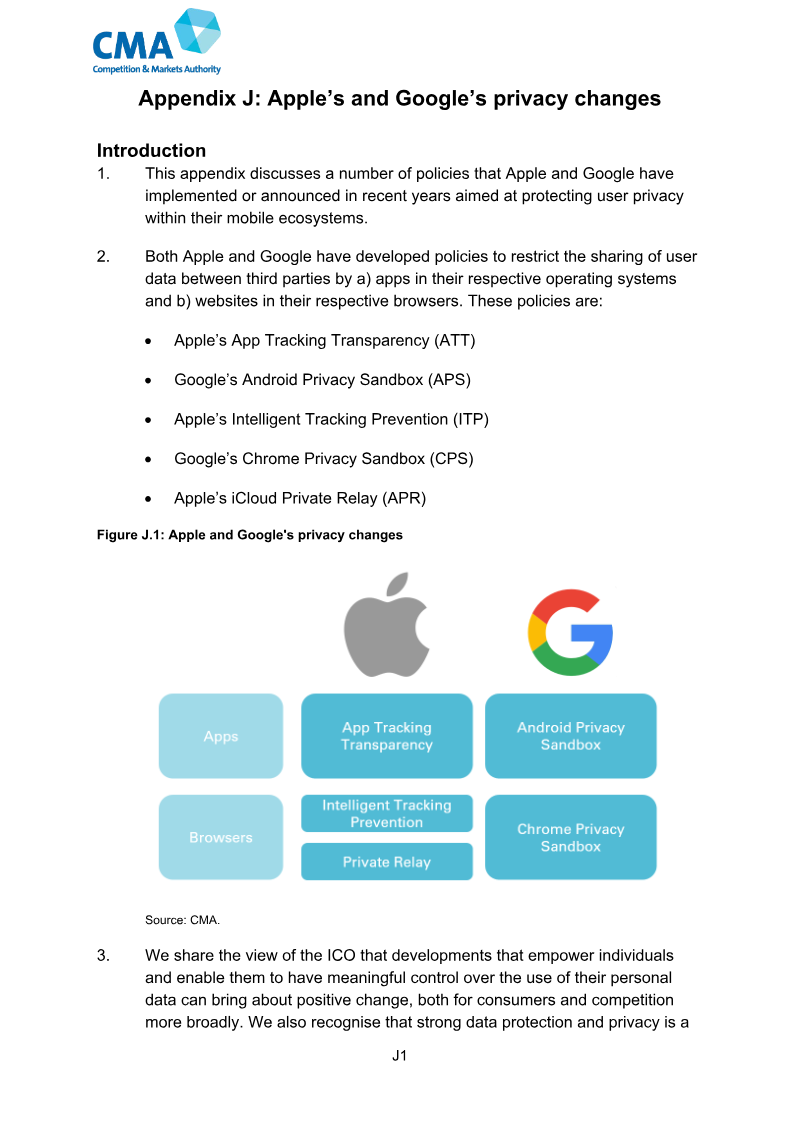
Competition · 2026
Bryter · 2026

Almedia · 2026

GameAnalytics · 2026
Sensor Tower · 2026
Modern Times Group · 2026